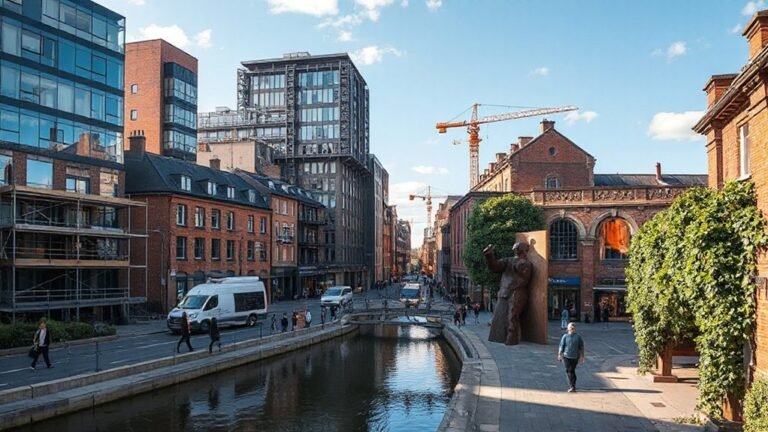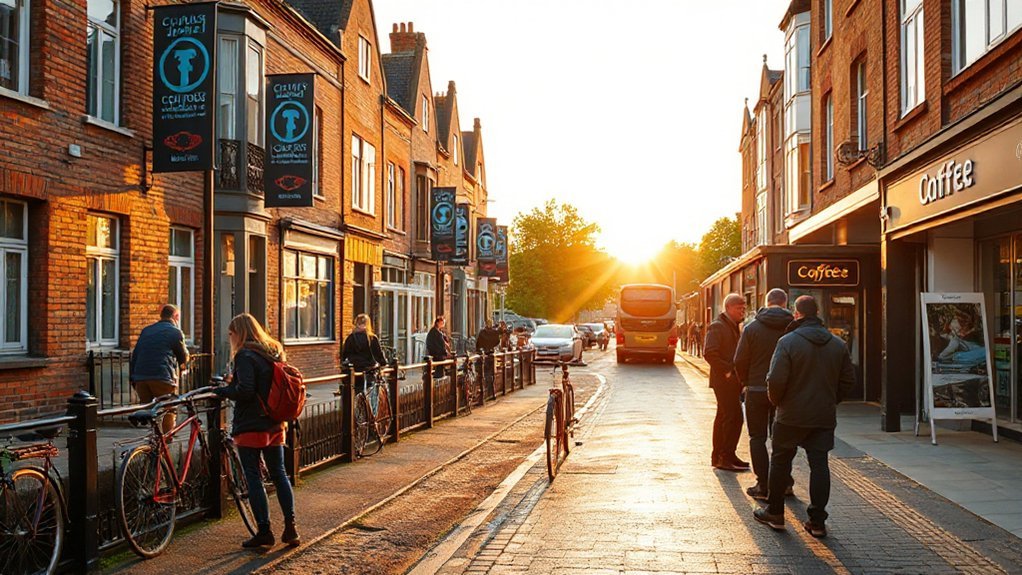
Think of Nottingham’s student market like a well-worn map that still hides fresh routes: Sneinton to The Meadows, Brunswick to Lace Market, all within easy reach of campuses and nightlife. You’ll find affordable rents, strong transport links, and handy amenities that attract steady tenant demand. But the best opportunities hinge on location, price bands, and a mix of spaces that keep tenants and landlords satisfied—yet the story only begins to unfold here.
Nottingham Student Housing Demand: What Buyers Prioritize

Nottingham student housing demand centers on practical value and dependable quality. You evaluate listings by reliable structure, safety, and predictable costs, prioritizing long-term suitability over flashy features.
You consider property condition, including modern amenities that support study routines and quiet study spaces. You weigh energy efficiency and utility bills, since consistent costs matter for monthly budgeting.
You look for clear tenancy terms, transparent maintenance response, and nearby essential services. Historical architecture may attract interest, yet you favor units that preserve character without compromising comfort.
Proximity to campus, libraries, and affordable transport options influences appeal. Local festivals and student life shape neighborhood vibrancy, but you prefer housing that remains stable year-round.
Transport and Occupancy: How Accessibility Drives Rents
Transportation access shapes rental demands just as much as build quality and proximity to campus. You’ll notice higher occupancy where transit links are frequent, routes are direct, and travel times to campuses are predictable.
Accessibility reduces vacancy risk for landlords and stabilizes rents, since students prioritize reliable commutes over longer detours. In Nottingham, proximity to tram stops, bus hubs, and cycling corridors correlates with higher occupancy rates, especially near central campuses and growing student neighborhoods.
As occupancy rises, rents adjust to reflect convenience, safety, and time savings. Historical landmarks and local cuisine influence student preferences for neighborhoods with walkable cores and cultural appeal, reinforcing demand in well-connected districts.
Amenity Mix That Attracts Students: Cafes, Libraries, Gyms, and Coworking
Cafes, libraries, gyms, and coworking spaces shape how students choose Nottingham areas, balancing study needs with social and fitness routines.
You’ll see how accessible venues and varied facilities influence daily life, study sessions, and after-hours activities.
This mix highlights the practical value of proximity for both students and landlords.
Cafes And Libraries
- Quiet corners to work undisturbed
- Fast Wi-Fi and ample power outlets
- Updated stacks and digital resources
- Caffeine options aligned with study hours
- Comfortable seating and lighting
This mix remains core to practical study habits and information access.
Gyms And Coworking Spaces
Indoor cycling classes provide low-impact cardio options and community motivation, while weight rooms support strength goals in structured environments.
Coworking areas offer quiet zones, high-speed Wi-Fi, and collaborative spaces that suit group projects or solo research sessions.
Many venues host fitness challenges to promote consistency and friendly competition, helping you track progress alongside peers.
Access policies vary by property, but memberships or student discounts are common.
Price Bands and ROI in Nottingham: Where to Invest
Nottingham’s property market offers clear price bands and measurable ROI by area, making it easier to target investments. You’ll see distinct tiers by neighborhood, with steady rental yields in student corridors and improving return potential in growing suburbs.
For ROI, compare gross yield, net cash flow, and capital appreciation across zones. Consider risk factors like occupancy stability, local planning, and demand signals from universities.
Fashion trends and culinary festivals influence tenant preferences, impacting vacancy risk and rent setting. Target areas with diversified amenities and transport links to balance occupancy and appreciation.
- Identify mid-range districts with consistent tenancy and modest cap ex
- Track year-over-year rent growth by area to gauge momentum
- Assess vacancy rates and turnover costs for cashflow accuracy
- Compare initial purchase price against long-term rental income
- Weigh lifestyle factors, including fashion trends and culinary festivals, in desirability
City Centre Living: Proximity, Nightlife, and Landlord Demand
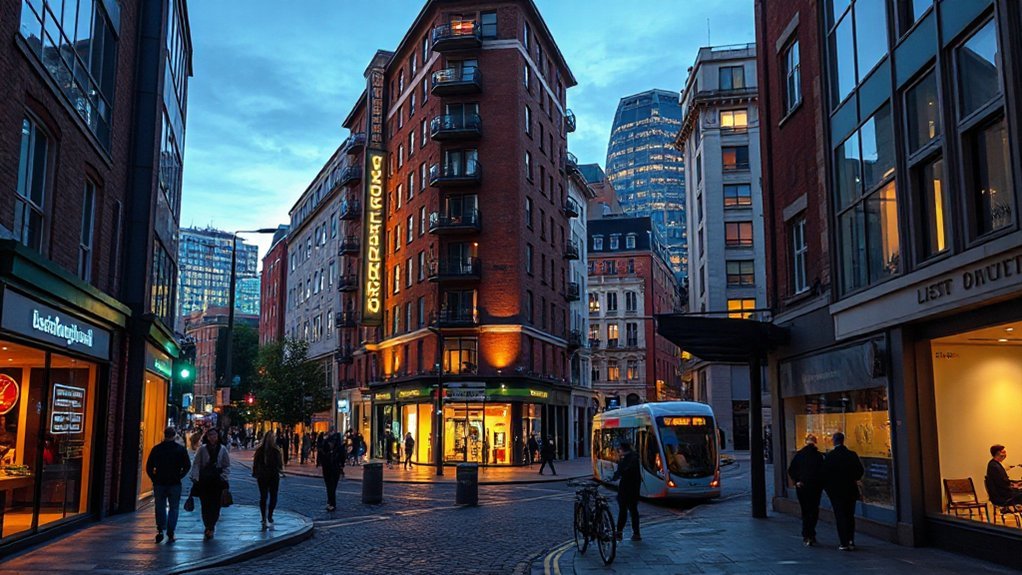
City centre living concentrates demand around proximity to employment, transit, and nightlife, making it a focal point for landlord appetite. You notice renters prioritise short commutes, reliable buses, and easy access to central services, which sustains steady occupancy.
Nightlife clusters increase peak-period rent stability, while ongoing development enhances asset value and turnover speed. Landlords emphasize consistent demand from students and professionals who value convenience over large on-site space.
Historical landmarks contribute to district character, supporting short-term tourism spillovers and weekend footfall. Local cuisine scenes attract resident interest, reinforcing evening-dining spend and longer stays in rental units.
Market risk remains tied to policy changes and transport disruptions, but the core proximity benefits preserve predictable occupancy and resilient yields in city centre properties.
Beeston and Surrounding Corridors: Tram Access and Campus Reach
Beeston and surrounding corridors benefit from reliable tram links that connect students to campuses and workplaces beyond the city center. You’ll notice efficient routes, frequent services, and straightforward interchanges that reduce travel time between campuses, housing, and employment sites.
The corridors preserve accessible access to vintage architecture, blending historic streets with modern student amenities. Tram access broadens campus reach, supporting flexible schedules for lectures, labs, and part-time work.
Local festivals and university events are easier to attend without car dependence, promoting consistent attendance and engagement. The system prioritizes safety, clear signage, and predictable timetables, helping you plan round trips with minimal fuss.
- Frequent services link Beeston to major campuses
- Interchanges streamline transfers between lines
- Pedestrian-friendly stops near dorms and cafes
- Timetables accommodate late-evening study sessions
- Local festivals integrate into the travel network
Brunswick and Lace Market: Culture, Cafes, and Premium Rents
Brunswick and Lace Market offer a vibrant blend of culture, specialty cafes, and premium rents that attract students and young professionals alike. You’ll find a dense mix of venues within walking distance of campus areas and central transport links.
The district supports a concise daytime economy with coffee spots, bakeries, and focused retail, supplemented by nightlife options that remain manageable for residents.
Art galleries line up alongside independent bookstores, while vintage shops showcase mid-century and retro fashion, contributing to a distinct cultural footprint.
Accommodation tends toward well-located apartments and refurbished flats, reflecting higher rental expectations in the core.
Sneinton and The Meadows: Growing Student Pockets Near the Core
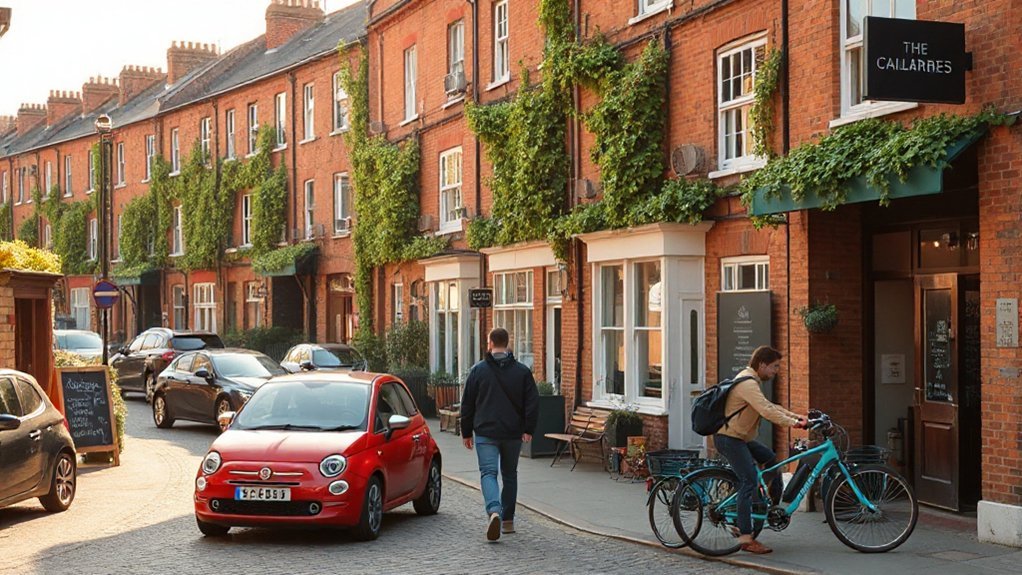
You’ll notice growth in Sneinton and The Meadows as affordable options draw students closer to the city core.
Proximity to campuses, transport links, and local amenities support this trend, shaping rental demand and supply.
These pockets present a measurable shift in where students live and how landlords price and manage properties.
Sneiston Growth Areas
Sneinton and The Meadows are emerging growth areas that increasingly attract students and landlords due to their proximity to Nottingham’s core campuses and nightlife. You’ll notice steady rental demand as affordable options mix with improving amenities, while transport links support easy downtown access.
Historical landmarks and local wildlife add a tangible sense of place, shaping how residents experience the area. Market signals show consistent occupancy rates, with landlords updating units to meet student preferences and safety standards.
You’ll find mixed housing stock, from shared houses to newer flats, aligned with budget ranges. Development pressure remains balanced by community planning, ensuring walkable streets and accessible services.
- Affordable options sustain demand among new tenants
- Proximity to campuses drives renewal investments
- Historical landmarks shape neighborhood identity
- Local wildlife influences green space planning
- Improved transit supports daily routines
Meadows Proximity Advantage
Meadows proximity offers a clear advantage for students and landlords alike, as its closeness to Nottingham’s core campuses shortens commutes and supports higher occupancy. You’ll notice rapid access to campuses, libraries, and study spaces, alongside steady demand from renters seeking manageable travel times.
The area benefits from proximity to Sneinton’s evolving infrastructure, which helps sustain consistent occupancy and rental yields. For tenants, shorter journeys translate to more time for study, part-time work, and on-campus activities.
From a landlord’s perspective, proximity supports predictable turnover and reduced vacancy risk. The local scene complements this appeal with an emerging art gallery presence and a growing culinary scene, adding lifestyle value without sacrificing practicality.
Wollaton and Hoveringham: Quiet Study Zones With Steady Turnover
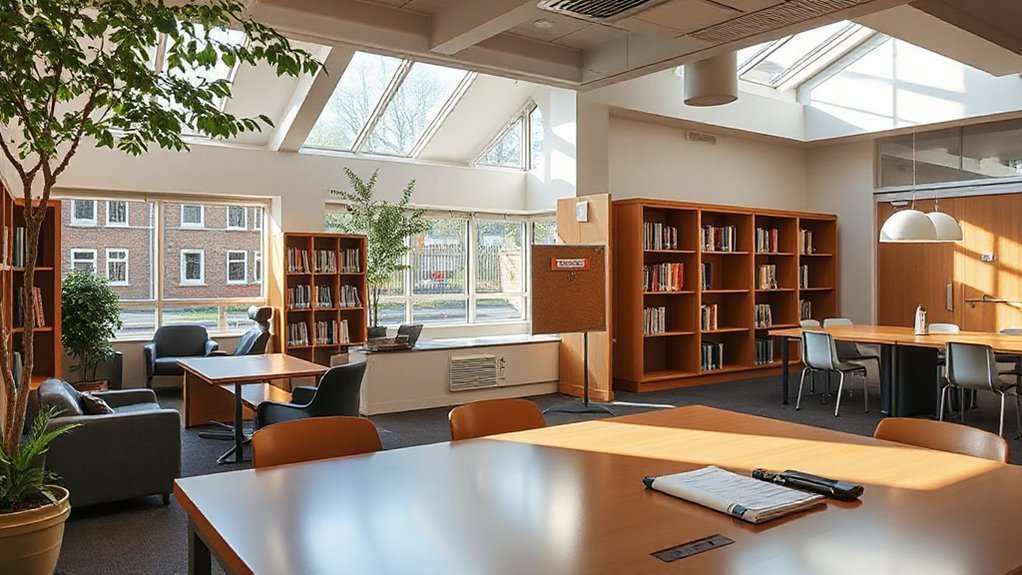
Wollaton and Hoveringham offer quiet study zones where students and landlords alike favor steady turnover. You’ll find stable rental demand paired with low noise levels, creating predictable study environments. The area supports focused work, with green spaces nearby for breaks and accessible transit options for part-time work or campus duties.
You notice a balance between residential calm and student activity, helping landlords maintain occupancy while students sustain consistent study routines. Artistic expression finds subtle outlets in community spaces and local venues, while culinary trends influence nearby eateries, occasionally drawing late-night study crowds.
You gain a sense of reliability without sacrificing convenience, making this pair of neighborhoods a practical choice for disciplined study and steady tenancy.
- Stable demand with predictable occupancy
- Quiet, commuter-friendly locations
- Nearby green spaces for breaks
- Local arts and casual venues
- Accessible transit and amenities
Suburban Clusters Near Universities: East Beck and Hyson Green
East Beck and Hyson Green form suburban clusters that complement university life with practical housing options and accessible amenities. You’ll find affordable rental options and a mix of Victorian and mid-century homes, supporting varied student budgets.
Both areas offer convenient transport links to central campuses, enabling you to minimize commute times while maximizing study and social opportunities. Local amenities include groceries, cafés, and community centers that host events suited to student schedules.
You’ll notice pockets of historical architecture preserved alongside newer developments, reflecting the area’s layered character. Local art is visible in galleries and public spaces, enriching daily life without imposing costs.
Case Studies by Area: Comparable Rent, Occupancy, and Turnover
You’ll compare rent levels across Nottingham areas to identify where prices cluster and where deviations occur.
You’ll also note occupancy trends by area to spot patterns in demand and availability.
Finally, you’ll examine turnover rates by area to understand how resident mobility aligns with rent and occupancy changes.
Comparable Rent Across Areas
Comparing rent across areas reveals how student demand translates into price stability and turnover patterns. You compare neighborhoods by average rent, noting small differentials that reflect school proximity, transport access, and amenities.
In this section, you’ll see concise figures, trend lines, and context for price discipline without extraneous detail. You’ll observe that rent bands converge around student-friendly locations while premium setups stay distinct due to housing quality and demand concentration.
Pet adoption and culinary traditions appear as cultural overlays, shaping tenant preferences but not inflating prices across the board. The focus remains factual: pricing remains anchored to location value, with modest volatility during term changes and intake cycles.
- Rent differentials are explained by proximity to campuses and transit
- Pricing stability aligns with steady occupancy expectations
- Turnover modestly affects areas near popular faculties
- Quality and included amenities influence premium segments
- Cultural factors, like pet-friendly policies, show nuanced effects
Occupancy Trends By Area
Occupancy trends vary by area as student demand aligns with campus locations, housing stock quality, and transport access. Across districts, occupancy rates rise where proximity to universities reduces commute times, while well-maintained properties sustain steady occupancy even during off-peak terms.
In areas with historical architecture, landlords report stable demand from students who value character and durability, though unit turnover may be slower due to landlord expectations and renovate-to-rent cycles.
Local festivals boost weekend occupancy slightly, providing ancillary demand that helps fill short gaps between academic terms.
Turnover Rates Comparison
Turnover rates vary by area even when rents and occupancy are similar, revealing how leasing velocity hinges on neighborhood dynamics and property management. In Nottingham, case studies show that turnover reflects local demand shifts, maintenance responsiveness, and tenant mix.
Compare areas with matching rent and occupancy; turnover still diverges due to cadence of renewals and marketing effectiveness. Historical architecture contributes to desirability in some districts, while others benefit from proximity to universities and transit.
Local festivals can boost short-term occupancy during event seasons, yet may also drive longer vacancy if neighborhood amenities fail to attract steady tenants. Effective management aligns lease terms with renter expectations, balancing pricing without sacrificing occupancy.
Consistent communication and prompt issue resolution drive longer tenancies.
- Comparable rent, divergent renewal patterns
- Maintenance responsiveness affects turnover
- Historical architecture influences desirability
- Local festivals impact seasonal occupancy
- Proactive marketing smooths leasing velocity
Property Type Sweet Spots: HMOs, Studios, and Shared Houses
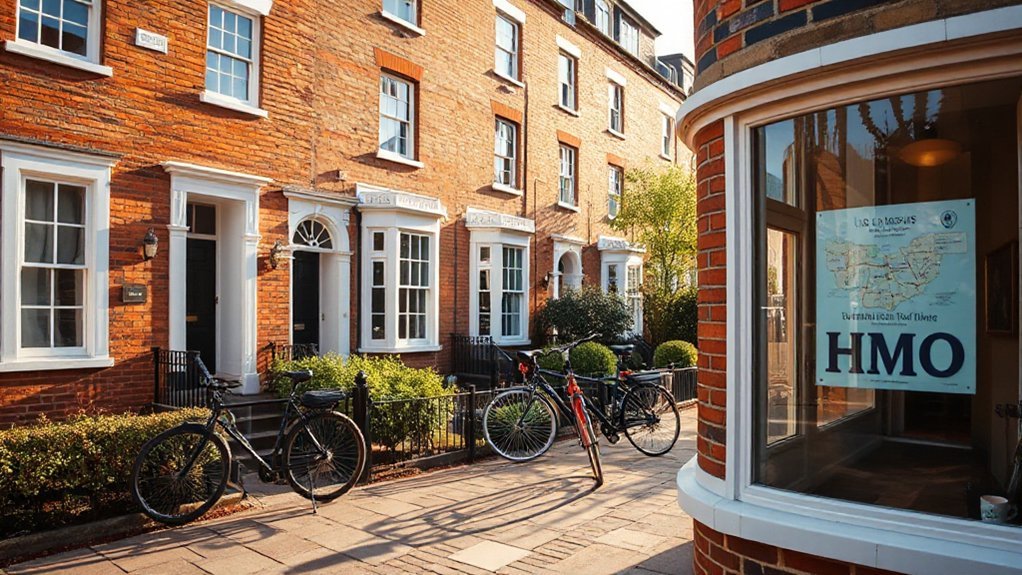
HMO, studio, and shared-house setups each offer distinct advantages for student-focused landlords and tenants. HMOs maximize occupancy and per-bedroom income, while shared houses foster community and lower individual costs.
Studios provide privacy and predictable rent, appealing to postgraduate students or those valuing quiet study space. In Nottingham, demand often aligns with campus proximity, transport links, and flexible leases.
Landlords should match unit type to tenant profiles, balancing occupancy risk with regulatory compliance and maintenance needs. Studios may require higher upfront design effort but attract stable tenants.
HMOs demand robust safety measures and clear house rules. Shared houses benefit from common-area appeal and social routines.
Incorporate thoughtful touches, such as artistic murals and functional layouts, to support a welcoming environment. Local festivals drive seasonal occupancy shifts and marketing opportunities.
Pricing Strategy by Area: Affordable Bets vs Premium Pockets
Pricing in Nottingham should reflect area-specific dynamics rather than a one-size-fits-all approach. You’ll notice two pricing poles: affordable bets in student-oriented pockets and premium pockets near historic cores with higher demand.
This split aligns with demand drivers like historical architecture and the evolving culinary scene, which attract different tenant profiles. You should model rents to reflect location-based value, not blanket averages.
Focus on transparent benchmarks, occupancy trends, and contract terms that suit each segment. This approach reduces vacancy risk and supports stable cash flow while preserving market credibility.
- Align rent bands with area value tied to historical architecture
- Tie premiums to proximity to vibrant culinary scenes
- Use flexible lease terms for turnover hot spots
- Monitor demand shifts between affordable and premium pockets
- Publish clear, data-driven rent rationales to tenants
Safety and Student Comfort: What Landlords Deliver
You’ll see how safety measures are implemented, from secure entry systems to well-lit common areas.
You’ll also notice student comfort improvements like quiet study spaces and responsive maintenance to minimize disruption.
Landlord practices in responsiveness and communication shape how quickly issues are addressed and how predictably you can expect support.
Safety Measures Implemented
To enhance safety and comfort, landlords implement a combination of security features, maintenance protocols, and clear policies designed to protect students and reassure parents. You’ll see layered safety measures across properties, with documented procedures and timely follow‑ups to incidents.
Safety protocols emphasize reliable access control, lighting, and emergency response plans, while security systems deter and detect intrusions. Regular inspections identify hazards before they become problems, and maintenance logs prove accountability.
Clear policies cover visitor screening, quiet hours, and reporting channels, ensuring transparency. The result is a practical, verifiable framework that supports student well‑being and landlord credibility.
- Security systems across entrances and common areas
- Controlled access and key management
- Adequate exterior lighting and visibility
- Routine safety inspections and maintenance logging
- Clear incident reporting and response procedures
Student Comfort Enhancements
As safety measures provide a solid foundation, landlords also prioritize student comfort to create welcoming, productive living environments. You’ll find spaces designed for study, rest, and social balance, with practical amenities that reduce friction in daily routines.
Quiet zones, reliable high-speed Wi‑Fi, and adaptable furniture support focus and collaboration without sacrificing sleep or downtime. Shared common areas encourage constructive interaction, while kitchens reflect current culinary trends, offering well‑equipped setups and clear cleanliness standards.
Artistic expression is welcomed through adjustable lighting, display surfaces, and communal boards that let you personalize your space without compromising property upkeep. Landlords also emphasize transparent communication channels for feedback on comfort features and renovations.
Landlord Responsiveness Practices
Landlords prioritize rapid, transparent responses to safety and comfort concerns, delivering timely fixes, clear communication, and proactive maintenance. You’ll see prompt ticketing, documented steps, and ETA updates that keep tenants informed.
Observed landlord responsiveness aligns with safety standards and reduces disruption to study routines. Tenant communication becomes ongoing, not reactive, with confirmations after each action and follow-up checks to verify results.
Clear service expectations help you plan around repairs and minimize downtime in your accommodations. Measured, professional interactions foster trust and reduce misunderstandings, supporting a stable living environment.
When issues arise, you’ll benefit from consistent channels, accountability, and predictable turnaround times that protect comfort and wellbeing.
- Prompt ticketing and ETA updates
- Clear service expectations and confirmations
- Ongoing status communications
- Follow-up checks on results
- Accountability and measurable timelines
Tenancy Dynamics: Short-Term vs Long-Term in Nottingham
In Nottingham, tenancy dynamics show a clear split between short-term and long-term options, with each catering to different student needs and landlord strategies.
You’ll find short-term lets common near universities and city centers, offering flexible leases, utilities, and furnished spaces to match term gaps, internships, or semester study.
Long-term tenancies, by contrast, emphasize reliability, better monthly rates, and stable occupancy for landlords while helping you build residence history.
Demand patterns reflect academic calendars, local housing policies, and market cycles.
You’ll notice that both durations influence pricing, maintenance expectations, and renewal negotiations.
Cultural context matters too: students explore Historical architecture nearby and sample Local cuisine around campus clusters, shaping preferred neighborhoods.
Renovation Wins That Attract Student Tenants
Renovations that appeal to student tenants focus on practical improvements, durability, and value. You’ll see that clever updates reduce upkeep costs and enhance daily life, making properties more attractive in competitive markets. Focus on space optimization, robust finishes, and efficient systems to minimize recurring issues.
Subtle design choices can reinforce a sense of community without sacrificing privacy. In Nottingham, integrating local culture, like an art gallery-inspired wall or rotating local cuisine features, adds character without oversized budgets.
Target reliable energy efficiency and modern connectivity to meet student expectations. Safety upgrades, good lighting, and flexible common areas improve turnover and ratings. These wins translate to steadier demand and stronger rental performance.
- Practical storage and durable surfaces
- Energy-efficient systems and smart controls
- Flexible common spaces for study and socializing
- Art gallery-inspired accents
- Local cuisine-themed touches and community feel
The Landlord’s Playbook: Snagging Reliable Tenants
To snag reliable tenants, focus on clear screening, transparent terms, and consistent communication from day one. You establish criteria, verify references, and document expectations to reduce disputes.
Use objective metrics: credit checks, income proof, and tenancy history, then compare against your rental criteria to guarantee fairness.
Present terms plainly—rent, deposits, maintenance duties, and renewal options—so there’s no ambiguity.
In Nottingham’s student-adjacent areas, highlight safe access, reliable utilities, and prompt response times to build trust.
Be proactive about maintenance schedules and anticipated repairs, so tenants feel respected.
When selecting tenants, prioritize stability and accountability over urgency.
Historical architecture can influence appeal, but your process should remain consistent.
Also consider local cuisine’s cultural appeal in listing descriptions to attract tenants seeking a connected, welcoming environment.
A Day in the Life of a Nottingham Student Landlord
Nottingham student landlords start their day by checking on the properties they manage, confirming any overnight maintenance requests, and reviewing upcoming tenant needs. You juggle showings, repairs, and routine inspections with a steady, data-driven approach, prioritizing efficiency and safety.
You monitor property conditions, coordinate contractors, and document issues for future reference, keeping disruption to tenants minimal. In parallel, you handle rental pricing, lease renewals, and vacancy risk, using market insights to inform decisions about upgrades and timing.
You balance portfolio goals with tenant satisfaction, ensuring occupancy stays healthy while maintaining property value. Luxury apartments and Historical landmarks shape your markets, guiding capitalization and marketing strategies. Your day emphasizes discipline, transparency, and timely communication.
- Daily maintenance triage
- Tenant communication protocol
- Scheduling inspections
- Market and pricing review
- Property upgrades planning
Regulations and Licenses in Nottingham Housing
In Nottingham, housing regulation and licensing affect how you rent, own, and manage properties. You’ll want to know the Licensing Requirements Overview, the Landlord Registration Process, and the Compliance Standards Checklist to stay compliant.
This brief overview sets the stage for practical steps you’ll take as a landlord or tenant.
Licensing Requirements Overview
Licensing requirements for Nottingham housing regulate how landlords operate and what standards properties must meet. You’ll find that licenses help guarantee safety, space, and condition in rental homes, with checks tied to occupancy and property type. Local authorities enforce ongoing compliance, and noncompliance can lead to penalties or license suspension.
You should maintain records, comply with fire safety and tenancy rules, and respond promptly to inspections. Licensing schemes may vary by district, so confirm specifics for your property.
Historical landmarks and Local festivals influence housing demand and neighborhood considerations, impacting licensing priorities and enforcement focus. Being proactive with upgrades and documentation supports smoother renewal processes and tenant welfare.
- License applicability by property type
- Safety and space standards
- Documentation and record-keeping
- Inspection and enforcement procedures
- Renewal timelines and penalties
Landlord Registration Process
What’s involved in registering as a landlord and obtaining any required licenses in Nottingham housing? You’ll complete the local registration with the council, provide proof of identity, and disclose property details, including tenancy plans and space standards.
You must meet safety and management criteria, such as gas and electrical checks, and obtain any required licenses for specified property types or areas. The process includes submitting documents, paying fees, and awaiting approval, which can take several weeks.
Once registered, you’ll maintain records, renew licenses on schedule, and comply with ongoing inspections. This framework supports tenants’ welfare and safety while preserving Nottingham’s housing stock.
Remember that historical architecture influences property interpretation, and local cuisine reflects neighborhood character, informing community planning beyond licensing.
Compliance Standards Checklist
Compliance standards for Nottingham housing set clear expectations for licenses, registrations, and ongoing inspections. You’ll review required documents, including landlord registration, property certificates, and gas and electrical safety checks, to guarantee compliance across properties near universities and historic sites.
You’ll also monitor renewals and penalties, keeping workflows efficient and transparent. You’ll encounter regulatory references tied to local planning and safety audits, with emphasis on consistent record-keeping and timely actions.
Understanding these standards helps you assess property value while aligning with community heritage like art gallery districts and nearby historic landmarks. Staying current reduces risk and improves tenancy outcomes for students and landlords alike.
- Licenses and registrations must be up to date
- Regular safety inspections are mandatory
- Document retention is essential
- Renewal timelines are strict
- Compliance supports neighborhood preservation and safety
How to Choose Your Next Nottingham Area Based on Goals
When choosing a Nottingham area to rent or invest in, define your goals first—whether you want short commutes, affordable rents, or strong potential for rental demand.
Start by mapping commute times to universities and workplaces, then compare rental yields and vacancy history for each district.
Consider growth plans, transport links, and safety metrics to gauge long-term stability.
If your aim is steady cash flow, target areas with solid tenant demand and manageable maintenance costs.
For lifestyle balance, weigh access to parks, shops, and cultural hubs.
Gardening tips can boost tenant appeal in family-friendly neighborhoods, while highlighting local cuisine can attract students seeking social hubs.
Use data-driven checks to avoid overpaying and to align choice with your objectives.
Frequently Asked Questions
What Unseen Factors Influence Student Housing Demand in Nottingham?
Unseen factors include your priorities and budget, plus how Student preferences and Local amenities shape demand. You factor transport links, tenancy durations, and safety perceptions, while landlords adjust rents accordingly to match evolving expectations and nearby facilities.
Which Areas Deliver the Best Long-Term Rental Stability?
Areas with steady demand and strong management deliver the best long-term rental stability. You’ll find consistent occupancy when student preferences align with solid rental market trends, including predictable turnover, fair rents, and proactive landlord responsiveness.
How Do Landlords Balance Safety With Affordable Rents?
You balance safety with affordable rents by using thorough tenant screening and clear rent negotiation. You verify references, credit history, and income, set transparent safety standards, and negotiate reasonable rents while preserving profit and tenant security.
What Legal Licenses Are Essential for Student Properties?
You need the right licenses: a valid landlord license where required, and mandatory safety certificates. Make sure your records include lease agreements and property inspections, keeping documentation organized. This protects tenants, aligns with law, and reduces risk for you.
Which Neighborhoods Maximize Both Occupancy and Turnover?
You maximize occupancy and turnover in neighborhoods with strong demand and stable rental pricing, reflecting current neighborhood trends. Target areas with consistent occupancy, balanced supply, and competitive pricing to optimize turnover while maintaining favorable vacancy rates and revenue.
Conclusion
You can target student demand by balancing affordability, transport links, and amenities in Nottingham’s prime pockets—Sneinton, The Meadows, Brunswick, Lace Market, Wollaton, and Hyson Green. Prioritize proximity to campuses, reliable occupancy, and robust safety. Offer modern essentials, coworking spaces, and easy access to libraries and gyms. Track ROI across price bands and stay compliant with local licenses. In short, smart area choice plus solid management turns ordinary leases into win-win, landlord-level success. Hyperbole: industry-changing confidence.
About the Author