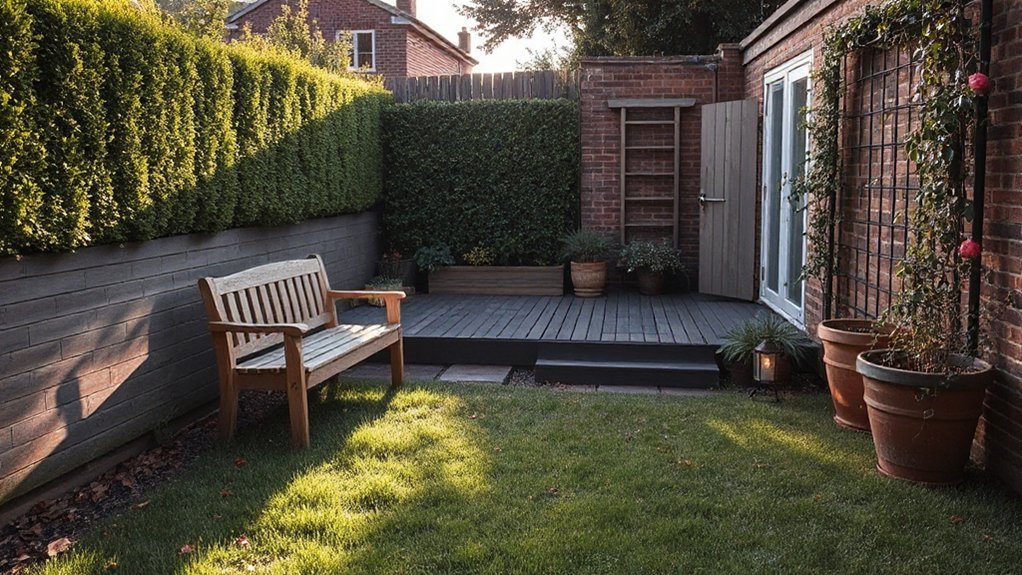
You can maximize a small UK backyard by shaping a precise, multi-functional layout that flows from compact seating to vertical planting, using weatherproof materials and durable finishes. Focus on a tight palette of native plants for structure and year-round interest, and set aside a dedicated fire-safe zone to extend usable hours. Subtle solar lighting and modular furniture keep the space flexible without clutter. There’s more to optimize before you design—and a practical path to follow.
Why a Small UK Backyard Can Punch Above Its Weight
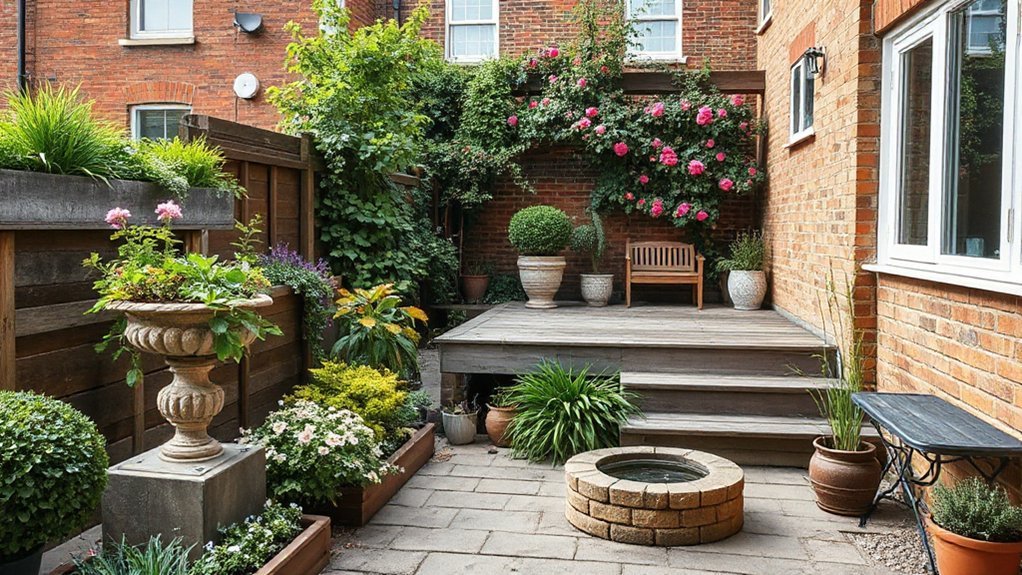
Small UK backyards can punch above their weight by optimizing layout, microclimates, and vertical space. You evaluate constraints as data points, then craft a precise plan that elevates function and feel.
In this setting, you create an urban oasis by aligning planting zones with sun paths, windbreaks, and moisture gradients, ensuring year-round interest without clutter.
You prioritize a clear axis for circulation, selecting compact furniture and slender pathways to maximize usable area.
Verticality becomes a design tool: shelves, trellises, and hanging baskets extend growing space while preserving openness.
You couple sensory cues—texture, color, scent—with micro-environments to heighten perceived space.
This approach embodies creative compactness, delivering a disciplined, aesthetically focused garden that remains practical, scalable, and visually cohesive within limited dimensions.
Space-Saving Layout Ideas for Compact Plots
Space-saving layout ideas for compact plots require a disciplined approach to function and flow. By prioritizing a clear circulation axis and multi-use zones, you maximize every square meter without sacrificing aesthetics. You assess site constraints, then deploy a geometric grid to align paths, plant beds, and furniture.
Incorporate garden art as focal anchors rather than clutter, ensuring it enhances readability and scale. Consider tiered planting and low-sill seating to maintain sightlines while expanding usable depth. For water features, choose compact, modular forms that integrate with the drainage plan and microclimate.
A discreet/recirculating display can provide sound and cooling without crowding space. Favor materials with uniform texture and color to unify plots, reinforcing a coherent, legible layout under variable UK weather.
Easy Vertical and Container Planting for UK Climates
Vertical and container planting naturally with compact plots by bringing soil surface and color closer to eye level, maximizing perceived depth while preserving flow from the space-saving layout.
You implement vertical gardening by selecting sturdy trellises, wires, and wall-mounted planters that support lightweight, nutrient-dense species suited to UK climates.
Container planting hinges on choosing containers with good drainage, UV resistance, and appropriate size to prevent root restriction.
Use a layered approach: taller varieties at the back or top, mid-canopy herbs, and trailing edging plants.
Prioritize high-contrast foliage for visual interest and season-long performance.
Guarantee consistent watering via drip or smart irrigation, paired with well-balanced potting mixes.
This combination offers accessible maintenance, scalable variety, and resilient aesthetics for small outdoor spaces.
Durable, Rain-Tested Materials and Weatherproof Furniture
Durable, rain-tested materials form the backbone of reliable garden furniture and fittings in UK backyards, delivering longevity under damp conditions and shifting seasons. You choose weatherproof furniture and frames built from durable materials that resist corrosion, warping, and UV degradation.
Focus on joinery, fasteners, and coatings that prevent moisture ingress and surface deterioration. Opt for powder-coated aluminum, Grade A teak, polymer composites, or galvanized steel with topcoats, ensuring low maintenance and stable dimensions.
Detail matters: drainage, slat spacing, and drainage channels reduce pooling and staining. Test Saturdays for rain exposure and wind load, confirming stability and safe use after seasonal shifts.
Finish selections emphasize aesthetics without compromising resilience—muted tones, textured graining, and consistent grain alignment. Your setup remains functional, visually cohesive, and ready for routine outdoor use.
Native Plants That Provide Year-Round Structure and Wildlife
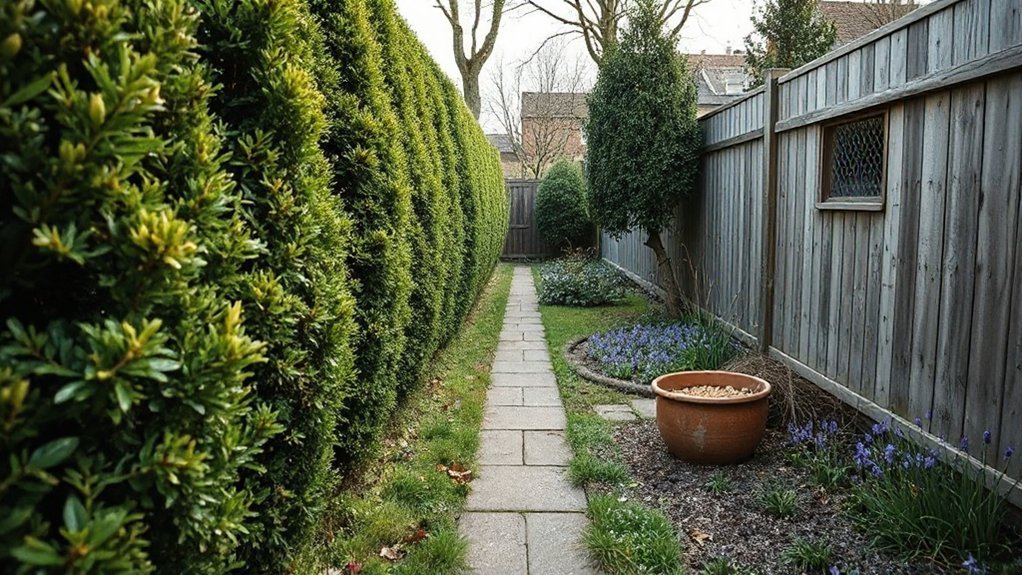
Native plants that provide year-round structure and invite wildlife offer a resilient backbone for small UK backyards, combining seasonal interest with habitat value. You select pollinator friendly plants and native shrub varieties to balance form and function, ensuring structural backbone through evergreen and semi-evergreen textures.
Ground layers are populated with native grasses and herbaceous perennials that maintain visual appeal across seasons, while woody elements provide winter silhouette and nesting opportunities. Consider compact, disease-resilient species with low maintenance regimes to sustain year-long structure without competing with adjacent beds.
Strategic placement of shrubs creates microhabitats, supporting birds and pollinators while reducing heat gain. Monitor soil moisture and nutrient needs, prune selectively, and rely on native species to synchronize flowering, fruiting, and wildlife visits throughout the year.
Cozy Zones on a Budget: Seating, Lighting, and Privacy
You can create cozy zones on a budget by pairing compact seating with smart lighting and privacy elements that fit UK backyards.
Prioritize weather-resilient pieces, space-efficient layouts, and minimal focal points to maximize usability and aesthetic clarity.
We’ll explore cost-conscious seating briefs and practical lighting strategies that quietly elevate both privacy and ambience.
Cozy Seating Briefs
If you’re designing cozy seating on a budget, start by defining a compact zone that encourages lingering without clutter. You’ll optimize layout with purpose-built zones, selecting low-profile furniture that maximizes sightlines while minimizing footprint.
Prioritize modular seating to adapt to varying numbers of guests, and pair with durable outdoor cushions for comfort without sacrificing form. Choose materials that resist UK weather, emphasizing slip-resistant bases and easy powder-coat finishes.
Incorporate a focal element, such as a fire pit, to extend usability into cooler evenings while maintaining safe clearances. Use subtle lighting to enhance texture and depth without overpowering the space.
Train attention on symmetry, scale, and alignment to preserve a cohesive, visually calm microclimate. Guarantee storage-ready cushions and quick-clean fabrics for practical upkeep.
Budget Lighting Tips
Budget lighting can elevate cozy zones without breaking the bank. You’ll optimize illumination by combining efficiency with ambience, focusing on controlled layers of light.
Use solar lanterns for edge lighting and accent effects; they recharge during daylight and provide warm, low-energy glow after dusk. Place them along paths, steps, or borders to define spaces without fixtures or wiring.
Pair with string lights over seating areas to deliver even, diffuse brightness while preserving a relaxed mood. Choose cool-white to warm-white temperatures—2700K–3000K—for natural appearance and legibility.
Implement dimmable options where possible to adjust intensity for activities from reading to conversation. Make sure weatherproof ratings meet UK conditions, and conceal cables within planter channels or fascia to maintain clean lines.
Regularly rotate focal points to retain visual interest.
Seasonal Plan: Quick Wins and Calendar Cues for Year-Round Charm
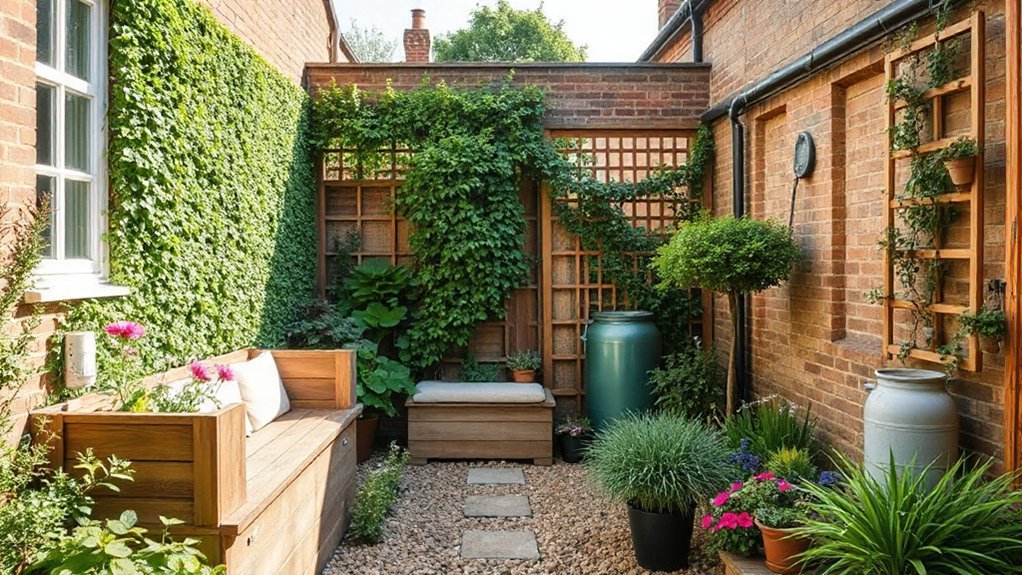
Seasonal planning for small UK backyards hinges on a few quick wins and reliable calendar cues that deliver year-round charm. You’ll map a compact calendar, aligning plant cycles with your local climate to reduce maintenance and maximize visual impact.
Begin with seasonal plant swaps that preserve form and color while limiting soil disturbance; swap evergreen structure for seasonal color as sunlight shifts, and rotate container species to prevent disease buildup.
Establish garden maintenance routines—weekly tidyups, monthly pruning, and seasonal mulching—to sustain soil health and reduce water needs.
Timely tasks, such as transplanting in early spring and protecting late-season perennials, anchor consistent performance.
Note microclimates, drought windows, and frost pockets to refine your plan and guarantee reliable year-round appeal.
Continuous observation informs efficient substitutions and durable, low-effort designs.
Frequently Asked Questions
How Do I Budget for a Tiny Backyard Redesign?
Yes, you budget by defining scope, prioritizing essentials, and allocating 40–60% to essentials, 20–30% to decor, and 10–20% for contingencies. Track costs weekly, compare quotes, and plan for garden decor upgrades and patio furniture.
What Legal Setbacks Affect Small UK Gardens?
What legal setbacks affect small UK gardens? You must respect planning restrictions, party wall decisions, building regulations, and rights of light; garden decor and water features may require permits, insurance, and compliant drainage to avoid enforcement actions.
Which Tools Maximise Small-Space Maintenance Efficiency?
You maximize small-space maintenance efficiency by selecting modular tools and compact implements. Use container gardening and vertical planting to manage irrigation, pruning, and soil health; you’ll streamline workflows, reduce waste, and sustain aesthetics with precise, repeatable routines.
How Can I Deter UK Pests in Tight Spaces?
You deter UK pests in tight spaces by implementing targeted wildlife control measures and applying organic deterrents. Use humane traps, exclusion barriers, and dense plantings, then refresh organic deterrents routinely to maintain aesthetic focus and technical effectiveness.
What Are Seasonal Planting Timing Tips for UK Climates?
Seasonal planting should align with climate considerations, adjusting for frost dates and sun exposure; you’ll time sowing, transplanting, and harvests precisely, using indicators like soil warmth and rainfall patterns to optimize growth under UK seasonal cycles.
Conclusion
Small UK backyards don’t lack impact; they gain it. You balance compact efficiency with lush texture, using verticals and container plantings that whisper rather than shout. Yet amid rain-tested materials and weatherproof furniture, you still crave warmth—fire-safe focal points and solar glow that last beyond drizzle. Juxtapose tight geometry with soft, wildlife-friendly natives; structure meets spontaneity. You’ll enjoy year-round charm, low maintenance, and a garden that feels expansive—without sacrificing the intimacy of your own outdoor haven.
About the Author