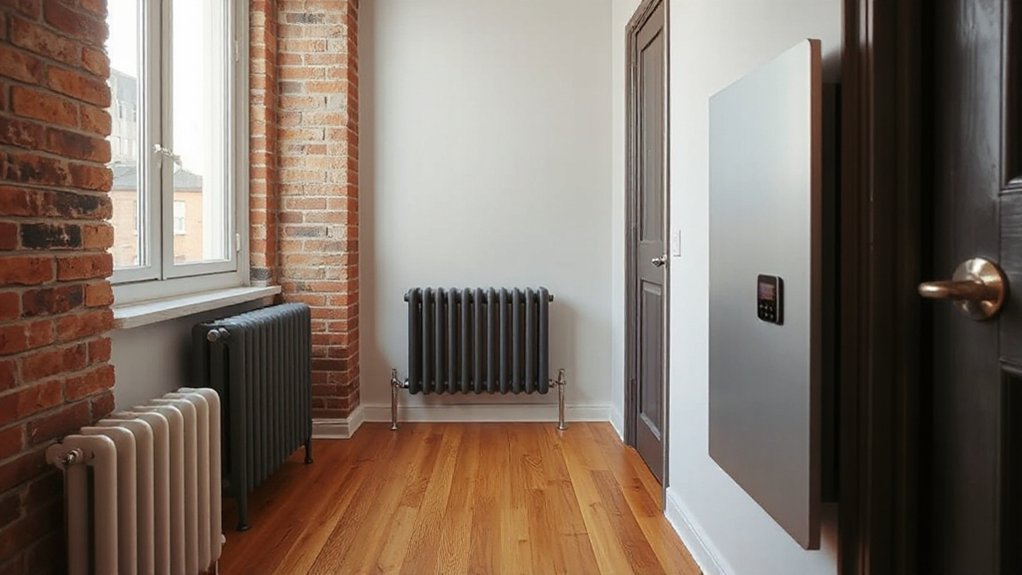
Older flats pose unique heating challenges: you want reliable warmth without wrecking old structures or blowing through budget. You’ll balance radiators with modern options like ductless heat pumps, but you’ll also seal drafts, upgrade insulation, and install smart thermostats for real gains. Zoning helps target comfort, while a clear maintenance plan keeps systems safe and efficient. Start with a practical assessment of constraints, then map a phased, standards-driven approach that leaves room for upgrades you’ll want next.
Why Heating in Older Flats Is Tricky
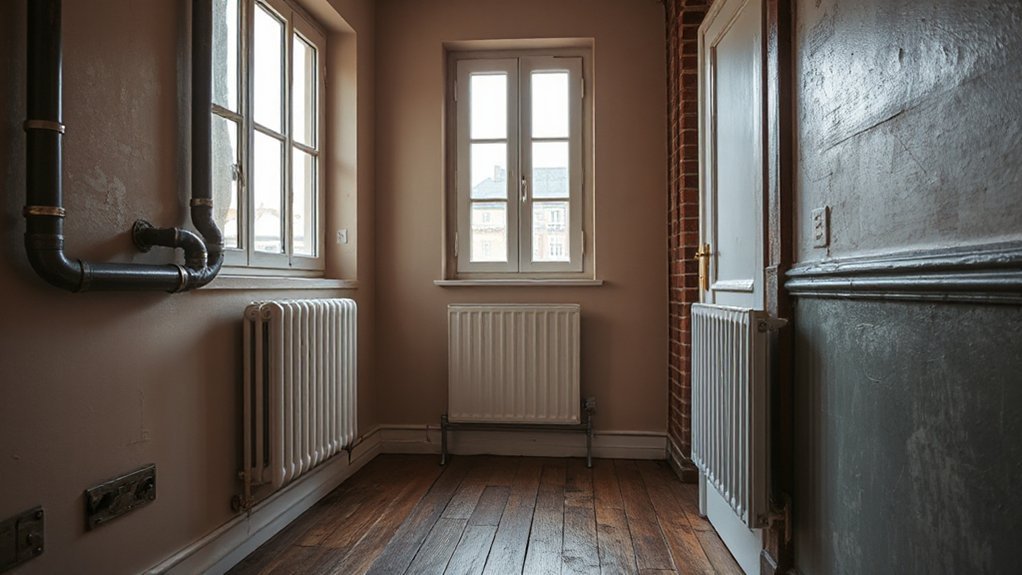
Older flats pose unique heating challenges because their layouts, insulation, and building systems often aren’t up to modern standards. You’ll navigate uneven heat distribution, variable room sizes, and limited thermal mass, which complicate consistent comfort.
Historic preservation considerations constrain alterations, so you balance authenticity with performance. You’ll assess shell efficiency first: drafts, glazing, and insulation gaps drive heat loss, so sealing critical envelopes matters.
You’ll prioritize energy efficiency without compromising character, selecting solutions that respect original architecture while reducing waste. Zoning, occupancy patterns, and room usage guide setpoints and schedules, preventing overshoot and energy waste.
You’ll rely on codes and standards to justify investments, ensuring changes support safety, ventilation, and long-term reliability. Informed choices foster belonging, showing that comfort and preservation can coexist.
Core Heating Options for Older Flats: Radiators, Heat Pumps, and More
For older flats, your options start with reliable radiators or modern heat pumps, complemented by targeted upgrades and controls to match imperfect layouts. Core heating choices should align with historic preservation goals and practical energy goals, ensuring systems work with existing floor plans and wall fabric.
Radiator-based layouts offer proven reliability, predictable heat distribution, and ease of maintenance, while ductless heat pumps provide efficient supplemental heat with minimal invasiveness. Consider zoning, pipe routing, and venting constraints to minimize disruption.
Prioritize components that blend with architectural details, enabling aesthetic integration without compromising performance. Choose controls that support adaptive schedules and user-friendly interfaces.
Smart Upgrades That Pay Off: Insulation, Controls, Safety
Smart upgrades like insulation, controls, and safety features deliver real return by reducing heat loss, improving comfort, and limiting risk in older flats. You’ll notice steadier indoor temperatures and lower energy bills when you upgrade to draftproofed doors, improved insulation, and well‑calibrated thermostats.
Prioritize energy efficiency through energy efficient windows and properly sealed wall junctions, ensuring windows meet current performance standards. Choose controls that learn your patterns, allow remote monitoring, and support fault alerts, so you’re never in the dark about maintenance.
Safety upgrades—smoke and CO detectors, blocked boiler access, and clear fault indicators—protect you and your neighbors. Integrate small renewables where feasible, and consider renewable energy options to reduce dependence on nonrenewables without compromising comfort.
These steps reinforce belonging through reliable, standards-driven upgrades.
Smart Layouts, Zoning, and Maintenance Plans
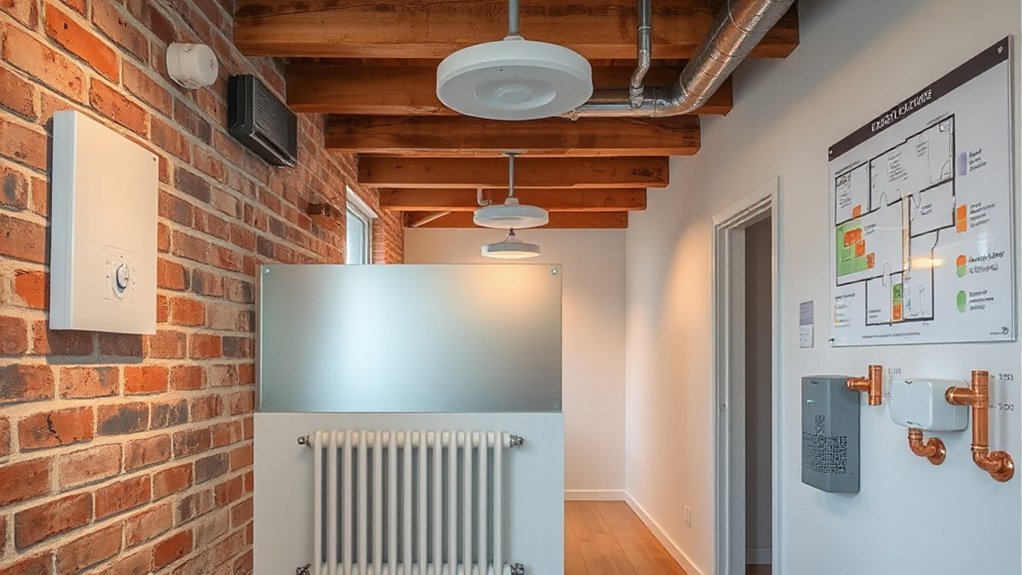
A well-planned layout, effective zoning, and a solid maintenance plan reduce heat loss and simplify ongoing upkeep in older buildings. You design spaces with clear circulation and minimized thermal bridges, ensuring doors and corridors don’t siphon warmth.
Smart layouts place high-heat demand rooms near the boiler or heated zones, while sleeping areas stay shielded from drafts. Zoning strategies segment the dwelling into controllable regions, letting you heat only occupied areas while preserving energy elsewhere.
Maintenance plans schedule periodic checks of valves, thermostats, and insulation, preventing small issues from becoming costly problems. By integrating smart layouts with practical zoning and routine upkeep, you create predictable comfort and consistent efficiency.
This approach reinforces belonging, collaboration, and trust among residents who value reliable heating.
Budgeting, Installation, and Renting Considerations
Budgeting, installation, and renting considerations require a clear plan and practical pricing from the outset. You’ll assess upfront costs, ongoing expenses, and potential subsidies before committing.
Prioritize cost-effective retrofitting that minimizes disruption to tenants while aligning with building codes and energy standards. Choose heat sources and controls that deliver reliable tenant comfort without excessive maintenance.
For installation, map timing to avoid simultaneous renovations and protect common areas; document permitting, inspections, and warranty terms to reduce risk.
When renting, set transparent expectations: energy usage, maintenance responsibilities, and fee allocations should be clear to both owner and occupant. Build a simple, enforceable maintenance schedule and tenant liaison process.
This disciplined approach fosters belonging, trust, and predictable costs for everyone involved.
Frequently Asked Questions
How Do Heating Needs Change With Seasonal Occupancy in Older Flats?
Seasonal occupancy shifts your needs as temperatures fluctuate; you’ll tighten or loosen controls, layer clothing, and use programmable thermostats to minimize temperature fluctuations while maintaining comfort, energy efficiency, and a sense of belonging in your home.
Can Heritage Status Affect the Choice of Heating System?
Heritage status can limit choices; you must align with preservation guidelines and heritage restrictions. You’ll evaluate upgrades carefully, prioritizing compliant, efficient systems while preserving character, ensuring your retrofit respects standards-driven requirements and helps you belong in the historic setting.
What Grants or Subsidies Are Available for Retrofitting Older Buildings?
You can access financial incentives and regulatory grants to retrofit older buildings. These programs help cover costs, streamline compliance, and improve energy performance, so you’ll belong to a community advancing sustainable homes and prudent, standards-driven renovations.
How Long Does a Typical Boiler Replacement Take in a Retrofit?
A typical boiler replacement during a retrofit takes one day, though planning can extend it to a few days. You’ll guarantee efficiency upgrades and system compatibility, aligning with standards and fostering belonging through reliable, streamlined performance.
Are There Noise or Vibration Considerations With Retrofit Heat Pumps?
Yes, retrofit heat pumps can have noise and vibration considerations. You’ll monitor Noise levels and Vibration impacts, install isolation mounts, and guarantee proper siting, balancing and commissioning to meet standards while preserving a sense of belonging and comfort.
Conclusion
You can’t chase perfect warmth, but you can craft smart, steady comfort. Picture a sketch of your flat: radiators humming softly, a heat pump whispering efficiency, insulation sealing drafts like a lid on a simmering pot. Add zoning and a savvy thermostat, and energy waste evaporates. Stay pragmatic: plan, budget, and stage installs to minimize disruption. The result is a balanced, reliable heat that respects your old walls while embracing modern efficiency. Warmth, thoughtfully achieved.
About the Author