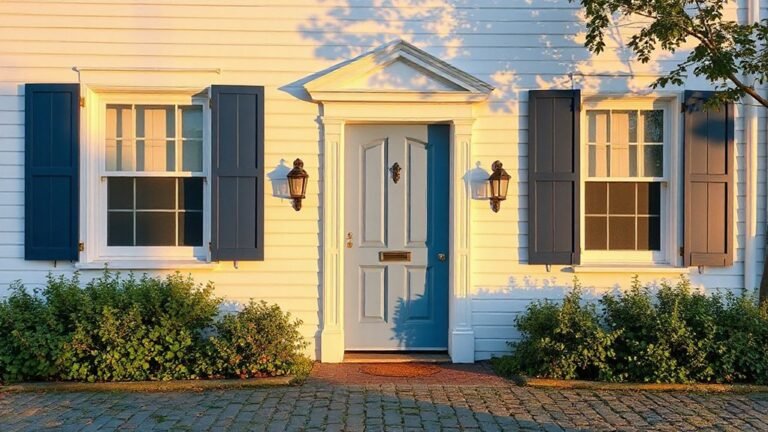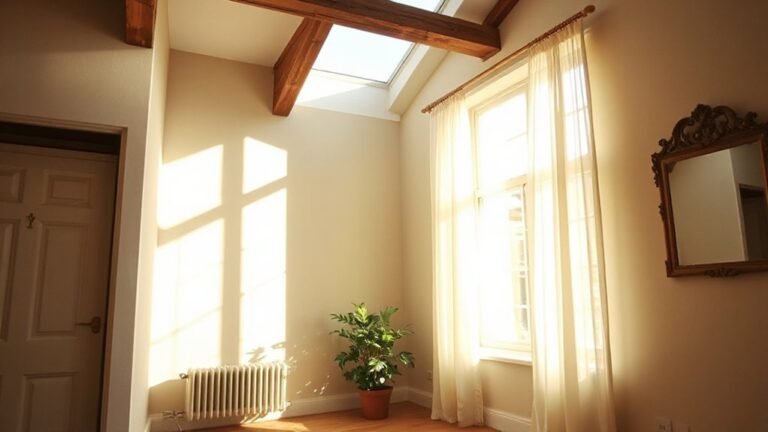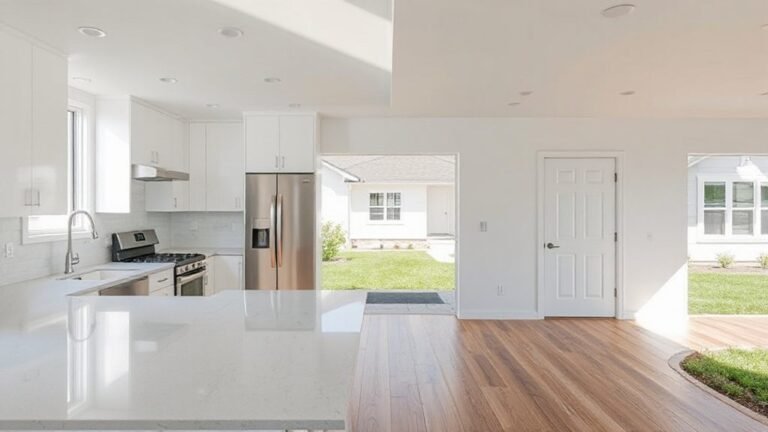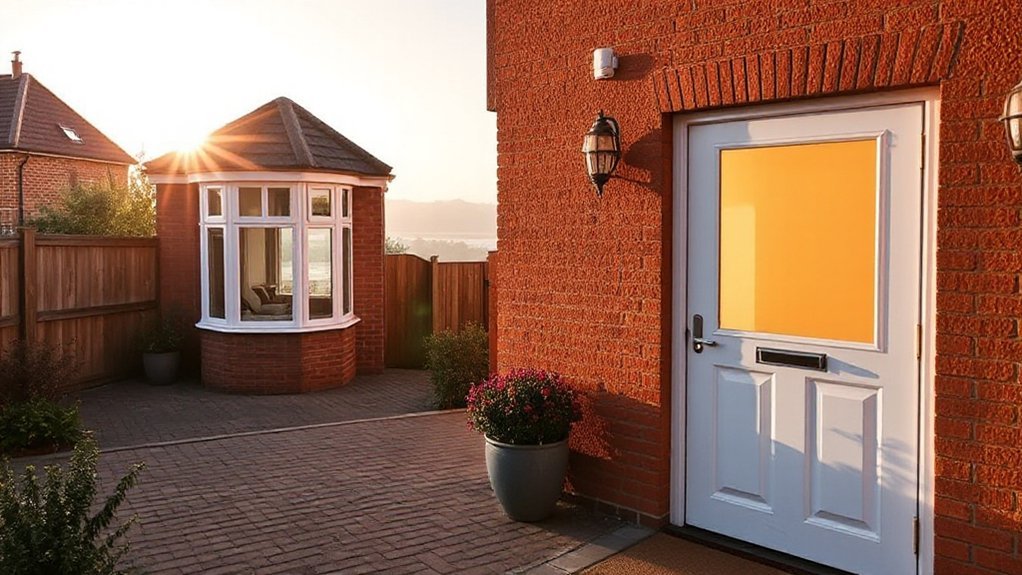
To boost energy efficiency in your Bristol home, start by upgrading insulation in walls, roofs, and floors, seal air leaks around windows and doors, and fit high-performance double or triple glazing. Add balanced ventilation like an HRV/MVHR, then pair solar panels with a heat pump for lower bills and a smaller carbon footprint. These steps align with Bristol’s climate goals, but the specifics for your home and funding options require careful planning to maximize impact.
Why Bristol Demands Specific Energy-Saving Approaches
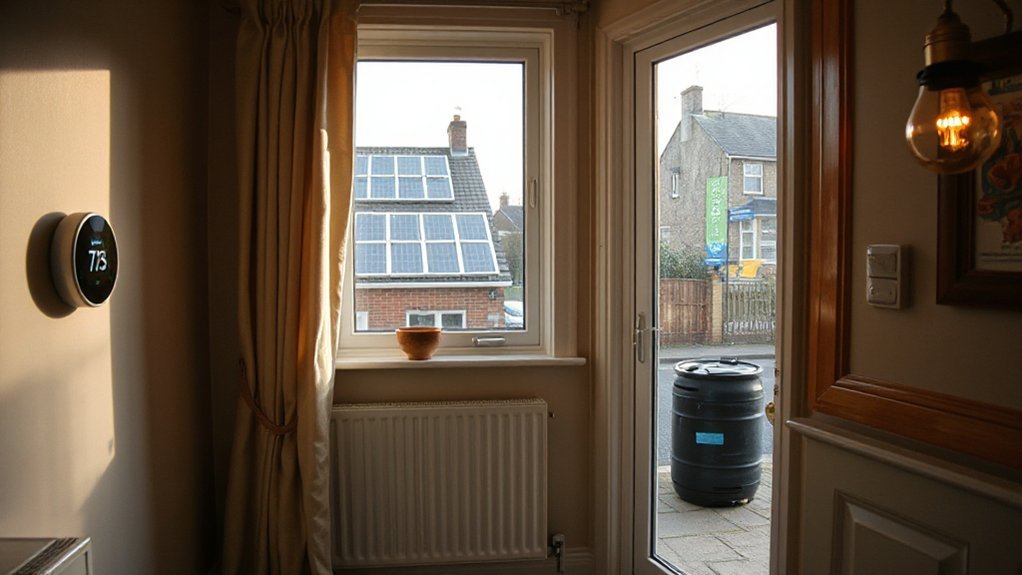
Bristol’s housing stock faces unique energy and climate challenges that demand tailored approaches. You’ll see higher retrofit gains when you align strategies with local conditions, not generic templates.
This city has varied housing ages, from traditional terraces to newer builds, with differing envelope performance and heating systems. You’ll benefit from prioritizing Renewable sources that fit existing infrastructure and fuel costs, reducing dependence on import energy swings.
Building codes shape what’s feasible now and what’s required later, so you’ll plan upgrades that meet current mandates while leaving room for stricter standards.
You’ll measure progress with clear targets—heat loss, carbon intensity, and bill impact—then adjust tactics promptly.
Targeted audits guide investments, ensuring every measure delivers verifiable, cost-effective results for Bristol households.
How Bristol Winters Make Insulation a Priority
When Bristol winter chills hit, insulation becomes a first-line defense against heat loss and high bills. You’ll notice colder rooms, more drafts, and higher heating needs without proper layering.
Bristol’s typical homes lose heat mainly through walls, roofs, and floors, so prioritizing winter insulation reduces heat transfer by limiting conduction and radiation. Focus on high-impact areas first: attic spaces, exterior walls, and under-floor voids.
Use proven materials with medium-to-high R-values for walls and ceilings, and address air leaks with airtight barriers and proper sealing.
Expect measurable results: lower monthly gas or electricity use, steadier indoor temperatures, and improved thermal comfort on the coldest days.
Pair insulation with a balanced heating strategy to optimize efficiency and comfort year-round.
Windows and Glazing to Stop Drafts in Bristol Homes
Windows and glazing are a primary focus for stopping drafts in Bristol homes. You’ll reduce heat loss by prioritizing high-performance glazing materials with low U-values and high solar gain where appropriate. Start with double or triple glazing and guarantee gas-filled seals to minimize conduction.
Check frame integrity; replace poorly sealed or warped sashes that allow sneaking air. Use weatherstripping and compression seals around doors and windows to close gaps without restricting operation.
Consider window treatments like heavy drapes or cellular shades to add an insulating layer at night, then open them to let sun in during the day. For renovations, opt for refined glazing materials that balance insulation, daylight, and glare control.
Measure, compare U-values, and quantify annual savings to justify upgrading.
How to Assess Your Bristol Home for Drafts and Heat Loss
To start evaluating drafts and heat loss in your Bristol home, gather baseline data on insulation, air leaks, and drafts across key areas.
Begin with a room-by-room audit: note obvious gaps around doors, windows, and attic hatches; test with a simple candle or incense stick to spot drafts.
Use a thermometer to compare indoor vs. outdoor temperatures near outlets, pipes, and skirting boards.
For precise results, employ thermal imaging to reveal hidden cold spots and thermal bridging, then map findings on a simple floor plan.
Record insulation materials in walls, floors, and ceilings, noting thickness and age.
Prioritize areas with the largest delta in temperature.
Target improvements based on severity, cost, and expected payback to maximize energy savings.
Air Sealing and Ventilation: Bristol-Specific Best Practices
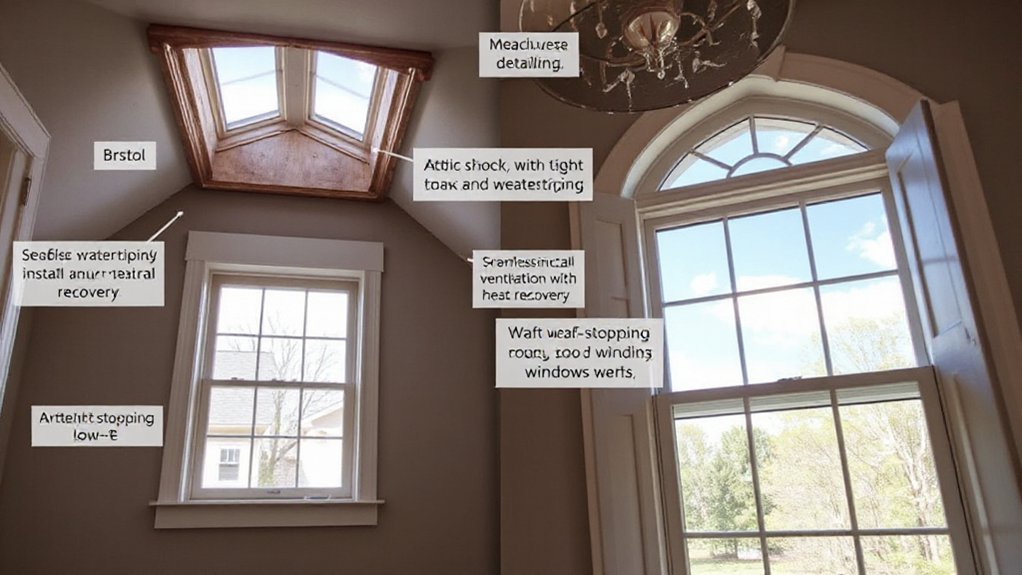
Air sealing and ventilation in Bristol homes should target both reducing drafts and maintaining healthy indoor air. You’ll start with a blower door test to quantify leaks, then seal common gaps around doors, windows, and service penetrations using high-quality caulk and foam.
Prioritize attic and crawl space sealing, plus rim joists, to prevent heat loss in winter. Pair sealing with balanced ventilation, such as heat-recovery ventilation systems (HRVs) or energy-efficient mechanical ventilation with heat recovery (MVHR), to preserve indoor air quality while minimizing energy waste.
For kitchens and bathrooms, install and maintain exhaust fans rated at 50 CFM or higher, with backdraft dampers. Schedule seasonal inspections to guarantee ducts are sealed, insulated, and free of leaks for ideal indoor air quality and efficient ventilation systems.
Solar and Renewable Options for Bristol Roofs
Solar and renewable options for Bristol roofs offer immediate, tangible energy savings and long-term resilience. You can install solar panels to generate daytime electricity, reducing grid purchases and lowering bills.
In Bristol, a typical domestic 4 kW system offsets about 1.5–2.0 tonnes of CO2 annually, depending on orientation and shading. Consider grid-tied setups with net metering to maximize value, and explore battery storage if you use heat pumps or electric vehicles, enhancing self-consumption.
Roof suitability matters: pitch, tilt, and southern exposure boost output; consider microinverters for partial shading.
Costs have fallen over the last decade, with payback often 6–12 years, influenced by subsidies and tariff schemes. Pair solar with energy-efficient appliances to maximize renewable energy benefits and stabilize your annual bills.
Smart Heating Controls That Cut Bristol Bills
Smart thermostats simplify your heating decisions, delivering precise comfort while you save. When you set schedules that align with your daily routine, you can cut energy use by a meaningful margin and track savings in real time.
Start with basic programs, then tweak for occupancy and away times to maximize efficiency.
Smart Thermostat Benefits
Smart thermostats cut Bristol energy bills by learning your routines, adjusting heating when you’re away, and keeping rooms at stable comfort levels. You gain precise control over when and how your home heats, preventing wasted cycles.
In practice, a smart thermostat reduces unnecessary energy use by up to 15–20% for typical households, according to local installers and pilot studies. You’ll see measurable improvements in energy management through scheduled temps, adaptive recovery, and occupancy detection.
This device integrates with other smart home systems, enabling quick overrides from your phone if plans change. Installers note that proper zoning, insulation, and thermostat placement matter for the best results.
Start with a single, well-located unit and expand as you verify savings and comfort.
Scheduling For Savings
Scheduling for Savings: think of it as turning your heating into a precision tool. You’ll trim waste by scheduling when heat runs, not when it’s needed all day.
Start with a simple and repeatable pattern: higher setback overnight, measured comeback in the morning, and door-to-door consistency for rooms used most. Use time management to align your boiler cycles with occupancy and activities, avoiding heat when spaces are empty.
Track impact with energy monitoring to quantify savings after each adjustment. Prioritize zones: living areas for comfort, bathrooms for rapid warmups, and unused spaces to remain cooler.
Pair smart controls with accurate weather data to minimize overshoot. Document changes, review weekly, and refine.
Small, deliberate tweaks compound into meaningful cuts on Bristol bills.
Financing Bristol Upgrades: Grants and Incentives
Financing Bristol upgrades is essential to opening energy savings, and you don’t have to go it alone: grants, incentives, and low-interest loans can cover a substantial portion of project costs.
You’ll want a clear plan that identifies eligible programs, timelines, and required documents. Begin with renewable financing options offered by local authorities and utilities, then compare net economic impacts—including payback periods and annual savings.
Prioritize projects with high energy intensity and quick returns, such as insulation, airtightness, and efficient heat pumps.
Prepare grant applications with precise project scopes, cost breakdowns, and energy models to maximize grant likelihood.
Track eligibility criteria, matching funds, and reporting requirements to avoid delays and guarantee compliance throughout the funding cycle.
Monitor changes in policy to capture new incentives as programs evolve.
How to Choose a Trusted Bristol Installer
Choosing a trusted Bristol installer starts with a clear plan from your earlier financing work.
To verify credibility, check regional licenses and trade certifications, confirming the installer is compliant and insured.
Look for verifiable project metrics: years in business, number of completed Bristol upgrades, and typical energy savings achieved.
Assess installer reputation through independent reviews, references, and case studies that match your project size.
Request a detailed written proposal outlining scope, materials, timelines, and guarantees, plus a transparent breakdown of costs and potential contingencies.
Prioritize a contractor who communicates clearly, answers questions promptly, and provides post-installation support.
Compare at least three bids, ensuring each includes performance milestones and a post-install check.
A trusted contractor aligns quality, cost, and expected savings for lasting value.
Quick-Start Checklist: Boost Energy Efficiency in Your Bristol Home
If you’re aiming to boost energy efficiency in your Bristol home, start with a tight, action-oriented plan: verify your baseline energy use, set measurable targets (like a 15–20% drop in consumption), and choose a handful of high-impact upgrades that fit your budget.
Begin with a quick audit of appliances, lights, and heating—note wattage, usage patterns, and seasonal peaks.
Prioritize energy-efficient appliances and LED lighting, then seal gaps around doors and windows to reduce drafts.
Consider sustainable building materials for insulation and walls to improve comfort year-round.
Track progress monthly and adjust targets if needed.
Pair upgrades with a simple maintenance routine—filter changes, thermostat checks, and system cleanings—to sustain gains over time.
Frequently Asked Questions
What Grants Cover Interior Insulation in Historic Bristol Homes?
You can access grants covering interior insulation for historic Bristol homes through historic preservation programs that fund compatible upgrades while meeting insulation standards, ensuring minimal impact on character. You’ll need project plans, compliance proof, and clear cost-benefit figures.
Can Tenants Access Energy Efficiency Upgrades in Bristol?
Like a lighthouse guiding ships, yes—you can access energy efficiency upgrades in Bristol. You should check tenant engagement programs and your lease agreement, securing landlord consent where needed; advocate, document approvals, and push for funded improvements and measurable savings.
How Long Do Bristol-Specific Heat Pumps Take to Recoup Costs?
A Bristol-specific heat pump typically recoups costs in about 3–7 years, depending on usage, energy prices, and installation. You’ll see cost savings from reduced bills, with a clear payback period guiding your investment decisions.
Are There Bristol-Only Installers Certified for Retrofit Projects?
Yes, you can find Bristol retrofit certified installers for retrofit projects; verify their certifications, request references, and compare quotes. You’ll want documented efficiency metrics, proof of retrofit-specific training, and clear project scopes before committing.
Do Planners Affect Energy Retrofit Work in Conservation Areas?
Sure thing: Yes, planners influence energy retrofit work in conservation areas. They enforce zoning restrictions and conservation guidelines, shaping permitted changes, required permissions, and timelines, so you should align plans early and secure approvals before proceeding.
Conclusion
Boosting energy efficiency in Bristol homes pays off with lower bills and cozier winters. Prioritize high-quality insulation, airtight sealing, and performant glazing, then add balanced ventilation and smart controls. Pair these with solar and heat pumps where feasible, and tap grants to soften the upfront. Choose a trusted installer, and follow a quick-start checklist to stay on track. In short, small, steady upgrades gently release big savings and a warmer, greener Bristol.
About the Author