Imagine you’re fitting a growing family into a single, smartly designed space: a loft that morphs as your needs shift. You’ll want flexible layouts, multi-functional furniture, and clever storage that doesn’t crowd the room. Natural light matters, so skylights and windows become key allies. Think nurseries, playrooms, and quiet corners all in one adaptable zone. Ready to see how small changes add up to big, usable space—and elevate your home’s value? Let’s explore the ideas that make it possible.
Why Loft Conversions Make Sense for Growing Families

Loft conversions are a practical solution for growing families who need more space without uprooting. You gain usable rooms without relocating, while preserving your existing home’s core structure. A well-planned conversion adds value and enhances daily life, from extra bedrooms to study nooks.
Key considerations include maintaining loft insulation to regulate temperature and reduce energy costs, which also supports long-term comfort. You’ll assess the roof’s structural integrity early, ensuring joists, rafters, and supports can handle new loads and access points.
Factor in compliant fire safety, egress routes, and soundproofing to protect privacy. With professional guidance, you can optimize ceiling heights and window placement, maximizing natural light.
In short, a thoughtfully executed loft conversion aligns space, efficiency, and family needs.
Create Flexible Loft Layouts That Grow With Your Family
To create flexible loft layouts that grow with your family, start with adaptable zones rather than fixed rooms. Design movable walls or sliding panels to redefine spaces as needs shift, keeping circulation clear and utility simple.
Prioritize multipurpose zones: a study that doubles as a guest area, a play nook that morphs into a quiet reading corner, and a wardrobe wall that scales with family growth.
Employ flexible furniture that can reconfigure without tools, like modular seating, foldaway desks, and storage benches.
Implement creative lighting to delineate zones without committing to fixed boundaries, using dimmable, layered layers for mood and function.
Build in discreet technology and outlets, ensuring power access follows lifestyle changes while maintaining a calm, cohesive aesthetic.
Make Your Loft Bright: Skylights, Windows, and Natural Light
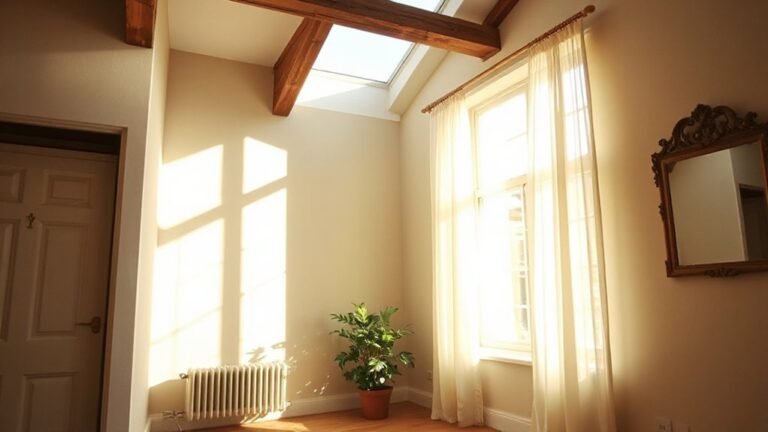
Bringing in daylight transforms loft living, and the first step is maximizing skylight, window, and natural light access. You’ll prioritize orientation and glazing quality to guarantee steady illumination without glare.
Choose skylight installation that suits your roof type, with ENERGY STAR-rated panes and proper flashing to prevent leaks.
Favor larger or strategically placed windows for cross-ventilation and balanced daytime brightness. Consider fixed or operable panes to control heat gain and privacy.
Install light shelves or interior finishes that reflect daylight deeper into rooms. Use light, neutral interiors to amplify natural lighting without compromising energy efficiency.
Plan shading devices for peak sun periods, and seal gaps to avoid drafts. Natural lighting reduces artificial load, supporting a brighter, healthier family space.
Design Nursery, Playroom, and Quiet Retreats in a Loft
Creating a nursery, playroom, and quiet retreats in a loft hinges on thoughtful zoning, durable materials, and adaptable storage. You’ll design distinct zones within offset walls or low partitions, keeping safety and access in mind.
Use sturdy, easy-care surfaces and rounded edges for active spaces. Choose washable paints and durable textiles to withstand daily use without fading.
For nursery decor, prioritize calm color palettes, accessible changing stations, and soft lighting that soothes without disturbing sleepers.
For the playroom, select playroom furniture that grows with your kids: modular storage, low shelves, and seating at little-eye level.
Quiet retreats deserve sound-absorbing panels and cozy, kid-safe furnishings.
Guarantee clear sightlines, ample ventilation, and a simple, organized flow to keep every loft corner functional and inviting.
Save Money With Smart Design Tweaks That Add Usable Space

By reconfiguring your loft with space-saving layouts, you can maximize every square foot without expanding the footprint. Consider multifunctional zones that blend sleeping, work, and storage to reduce clutter and free up usable area.
These tweaks keep costs down while delivering flexible, practical living space for growing families.
Space-Saving Layout Tweaks
A few simple layout tweaks can unlock significant usable space without a major renovation. You’ll prioritize flow, sightlines, and underutilized zones to maximize every square foot.
Begin with stair access and ceiling-height clearances, removing obstacles that trap usable area in corners or beneath landings.
Use L-shaped or open-plan furniture to create distinct zones without walls, preserving light and air.
Choose compact storage: wall-mounted cabinets, built-ins around beds, and fold-away desks that stay out of the way when not in use.
Favor verticality—tall shelves and slim wardrobes extend storage without widening footprints.
Integrate vintage decor as a cohesive accent rather than clutter; it adds character without bulk.
Ensure proper loft insulation to reduce cold spots and improve energy efficiency, enhancing comfort and perceived space.
Multifunctional Loft Zones
Smart design turns loft spaces into versatile zones without breaking the bank: think layered storage, movable partitions, and dual-purpose furniture that adapt as your family grows.
In multifunctional loft zones, you maximize usable area by planning zones for sleeping, play, study, and relaxation without walls. Choose compact, modular pieces that can reconfigure for changing needs, and integrate storage into stairs, under beds, or seating to reduce clutter.
Use creative decor to define functions without crowding, such as color shifts, rugs, and subtle accents that signal different zones. Lighting techniques matter: layered light—ambient, task, and accent—brightens work areas and softens play corners.
Prioritize safety with rounded edges and sturdy hardware. This approach delivers efficient, flexible space that sustains growth without costly renovations.
Smart Loft Storage: Under-Eaves, Built-Ins, and Organization
Smart loft storage maximizes every inch by using under-eaves shelving and built-in units that stay out of the way but stay within reach.
We’ll show you how to plan integrated storage that fits your family’s needs without eating into living space.
This discussion will cover under-eaves solutions, built-ins, and organization strategies to keep clutter off the floor.
Under-Eaves Storage Solutions
Under-eaves storage can transform awkward attic gaps into usable space, making your loft feel larger without a full extension. You’ll optimize every centimeter by selecting shallow, high-arc drawers, hinged doors, and pull-out shelves that fit beneath sloping ceilings.
Prioritize built-ins that run along the eaves to avoid wasted headroom, and choose modular units for future reconfigurations. Use a simple color palette and uniform hardware to keep the look cohesive and calm.
Incorporate Vintage decor sparingly to add character without overcrowding zones; place small, timeless accents on accessible shelves for easy rotation.
When choosing materials, favor Eco friendly materials that are compact, durable, and low maintenance.
Guarantee ventilation and lighting planners align with storage zones to prevent musty smells and shadowy corners.
Built-In Loft Organization
Ever thought small spaces could hold big possibilities? Built-in loft organization streamlines every square foot. You’ll design under-eaves storage that’s practical without bulking out the ceiling lines, using shallow pullouts, folded desks, and hidden bins.
Built-ins should follow the room’s traffic, so you don’t block aisles or light. Choose adjustable shelving and modular units to adapt as your family grows, keeping toys, clothes, and linens in easy reach.
Prioritize tight seals around entrances to maintain loft insulation and energy efficiency. Integrate vintage decor accents to unify the look without crowding surfaces.
Leave a clean focal point; avoid clutter that distracts from flow. Smart labeling and color-coding keep organization predictable, letting you locate items fast.
Frequently Asked Questions
How Much Does a Loft Conversion Typically Add to Home Value?
A loft conversion typically adds 10–20% to your home value. You’ll benefit from interior lighting improvements and insulation improvements, boosting appeal and energy efficiency. You can increase value further with smart layout choices and quality finishes.
What Building Regulations Apply to Loft Conversions in My Area?
You’ll need to check with your local planning authority and building department; building permits are usually required, and you must prove structural integrity. Picture sturdy framing and compliant joists as you secure approvals for safe loft conversion.
Can a Loft Conversion Be Completed Without Removing Existing Stairs?
Yes, you can, but it depends on headroom and fire safety. You’ll need careful Staircase design, possibly modifying landings. Use storage solutions under stairs to maximize space, and guarantee compliance with local regs before starting any work.
What Are the Safety Requirements for Loft Spaces With Children?
Loft safety isn’t optional: you protect kids with childproofing tips and sturdy safety railing installation. Juxtapose curiosity with caution, you’ll maintain clear egress, secure balustrades, and install guards, gates, and non-slip stairs for trustworthy, compliant access.
How Long Does a Typical Loft Conversion Take From Start to Finish?
A typical loft conversion takes roughly 8–12 weeks from start to finish. You’ll plan carefully, secure approvals, and schedule trades. Include loft insulation and ventilation considerations to guarantee comfort, energy efficiency, and long-term performance for your family.
Conclusion
You’ve got a growing family, and your loft can flex with you. Plan flexible layouts, brighten every corner with skylights, and craft nursery, play, and quiet zones that evolve over time. Smarten storage under eaves and with built-ins, keep costs down with smart tweaks, and maintain comfort with insulation and energy efficiency. Think long-term value, not just looks. Now, channel that retro edit—imagine a 1990s-era fax machine humming quietly as you finalize your design, and start building your brighter future.
About the Author