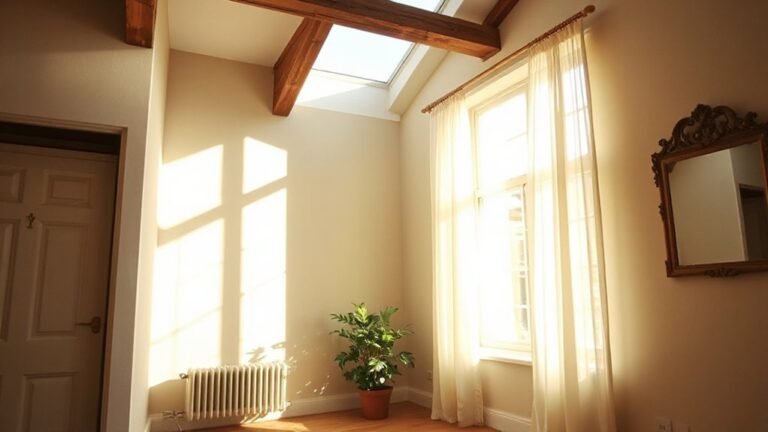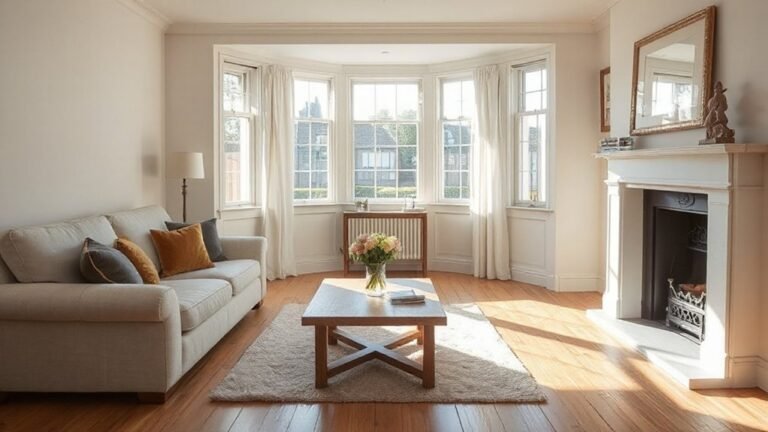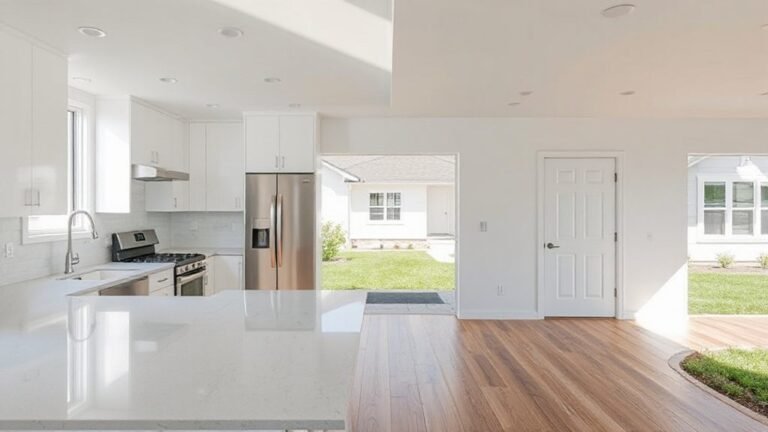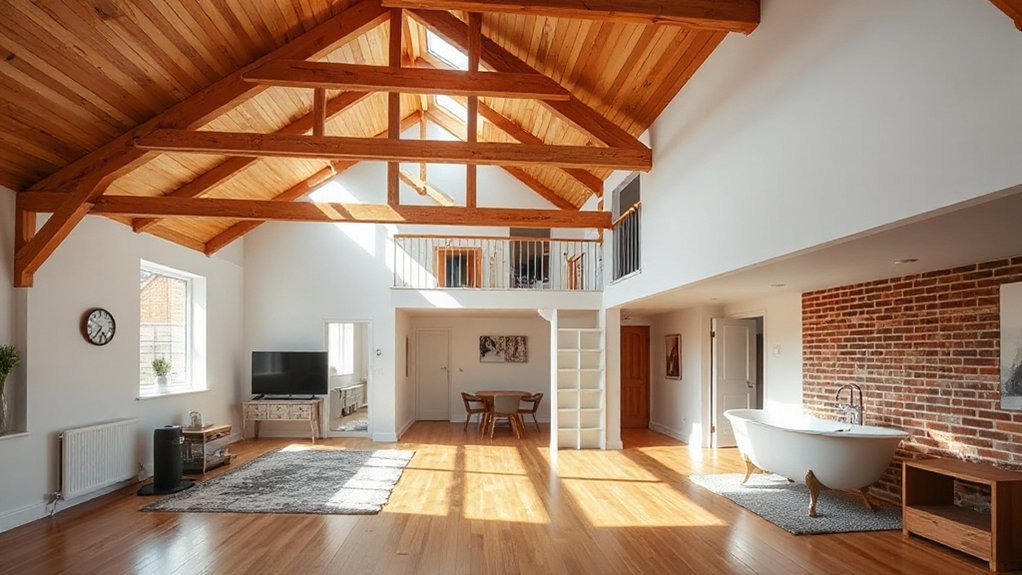
Consider how your terraced loft can work within its structural limits, then map moisture control, insulation, and draft-proofing before you plan light, access, and zoning. You’ll want clear criteria for skylights, large windows, and vertical storage that maintain heat and air quality. Think through multi-use spaces, fold-away furniture, and mezzanine options without compromising egress or safety. The path forward hinges on precise measurements and compliance, with a practical framework you can apply as you proceed.
Feasibility First: Can Your Terraced Loft Work Well?
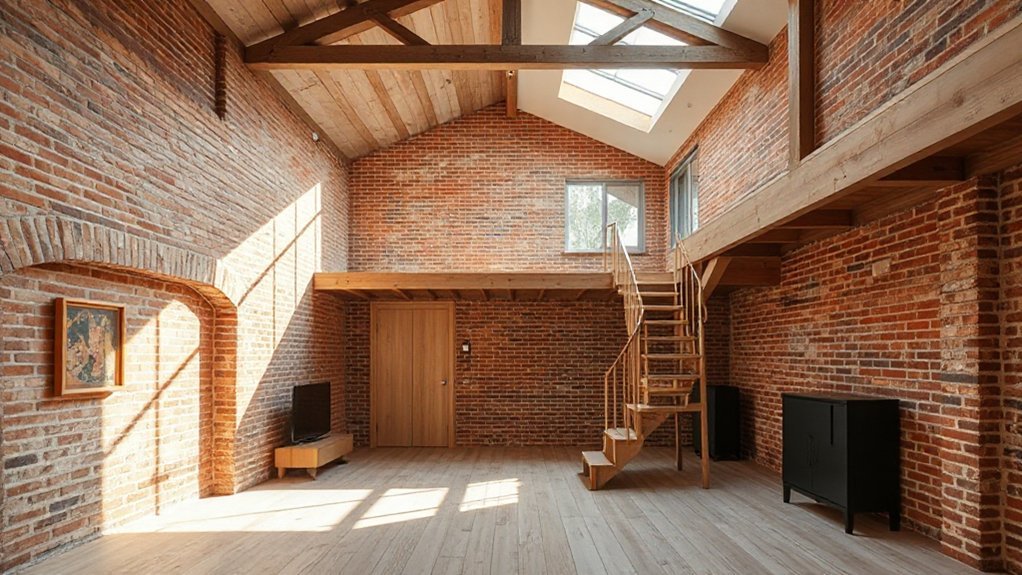
Feasibility hinges on three core factors: structure, headroom, and regulation. You approach this with a precise, schematic mindset, mapping each variable to practical action.
Structural assessment becomes your first diagnostic step: evaluate existing joists, rafters, and wall ties for capacity, continuity, and deterioration. You want clear, measurable inputs, not assumptions.
Next, headroom analysis defines usable space, door placements, and stair geometry, ensuring accessibility meets live-work needs without compromising fire safety.
Building regulations then anchor your plan in compliance, translating loft geometry into permissible floor area, spacing, and egress requirements. You’ll document limits and contingencies, highlighting where reinforcement or reconfiguration is warranted.
Your method fosters confidence, belonging, and shared purpose: a feasible loft that integrates with the terraced row while staying within code.
Foundation First: Moisture, Insulation, and Draft-Proofing
Foundation sets the baseline for a terraced loft, so start with moisture control, insulation strategy, and draft proofing as an integrated system.
You establish a layered sequence: exterior vapor barrier, continuous insulation, and airtight detailing at joints.
Moisture control relies on drainage, proper flashing, and sub-slab ventilation to prevent condensation.
Insulation strategy uses a continuous, low-thermal-bridging envelope to reduce heat loss and thermal bridging at eaves and party walls.
Draft proofing focuses on sealing penetrations, door thresholds, and loft access without hindering operation.
Specify material compatibility, testing protocols, and commissioning steps: blower-door tightness, infrared scanning, and moisture monitoring.
Resulting performance yields stable humidity, consistent temperatures, and a sense of belonging within a disciplined, durable structure.
Draft prevention underpins long‑term comfort and energy efficiency.
Bright by Design: Layouts That Maximize Small Terrace Spaces
When space is scarce, optimize layout by carving functional zones that preserve movement and light across the terrace. You map zones: circulation, seating, and flex work, aligned to natural focal points. Use clear sightlines to exterior with minimal obstructions; place furniture within reach of doors and thresholds to sustain effortless flow.
Implement proportional scales: narrow steps, low-profile seating, and wall-mounted surfaces to avoid crowding. Favor linear configurations that run along the terrace perimeter, enhancing daylight penetration and cross-ventilation.
Prioritize Creative lighting as a layered system: ambient, task, and accent, integrated into rails, walls, and planters. Pair this with purposeful Interior decor—cohesive textures, tones, and materials—to reinforce belonging.
Document measurements, materials, and lighting zones for repeatable, scalable layouts.
Clever Storage and Access for Terraced Lofts
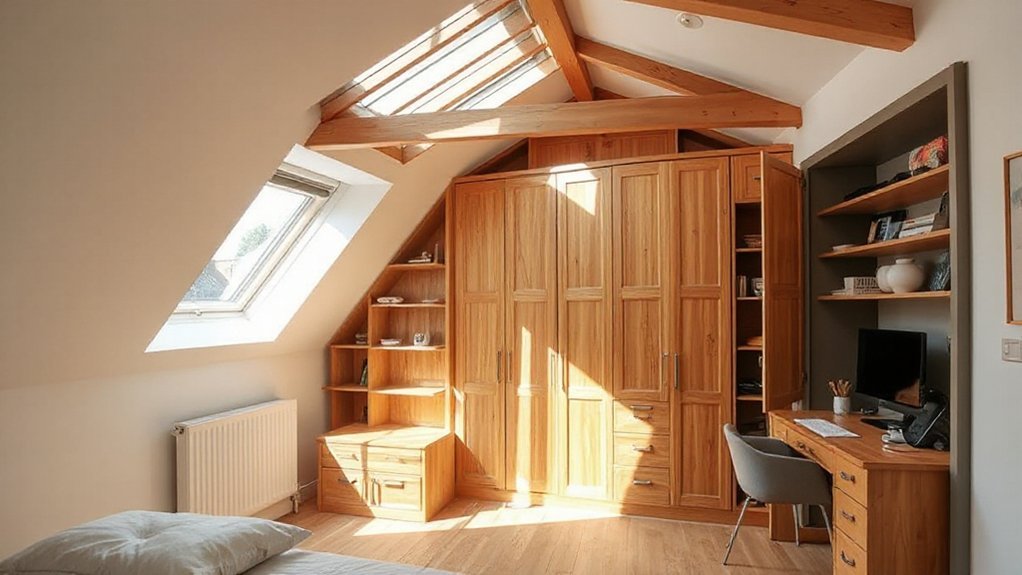
Clever storage and access for terraced lofts focuses on maximizing vertical and under-rafter space while preserving clear egress routes. You implement modular shelving and pull-down units aligned with wall studs, ensuring load paths stay continuous and accessible.
Access is defined by a primary staircase or ladder with compliant headroom, plus secondary egress if required by code. You allocate false floors and hinged panels to conceal seasonal gear, maintaining fixture symmetry and efficient circulation.
Creative lighting is integrated along niches and stair runs to reduce shadow zones, while ventilation solutions maintain air quality without compromising storage density.
You verify clearances around doors, hatches, and handrails, document material ratings, and schedule routine inspections to sustain long-term habitability and safe, belonging-centered loft environments.
Budget-Smart Upgrades That Add Value and Comfort
Budget-smart upgrades deliver immediate value and day-to-day comfort without a full remodel. You’ll focus on cost-per-benefit, selecting components that improve function while minimizing disruption.
Prioritize compact, off-the-shelf solutions that fit terraced constraints and preserve ceiling lines. Implement efficient lighting plans with layered sources: ambient, task, and accent, to elevate perceived space without structural work.
Upgrade hardware and finishes in a cohesive palette to create a sense of continuity and belonging throughout the loft. Integrate smart controls for climate, shading, and security to boost daily convenience with minimal maintenance.
Choose luxury fixtures and high-end finishes where they create focal points and durable performance. Record-keeping and standardization ensure repeatable results, enabling scalable improvements across future projects.
Frequently Asked Questions
What Are the Typical Planning Permission Considerations for Terraced Lofts?
You should evaluate Building regulations and require Structural assessments before proceeding; typical planning permission considerations include fire safety, headroom, eaves alterations, and party wall implications, ensuring compliance, sound insulation, and safe access for your terraced loft conversion project.
How Long Does a Terraced Loft Conversion Usually Take?
Ironically, you’ll wait about 6–12 weeks for planning, surveys, and builds, depending on scope. You’ll guarantee efficient loft lighting and ventilation solutions, coordinating trades to minimize disruption while you gain your new, belonging-filled space.
Can a Terraced Loft Add a Bathroom Without Losing Bedroom Space?
You can add a bathroom in a terraced loft without sacrificing bedroom space, provided you optimize layout and access. Plan loft insulation and roof ventilation strategically, routing services cleanly while preserving circulation and ensuring moisture control.
What Are Cost-Saving Pitfalls to Avoid in Conversions?
You should avoid budget overruns by clear budget planning and meticulous material selection from the start, and you’ll stay aligned with fixtures, costs, and timelines. Plan, compare, and document decisions to prevent hidden pitfalls in conversions.
How Can I Improve Sound Insulation Between Floors?
You should install soundproofing materials like mass-loaded vinyl and acoustic mineral wool, then upgrade floor insulation with dense underlay and resilient channels. This approach reduces flanking paths, improves comfort, and helps you feel connected yet quiet in your home.
Conclusion
So, you’ve mapped feasibility, tackled moisture and insulation, and carved bright, efficient layouts. With clever storage, fold-away details, and climate-conscious finishes, your terraced loft becomes a precise, multi-use zone rather than a cramped afterthought. Stay on budget by prioritizing structural fixes and durable materials. Think of your loft as a well-organized machine: every component has a purpose, every inch earns its keep, and every design choice threads together form, function, and comfort like a well-oiled clock.
About the Author