You’ll find that planning a major renovation asks for certainty, yet surprises live in the details. Before you sign a contract, pin down scope, budget structure, permit processes, timelines, and quality standards so you’re not negotiating after the first drywall crack. You’ll want clear answers on the team, communication, risk mitigation, and how changes are handled. Start with the questions that expose reliability, then confirm how decisions get made and how progress is tracked to avoid costly missteps.
Define the Project Scope and Deliverables
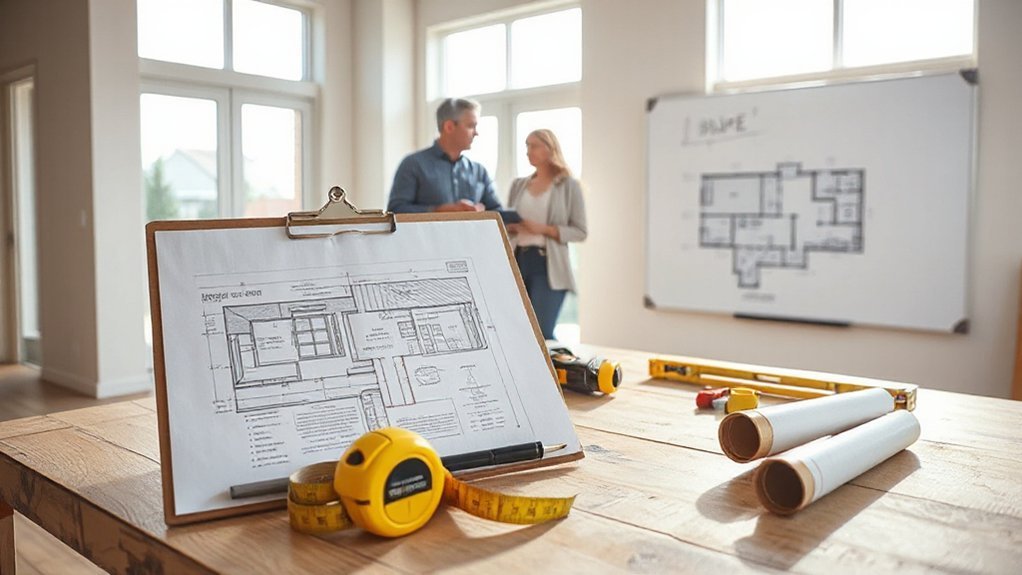
Defining the project scope and deliverables is your blueprint for success. You identify goals, constraints, and outcomes with exactness, so every stakeholder shares a clear vision.
Start with intent: what must be achieved, by when, and for whom. List deliverables, milestones, and acceptance criteria, then map dependencies and risks to prevent misunderstandings.
Clarify roles, responsibilities, and decision rights, ensuring you’re not chasing scope creep mid‑renovation. Tie scope to measurable quality standards, schedules, and communication cadences.
Integrate design inspiration and material selection early, so choices align with feasibility and budget. Document assumptions, exclusions, and change procedures, so adjustments stay controlled.
Finally, circulate a single, living scope document to foster belonging: everyone understands why decisions matter and how success will be demonstrated.
Plan the Budget: Cost Structure and Payment Milestones
To plan the budget effectively, map out the cost structure early and define payment milestones that align with project phases. You establish a transparent framework for cost estimation, breaking expenses into labor, materials, permits, contingencies, and overhead.
Detail how each category scales with scope changes, so you can forecast trends and avoid surprises. Create a clear payment schedule tied to completed milestones, aligning cash flow with work progression rather than calendar dates.
Specify retention, acceptance criteria, and procedures for scope drift, minimizing disputes. Document assumed quantities, unit costs, and escalation clauses to protect value.
Communicate boundaries and expectations upfront, so all parties share accountability. This disciplined approach fosters trust, reduces friction, and supports informed decisions throughout the renovation journey.
Map Permits, Timelines, and Inspections
You’ll want clear permit timelines and milestone dates from the start, so you can align approvals, scheduling, and contractor work.
We’ll review how you’ll track permit issued dates and anticipated inspections, plus the exact milestones you’ll need to hit to stay on schedule.
This creates a precise, actionable path for inspections and timeline adjustments as the project progresses.
Permit Timeline Clarity
Charting permit timelines starts with clear mapping of the required permits, realistic durations, and the inspection checkpoints that will govern your project. You’ll identify every permit type, the issuing authority, and the sequence that minimizes delays.
Track approval timelines by noting submission dates, anticipated review periods, and any typical bottlenecks a project may face. Create a single-source timeline you can share with your team, lenders, and the inspectorate, so everyone understands the path forward.
Include contingency buffers for weather, plan revisions, and administrative holds, but keep them tight to preserve momentum. Document required documents, responsible parties, and escalation steps if delays arise.
This clarity empowers you to hold conversations with confidence, align expectations, and stay aligned with your renovation goals. permit process, approval timelines.
Inspection Scheduling Milestones
How do you align permits, timelines, and inspections into a cohesive schedule? You map every step from map permits to final approvals, building a framework you can trust.
Begin with a master calendar that marks permit submission dates, expected review windows, and each inspection milestone. Define who’s responsible for each task, what documents you need, and how long decisions typically take in your jurisdiction.
Use milestone tracking to track progress: clock-in, clock-out, and review statuses, then adjust as realities shift. Build buffers for weather, revisions, or backlogs so delays don’t derail the project.
Communicate updates daily with your team and stakeholders, keeping everyone informed and accountable. This rhythm gives you certainty, belonging, and confidence through every phase of inspection scheduling.
Specify Quality Standards and Materials
To specify quality standards and materials, start by defining exact performance criteria and the acceptable product specs early in the project. You’ll establish clear thresholds for finish, load, moisture, and耐? No. Focus on tangible metrics: material durability, tolerances, and tested performance.
Request documentation for each item, including material data sheets, installation guidelines, and alignment with quality certification programs. Create a materials list with brands, grades, and applicable standards, and verify compatibility with structural and environmental requirements.
Tie selections to long-term reliability, maintenance cycles, and contractor capabilities. Seek a consensus on acceptable substitutions if suppliers falter, and document approval workflows.
Communicate expectations up front to foster belonging and accountability within the team, ensuring everyone understands rigor, traceability, and the rationale behind chosen materials.
Plan Changes, Disruptions, and Safety
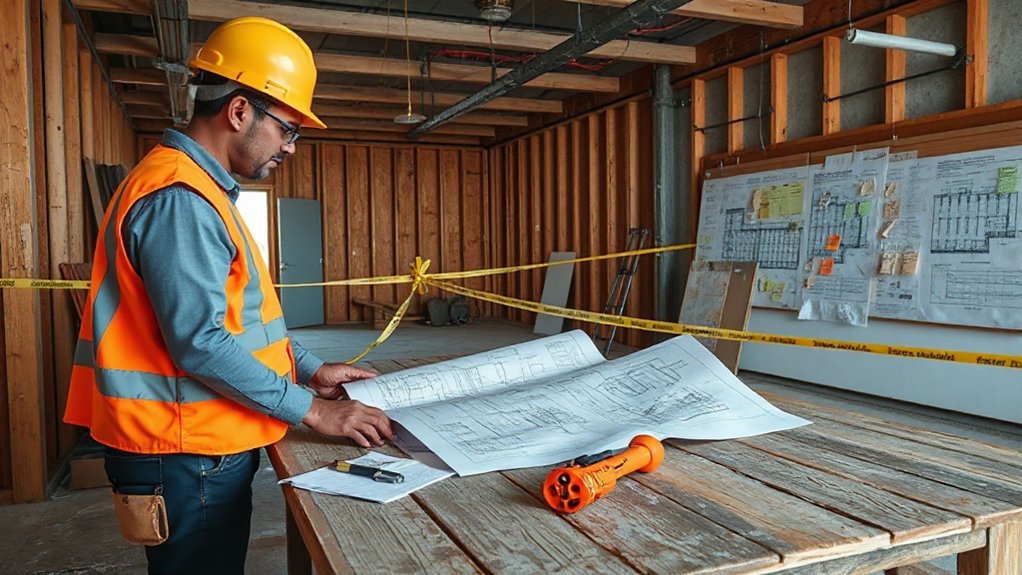
Plan changes, disruptions, and safety require a disciplined approach: outline potential change triggers, establish a formal change-control process, and identify safety implications before work begins.
You start by mapping triggers—design tweaks, permit issues, material shortages, or weather events—that could shift scope or schedule. Define who approves changes, how costs are tracked, and when a revision becomes official. Document a transparent change log and communicate promptly to all stakeholders.
Integrate a site safety plan that flags new hazards with control measures before activities resume. Prepare for unexpected delays by building buffers and revising milestones collaboratively.
Prioritize site safety through continuous monitoring, PPE compliance, and clear ingress/egress protocols. This disciplined framework protects people, preserves quality, and sustains trust with your project team.
Identify the Project Team and Establish Communication
You’ll identify the project team, confirm key players, and map their contacts to guarantee clear ownership.
Establish communication protocols that specify channels, frequency, and escalation paths, so everyone stays aligned.
Define roles and responsibilities precisely, so decisions and tasks have unmistakable accountability.
Identify Project Team
Who should you include on the project team, and how will you establish clear lines of communication from day one? You’ll assemble a core team and define roles early: architect or designer, licensed general contractor, specializing subcontractors as needed, and a project manager who ensures daily coordination.
Document responsibilities, decision milestones, and accountability for budget, schedule, and quality. Set up a single source of truth—one project app or platform for updates, drawings, change orders, and approvals.
Establish weekly check-ins with decisive agendas and concise notes. Emphasize transparency, timely responses, and mutual respect to foster team collaboration.
Prioritize contractor selection criteria that align with your goals, warranties, and safety standards. This clarity guarantees belonging and keeps everyone aligned toward the same outcome.
Establish Communication Protocols
To establish clear communication, assemble the project team and set up a single source of truth from day one. You define primary communication channels, designate a central platform, and verify access for all stakeholders.
Establish a predictable cadence with weekly updates and milestone check-ins, plus ad hoc alerts for urgent issues. Document preferred methods for various scenarios—design questions, change requests, and weather-related delays—so everyone knows where to post, reply, and reference.
Implement feedback procedures that welcome timely, constructive input, and guarantee responses occur within a defined window. Assign a point person for each topic, and archive decisions with rationale.
Regularly audit the system, simplify where possible, and reaffirm expectations at project milestones to foster trust and belonging among the team.
Define Roles and Responsibilities
Before any work begins, define the project team and assign clear roles and responsibilities. You’ll map key players, from the general contractor to licensed specialists, ensuring every task aligns with contractor credentials and project scope. Specify who leads daily updates, who approves changes, and who manages safety and quality checks. Establish a single point of contact for decisions to avoid ambiguity.
Create a communication rhythm: brief daily huddles, weekly summaries, and documented change orders. Clarify responsibility for permits, inspections, and warranty coverage considerations, so expectations stay protected.
Document escalation paths for delays or defects, with defined timelines for responses. Build accountability into contracts, including signatures that acknowledge duties, deliverables, and anticipated outcomes.
Involve the team early to foster trust, transparency, and collective ownership of success.
Identify Renovation Risks and Mitigation Strategies
Anticipating renovation risks is essential to keep your project on track and within budget. You’ll identify potential delays, cost overruns, and quality issues by mapping tasks to critical milestones and recognizing dependencies.
Prioritize risks by likelihood and impact, then craft concrete mitigation steps. For material sourcing, confirm lead times, supplier alternates, and storage needs to prevent shortages and waste.
Assess subcontractor reliability by reviewing past performance, licenses, insurance, and safety records, plus clear contract terms with holdbacks for milestones.
Build buffers into schedules and budgets for weather, permitting, and design changes. Establish a proactive communication rhythm with your builder, documenting decisions and changes.
Finally, align risk responses with your project vision, ensuring every choice supports quality, safety, and timely completion.
Define Success Metrics and Track Progress

Defining success metrics and tracking progress starts with concrete, measurable targets that align with your project vision. You set clear scope, budget, timeline, and quality benchmarks, then translate them into progress benchmarks and success indicators you can monitor weekly.
Begin with baselines: current costs, finish dates, and defect rates, then specify acceptable variance. Choose a handful of objective metrics—cost per square foot, schedule adherence, defect resolution time, and punch-list completion rate—that reflect your priorities.
Establish data collection processes, assign owners, and agree on review cadences. Use dashboards that visualize trends, not just numbers, so you feel confident and connected.
Regularly celebrate milestones, discuss deviations honestly, and adjust plans collaboratively. This disciplined rhythm builds belonging and keeps your renovation on track.
Frequently Asked Questions
How Will Subcontractor Qualifications Be Verified and Logged?
You verify subcontractor qualifications by checking Subcontractor credentials and documenting Verification procedures, including licenses, insurance, and safety records, then log results in a centralized system accessible to your team, with regular audits and clear retention timelines.
What Is the Process for Handling Design Changes After Breaking Ground?
Design changes during demolition, dash through, document, decide, and notify diligently. You’ll formalize variances, preserve permits, and reapprove schedules. Material selection stays prioritized; energy efficiency endures. You’ll coordinate with contractors, communicate clearly, and cultivate confident, collaborative, belonging-friendly progress.
How Will Warranty Coverage Be Documented and Claims Processed?
Warranty documentation outlines coverage details, timelines, and required proof, while the claims process guides you through submitting requests, tracking status, and receiving approvals. You’ll feel secure knowing both steps are clear, accessible, and supported by transparent, collaborative communication.
What Are the Lien Waiver Practices and Timing During Payments?
You should know lien waiver timing aligns with your payment schedule; expect lien release upon each rendered payment, preventing claims. You’ll track milestones, coordinate paperwork, and feel secure, connected, and confident as protections smoothly synchronize with project progress.
How Will Site Access and Work Hour Restrictions Be Enforced?
Site access is enforced through clearly posted hours, with strict supervision and signed waivers; access discipline guarantees site safety and permit requirements are met, minimizing disruption. You’ll feel confident—belonging to a well-run project that respects boundaries.
Conclusion
By now you’ve outlined scope, budget, permits, timelines, quality, and risk—so you’re ready to choose confidently. Imagine a hypothetical kitchen renovation: you lock in a clear deliverable list, set milestones, confirm permits, and define material standards with a detailed warranty. When a snag arises, you flip to your mitigation plan, reassess costs, and adjust timelines without losing control. This disciplined approach keeps the project steady, transparent, and aligned with your goals from start to finish.
About the Author