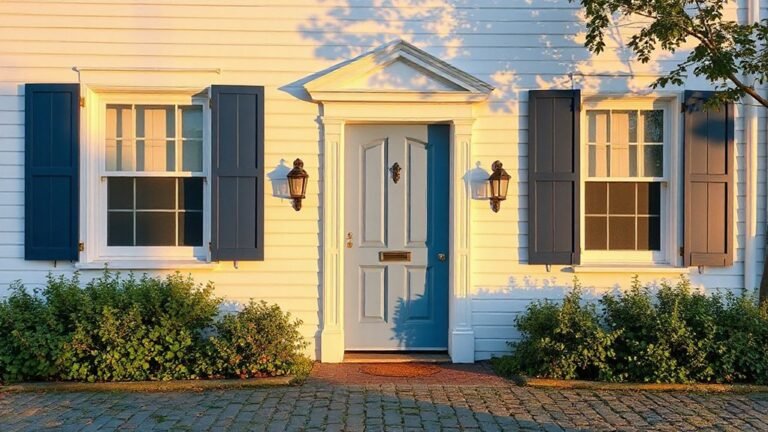
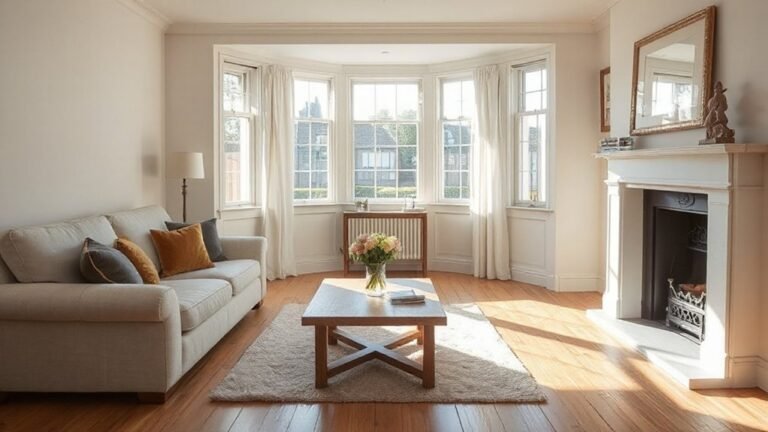
Take, for example, a Birmingham suburb home with tired cabinets but solid bones; a fresh coat of paint and updated fixtures can add noticeable value without breaking the bank. You’ll want to prioritize kitchens and baths, improve curb appeal, and plan for energy efficiency to attract modern buyers. There’s more to align—timelines, permits, costs, and long-term upkeep—to guarantee your project stands out. Want to map a practical path that fits your budget and goals?
What Makes Birmingham Suburbs Ripe for Renovation?
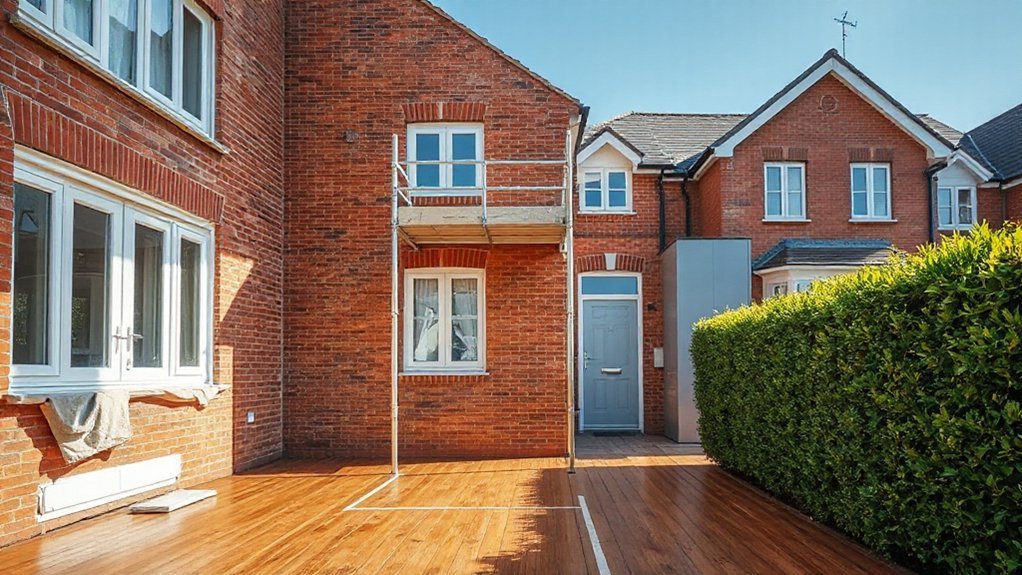
Birmingham’s suburbs present a compelling case for renovation because they combine rising demand with accessible inventory. You’ll find modest entry prices relative to the city core and solid rental yields, supported by steady population growth and improved transportation links.
Historic preservation matters here, guiding updates that retain character while upgrading systems, kitchens, and baths for modern living. You’re not chasing speculative flips; you’re aligning with demand from first-time buyers and long-term renters seeking neighborhood amenities.
Data shows larger lot sizes enable value-enhancing extensions, and outdoor landscaping can boost curb appeal and energy efficiency. Renovation cycles are shortening as lender appetite tightens, so you can plan phased improvements.
Finding Value in Birmingham Suburb Renovations
You can spot value in Birmingham suburb renovations by weighing suburban value drivers against renovation ROI insights.
Data shows steady demand for upgraded homes in these areas, with ROI often driven by kitchen, bath, and energy-efficiency improvements.
As trends shift, prioritize projects that boost livability, curb appeal, and long-term resale potential.
Suburban Value Drivers
What factors matter most when evaluating value in Birmingham suburb renovations? You look for durable fundamentals that translate into resale and livability. Begin with price per square foot trends in your target neighborhoods, then compare project costs to expected value gains driven by market demand.
Community amenities increasingly shape value, as access to parks, schools, dining, and transit boosts appeal and occupancy stability. Local zoning guidelines directly constrain expansion options and future density, so confirm setbacks, height limits, and permitted uses before committing.
Track builder quality, materials durability, and energy-efficiency upgrades, which shorten payback periods. Analyze turnover rates and time-on-market for refreshed listings versus renovations-only comps.
Finally, calibrate expectations against macro signals like interest rates, supply, and population growth to gauge lasting suburban value.
Renovation ROI Insights
Are renovation ROI números showing steady gains in Birmingham suburbs? You’ll find value hinges on thoughtful project mix and market timing. Data suggests kitchens and baths still drive value, but ROI varies by neighborhood and existing home condition.
In suburbs with aging stock, historic preservation can release premium buyers seeking character, often with favorable tax or grant considerations, boosting resale delta.
Landscaping enhancements matter more than you might expect, enhancing curb appeal and reducing time on market in competitive markets.
Focus on mid-range updates that align with local buyer preferences—durability, low maintenance, and energy efficiency.
Track local comps quarterly, calibrate budgets to avoid over-improvement, and prioritize projects with demonstrable, measurable impact on price per square foot.
Stay data-driven, and align ROI with buyer sentiment rather than chasing every trend.
Renovation by Budget: Best Project Types for Birmingham Suburbs

If you’re renovating on a budget in Birmingham’s suburbs, starting with high-impact, low-cost projects can maximize value without derailing timelines. Focus on projects with documented ROI and quick turnaround, like cosmetic updates and space-efficient fixes.
Target budget types that yield noticeable improvements: refresh paint and hardware, curb appeal tweaks, and smart storage solutions. In suburbs with aging stock, prioritizing energy-efficient upgrades can reduce operating costs and appeal to buyers.
Outdoor landscaping and lighting often deliver strong first impressions without heavy investment, while interior decor choices set the tone for perceived value. Use data on local sale prices to guide scope, and sequence tasks to minimize disruption.
Track costs against benchmarks, adjusting for neighborhood trends and seasonality to stay on plan.
Designing for Resale: Rooms That Boost Value
Upgrading key rooms can lift resale value, with bright, efficient kitchens offering the strongest ROI and faster sales in Birmingham’s suburbs.
A master ensuite still drives offers, so prioritize quality finishes and clean layouts to boost perceived value.
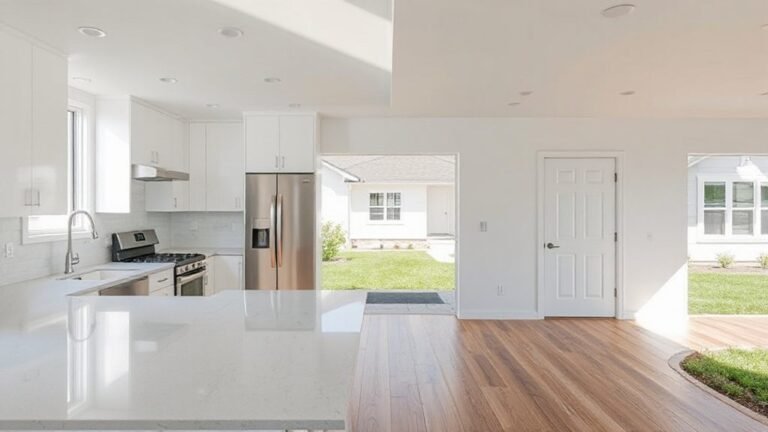
Emphasize open-plan living to align with current trends, ensuring flexibility for future buyers.
Kitchen Lightening Value
Kitchens that read as bright, efficient spaces boost resale value, and lighting is a decisive lever: layered illumination enhances perceived size, highlights quality finishes, and reduces energy costs. In practice, you’ll pair ambient ceiling lights with task lighting over counters and sinks to eliminate shadows during meal prep.
Choose dimmable LEDs to control mood and billings, aligning with current energy benchmarks. Accent lighting should spotlight architectural details and premium surfaces, reinforcing kitchen aesthetics without clutter.
Prioritize color temperature around 3000K–4000K for warmth plus clarity, which buyers favor in open-plan layouts. Confirm lighting fixtures are proportional to cabinets and ceiling height, maintaining clean sightlines.
This approach communicates value, efficiency, and modern design, driving buyer confidence and perceived quality without overwhelming the space.
Master Ensuite Appeal
Quiet, spa-like master ensuites are a top resale lever, especially in Birmingham’s suburbs where buyers expect calm, efficient retreat spaces. You’ll gain value by prioritizing a cohesive palette, moisture-rated finishes, and efficient layouts that maximize shower and storage without crowding the room.
Data shows en-suite upgrades yield strong ROI when the design emphasizes calm, low-maintenance surfaces and timeless hardware. Invest in spa-inspired features like rainfall showers, heated floors, and timed ventilation to enhance daily appeal and reduce buyer friction.
Pair luxury fixtures with smart controls for lighting, water use, and temperature comfort to signal modern living. Avoid over-saturation; a restrained, high-quality selection outperforms cluttered decors.
Prioritize durable materials and consistent detailing to sustain value as market preferences shift.
Open Plan Flexibility
Open plan flexibility translates to higher resale, because buyers prize adaptable spaces that feel bigger and more functional. In Birmingham’s suburbs, you’ll see demand for open space that doubles as dining, living, and work areas, with natural light and sightlines intact.
An adaptable layout reduces walls and corridors, boosting perceived square footage and usability without major structural work. Prioritize a central hub: kitchen to living, with clear zones for seating, study, and storage.
Consider movable partitions or furniture-based boundaries to preserve flow while accommodating future needs. Data shows homes with flexible layouts sell faster and at a premium, especially when white walls and consistent flooring unify zones.
Target multi-use rooms, built-in storage, and scalable lighting to future-proof for evolving buyer lifestyles.
Planning and Risk Management: Timelines, Permits, Cost Controls
Planning and risk management set the pace for a Birmingham suburb renovation by aligning timelines with permits, budgeting, and risk buffers. You map a realistic schedule using historical completion rates and seasonality, then lock in milestones for design, approvals, and build phases.
Timely permit intake reduces delays, so you track submission timelines, inspector windows, and contingency buffers to keep decisions fast.
For cost controls, you establish a target budget, quantity takeoffs, and change-order thresholds that force scope discipline. Define project scope clearly upfront to avoid scope creep, and document assumptions for each phase.
Contractor selection becomes a risk lever: compare bids, verify licenses, and assess track records for on-time delivery.
Regular progress reviews translate data into adjustments, shielding you from overruns and missed deadlines.
Financing Suburban Renovations: Options and Risk Mitigation
Financing suburban renovations hinges on choosing the right mix of funding and risk tools to keep projects on track. You’ll weigh loan types, terms, and timing against project scope and market cycles.
Mortgage refinancing can lower monthly costs if equity has grown, freeing cash without new debt layers, but look for fees and rate locks that fit your timeline. Consider renovation grants where available, particularly for energy upgrades or universal design, to reduce out-of-pocket exposure.
Pair these with contingency reserves—typically 10–15% of project cost—to absorb price shifts or unexpected work. Use a draw schedule tied to completed milestones and independent inspections to curb overruns.
Track regional price indices and permit delays, adjusting financing as milestones shift. Maintain transparent lender communication to preserve favorable terms throughout.
Frequently Asked Questions
How Do Local Zoning Laws Affect Renovation Scope in Birmingham Suburbs?
Zoning restrictions shape your renovation scope by defining allowable additions, setbacks, and uses, while permit requirements guarantee inspections and compliance. You’ll need to verify local codes, apply early, and factor timelines and costs into your project plan.
Which Overlooked Neighborhoods Offer the Strongest Resale Uplift After Reno?
You’ll find overlooked neighborhoods with strong resale uplift after reno, especially where historic charm meets modern upgrades. Expect data-backed trends showing demand climbs when you preserve historic charm while integrating modern upgrades, boosting sale prices and speed to market.
What Insurance Gaps Should Buyers Expect During Suburban Renovations?
“Every cloud has a silver lining.” You should expect gaps in insurance coverage and liability concerns during suburban renovations; verify coverage limits, add riders, and document contractor policies to avoid surprises and protect your investment.
How Can Buyer-Led Renovations Minimize Disruption to Tenants or Neighbors?
You minimize disruption by proactive tenant communication and strict noise mitigation practices, scheduling work during acceptable hours, sharing timelines, and offering compensation or incentives; data shows clearer updates reduce complaints, while protecting neighbors preserves goodwill and accelerates project approvals.
What Seasonal Timing Optimizes Contractor Availability in Birmingham Suburbs?
Seasonal scheduling optimizes contractor availability in Birmingham suburbs, especially spring and early summer. You’ll see higher availability then, with slower slots in winter. Plan midweek starts and buffer weeks to maximize contractor availability while controlling project timelines.
Conclusion
You’re steering toward value, not vanity. Think of your renovation as a well-timed spark plug: small, strategic upgrades—paint, lighting, efficient appliances—fuel big appeal. In Birmingham’s suburbs, kitchens and baths sell futures; open layouts and durable materials cut maintenance headaches. Track costs, lock permits, and pace milestones like a measured drumbeat. With careful budgeting and curb-appeal boosts, you’ll attract quality buyers or tenants, delivering a stylish, low-risk return that ages like fine architecture.
About the Author