To improve energy efficiency in Cardiff properties, you should start with solid data: map your energy use, identify quick wins like sealing drafts, LED lighting, and insulation in accessible areas, then layer in tariff-aware heating controls and airtight envelope upgrades. Prioritize building fabric and smart, efficient heat sources, backed by monitoring to prove savings. You’ll gain comfort and reliability, plus a clear path to funding—but the next steps still demand careful planning and timing.
Why Cardiff Energy Efficiency Feels Tough (And How To Fix It)
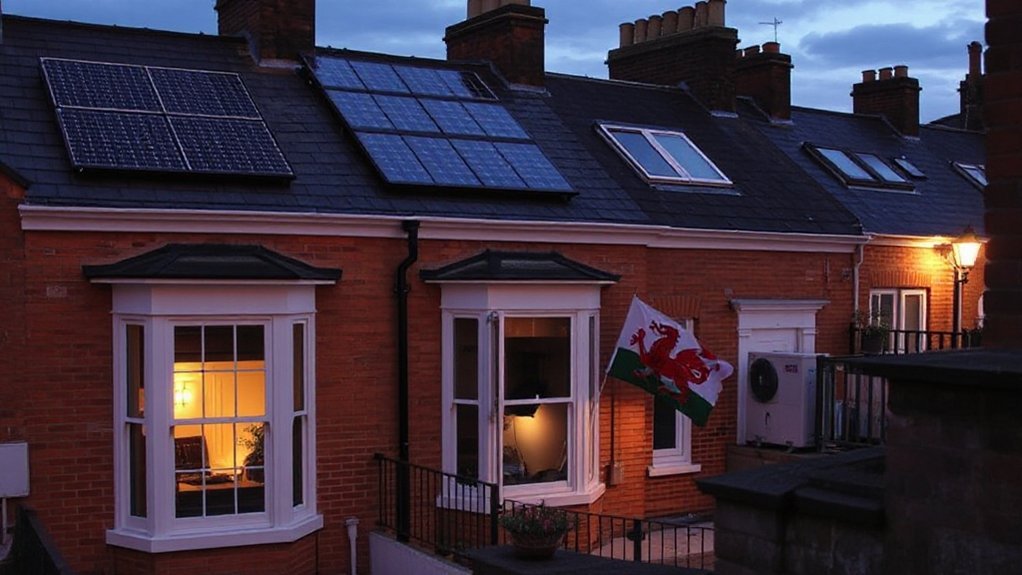
Low-energy bills in Cardiff often feel stubborn because energy use isn’t just about one appliance—it’s a system issue. You’ll see the friction when you map consumption across heating, lighting, and standby loads, then connect those patterns to real data.
The barrier isn’t a single fix; it’s fragmented practices and mixed building stock. To move from frustration to traction, start with a baseline: set a sensible metering plan, track daily usage, and flag spikes that signal inefficiency.
Prioritize upgrades that yield high returns per pound, like insulation, seals, and heat pumps where viable. Align actions with renewable integration goals and the local energy policy framework, so you tap incentives and avoid policy pitfalls.
With disciplined measurement, you convert rough energy savings into repeatable improvements.
Quick Wins For Cardiff Homes This Month
Kick off with a quick home energy check to identify the biggest ongoing waste and prioritize fixes with the highest ROI.
Seal drafts and gaps now, since effective sealing often saves more energy per pound spent than any single upgrade.
Then insulate accessible spaces and set a goal to reduce monthly energy use by a measurable amount.
Quick Home Energy Check
Need a quick win? A Quick Home Energy Check helps you spot obvious savings fast. Start with a simple energy audit mindset: track your power usage for a week using your utility app or smart meter. Note peak hours, appliances with high consumption, and any gaps between bills and real usage.
Focus on actionable tweaks: turn off devices on standby, replace incandescent bulbs with LEDs, and adjust thermostats by a degree or two. Record each change and compare weekly totals to baseline.
Use data to prioritize improvements that deliver the biggest return, like timing hot water or charging devices during off-peak periods. This proactive approach builds a data-driven plan you can scale across Cardiff properties.
Seal, Insulate, Save Energy
Seal and insulate your Cardiff home this month to cut energy waste fast. You’ll see quick gains by sealing drafts in obvious spots—around doors, windows, and attic hatches—where heat leaks most often. Measure current gaps with a candle test or weatherstripping kit, then apply draft stoppers and weather-stripping to existing frames.
For insulation, focus on insulating walls if you have uninsulated cavities or thin plaster; consider wall insulation if it’s feasible with your property type. Prioritize cost-effective options like mineral wool or foam boards, and verify installations meet building regulations.
Track impact by comparing monthly bills before and after improvements. Sealing drafts and insulating walls are your first moves toward lower energy bills and a warmer home this season.
Warmer Homes: Insulation And Airtightness That Work In Cardiff
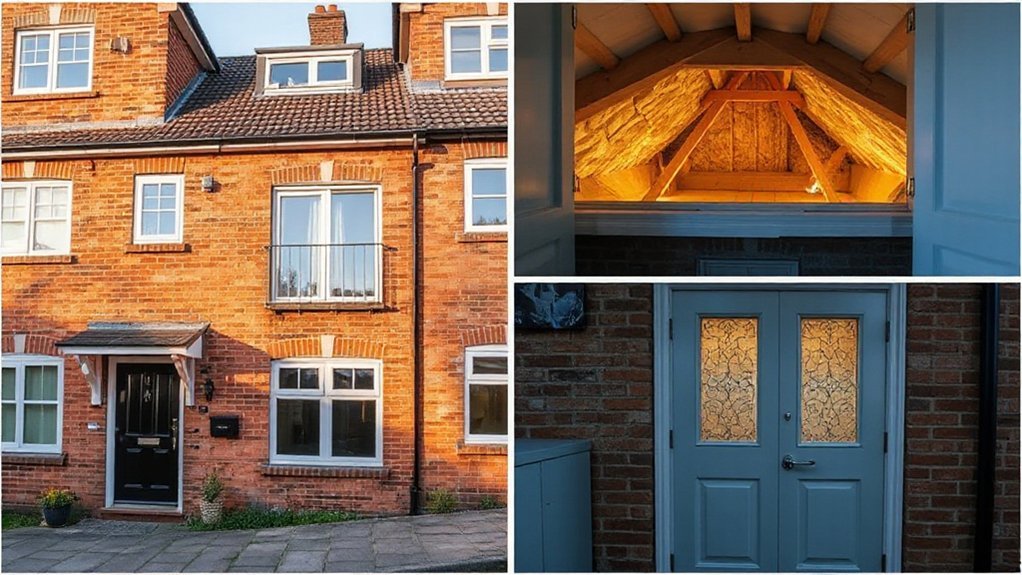
In Cardiff, you’ll see real gains from solid insulation and controlled airtightness, with measurements showing reduced heat loss and lower heating loads.
Prioritize proven materials and airtightness strategies that suit local climates and building types, then track performance with simple energy data.
This discussion focuses on insulation effectiveness and airtightness for warmer homes, and how to apply these insights quickly and reliably.
Insulation Effectiveness In Cardiff
Insulation effectiveness in Cardiff hinges on limiting heat loss through walls, roofs, and floors, so you should start by evaluating your property’s most vulnerable edges and prioritizing upgrades accordingly. You’ll boost performance by pairing proven insulation materials with sound installation techniques, focusing on gaps, cracks, and junctions first.
Measure current U-values if possible, then target retrofit options with documented heat-saving potential and payback timelines. For walls, consider dense-pack or blown-in fills where cavities exist, and for roofs, prioritize loft insulation depth and airtight laps.
Floors over unheated spaces benefit from underfloor insulation. Track progress with simple energy readings after each step, and align upgrades with local building codes and grant options. Data-driven choices reduce wasted effort and maximize comfort.
Airtightness For Warmer Homes
To keep Cardiff homes warmer, airtightness should be your next priority after insulation upgrades, because air leakage drives most heat loss. You’ll reduce drafts and cut heating demand by targeting gaps around doors, windows, and services.
Start with a professional airtightness assessment to identify leaks and quantify the improvement potential using a blower door test or equivalent.
Prioritize continuous, well-sealed barriers: taped joints, properly insulated loft hatch seals, and gaps around plumbing and electrical penetrations.
Choose mechanical ventilation with heat recovery where appropriate to balance fresh air and heat retention.
Airtightness benefits include lower energy bills, steadier indoor temperatures, and longer appliance life.
Focus on energy leak prevention during renovations or retrofits to maximize overall efficiency and comfort.
Cardiff-Style Heating And Cooling: Practical Strategies
Have you considered how Cardiff’s unique climate shapes your heating and cooling needs? In practice, you’ll balance occupancy patterns, outdoor temps, and humidity to sustain thermal comfort without wasting energy.
Prioritize zone control: target rooms you use most, with thermostats that learn your routines and adjust proactively.
Use a well-insulated, well-sealed envelope to reduce heat loss in winter and cool rushes in summer, then fine-tune ventilation to maintain air quality without drafts.
Favor energy-efficient heat sources aligned with climate adaptation goals—consider heat pumps for moderate winters and lower-carbon performance, supplemented by passive strategies like shading and solar gain optimization.
Monitor monthly energy data, set measurable targets, and iterate based on performance to keep comfort, cost, and sustainability aligned.
Smart Tech And Low-Cost Retrofits That Save Money

Smart tech and low-cost retrofits deliver tangible savings without upgrading your whole system. You can start by installing smart thermostats to optimize heating schedules, cutting standby losses and preventing overshoot during mild Cardiff days. Pair them with occupancy awareness to avoid heating empty rooms, which steadily lowers bills.
Add simple energy monitoring to track real-time usage and identify wastage hotspots—like phantom loads on rarely used devices. Implement LED lighting with dimming where appropriate, and use smart plugs to shut off idle equipment automatically.
Seal obvious air leaks and insulate pipes in accessible areas; these steps reduce demand without major investments. Keep targets modest and measure results monthly to verify progressive, compounding savings.
Funding Cardiff Upgrades: Grants, Loans, And Local Help
Cardiff upgrades can be accelerated with targeted funding streams. You’ll find a mix of grants, loans, and local assistance designed to reduce upfront costs and shorten payback periods.
Start with clear project scopes: address insulation, heating, and renewable options, then map potential savings to funding opportunities.
Community outreach matters; engage residents early to build demand, identify priority homes, and align with council programs.
Look for grants that cover energy audits, retrofit measures, and low-interest loans for homeowners and landlords.
Compare terms, eligibility, and timelines, then layer financing to minimize out-of-pocket risk.
Track performance post-install with simple metrics to demonstrate value to funders.
Document energy gains, occupancy comfort, and system reliability to sustain ongoing support for future upgrades.
Frequently Asked Questions
How Can I Compare Energy Suppliers for Cardiff Homes?
To compare energy suppliers for Cardiff homes, research Renewable options, then run Pricing comparison across providers, using your usage data. You’ll compare unit rates, standing charges, tariffs, and green options, track quarterly changes, and switch confidently when favorable.
What Grants Cover Boiler Replacement Specifically in Cardiff?
Boiler grants exist through Cardiff funding programs; you should check with local authorities and energy companies for current schemes. Look for eligibility, upfront costs covered, and required quotes. Apply promptly to maximize potential subsidies and minimize replacement costs.
Do Listed Buildings Restrict Energy Efficiency Improvements?
Yes, listed buildings restrict certain changes. You’ll face heritage conservation rules and structural limitations, but you can still pursue targeted upgrades, like insulation, smart controls, and energy-efficient systems, guided by surveys and compliant planning guidance. Plan methodically, act decisively.
How Does Cardiff’s Climate Affect Insulation Choices?
Cardiff’s temperate maritime climate means you’ll prioritize moisture-resistant insulation and vapor barriers. Climate impact requires selecting insulation materials with low moisture risk and high thermal performance, especially in walls and roofs. Measure, compare U-values, and install accordingly.
Are There Local Energy Efficiency Challenges for Renters?
Yes—rental energy challenges exist: you’ll face limited control, landlord approvals, and retrofit delays. Focus on practical steps: document issues, request tenant improvements, leverage energy audits, prioritize cost-effective upgrades, and track savings to justify investments and compliance.
Conclusion
If you map the data, you’ll see where the biggest savings live and what to fix first. Start with sealing gaps, boosting insulation, and switching to LEDs, then layer smart controls and efficient heat sources. Track energy use month to month and adjust. It’s a marathon, not a sprint—lighthouse behavior beats blind pump. Remember: a penny saved is a penny earned, and steady, measured wins compound into real comfort and lower bills.
About the Author