Did you know a typical Glasgow home loses up to a third of its heat through the roof and gaps? You can cut bills with a practical mix of insulation, draft-proofing, and smart controls, then layer in efficient appliances and lighting. It’s a data-driven path, but the real gains come from consistent upgrades and local programs that support cost savings and transparency. Ready to explore which step to start with first?
Cut Glasgow Heating Bills With Smart Thermostats and Zonal Controls
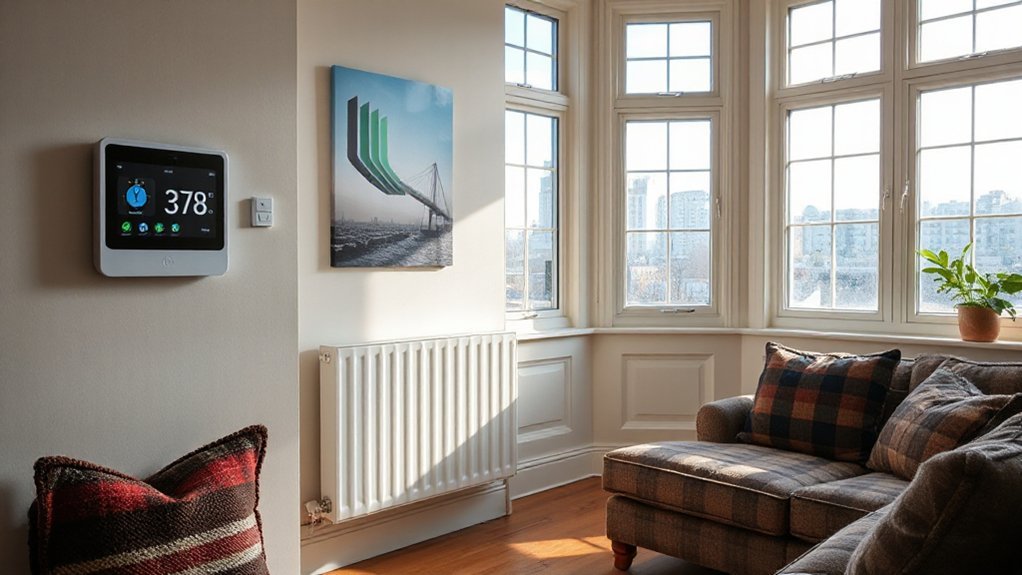
Smart thermostats and zonal controls can sharply cut Glasgow heating bills by tailoring warmth to the rooms you actually use. With a smart thermostat, you set schedules that reflect your daily rhythm, reducing wasted heat when you’re out or asleep.
Zonal heating systems let you divide your home into areas and heat only where needed, so empty rooms no longer drain energy. You’ll see clearer data on consumption, helping you compare peak usage against comfort.
This approach supports a practical, cost-focused mindset: lower bill totals, faster payback, and measurable comfort improvements. Smart thermostat benefits include adaptive learning and remote adjustments, while zonal controls maximize efficiency without sacrificing convenience.
Embrace these tools to belong to a community that values smart, efficient living.
Insulation Upgrades for Scotland: Loft, Cavity, and Walls on a Budget
Start with a quick budget check for loft insulation. Then compare costs and payback for different thicknesses and materials.
Cavity wall upgrades can reduce heat loss dramatically, so map out install steps and typical timelines to minimize disruption.
We’ll also compare efficient wall techniques to fit Scotland’s climate and your budget, using real-world data to guide choices.
Loft Insulation Budgeting
Insulating your loft is usually the most cost-effective upgrade you can make for a Scots home, delivering quick payback and lower heating bills.
To budget effectively, start with a clear scope: calculate target thickness for your existing roof, then layer in installation cost ranges for common insulation materials.
Prioritize bulk purchases or seasonal discounts to trim costs, and compare quotes from at least three installers to avoid overspending.
Include staples like licensing, disposal, and any required air barriers to prevent hidden charges.
Factor in potential energy savings over 5–10 years to gauge return on investment.
Document all costs, timelines, and warranties, then review annually.
Budget planning hinges on transparent, data-driven estimates, so you remain confident in selections and progress.
Cavity Wall Upgrades
Cavity wall upgrades deliver a fast, cost-effective way to cut heat loss in Scottish homes, especially when budgets are tight. You’ll reduce energy waste by addressing external and internal gaps, with careful attention to wall cavity materials chosen for climate resilience.
Previously uninsulated cavities often drive thermal bridging between exterior brickwork and interior spaces, creating cold spots and higher bills. By filling the cavity with approved insulation and sealing drafts, you gain measurable comfort and consistent indoor temperatures.
Choose materials with proven performance in Scotland’s damp, windy conditions, and verify installation aligns with manufacturer guidelines and building codes. Budget-conscious choices include solid-wall alternatives only where appropriate; otherwise, you maximize savings through staged upgrades, routine checks, and a quality workmanship guarantee for lasting efficiency.
Efficient Wall Techniques
Efficient wall techniques focus on high-impact, budget-friendly insulation upgrades for Scotland’s homes, targeting external and internal walls to reduce heat loss without overhauling structures.
You’ll prioritize wall insulation that fits your home’s constraints and budget, balancing cost with long-term savings. External insulating boards or cladding can cut drafts without major disruption, while internal methods like rigid foam or mineral wool within wall cavities complement existing layouts.
Consider thermal mass effects; modest gains come from materials that store heat during the day and release it when it’s cooler, stabilizing rooms. Combine air-sealing measures with improved wall insulation to minimize heat escape.
Choose proven products, get local quotes, and track performance to feel confident about your home’s comfort and energy bills.
Seal Gaps, Draughts, and Doors: Draft-Proof Your Home
You’ll start by sealing obvious gaps around windows and doors, then address draughts at joints with weatherstripping and door sweeps.
This approach cuts heat loss by up to a measurable percentage and reduces cold spots in high-traffic areas.
We’ll compare cost-effective options and highlight quick wins you can implement this weekend.
Seal Gaps Effectively
Sealing gaps is one of the quickest, most cost-effective ways to cut energy waste in Glasgow homes. You’ll reduce drafts at windows, doors, and attic hatches, which directly lowers heating loads and bills.
Start by identifying persistent leaks with simple visual checks and a lit candle at night. For windows, prioritize window insulation upgrades and targeted weatherstripping techniques to seal moving parts without restricting usability. Use transparent sealant where gaps are wide and flexible foam for irregular spaces, ensuring a clean finish.
Don’t ignore electrical outlets or pipe penetrations; use foam gaskets or sealant as needed. After sealing, recheck with a breeze test.
Consistency matters: maintain seals seasonally, and your comfort and costs will reflect the improvement.
Draft-Proof Doors Techniques
Draft-proofing doors is a straightforward, high-impact step you can take to stop warm air from slipping out and cold air from sneaking in. To start, assess door gaps at the bottom, sides, and top; common culprits include floor cracks and frame misalignment.
Use door insulation to curb persistent drafts, and apply weather stripping where joints show movement. Choose compression strips for uneven gaps and door sweeps for bottom spaces; both reduce heat loss without sacrificing easy entry.
Measure door thickness and frame clearance to select compliant weather stripping and guarantee a snug seal. Regularly check hinges and latch alignment, since misfits create new gaps.
These practical tweaks cut energy waste, boost comfort, and reinforce a sense of belonging in your Glasgow home.
Efficient Appliances and Lighting for Glasgow Homes
Upgrading to energy-efficient appliances and lighting is one of the quickest ways to cut bills in Glasgow homes, since modern models use far less electricity and heat. You’ll notice immediate savings when you replace old fridges, washers, and TVs with Energy Star or similar rated options.
Choose smart lighting that adapts to occupancy and daylight, helping you trim after-dark usage without sacrificing comfort. When shopping, compare annual energy costs, not just upfront price, and look for longer warranties to protect your investment.
Seal gaps around outlets and light fixtures to maximize performance. Pair efficient devices with practical usage habits, like full loads and lower thermostats.
Smart choices today translate into ongoing comfort, predictable bills, and a stronger sense of belonging in your community.
Choosing Heating Technology: Heat Pumps, District Heating, and Scotland Grants
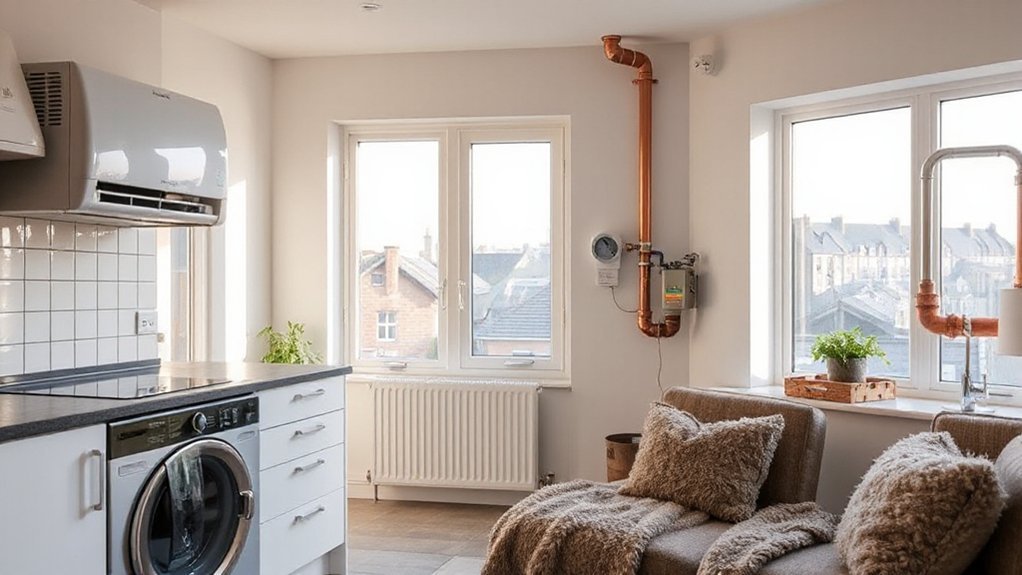
Choosing heating technology in Glasgow means weighing heat pumps, district heating, and available Scotland grants against your home’s needs and upfront costs.
You’ll compare operating costs, maintenance needs, and warmth consistency to pick a dependable option. Heat pumps offer high efficiency and flexible siting, but require good insulation and modest electrical capacity.
District heating can reduce carbon at scale and may come with stable bills, yet depends on local infrastructure.
Scotland grants, including government incentives, can offset upfront investments and shorten payback periods.
Consider renewable options that align with your home’s fabric and occupancy patterns. Run a simple cost–benefit, factoring long-term savings and climate impact.
Your choice supports community resilience, affordability, and a smoother progression to cleaner heating.
Work With Local Programs and Suppliers to Save on Energy
Working with local programs and trusted suppliers helps you cut energy costs beyond what you can achieve on your own. In Glasgow, these partnerships translate into practical savings, clearer guidance, and faster program access.
Local initiatives often bundle audits, insulation upgrades, and heating reviews, with prices that reflect community scale. When you engage suppliers aligned with community goals, you gain transparent pricing, reliable installation, and timely maintenance support.
Trackable outcomes matter: compare pre- and post-install performance, billing shifts, and grant offsets. Look for community partnerships that emphasize local jobs and long-term throughput.
Renewable initiatives, funded or subsidized, can accelerate decarbonization while keeping bills predictable. You’ll feel supported, informed, and connected, reinforcing a sense of belonging as your home becomes more efficient.
Frequently Asked Questions
How Will Energy Efficiency Upgrades Affect Home Resale Value in Glasgow?
Upgrades raise resale value in Glasgow, as buyers prefer lower bills and modern efficiency. You’ll add Renewable energy options and reduce your Carbon footprint, which appeals to practical buyers seeking belonging, data-backed benefits, and predictable long-term savings.
Are There Risks With Smart Thermostats for Multi-Zone Homes?
Smart thermostat risks for multi zone homes exist, but you can manage them with proper zoning, clear setpoints, and robust internet security. You’ll gain smoother control, lower energy, and a sense of belonging through consistent comfort across zones.
Can Tenants Benefit From Glasgow Energy Grants and Who Pays?
You can benefit from energy grants if you meet energy grant eligibility, and costs often hinge on landlord responsibilities. It’s a practical, data-driven path; you’ll belong by collaborating with your landlord to maximize support and share the load.
What Maintenance Is Required After Insulation Improvements?
After insulation improvements, you should check roof ventilation and guarantee pipe insulation remains intact; monitor for condensation and drafts, and reseal as needed. Regularly inspect joints, vents, and ducts to sustain energy savings and comfort.
Which Insulation Choices Have the Best Payback in Glasgow Climates?
Did you know 40% of heat escapes through ceilings in Glasgow homes? You’ll find fibrous insulation offers strong payback for climate, with durable insulation durability and solid thermal performance, helping you feel part of a tight, efficient community.
Conclusion
You can cut bills and boost comfort by pairing loft and cavity insulation with draft-proofing, then flexing comfort with smart thermostats and zonal controls. Choose energy-efficient appliances and LEDs, and consider heat pumps or district heating if suitable. Tap into local programs and trusted suppliers for grants and guidance. Monitor savings over time to refine every choice. It’s like tuning a high-performance engine—small, precise adjustments yield the biggest gains.
About the Author