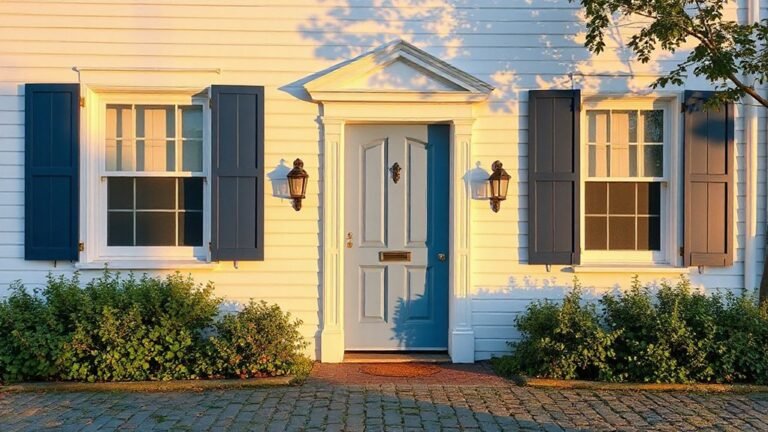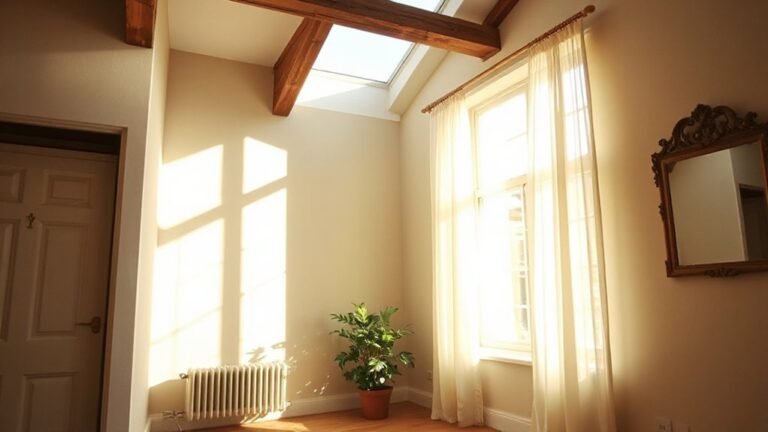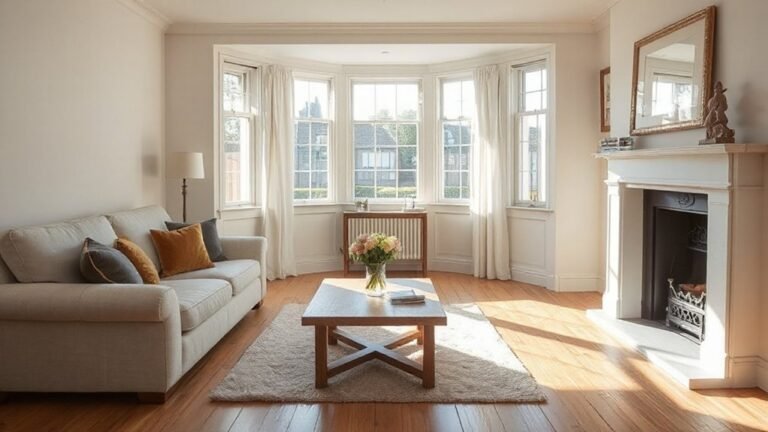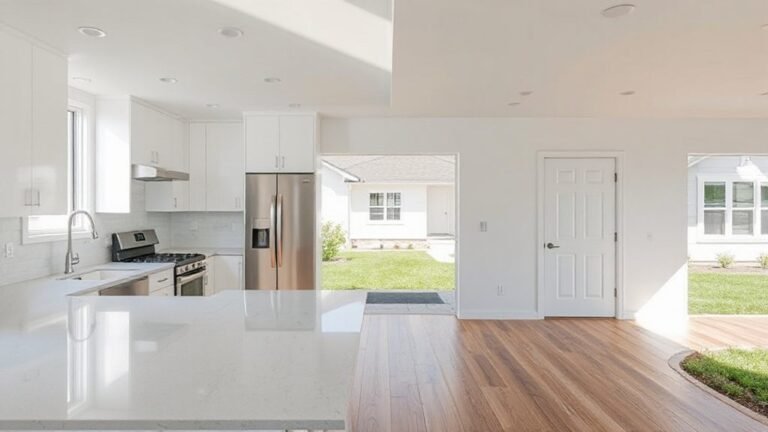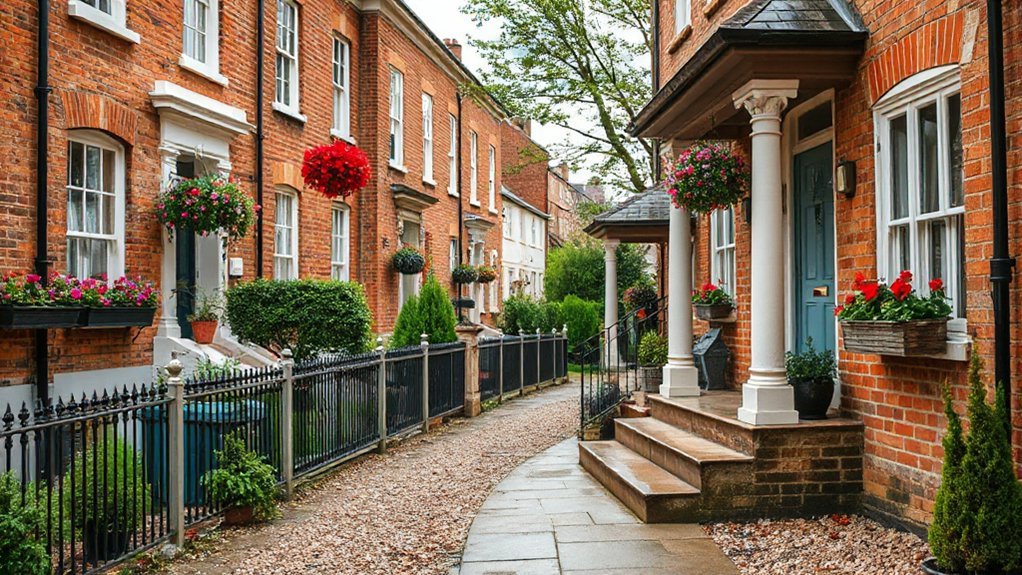
Start by prioritizing form, function, and context: preserve original features, use compatible materials, and choose period-appropriate colors that subtly highlight details. You’ll balance heritage with practicality, applying quick, low-cost tweaks like tidy borders and seasonal planting while planning longer-term updates that respect local character. Energy improvements should be thoughtful, not flashy, so you save on bills without losing the street’s character. If you want a cohesive, inviting look that lasts, the next steps matter more than quick fixes.
Understand the Heritage Vision for Older UK Streets
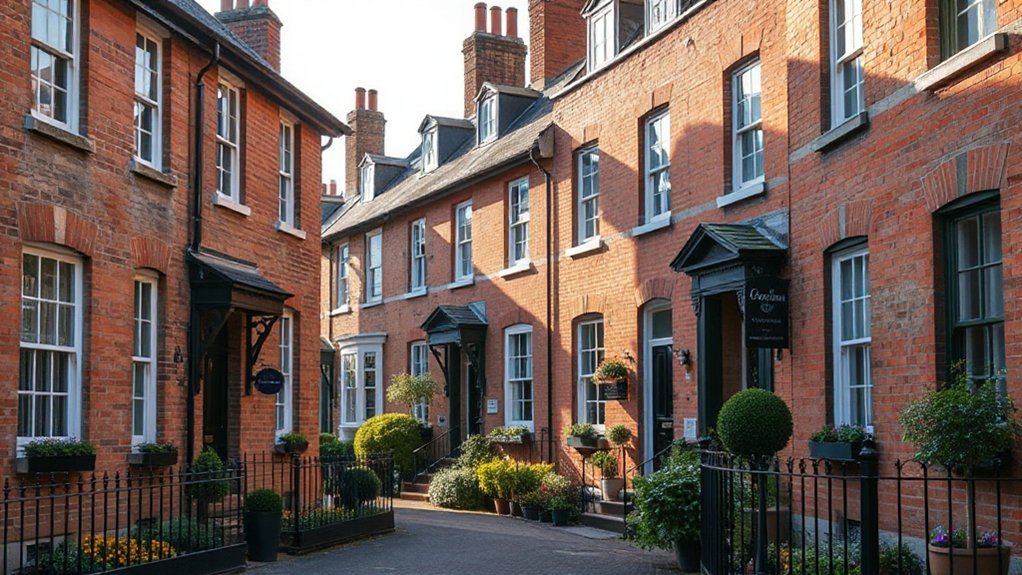
Understanding the Heritage Vision for Older UK Streets means recognizing that preservation isn’t about freezing the past; it’s about guiding present choices to maintain character while meeting today’s needs. You’ll approach streets as living heritage, where decisions balance continuity with adaptation.
Heritage conservation isn’t nostalgia; it’s a framework for deliberate change that respects scale, materials, and historic siting. You also prioritise community engagement, inviting residents, shopkeepers, and visitors to share values and hopes.
This isn’t about slick modernization; it’s about authentic enhancement that strengthens identity and belonging. When you plan improvements, assess how each change preserves texture, legibility, and rhythm.
A pragmatic lens helps; contextual understanding grounds actions in local stories, policies, and practical constraints.
Quick Wins to Boost Curb Appeal Without Major Renovations
Small changes can make a big difference: you can boost curb appeal without tearing anything up by focusing on practical, reversible tweaks that respect the street’s character. In practice, you’ll scan the frontage for quick wins that don’t require major renovations.
Prioritize tidy, well-defined borders and simple maintenance routines to prevent visual clutter. Consider planting choices aligned with landscaping trends that are low maintenance, drought-tolerant, and seasonally appealing, so your front garden stays vibrant year-round.
Integrate modern exterior accessories—timber planters, contemporary mailbox units, or subtle lighting—that echo local context without overpowering it. Repaint trim or doors with a fresh, durable finish when needed, but avoid dramatic shifts.
These measured updates build a welcoming, cohesive presence that invites neighbours to belong.
Paint Palettes That Respect Period Charm and Local Context
You’ll find that period-appropriate palettes and local history-informed hues guide choices that feel authentic, not borrowed.
Start by matching tones to era-specific streetscapes and nearby landmark hues to maintain cohesion.
Use restrained contrasts that highlight architectural details without screaming “retro,” and factor in local materials and weathering for lasting curb appeal.
Period-Appropriate Palettes
Period-appropriate palettes matter because color tells a street’s story without shouting. You choose colors that align with local materials, lighting, and architectural details, avoiding trends that feel momentary.
To succeed, you assess historical color schemes before selecting any coat, ensuring your home reads as part of a continuous streetscape rather than an abrupt deviation. Focus on authentic paint choices sourced from reputable brands that offer period-faithful tones or close equivalents.
Test chips on small, inconspicuous areas and compare under daylight and lamplight to confirm harmonies. Consider neighboring façades, brick tones, and mortar joints, weaving color progressions that feel intentional.
This disciplined approach enhances curb appeal, boosts neighborly trust, and reinforces a shared identity grounded in tradition and thoughtful modern care.
Local History-Informed Hues
Local history-informed hues draw on a street’s material palette and daylight behavior to create cohesive, believable curb appeal. You’ll choose palettes that reflect nearby brick, render, stone, or timber, aligning with how light shifts across facades.
This isn’t about copying a single period, but about honoring context with restraint. Prioritize Historical accuracy in color selection, using tones that ancestors actually used in similar streetscapes, not trendy novelties that clash with textures.
Consider color symbolism: muted earths, slate blues, and warm ochres can convey stability and craftsmanship without shouting. Test swatches in situ at different times of day, ensuring contrast remains legible from roadside.
Green and Tidy: Restrained Landscaping for Curb Impact
Green and tidy landscaping can dramatically boost curb appeal without overpowering historic streetscapes. You’ll aim for restrained planting that supports rather than competes with period features, using careful spacing, low heights, and clear sightlines.
Focus on durability, low maintenance, and seasonal relevance so your frontage remains inviting year-round. Choose native plants to strengthen local character, support biodiversity, and reduce water needs, then layer with subtle evergreen structure for winter interest.
Incorporate seasonal blooms to provide tactile, timely appeal without visual clutter. Edging should be clean and unobtrusive, with materials chosen to echo surrounding pavements and brickwork.
Keep rubbish, tools, and furniture out of sight, and maintain crisp lawns or groundcovers that reflect discipline. This approach fosters belonging, respect, and shared curb pride among neighbours.
Restore and Showcase Period Features Thoughtfully
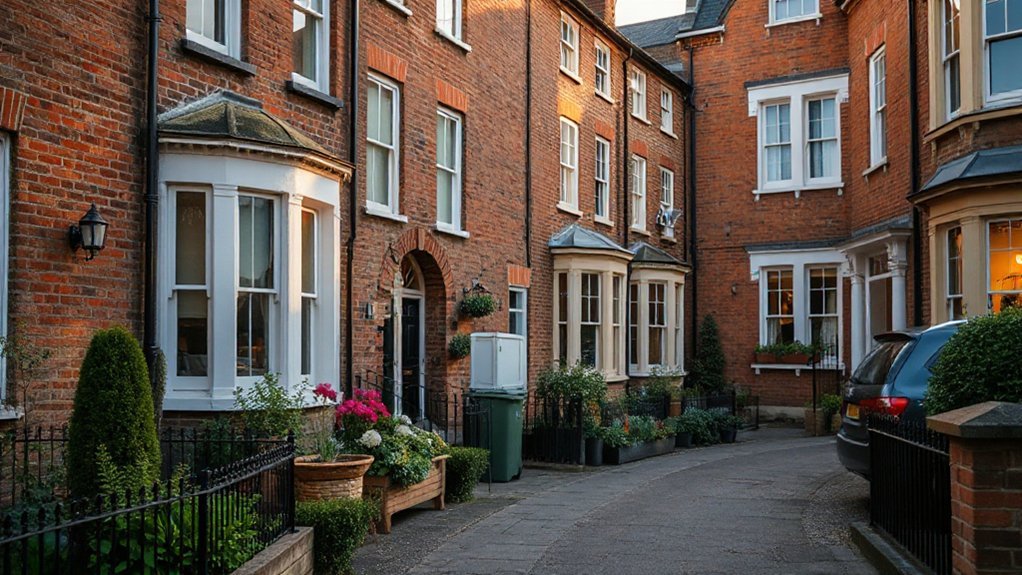
You can start by identifying which period features define your building and its street context. Then plan restoration that celebrates those details without over-sculpting.
Focus on showcasing architectural elements—like mouldings, doors, and sash windows—through careful cleaning, selective repair, and sympathetic finishes that respect original materials.
Use thoughtful restoration practices to balance preservation with modern use, so the kerb appeal reads as authentic rather than staged.
Restore Period Features
Restore period features thoughtfully by evaluating which details define the building’s era and which modern updates are necessary for safety and function. You approach restoration with clarity, prioritizing practical choices that respect history while ensuring everyday use.
Start with a careful assessment of materials, joinery, and ornament, then determine what needs replacement versus repair. Favor authentic methods and finishes where possible, but don’t abandon modern standards for insulation, drainage, or damp control.
This balanced approach supports historic preservation and architectural authenticity, helping neighbours recognize shared heritage without sacrificing comfort. Communicate plans transparently with residents and authorities to foster trust.
When you restore thoughtfully, you create a sense of belonging that invites others to engage with the street’s story, enhancing curb appeal while preserving cultural value for future generations.
Showcase Architectural Details
Showcase architectural details by identifying which features signal a building’s period and then amplify them with careful, purposeful updates. You, as a reader who values belonging, can approach this with clear intent: map key features (cornices, mouldings, sash windows, door surrounds) and let period-accurate enhancements reinforce townscape cohesion.
Choose garden lighting that highlights textures without glare, casting gentle illumination along brickwork and decorative brick patterns. Window shutters, fitted and proportioned to era, offer both practicality and a sense of place when finished in authentic tones.
Maintain proportional rhythms between doorways and windows to preserve architectural dialogue. When you upgrade, avoid over-statement; let honest materials—paint, timber, brick—age gracefully.
Pair lighting and shutters with clean, respectful maintenance, ensuring the street still feels like home, not a museum.
Thoughtful Restoration Practices
Thoughtful restoration respects both the original craft and the street’s present needs. You assess period features with a practical eye, avoiding nostalgia traps while honoring intent.
Begin by documenting what’s historically significant about a façade, door, or rail, then map what can be preserved, repaired, or adaptively repurposed.
Preservation techniques should prioritise durability, weather resistance, and reversibility, so updates don’t lock the street into obsolescence.
When you restore timber or masonry, choose compatible materials and finishes that respect texture and patina, not disguising age.
You collaborate with local heritage bodies to verify standards, ensuring compliance without overreach.
The aim isn’t to imitate the past but to integrate it meaningfully, creating a timeless rhythm that invites participation and reinforces a shared sense of belonging.
Budget-Friendly Energy Upgrades for a Charming Home
Upgrading a Victorian-era or older UK home on a budget starts with simple, high-impact changes that cut energy use without sacrificing charm. You’ll target airtightness, draft-proofing, and efficient heating to reduce bills while preserving character.
Start with a practical assessment: locate thermal leaks around doors, windows, and floors, then plug gaps with affordable weather-stripping and insulation where feasible. Consider solar panel integration to offset daytime demand, pairing with an intelligent battery plan for cloudy days.
Integrate smart home technology to monitor and optimize consumption—thermostats, sensors, and routine automation that respects your routine and neighbourhood aesthetics.
Prioritize durable, maintenance-low upgrades that don’t clash with its exterior. The result is a warmer, more independent home that invites neighbours to share in its forward-looking charm.
Maintain Curb Appeal With a Simple, Lasting Routine
A simple, lasting routine keeps your kerb appeal steady without constant effort. You’ll gain consistency by sequencing small, seasonal actions that fit your life.
Begin with a clear trigger—returning indoors after work, for instance—and pair it with a quick curb check: tidy edges, remove litter, and inspect door paint for chips.
Maintain garden lighting so paths stay inviting after dark, and prune shrubs to preserve sightlines and cleanliness.
Invest in outdoor furniture that wears well; a single enduring piece or a compact set anchors the scene without dominating.
Schedule a quarterly refresh for containers and mulch, ensuring color and texture stay balanced.
This approach reinforces belonging: neighbours notice care, feel invited, and share the sense of a well-kept, welcoming street.
Frequently Asked Questions
How Can Ownership Rights Affect Heritage-Led Curb Improvements?
Ownership rights shape what you can change; heritage regulations define limits, while property ownership determines who negotiates permissions. You’ll navigate permissions, balance community value with property interests, and collaborate to keep curb improvements legally sound and publicly valued.
What Grants Cover Exterior Work on Listed or Conservation Area Homes?
Grants for exterior work on listed or conservation-area homes include Historic England schemes, local authority grants, and MLS-funded energy or improvements programs. Planting greenery, exterior lighting, and compliant repairs boost eligibility, while you, belonging here, follow clear, practical, analytical steps.
Which Materials Avoid Cladding Pitfalls in Older UK Streets?
You should use cladding alternatives or traditional materials to avoid pitfalls in older UK streets. You’ll evaluate durability, compatibility, and costs, choosing options that harmonize with surroundings, promote belonging, and remain practical, resilient, and historically respectful.
How Do Neighboring Buildings Influence Your Curb Appeal Choices?
A neighbor’s proximity shapes your curb-appeal choices: you mirror their scale, style, and garden landscaping, then coordinate outdoor lighting for cohesion, accessibility, and warmth so you feel you belong in the street’s rhythm.
What Time of Year Is Best for Exterior Restoration Projects?
The best time is spring or early autumn, when mild weather supports exterior work. Plan seasonally, considering Seasonal planning and weather considerations; you’ll minimize delays, finish confidently, and feel you belong coordinating with neighbors and local constraints.
Conclusion
You’ll see that small, consistent actions beat big overhauls—72% of homeowners report higher curb appeal with routine upkeep and simple repairs, not dramatic renovations. By preserving heritage features, choosing period-appropriate colors, and keeping borders tidy, you create immediate impact without eroding character. Balance energy tweaks with careful placement, so solar or seals stay discreet. Stay practical: schedule seasonal checks, document changes, and invite neighbors to share upkeep. The street sharpens its charm through steady, thoughtful care.
About the Author