Think of your home like a fortress built on routine, habits, and smart design. You assess risks, layer protections, and align neighbors for vigilance. You’ll install visible cameras, reinforce doors and windows, and adapt lighting to deter intruders, while keeping digital safeguards up to date. The question isn’t just what to do, but how to integrate these steps into daily life so you stay ahead—and that answer might surprise you.
Baseline Risks for Urban UK Homes
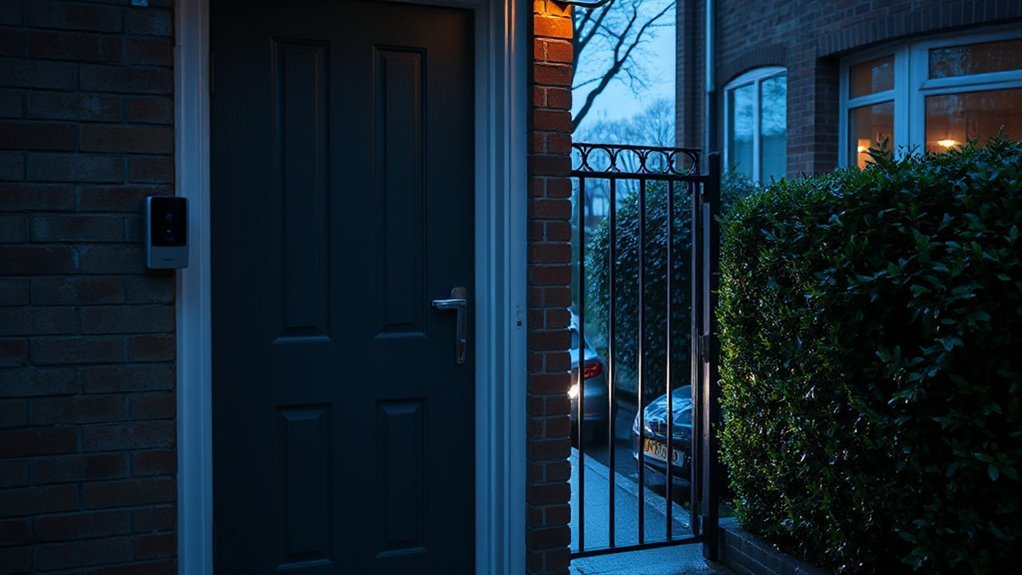
Baseline risks in urban UK homes stem from high population density, prevalence of multi-occupancy dwellings, and concentrated street-level access points. You recognize how shared hallways, communal stairs, and limited entry delays elevate exposure to intrusions.
Informed by neighborhood watch initiatives, you participate in proactive, collective vigilance that deters opportunistic behaviors before they escalate.
Urban crime statistics show patterns where timing, location, and routine can create predictable gaps; you map these insights to address vulnerabilities.
You align residents into a cohesive framework, clarifying roles, responsibilities, and communication channels to sustain safety culture.
By designing systems that reduce anonymity, you strengthen accountability and responsiveness.
Your approach blends practical measures with social cohesion, creating a resilient, connected community that precedes incidents with coordinated, purposeful action.
Quick Wins You Can Deploy Today
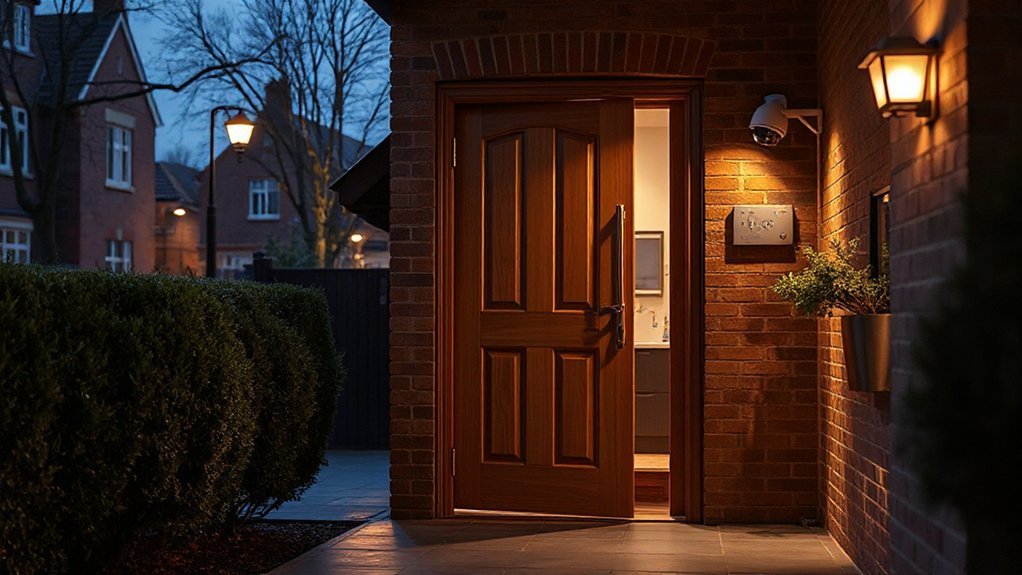
Here are quick wins you can deploy today to reduce risk and boost security in urban UK homes: install a visible door camera and guarantee it records. Light entrances or stairwells with motion-sensing LEDs, and tighten access control by updating entry codes or upgrading to a keypad or smart lock.
You’ll reinforce routine safety, deter opportunistic crime, and feel connected to your neighborhood watch network. Pair camera visibility with clear signage to signal vigilance without overreacting.
Schedule regular checks to verify footage integrity and battery health. Link smart devices to your home insurance provider for potential discounts, and share non-sensitive alerts with trusted neighbours to strengthen community protection.
These steps create cohesion, calm, and a proactive sense of belonging among residents.
Fortifying Doors and Windows for Real Perimeter Strength
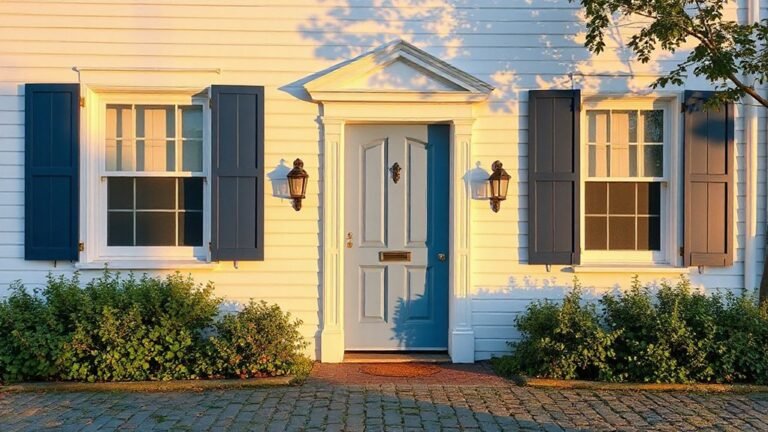
To fortify your real perimeter, start by strengthening doors and windows with robust hardware, reinforced frames, and secure locking systems. You’ll implement door reinforcement on primary entry points, mount strike plates with long screws, and upgrade hinges to prevent sagging.
For windows, apply anti-lift devices, laminated glass where feasible, and reinforced screws in frame joints. Align components with a coherent security plan, ensuring every access point contributes to a unified perimeter standard.
Check that doors close with a satisfying, decisive snap and that locks resist picking and forced entry. Maintain routine inspection cycles, replacing worn parts promptly.
This approach builds confident, lasting protection. Embrace door reinforcement and window security as core, shared commitments that strengthen your sense of belonging and safety.
Deterrent Lighting and Camera Placement
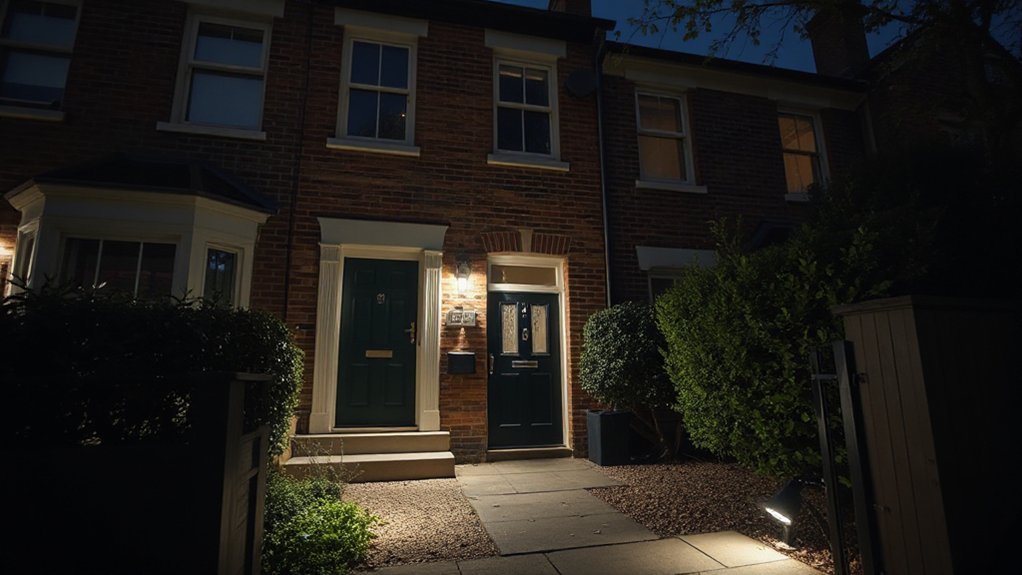
Effective deterrent lighting and thoughtful camera placement work together to deter intruders and capture usable evidence.
Start by mapping a lighting layout that covers approach paths and entry points, while avoiding glare that blinds cameras.
Make sure camera placement prioritizes coverage of doors, windows, and blind spots, with clear lines of sight and reliable power or backup.
Deterrent Lighting Layout
Deterrent lighting should create a layered, tell-tale presence around your property by illuminating entrances, approach paths, and shadowed corners while coordinating with strategic camera placement. You design a coherent layout that reduces dark havens and reveals activity zones to deter intruders.
Begin with motion sensors guiding patrols of entry points, so lights trigger only when needed, conserving energy and maintaining surprise against opportunists.
Establish pathway illumination that leads occupants and visitors safely, while mapping sightlines from the street to the doorstep. Use low-glow fixtures to minimize glare and avoid over-illumination that wastes energy.
Position lights at eaves, corners, and boundary edges to create depth, depth, and deterrence without creating blind spots. This precise, proactive approach reinforces belonging and collective vigilance.
Camera Placement Integrity
Camera placement integrity hinges on deliberate coordination with lighting and patrol patterns: you should position cameras to maximize coverage of entry points, approach paths, and shadowed areas while preventing blind spots and unnecessary glare.
You’ll align camera angle with existing sightlines, ensuring consistent framing across vulnerable corridors and entrances. Regular sensor calibration keeps detections reliable, reducing false alarms without compromising vigilance.
Map hot spots and adjust mounts to capture pedestrians, deliveries, and potential covert routes. Integrate deterrent lighting to reinforce visibility at key junctures without creating glare that blinds or distracts.
Document calibration results and maintenance windows so your community safety plan remains transparent and trustworthy. With deliberate placement, you establish predictable, protective coverage that reinforces belonging and collective security.
Smart Alerts and Digital Safeguards for the Home
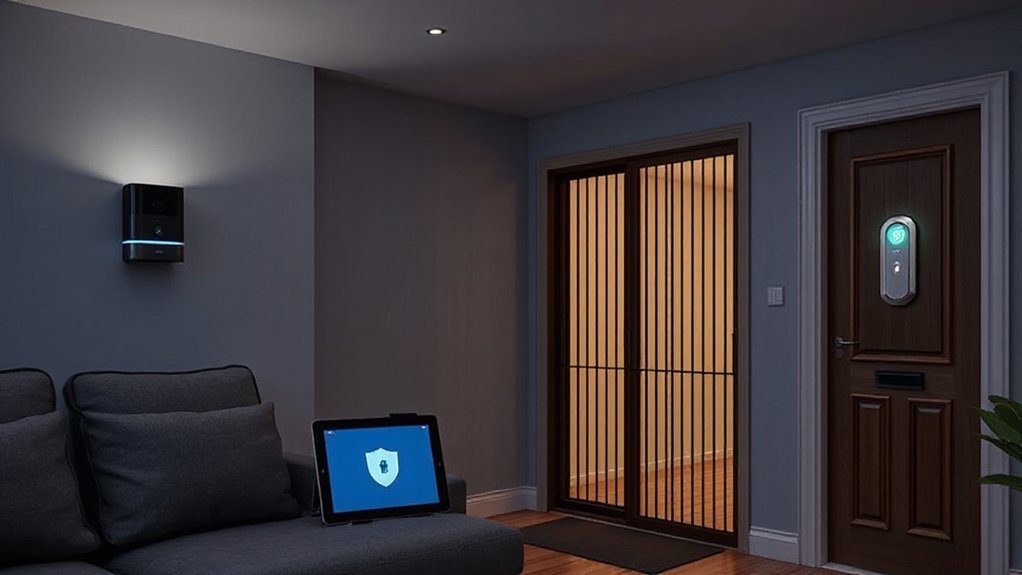
Smart Home Encryption safeguards your data across devices and networks, preventing interception as you monitor from anywhere.
Real-Time Motion Alerts instantly flag unusual activity, so you can respond before risks escalate.
Cloud Backup Security ensures your footage and settings stay intact even if a gadget fails or is compromised.
Smart Home Encryption
How can you guarantee your smart home stays secure as it grows more interconnected? You implement robust smart home encryption as a foundational habit. Use end to end encryption to guard data from device to cloud and back, so your commands and alerts aren’t readable by others.
Require secure device pairing during setup, avoiding default credentials and insecure networks. Regularly update firmware and rotate access tokens, keeping your ecosystem cohesive and resistant to drift.
Prefer devices with transparent security claims and independent audits, integrating them through a centralized, trusted hub. Segment networks for guest devices and critical systems, limiting lateral movement for intruders.
Finally, document your security choices so everyone at home understands the safeguards and shares responsibility.
Real-Time Motion Alerts
Real-time motion alerts transform security from reactive to proactive by delivering instant, context-rich notifications when movement is detected. You’ll experience timely insight that helps you verify events, reduce false alarms, and respond with confidence.
Each alert centers on motion detection, presenting concise details about location, time, and a quick action suggestion. You can tailor these alerts to your routines, ensuring you only receive notifications that matter.
Alert customization lets you set sensitivity, zones, and delivery channels to align with your household’s rhythm and safety benchmarks. The system documents patterns over time, supporting smarter decisions and fewer interruptions.
In practice, this creates a cohesive, belonging-focused safeguarding framework that feels seamless, controllable, and trustworthy, reinforcing daily security without complexity.
Cloud Backup Security
Cloud backups are essential for resilience, but they’re only as strong as their safeguards. You’ll optimize cloud backup security by pairing smart alerts with disciplined governance.
Set automated notifications for unusual file activity and access attempts, so you spot breaches before they spread. Choose providers that support end-to-end encryption, plus robust key management you control, and insist on multi-factor authentication for all users.
Implement data redundancy across multiple geographic regions to survive hardware failures and local outages, while keeping recovery objectives realistic. Regularly test restore procedures to confirm integrity and timing.
Document access rights and conduct quarterly reviews to prevent privilege creep. With clear policies, you and your household gain trusted, shareable security you can rely on every day.
Budgeting and Prioritization for Layered Security
Budgeting for layered security starts with a clear cost map and a prioritized plan. You map essentials first: doors, windows, and lighting that deter opportunists. Then you assess value-added protections—alarms, cameras, and access controls—by cost, impact, and maintenance.
You set a pragmatic budget that aligns with risk, home size, and neighborhood context. Prioritization means you tackle the highest threat areas before expanding, avoiding scope creep. Use a system: essential, enhanced, then optional layers, tracking spend against actual risk reduction.
Insurance policies and neighborhood watch commitments should guide decisions, ensuring coverage aligns with protections you implement. Revisit routinely, adjusting as circumstances change—renovations, seasonality, or local crime trends.
Your approach is proactive, repeatable, and clear, creating security legitimacy and shared trust within your community.
Build a Daily, Peaceful Security Mindset
A daily, peaceful security mindset starts with simple, purposeful routines that deter threats before they materialize. You build confidence by pairing Mindfulness training with concrete actions, creating a rhythm you can rely on.
Commit to daily security routines that become second nature, not burdens. Begin each morning by a quick, grounded check: doors locked, alarms set, lights timed, windows closed. Throughout the day, pause to assess surroundings and adjust as needed, maintaining calm, purposeful focus.
When you notice a risk, respond with specific, minimal steps—document, report, secure, reassess. This systemic approach reduces uncertainty and reinforces belonging: you’re part of a safe, proactive community.
Consistency beats intensity, and small, deliberate habits sustain resilience long-term.
Frequently Asked Questions
How Often Should I Audit My Home Security Plan?
You should audit your home security plan every six months, performing Home security audits to verify controls, test alarms, and review access. When gaps appear, implement Security plan updates promptly, involve neighbors, and maintain ongoing, proactive security discipline for belonging.
What Hidden Costs Come With Smart Security Systems?
Hidden expenses include installation costs, ongoing monitoring fees, and potential subscription add-ons. You’ll want to factor in professional setup, device replacements, and data plans, so you’re proactive, precise, and feels like belonging to a secure, well-supported community.
Do Burglars Exploit Bluetooth or Wi-Fi Vulnerabilities?
Yes, burglars exploit Bluetooth hacking and Wi Fi vulnerabilities; you should act now. Coincidence shows your devices mirror your routines, so harden settings, segment networks, update firmware, and monitor alerts to create a cohesive, safer home.
How Can Neighbors Collaborate Without Infringing Privacy?
You collaborate by forming a Neighborhood watch, setting clear Privacy boundaries, and sharing alerts responsibly. You organize regular, respectful meetings, document procedures, and empower neighbors to report suspicious activity while protecting individual privacy and fostering belonging.
What Is the Best Insurance Requirement for Urban Homes?
Back up your assets with robust insurance coverage and meet policy requirements before risks arise. You should select extensive coverage, verify inclusions, and maintain updated documents, so your community feels secure and you’re protected when incidents occur.
Conclusion
You’ve got a practical, layered plan that strengthens every access point while keeping costs smart. By combining visible deterrents, solid hardware, smart safeguards, and community vigilance, you build a resilient security ecosystem that works in harmony—not in isolation. Picture your home as a well-tuned fortress where routine habits act as the gears and alarms as the lighthouse. Stay proactive, review regularly, and keep the momentum—each small improvement compounds into lasting peace of mind.
About the Author