An observed chill can hide in plain sight, from drafts to insulation gaps, and a smart approach makes a noticeable difference fast. You’ll want a practical plan: seal leaks, boost insulation, and position heat sources for efficiency. But the best results come from combining quick fixes with longer-term tweaks. Let’s map the steps that keep your space warmer without wasting energy, and see where your room still whispers of cold.
Start With the Problem: Why Your Room Feels Cold and How to Fix It Fast
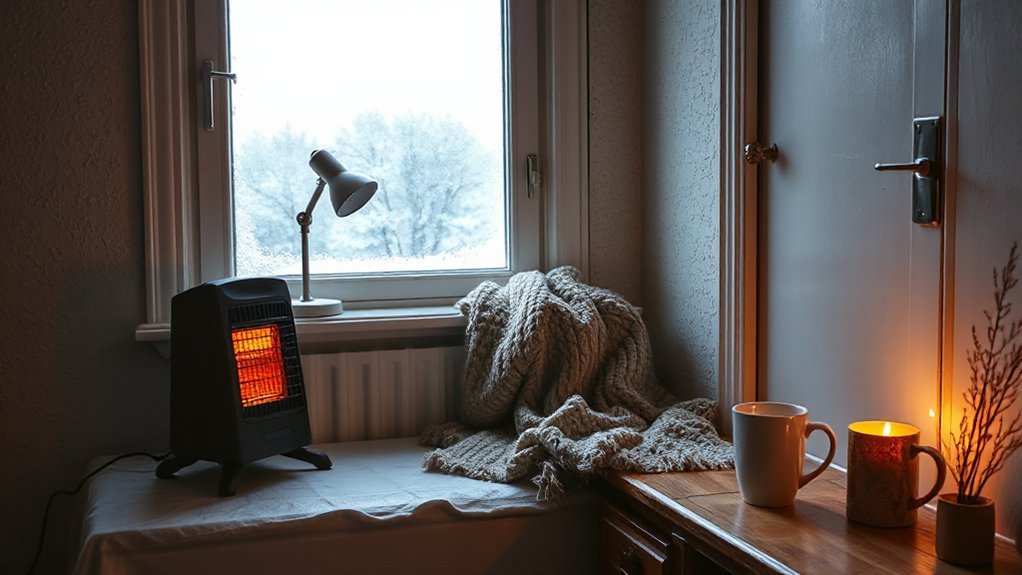
If your room feels cold, the problem is usually a mix of insufficient heat, heat loss, and poor air distribution. You’ll diagnose by checking heater output, insulation, and airflow paths, then prioritize fixes that restore Thermal comfort quickly.
Measure incoming and return air temperatures to confirm heat transfer efficiency; note how Seasonal variations shift your heating needs, especially in shoulder months.
Confirm the heater is sized correctly for the space and running efficiently; mismatched capacity wastes energy and time.
Seal drafts at doors, windows, and penetrations, then optimize circulation with targeted airflow toward occupied zones.
Verify thermostat placement and response, and consider supplementary warmth sources only if core heating remains underperforming.
Document changes, recheck performance, and repeat as needed.
Find the Cold: Assess Your Space and Spot Where Drafts Enter
Draft a clear map of the space to locate cold zones and draft paths. You’ll identify heat sinks, air flows, and unintended gaps by measuring boundary performance, then mark walls, windows, and doors where cold spots persist.
Systematically test each zone with a simple check: feel for air movement near outlets, baseboards, and ceiling edges, and note differences between interior and exterior walls.
Use a flashlight at night to reveal light leaks around frames. Pay attention to window drafts and door thresholds, as these are common sources of persistent chill.
Record findings on a layout so you can prioritize fixes. Prioritize airtight seams first, then insulation gaps, focusing on areas labeled as air leak sources and pinpointing window drafts.
Quick Wins for Immediate Warmth (Done in Minutes)
You’ve mapped cold zones and draft paths, so now you can grab fast wins that raise comfort within minutes. First, seal obvious gaps with removable door sweeps and weatherstripping to curb convection and create instant heat pockets.
Next, deploy quick fixes like draft blockers at key outlets, curtains over windows, and thermal blankets over sensors to prevent heat bleed. Target radiant surfaces by draping insulating blankets on exterior walls or re-positioning furniture to reduce cold air entrainment behind you.
Use lamps or outlets with built-in heaters sparingly, prioritizing safety and efficiency. Elevate heat perception by balancing air circulation with a small, directed fan, improving distribution without overworking the system.
Monitor temperature shifts in real time and adjust as needed.
Long-Term, Energy-Saving Heating: Efficient Options That Cut Bills
Improved insulation lowers heat loss, so you’ll spend less to maintain comfort over time.
Pair that with efficient heating options like selective zoning and modern boilers to maximize savings.
Start by evaluating insulation gaps and then map the most cost-effective equipment for your space.
Insulation For Savings
If you’re aiming to cut heating bills over the long term, insulation is your most cost-effective investment. You’ll improve heat retention by reducing conduction, convection, and infiltration losses.
Prioritize wall insulation with continuous vapor-permeable or vapor-retardant barriers appropriate to your climate, and guarantee airtight junctions around electrical boxes, outlets, and outdoor penetrations.
Evaluate cavity versus solid-wall options, balancing installed R-values with building tightness and cost.
Implement thermal curtains in heat-loss zones to minimize radiant heat escape at dusk and overnight.
Seal gaps at doors and windows with compression weatherstrips, caulk, and door sweeps before adding insulation layers.
Regularly verify attic, crawlspace, and basement insulation for moisture damage and settling, then maintain an overall system that minimizes thermal bridges and drafts.
Efficient Heating Options
Efficient heating options focus on long-term, energy-saving technologies that reduce operating costs while maintaining comfort. You’ll optimize performance by selecting systems with high efficiency, low standby losses, and controllable outputs.
Consider smart thermostats for precise scheduling, room-by-room zoning, and adaptive recovery that minimizes heat waste. Pair them with properly sized, well-sealed equipment to avoid overshoot and short cycling.
Radiator covers can boost perceived warmth by reflecting heat into the room and reducing surface losses, especially on older radiators.
Insulation-aware design remains essential; align heating load with actual demand to prevent heat leakage.
Prioritize modular, transferable components that enable upgrades without full replacement.
Document efficiency metrics, perform regular maintenance, and monitor real-time consumption to verify savings over time.
Draft-Proof and Insulate: Stop Cold Air From Sneaking In
Draft-proofing and insulating is your first line of defense against chilly drafts. You’ll seal gaps, reduce heat loss, and improve system efficiency with targeted actions.
Start at doors: install door seals and weatherstripping to block infiltration at the frame, thresholds, and gaps beneath.
For windows, apply low-resistance only where needed; use proper window coverings to limit convective exchange without sacrificing light.
Add caulk to cracks, and recheck electrical outlets and switch boxes for hidden leaks; foam backer rods and sealant fills maintain continuous insulation.
In walls, pursue cavity insulation where accessible and verify attic hatch tightness to prevent stack effect drafts.
Inspect HVAC ductwork for leaks, reseal with mastic or foil tape.
Measure performance before and after to confirm improvements.
Create Cozy Comfort: Layering, Flooring, and Ambient Warmth Tips
Layering your clothing and surroundings creates immediate warmth without cranking the thermostat. Layering techniques maximize heat retention and reduce convection losses by creating microclimates near the body and within the space.
Start with a moisture-wicking base, add an insulating mid-layer, then a wind- and moisture-resistant outer layer when needed. Prioritize fabrics with low heat loss and high loft for efficiency.
For flooring, choose flooring choices that minimize heat flux: thick underlay, carpet with dense fibers, or engineered wood with an insulating subfloor. Complement with area rugs to reduce cold-spot exposure and improve perceived warmth.
Use programmable, zoned heating and strategically placed warm-up points, like near seating areas. Pair warm lighting and textiles with furniture placement that blocks drafts and enhances heat distribution.
Frequently Asked Questions
How Can I Identify Hidden Drafts in Walls or Ceilings?
Yes, you can identify hidden drafts by feeling for cold spots, scanning for gaps around outlets, and using a flashlight to reveal cracks; inspect wall insulation and ceilings, then deploy draft stoppers where you find leaks to seal efficiently.
What Thermometer Should I Use to Measure Room Temperature Accurately?
A trusty compass of comfort, choose a digital or glass thermodil type for room accuracy. You’ll want precise Thermometer types, calibrate regularly with ice-water or boiling-point checks; adjust placement, guarantee battery freshness, and record readings for consistency.
Are Space Heaters Safe for Continuous Use in Living Rooms?
Yes, space heaters can be safe for continuous use if you follow manufacturer guidelines, maintain clearances, and use thermostats; watch Safety concerns like overheating, and prioritize energy efficiency by selecting models with tip-over and auto shutoff features.
How Do Humidity Levels Affect Perceived Warmth and Comfort?
Humidity levels affect perceived warmth: higher humidity lowers evaporative cooling, making rooms feel warmer at the same temp. You’ll notice more moisture comfort when humidity stays around 40–60%, and you’ll improve moisture control with good ventilation.
Can Fans Help Circulate Warm Air Without Increasing Costs?
Yes, fans can circulate warm air effectively without raising costs. You’ll improve air mixing with high fan efficiency, while relying on existing heaters. Do a cost comparison to guarantee the chosen model minimizes energy use and maximizes comfort.
Conclusion
To keep a cold room comfy, seal drafts, insulate walls, and optimize heat flow. Use weatherstripping, caulk gaps, and thermal curtains; position furniture to avoid vents; and run fans to circulate warm air. Add space heaters only where safe, and schedule regular heating system maintenance. Track humidity and use layered textiles for comfort. An anachronism: imagine a Victorian fin de siècle logbook quietly confirming your modern thermostat tweaks. In short: seal, insulate, circulate, and layer for lasting warmth.
About the Author