The Advantages Of Block Paving As A Driveway
Let’s look at the popular Block Paving Driveway option, for your home.
After a couple of decades working on UK home builds, extensions, and refurbishments, I’ve lost count of how many driveways I’ve seen ripped out and redone. Tarmac that’s cracked to bits, gravel that’s migrated halfway down the street, concrete that’s stained, tired, and beyond redemption. When clients ask what I’d recommend if they want something that looks good, lasts, and adds value, block paving is usually top of the list.
There’s a reason it’s so popular across the UK, and it’s not just because it looks smart.
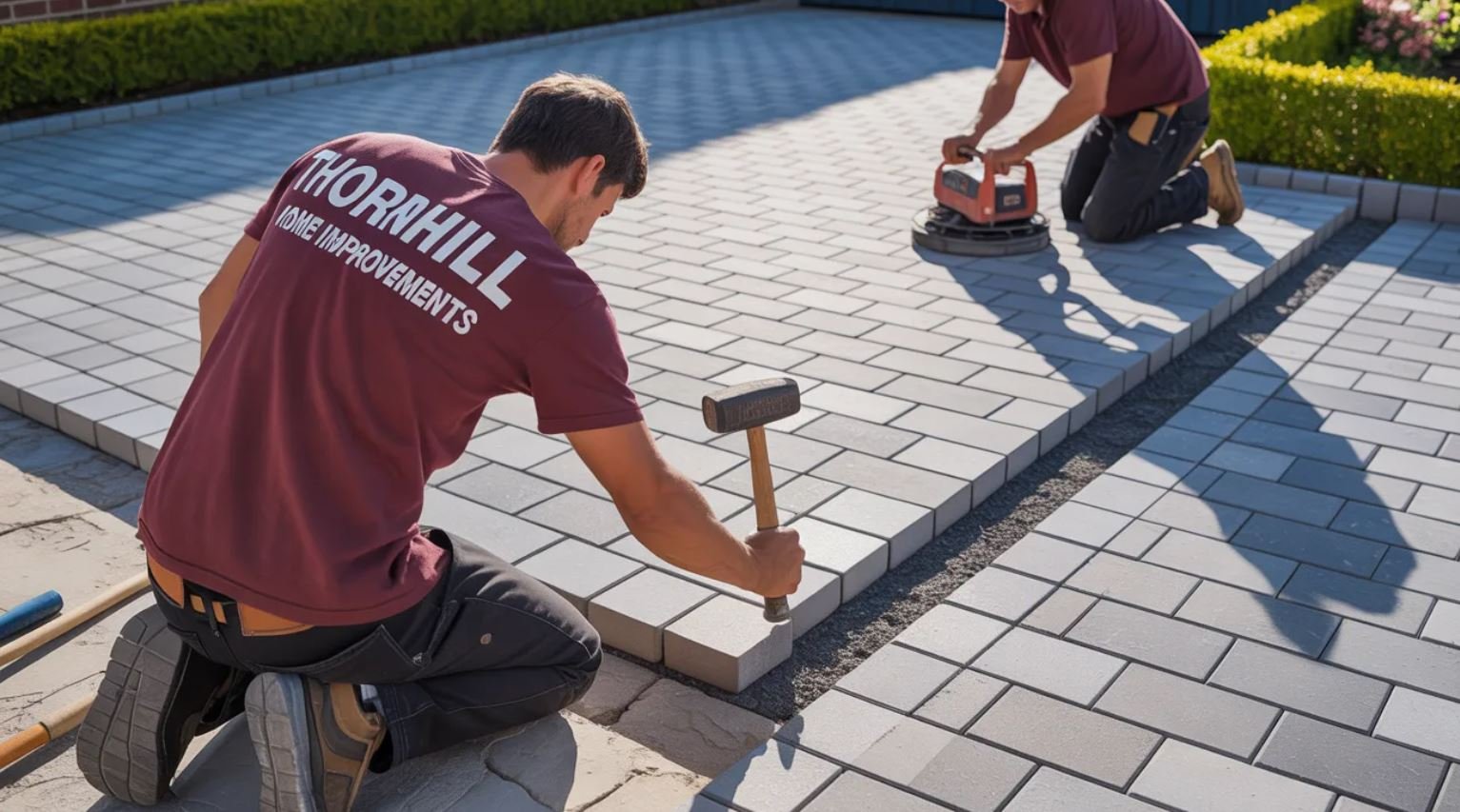
One of the biggest advantages of block paving is durability. When it’s laid properly – and that bit matters more than people realise – a block paved driveway will comfortably handle the weight of cars, vans, and even the occasional delivery lorry without cracking or sinking. The strength doesn’t come from the blocks themselves, but from the build-up underneath. A solid sub-base, proper compaction, and correct edging make all the difference. Get that right and you’re looking at decades of service, not a few short years.
Another major benefit is how forgiving block paving is compared to other surfaces. With concrete, once it cracks, that’s it. You’re stuck with it unless you rip the whole thing out. Tarmac can be patched, but it always shows. With block paving, if a section gets damaged, stained, or sinks due to a local issue, you can lift and relay just that area. No scars, no mismatched patches. From a maintenance point of view, that’s a huge plus.
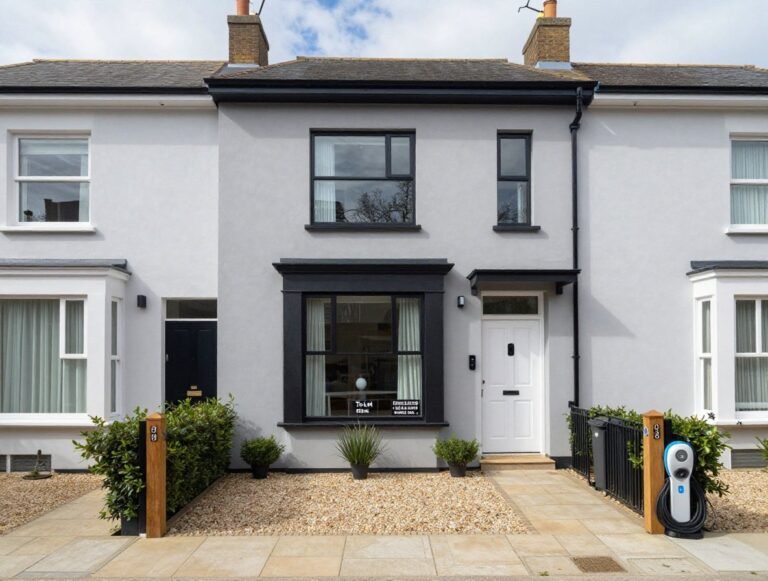
Visually, block paving is hard to beat. It offers flexibility that most other driveway materials simply don’t. Different colours, shapes, and laying patterns mean it can be tailored to suit everything from a modern new build to a Victorian terrace. You can keep it simple and understated or go more decorative with borders and contrasting colours. Done well, it frames the front of a property and gives it a finished, considered look rather than something that’s just been thrown down for parking.
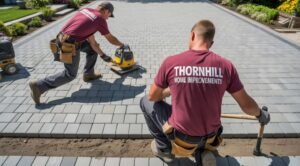
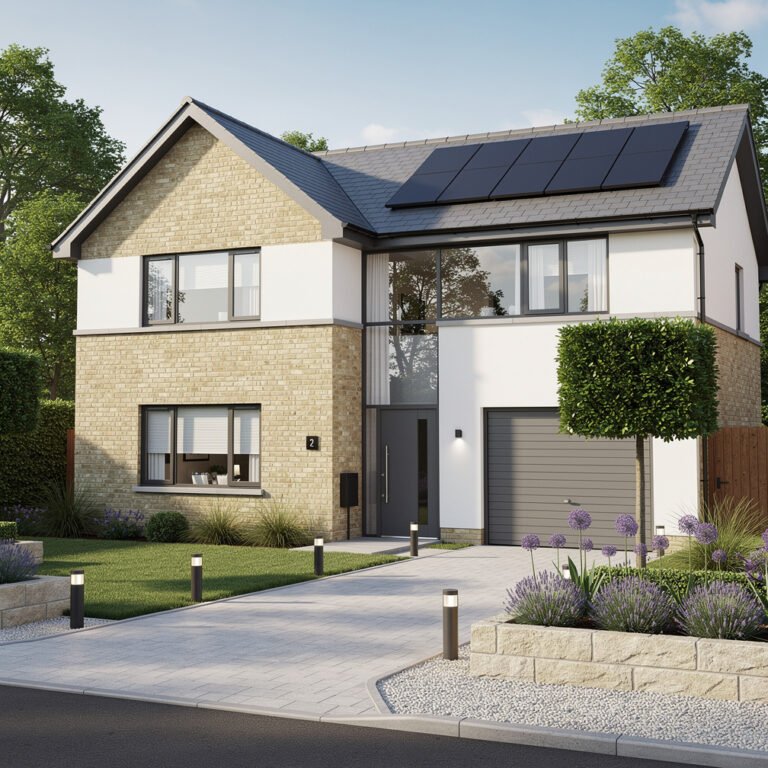
Kerb Appeal Of A Block Paving Driveway
That kerb appeal isn’t just cosmetic either. A well-laid block paved driveway can add genuine value to a property. Buyers notice it straight away. In many parts of the UK, off-road parking is already a selling point. Pair that with a smart, low-maintenance surface and it becomes even more attractive. I’ve had clients recover the cost of the driveway purely through increased resale value.
Drainage is another area where block paving has a real advantage, especially with modern regulations. Permeable block paving systems allow water to drain naturally through the surface and into the ground below, reducing surface water runoff. With planning rules getting stricter around drainage and sustainable urban drainage systems, this can save a lot of hassle. Even standard block paving can be designed to direct water properly, as long as falls and drainage channels are thought through from the start.
From a day-to-day practical point of view, block paving is relatively low maintenance. It doesn’t need resealing every year, and it won’t disintegrate under UV exposure like cheaper tarmac can. An occasional sweep, the odd wash down, and keeping weeds under control is usually enough. Yes, weeds can appear between blocks, but that’s more about poor installation or lack of maintenance than the material itself. Proper jointing sand and a decent edge restraint go a long way to preventing that problem.
In terms of weather resistance, block paving suits the UK climate well. It copes with freeze-thaw cycles better than poured concrete, which can crack when water gets in and expands. Individual blocks have room to move slightly without failing, which makes the surface more resilient over time. That flexibility is often overlooked, but it’s one of the reasons block paving ages more gracefully than many alternatives.
It’s also worth mentioning safety. The textured surface of block paving generally offers better grip than smooth concrete, particularly in wet or icy conditions. For households with sloped drives, children, or elderly residents, that extra traction can make a real difference.
Of course, block paving isn’t cheap if it’s done properly, and anyone offering it at a bargain-basement price should raise an eyebrow. The real value comes from correct groundwork, quality materials, and experienced installation. Cut corners on any of those and you’ll see problems sooner rather than later. Done right, though, it’s one of the most cost-effective driveway solutions over the long term.
From a builder’s point of view, block paving ticks a lot of boxes. Strong, adaptable, repairable, visually appealing, and suitable for modern drainage requirements. For homeowners, it offers peace of mind, practicality, and a noticeable uplift in how their property looks and feels.
If you’re investing in a driveway and want something that won’t let you down in five years’ time, block paving is well worth serious consideration. It’s not just about parking a car. It’s about building something that works hard, looks good, and stands the test of time.
About the Author