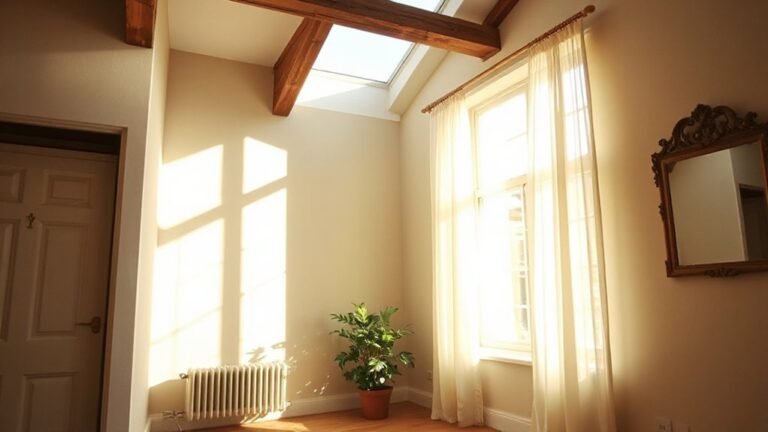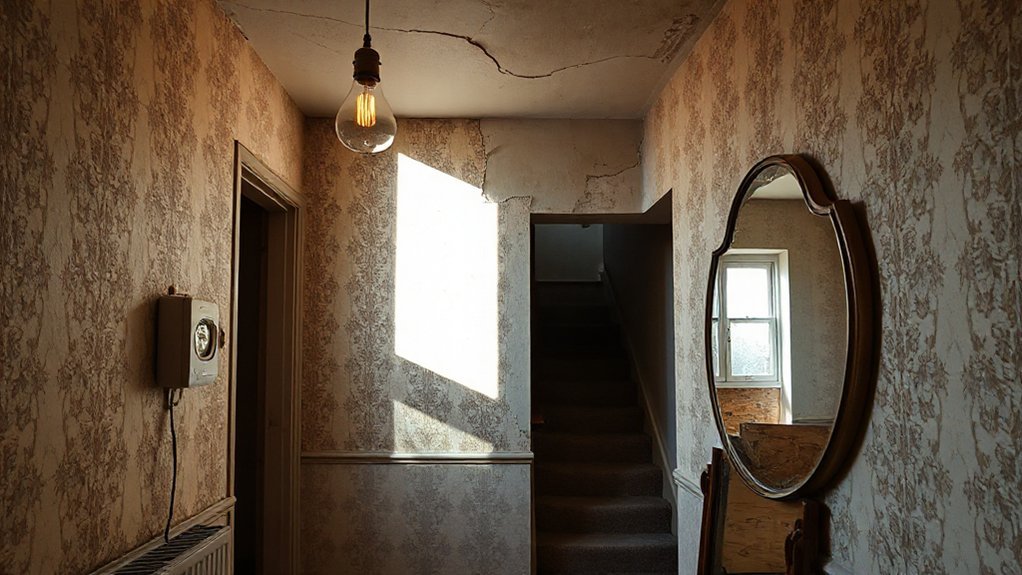
When you view a UK property, you should assess for red flags that signal costly issues—like visible cracks, sagging roofs, damp or mold, and signs of leaks or corrosion in plumbing and electricals. Look beyond cosmetic slips to structural cues, drainage problems, and exterior wear. Confirm with checks and questions to the vendor, but stay wary of vague answers, because the details you uncover now can save significant time and money later. There’s more to verify before you decide.
Set the Criteria: What Qualifies as a Red Flag When Viewing a UK Home
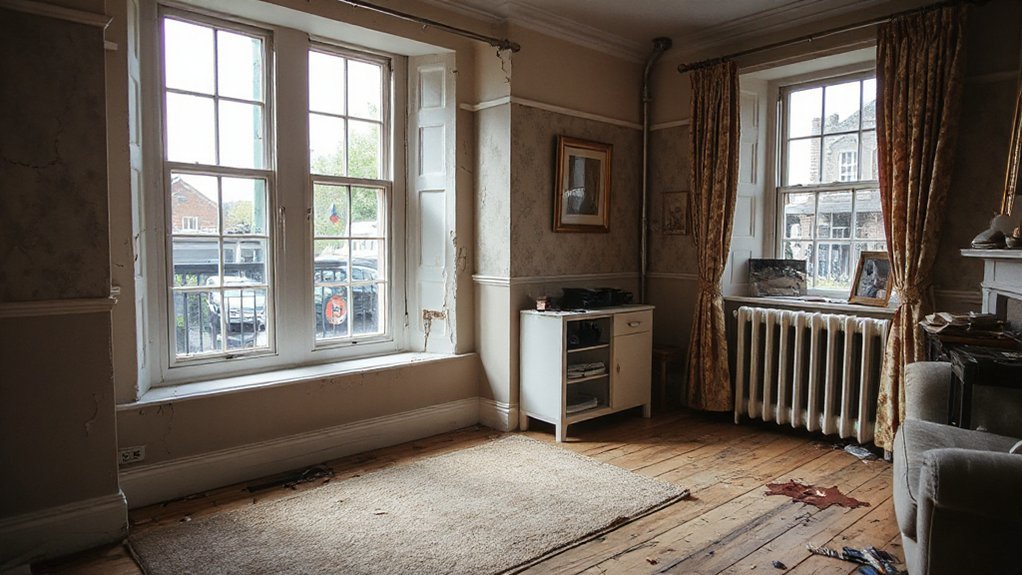
Red flags are red flags for a reason: they signal issues that may affect safety, cost, or future value. You define clear criteria to avoid bias, using objective signals rather than emotion. Start with structural integrity: cracks, settlement patterns, and moisture history indicate potential repair costs or safety risks. Then assess utility systems’ reliability, noting inconsistencies in heating, electrical, plumbing, and insulation, which can drive ongoing expenses. Property history matters: prior renovations, remediation work, or disputes frame risk, as do any unresolved permits or disputes. Consider neighborhood factors: school quality, crime trends, future development plans, and access to amenities, since these influence long-term value. Apply consistent benchmarks, verify documentation, and document deviations for transparent comparisons. Your criteria keep evaluations precise and defensible.
Damp and Ventilation: Quick Tests You Can Run in Every Room
Damp and ventilation issues can reveal hidden risks, so run quick room-by-room checks to separate surface quirks from systemic problems. You’ll test moisture intrusion by inspecting walls for discolored patches, peeling wallpaper, and damp smells as you move from floor to ceiling. In each room, feel for temperature contrasts near external walls and corners; note persistent cold spots that imply insulation gaps. Assess ventilation efficiency by confirming operable windows, and check for unobstructed air paths around vents and extractor fans. Observe condensation patterns on glazing and mirrors, especially in kitchens and bathrooms, and verify that dehumidification equals usage. Record findings with dates and locations, then compare across rooms to identify consistent patterns rather than isolated incidents. This approach helps gauge overall building health and future remediation needs.
Plumbing and Drainage Red Flags You Should Confirm
Watch for hidden pipe corrosion signs and note any discolored or flaky metal, unusual rust patches, or sweating fittings that hint at unseen damage. Look for drainage backflow indicators like slow drains, gurgling, or wastewater coming up in unexpected spots, which can signal mains issues or venting problems. Confirm these clues early so you can assess potential repair costs and plan preventive maintenance with a qualified plumber.
Hidden Pipe Corrosion Signs
Hidden pipe corrosion often hides behind walls or under floors, so look beyond visible surfaces for telltale signs like staining, mineral deposits, or a metallic taste in water. When you assess a property, plan a focused pipe inspection to catch early failures before they manifest as leaks. Look for inconsistent moisture, rust-colored stains, or blistering plaster near fittings and joints. Listen for faint running noises behind walls, which can indicate pinhole leaks or hidden corrosion progressing within concealed runs. Document any discoloration on valves, anchors, or clamps, and verify the age and material of the piping. Use portable corrosion detection tools where feasible, and compare findings with the history of repairs. Thorough notes support risk assessment, maintenance planning, and informed negotiation.
Drainage Backflow Indicators
Backflow indicators in drainage systems warrant immediate attention because improper flow can signal contamination risk and structural stress. You’ll assess signs that water flows backwards or pools at fixtures after use, indicating backpressure or blocked vents. Look for slow drainage, gurgling sounds, or unexpected odors that suggest suboptimal drainage performance. Inspect trap seals and floor drains for drying or cracking, which heightens exposure to sewer gases. Note any cross-flow between toilets or sinks when fixtures operate simultaneously, a hallmark of insufficient backflow prevention. Check for backflow prevention devices where required by local standards, confirming proper installation, accessibility, and maintenance records. Record any wet spots, stains, or microbial growth near joints, as these flag persistent drainage issues. Document remediation steps and verify that ongoing maintenance aligns with drainage issues and safety benchmarks.
Structural Integrity Cues: Foundations, Cracks, and Movement
Foundation cracks can signal settlement or stress, so you’ll want to note their location, width, and whether they’re widening over time. Look for movement patterns that align with structural supports, doors and windows sticking, or sections that appear to tilt or separate. Document any repeating crack types or progressive changes to assess whether the issue is cosmetic or structural.
Foundation Cracks Alert
Cracks in a property’s foundation are a primary red flag for structural issues; they signal movement that can compromise stability if left unchecked.
- Look for vertical or stair-step patterns across walls and foundations, not just hairline cracks.
- Note alignment shifts between door frames, window sashes, and external corners as clues for basement or ground movement.
- Consider whether cracks are widening with time or under load, indicating ongoing structural stress.
- Document crack location, length, and whether it’s dampened by moisture or quality Sealant.
- Plan a professional Crack assessment to distinguish cosmetic from structural risks and to guide remediation.
Foundation concerns require timely attention; address early to prevent costly repairs later.
Signs Of Movement Patterns
Movement patterns in a property offer essential clues to overall structural integrity beyond isolated cracks. When you assess walls, floors, and ceilings, look for persistent bowing, misaligned door frames, or doors that refuse to close properly. Track offset floors, sloping thresholds, or gaps near window sills, which can indicate subfloor settlement or framing movement. Note crack direction: vertical versus diagonal cracks often point to different stress sources. Check for repeated patterns across rooms, not just a single flaw. Consider foundations and exterior masonry for uniform movement or new stair-step cracking. Watch for concealed damp that can masquerade as movement. Balance the property aesthetic against practical risks, and factor in neighborhood noise, which may reveal vibration sources. Clear, concise observations support informed decisions.
Roof, Gutters, and Exterior Wear That Raise Questions
On inspecting a roof, gutters, and exterior surfaces, you’ll want to spot signs that suggest drainage issues, aging materials, or hidden water intrusion. Look for sagging spans, cracked tiles, or missing pointing around ridges, as these hint at moisture ingress and structural stress. Exterior wear, such as peeling render or brick displacement, can indicate rising damp and inconsistent drainage. Pay attention to gutter alignment, blockages, and downpipe connections that undermine roof performance. Any staining on ceilings or walls downstairs flags concealed leaks. In short, a careful roof inspection and gutter maintenance perspective helps you assess long‑term costs and risks before you commit.
- Sagging or cracked roofing components
- Clogged or misaligned gutters
- Missing or damaged flashing
- Staining indicating hidden leaks
- Deteriorated exterior render or brickwork
Electrical Safety and the Gap to Modern Standards
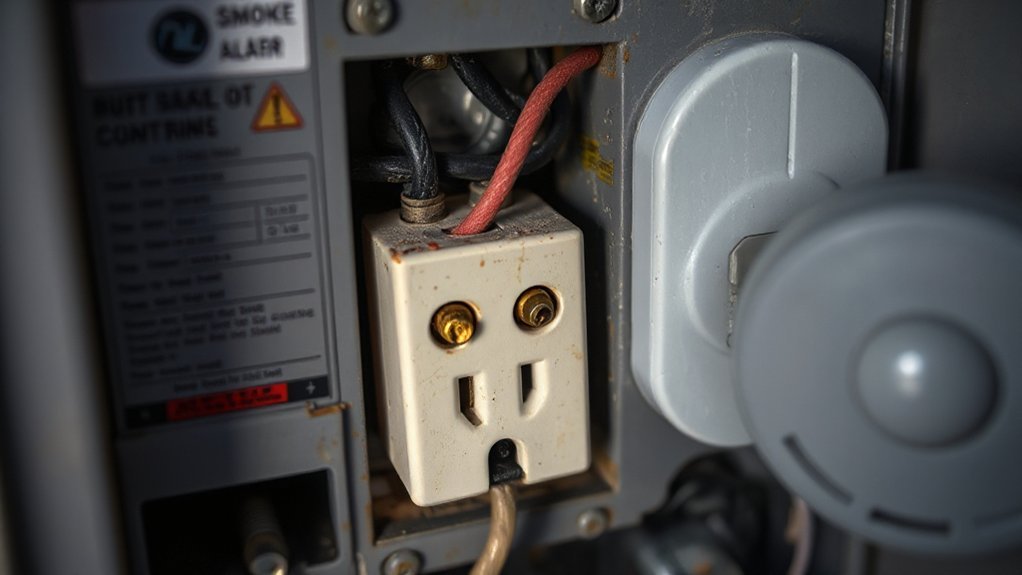
From any signs of exterior wear, you can’t assume the electrical system is up to modern standards, and the gap often becomes apparent only after closer inspection. You evaluate safety by checking visible wiring, consumer units, and discernible age. Electrical hazards increase when circuits aren’t clearly labelled, when sockets sit flush with plaster, or when a dual-rate fuse or RCD protection appears absent or outdated. Look for evidence of compliance with current UK regulations and any recent rewiring documented by a licensed electrician. If the property hasn’t had wiring upgrades in the last 25–30 years, expect higher retrofit costs and potential accessibility limitations. Note fuse boxes, cabling routes, and potential overload risks, then seek professional assessment before making an offer. Prioritise a formal safety certificate and a detailed remedial plan.
Local Disclosures and Survey Notes You Must Verify
Local disclosures and survey notes can reveal critical limits on what a property offers and any隐藏 risks that aren’t visible during a casual viewing. You must verify these details to avoid post-purchase disputes and hidden costs. Focus on documents tied to Property financing and legal considerations, as these often govern repairs, insurance, and lender conditions. Clear, current disclosures protect you from overestimating value and underestimating obligations. Cross-check survey findings with planned renovations, compliance, and potential access rights. Ask for full reports, dates, and responsible parties, and confirm how they affect your loan terms, interest rate, or conditions precedent. Thorough verification reduces risk and strengthens negotiation strength.
- Disclosure timelines and responsible parties
- Survey scope, limitations, and update cadence
- Compliance with current building regulations
- Implications for Property financing terms
- Legal considerations impacting ownership and remedies
Valuation Reality Checks: How Chain Status Affects the Numbers
Chain status can distort valuation, so you’ll see price gaps tied to whether a sale is chained, pending, or standalone. Pending offers tend to pull prices up, while actual readiness to move may cap expectations. Seller pressures across the chain often skew numbers, so treat quoted values as a data point, not a final verdict.
Chain Status In Value
When evaluating property value, chain status can be a decisive factor: it directly influences offer timing, financing risk, and price negotiation dynamics. You’ll see how a multi-link chain compresses or extends settlement windows, shifting appraisal stress and lender confidence. As you appraise value, consider how chain reliability interacts with recent comparables, property staging, and the target sale timeline. A clear chain reduces perceived risk, often supporting tighter contingencies and steadier offers. Conversely, a weak chain may depress price expectations as buyers price in renewal uncertainties and bridging costs. Factor in neighborhood amenities and access to services, which can dampen or amplify value swings depending on chain confidence. Your valuation should reflect timing risk alongside physical condition and location.
- Chain stability and settlement timelines
- Financing risk and mortgage conditions
- Impact of contingencies on offer strength
- Role of property staging in perceivedValue
- Neighborhood amenities as value dampener or booster
Pending Offer Impacts Price
Pending offers can directly reshape a property’s valuation by altering risk assumptions lenders and buyers rely on. When you assess price, you must factor in how pending bids affect perceived certainty and financing proximity. Market trends influence how aggressively or conservatively evaluators adjust assumptions, so you’ll want to map current velocity in sales, days on market, and contingencies offered. If a strong offer arrives, valuation models may tighten debt-service coverage and contingency buffers, nudging the price toward the bid or above it in rare cases. Your negotiation tactics should account for potential shifts in final terms, including completion timelines and mortgage conditions. Maintain a disciplined view: reflect incremental risk adjustments, not sensational conclusions, and corroborate with comparable recent activity and lender guidance.
Seller Pressures Distort Numbers
Seller pressures can tilt numbers even when fundamentals look solid. When chain status dominates valuation, you must verify figures against independent checks and real-time market data. Short-term urgency often compresses asking prices, while seller expectations can skew comparables and reduce margins for error. You’re evaluating not just the property, but the seller’s leverage, which shapes reported values and timing. Maintain market honesty by cross-referencing multiple sources, and question any discrepancy between quoted price and recent sale comparables. Look for discrepancies in tenure, maintenance costs, and completion timelines that may mask true value. Demand transparent justification for any premium, and pull in a second opinion if a deal hinges on chain dynamics.
- Seller pressures can distort valuations; seek independent benchmarks
- Compare multiple, recent comps to test consistency
- Ask for breakdowns: costs, timelines, and contingencies
- Watch for abrupt price changes tied to chain movement
- Prioritize market honesty over single-figure allure
What to Ask the Vendor and How to Verify the Answers

To get reliable information, ask targeted questions that cover title, boundary rights, property condition, and recent history, then verify through documents, independent checks, and official records. You should frame inquiries to reveal constraints, easements, and liability exposure, and insist on independent confirmations where possible. Ask for the Title Register, Plan, and any covenants, plus couple these with recent surveyor notes and energy performance certificates. Verify answers by cross-checking dates, approvals, and planning records with local authorities and the seller’s disclosures. Check for inconsistencies between stated history and registered data, and probe significant repairs, alterations, or drainage issues. Consider how Neighborhood amenities, access, and service connections affect value. Always request third‑party verifications and retain a record of all responses for future negotiations and due diligence. Property history matters.
When to Walk Away and the Practical Next Steps After a Decision
After completing your inquiries and independent verifications, there are clear red lines that signal it’s time to walk away. You’ve identified deal-breakers, and the decision now hinges on practical steps to minimize risk and preserve options. You’ll act decisively, documenting findings, and avoiding emotional commitments. Consider how Property staging and neighborhood amenities align with your criteria, and whether discrepancies affect value or suitability. If gaps persist, proceed to disengage and reallocate time or budget to alternatives. The next phase focuses on securing your position, preserving evidence, and avoiding escalation.
- Confirm offer withdrawal in writing and request written confirmations of any counterpoints
- Reassess with a fresh property shortlist based on updated priorities
- Notify your legal adviser to pause contracts and review due diligence
- Revisit feasibility of financing and contingency planning
- Arrange post-decision property visits or negotiations only with risk controls
Frequently Asked Questions
How Soon Must You Act if Red Flags Appear During a Viewing?
Act quickly: you should act within 24 to 48 hours when red flags appear during a viewing. Timing considerations require swift assessment, and urgency indicators mean you may walk away or request further inspections to protect your interests.
Can a Property’s Chain Status Change After a Viewing?
Yes, a property’s chain status can shift after a viewing. Like a ship’s rig, property history and chain stability can change with new offers, disclosures, or finance issues you uncover, impacting purchase timing and risk assessment.
What Documentation Confirms Recent Damp or Structural Work?
Recent damp or structural work is documented by Building permits and Structural reports. You should verify permits, request full structural engineers’ reports, and confirm with the local authority on approvals before proceeding with any offer or mortgage application.
Are There Hidden Costs Beyond the Asking Price?
Hidden fees loom like shadowed staircases; yes, hidden costs beyond the asking price exist. You’ll face extra expenses, from stamps to surveys, repairs, and insurance, so budget meticulously, verify inclusions, and request detailed seller accounting before committing.
How Reliable Are Vendor Disclosures and Survey Notes?
Vendor disclosures and survey notes vary; you should treat them cautiously. You’ll assess vendor honesty and survey accuracy, cross-checking with independent surveys and legal checks to avoid over-reliance on potentially biased or incomplete information. Verify before committing.
Conclusion
When you’re viewing a UK home, trust your observations: damp, cracks, leaks, and sagging roofs are warnings, not quirks. Confirm with checks, notes, and, if needed, professional surveys. Watch for disclosure gaps and chain delays that skew value. If issues escalate beyond quick fixes, it’s usually wiser to walk away. As the adage goes: measure twice, buy once. In the end, thorough verification saves time, money, and future headaches.
About the Author