About 60% of damp problems in older UK walls stem from breathability issues rather than sheer moisture influx, and you’ll feel the impact across fabric and stability. You’ll need a methodical, preservation-first approach that preserves historic materials while controlling moisture. Think breathable lime systems, calibrated damp-proof courses, and cautious use of modern barriers. Each step hinges on accurate assessment and respectful detailing—because the choices you make now determine long-term durability and character, and there’s more to contemplate beyond initial fixes.
Rising Damp in Period Homes: What It Looks Like and Why It Happens
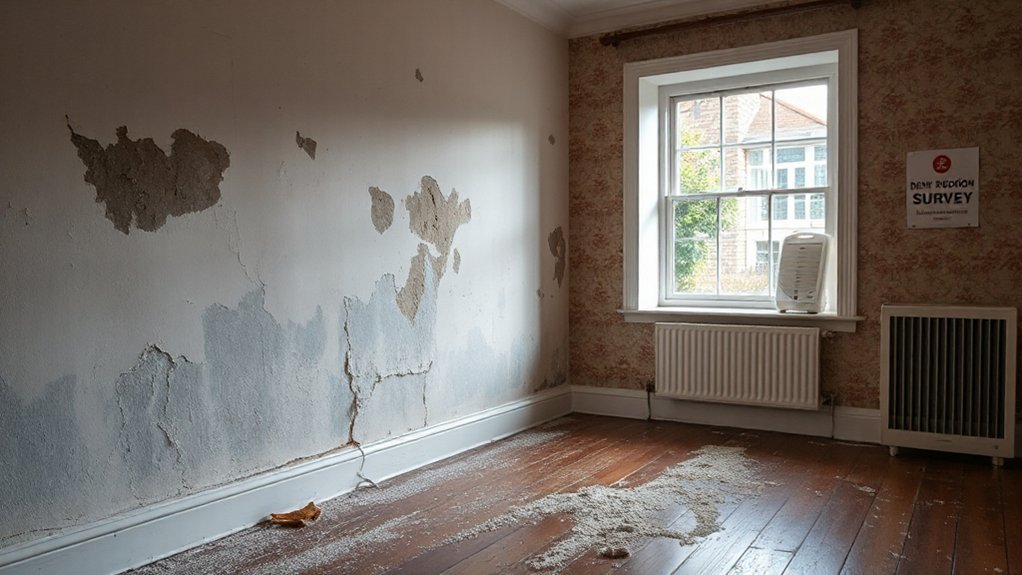
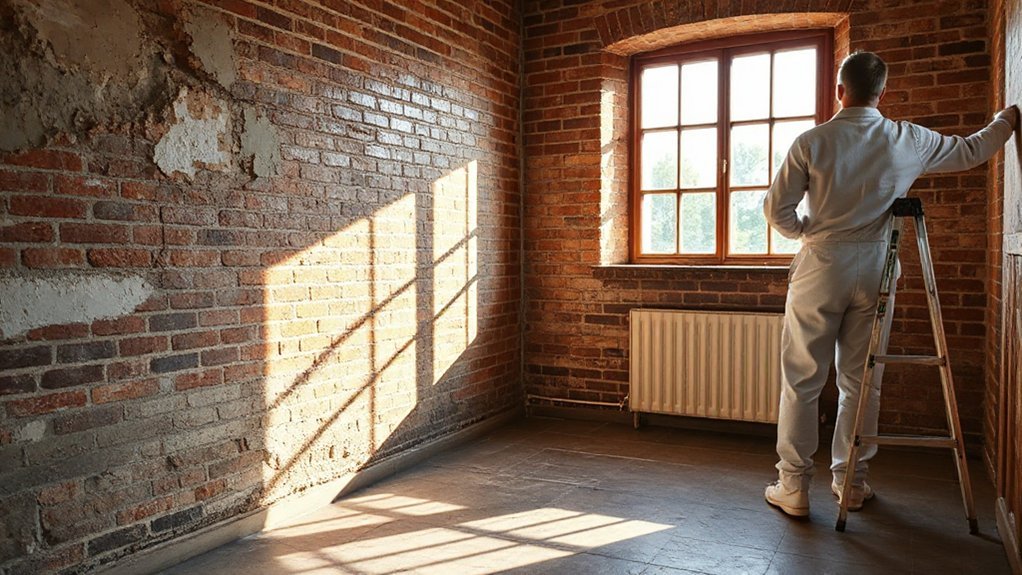
Rising damp in period homes manifests as a persistent watermark of dampness on lower walls, typically visible as a damp patch, salt efflorescence, or patchy paintwork near floor height. You assess the condition by examining boundary progression from wall to floor and noting the saturation depth and continuity of the affected band. In historic plaster environments, moisture wicks through porous substrates, destabilizing surface finishes and compromising plaster adhesion. Effective intervention prioritizes controlled moisture reduction and reversible strategies. You implement targeted moisture barriers to slow ingress while preserving historic fabric, avoiding aggressive demolition. Any repair sequence respects original thickness and profiles, documenting substrate layers for future maintenance. You document findings and establish monitoring to verify performance, ensuring that remedial methods remain compatible with preservation objectives and minimal aesthetic impact.
Diagnosing Damp: Signs, Causes, and a Practical Checklist
Diagnosing damp involves a structured, evidence-based approach that first confirms moisture presence and then identifies sources. You’ll assess indicators like staining, salt efflorescence, musty odor, and surface coolness, differentiating moisture from painting or plaster faults. Next, trace likely causes—air leakage, condensation, or plumbing leaks—using observation, moisture mapping, and history review. Your practical checklist prioritizes preservation goals: minimize disruption, document findings, and plan targeted remediation.
- Verify interior humidity patterns with representative readings and correlate to occupancy.
- Inspect airtightness and ventilation gaps that drive condensation on cold surfaces.
- Check for hidden leaks, plumbing corrosion, and failed seals in service runs.
- Record conditions, stratigraphy, and weather impacts to guide durable, reversible interventions.
Breathable Wall Systems That Protect Historic Fabric
You’ll assess breathable wall assemblies as the backbone of historic fabric protection, balancing moisture transport with structural integrity. Consider how preservation-focused designs interact with damp-proofing compatibility systems to safeguard historic materials without compromising breathability. This discussion centers on precise criteria for material compatibility, installation methods, and long-term performance that respects the building’s heritage.
Breathable Wall Assemblies
Breathable wall assemblies are essential for protecting historic fabric in older UK properties, because they allow moisture to escape while preventing external liquid intrusion. You’ll prioritize controlled vapor flow and capillary breakage, ensuring the wall assembly remains dry without trapping moisture. In practice, you combine moisture barriers with permeable layers and continuous insulation to maintain fabric integrity and thermal performance.
- Moisture barriers alongside permeable sheathing
- Wall insulation placed to avoid thermal bridging
- Ventilated cavities to encourage drying
- Compatible renders and lime-based finishes for historic breathability
This methodical approach reduces damp risk, preserves permeability, and supports long-term stability. You’ll verify compatibility of materials, detailing, and junctions at corners, openings, and penetrations to maintain the wall’s breathable function while resisting moisture ingress.
Historic Fabric Preservation
Historic fabric preservation hinges on applying breathable wall systems that safeguard energy performance while allowing moisture to escape. You assess historic fabric first, mapping moisture pathways, capillary action, and timber or lime plaster vulnerabilities, then select compatible breathable assemblies. Preservation techniques prioritize mineral-based renders, lime mortars, and permeable infills that align with original porosity. You guarantee continuity of vapor permeability across joints, detailing fabric-sensitive detailing at corners, openings, and penetrations. You monitor for thermal bridges and salt migration, documenting seasonal moisture fluctuations to avoid trapped moisture. You maintain interior environments that respect historic interior conditions, while avoiding over-drying that can induce cracking. Your methodical approach emphasizes minimal intervention, reversibility where feasible, and clear, recordable maintenance steps to sustain long-term performance of the historic fabric.
Damp-Proofing Compatibility Systems
Are breathable damp-proofing systems the key to safeguarding historic fabric without compromising porosity? You evaluate Damp proofing compatibility by matching performance to wall fabric, humidity regimes, and historical detailing. You’ll deploy breathable barrier materials that allow vapor to pass while resisting water ingress, preserving mineral textures and joinery. Implement a systematic assessment of substrate condition, tie into existing plaster and lime mortar, and verify UK standards alignment. You’ll monitor capillary rise, surface damp, and internal climate, adjusting layers to avoid tissue drying cracks or salt drift. Confirm compatibility between new materials and original wall finishes, and document performance over seasons.
- Materials compatibility assessment
- Breathable barrier material selection
- Application detailing and interface control
- Monitoring, maintenance, and documented results
Traditional Damp-Proofing vs Modern Technologies: When to Use Which
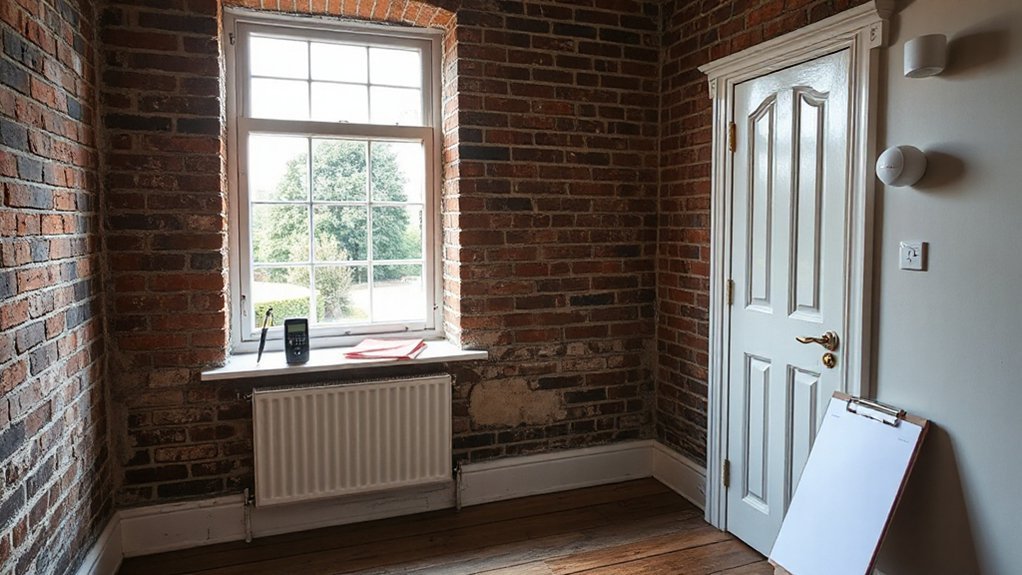
Traditional damp-proofing methods—such as lime-based plaster, lime mortar, and breathable wall assemblies—remain essential when preserving historic fabric or addressing moisture sources that rely on capillary action without compromising wall permeability. You assess conditions, selecting traditional craftsmanship when textures, vapour diffusion, and historic finishes must be retained. Modern technologies offer targeted responses for persistent humidity, rising damp, or inaccessible cavities, but you apply them with caution, ensuring compatibility with older substrates and long-term moisture dynamics. When durability, reversibility, and heritage value dominate, prioritize breathable systems and lime-based treatments. For retrofit scenarios prioritising energy efficiency, integrate Eco friendly insulation only where it does not disrupt diffusion paths. Use a hybrid approach judiciously, documenting decisions, maintaining reversibility, and preserving integrity of the historic fabric.
Shared Walls and Listed Buildings: Constraints and Permissions
Shared walls impose shared responsibilities and require careful assessment of structural and historical constraints. You must verify party-wall duties, access rights, and any listed-building protections before proposing damp-proofing measures. We will outline permissible approaches, consent needs, and documentation to guarantee compliance without compromising fabric or heritage value.
Shared Walls Constraints
When dealing with shared walls in older UK properties, you must navigate ownership boundaries, party-wall legislation, and potential implications for listed status; these factors constrain alterations and require careful coordination with neighbours and conservation bodies. You approach work with a technical, preservation-focused mindset, prioritising structural integrity and minimal invasiveness. Shared wall constraints demand documented agreements, accurate measurements, and adherence to approved methods.
- shared wall insulation considerations that respect thermal performance without compromising fabric
- party wall agreements essentials: notice, duration, scope, and dispute resolution
- coordination with neighbours to align replacement timings and access permissions
- conservation body guidelines for any insertions, finishes, or treatments
This approach minimizes risk while enabling compliant damp-proofing interventions within existing historic fabric.
Listed Buildings Permissions
Listed buildings impose additional oversight on damp-proofing work that touches or alters historic fabric. You navigate permissions through statutory frameworks, local planning policies, and, where relevant, statutory consultees. Before any intervention, you prepare a detailed schedule of works, noting where damp-proofing interfaces with original materials, fabric, and decorative elements. You must demonstrate architectural authenticity by preserving detailing, joinery, and lime-based mortars, avoiding invasive practices that threaten historic character. Obtain listed-building consent or approved developer measures, and align with guidance from conservation officers. Document environmental impact assessments for materials, waste, and moisture management. Coordinate with surveys of heritage significance, ensuring monitoring continues post-application. Clear, technical records support compliance, minimize risk, and sustain the building’s integrity while delivering effective damp control.
Step-by-Step Guide: Choosing, Budgeting, and Maintaining Damp-Proofing Solutions
Choosing the right damp-proofing path begins with a clear assessment of your home’s moisture sources, structure, and condition, then matches proven methods to risk, budget, and notional preservation goals. You’ll prioritise durability, reversibility, and compatibility with historic fabrics, selecting solutions that balance performance with minimal invasiveness. Plan costs, timelines, and inspection milestones to track progress and maintain historic value.
- Assess moisture drivers, ventilation, drainage, and substrate compatibility with eco friendly materials and retrofit options.
- Choose methods that suit your parge, brick, or lime plaster, ensuring aesthetic integration with original finishes.
- Budget for design, consent, and ongoing monitoring, emphasizing maintenance intervals and retrofits.
- Document decisions to support future conservation requirements and property value preservation.
Frequently Asked Questions
How Long Does Damp-Proofing Typically Last in Old UK Properties?
Damp-proofing longevity varies, but expect roughly 20–40 years for standard treatments in old properties. Regular inspections, proper ventilation, and timely reapplication support preservation. You maintain effectiveness through meticulous monitoring, ensuring old property preservation remains viable between installations.
Are There Risks to Historic Plaster When Applying Damp-Proofing?
You’ll need to assess risk to historic plaster: damp-proofing can compromise plaster compatibility and historic preservation if applied indiscriminately; perform compatibility tests, use reversible methods, and document effects to safeguard preservation priorities. Stay methodical—no surprises, keep records.
Can Damp-Proofing Affect the Property’s Listed Status or Permissions?
Damp-proofing can affect Listed status and Permission implications, so you must assess impacts before work. You’ll need conservation-grade methods, approvals, and documentation to preserve historic fabric while meeting regulatory requirements and safeguarding listed-property integrity.
What Is the Cost Range for Breathable Wall Systems in Period Homes?
Breathable wall systems in period homes typically cost roughly £60–£120 per m² installed. You’ll balance breathable materials with historical preservation needs, ensuring compatibility and long-term performance while you assess lifecycle costs and maintenance requirements. Clarity matters, right?
How Do Damp Solutions Impact Interior Moisture and Condensation Control?
You improve interior moisture and condensation control by implementing ventilation strategies and moisture barriers, reducing humidity spikes, and promoting drier microclimates; you systematically monitor results, adjust airflow, and preserve historical materials without compromising fabric or breathability.
Conclusion
In sum, you should balance assessment, materials, and oversight to safeguard historic fabric. Prioritize breathable lime systems, reversible damp-proofing, and minimally invasive measures, reserving modern tech for carefully justified cases. Document every decision and stay compliant with conservation guidelines. Treat each wall like a patient: monitor, treat, and maintain. Think of your damp-proofing plan as a well-tuned organ, where every part supports the whole without compromising longevity or character.
About the Author