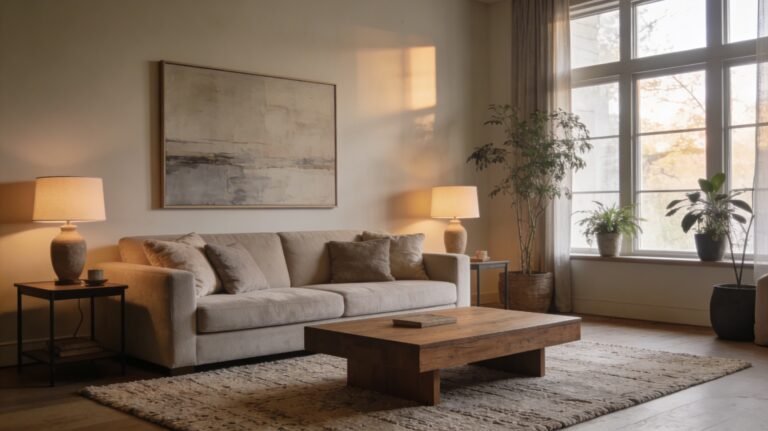
Imagine this: a teen saves 20 minutes a day because they know exactly where every pencil and charger lives. You’re aiming for a organized, calm study space nook that cuts visual noise and fatigue, with adjustable lighting, labeled containers, and tech boundaries. You’ll feel the difference as focus returns and stress drops, but there’s more to fine-tuning—how to balance color, scent, and layout so your space truly grows with them, not against them. Let’s start shaping that room.
Why a Calm Teen Study Space Boosts Focus
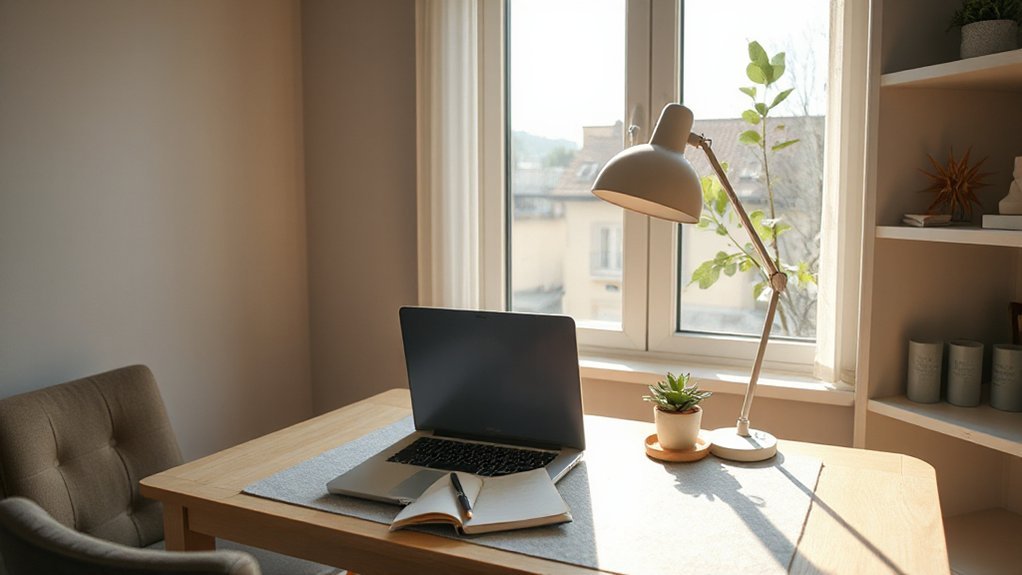
A calm study space helps you focus by reducing distractions and signaling your brain that it’s time to work. When your surroundings feel orderly, your attention stays on the task, not on clutter or noise. A deliberate setup reduces cognitive load, so you can think more clearly and complete work faster. Music therapy can soothe nerves without stealing focus; pick instrumental tracks at a low volume that support concentration rather than entertainment. Environmental scents matter too: subtle aromas like citrus or peppermint can energize you without overpowering your senses. Personalize your space with simple, meaningful cues that calm you—nothing overwhelming. By prioritizing quiet, predictable routines, you create momentum you can sustain across homework, projects, and exam prep.
Lighting and Color: Design Criteria That Sharpen Attention
Good lighting and thoughtful color choices aren’t just about mood; they sharpen your attention and cut down eyestrain when you’re staring at screens or papers for long stretches. In practice, aim for ambient lighting that minimizes glare and shadows, softly illuminating the whole desk area without harsh hotspots. Pair this with task lighting you can control—dim for reading, brighter for writing. Choose soothing colors on walls and shelves to reduce visual noise, but keep enough contrast between your desk and background to help focus. Use a cool-neutral base with a small, warm accent to cue study zones. Balance color temperature and brightness to support stamina, not distraction, so you stay engaged without fatigue.
Quick Organization Tricks to Reduce Friction
If you declutter your desk with the essentials you actually use, you’ll waste less time searching for items and stay focused longer. Streamline your daily routines by grouping repeat tasks—like notes, chargers, and supplies—so everything you need is in reach. When friction moments pop up, set a simple five-minute reset rule to restore order and keep momentum going.
Declutter Desk Essentials
Decluttering your desk isn’t about chasing perfection; it’s about cutting friction so you can start studying with less distraction. You’ll benefit from a focused setup that supports steady momentum. Start by removing nonessential items, keeping only what you actively use. Group supplies into labeled containers so you can find pencils, chargers, and notepads in seconds. Keep cables tidy with clips or a small tray to prevent tangles and desk creep. Create zones: a primary work area, a charging nook, and a small, dedicated space for notes. Introduce minimal decor and soothing accessories to foster calm without competing with your flow. Remember to wipe the surface weekly and update as needed; a clean desk reduces stumbling blocks and invites consistent study sessions.
Streamline Daily Routines
Streamlining daily routines is about trimming the little friction points that steal your focus before you even sit down to study. You’ll save time by setting up a simple morning and evening checklist, so you start and end strong. Build a predictable rhythm: lay out what you’ll study, when you’ll take breaks, and how you’ll shift between tasks. Use a timer to guard your focus blocks, and keep supplies within arm’s reach to avoid hunting for stuff. Add motivational quotes where they’ll actually help, not distract you, and choose ambient sounds that calm you without pulling focus. Review yesterday’s wins and tomorrow’s plan each night to reduce decision fatigue. Small, consistent tweaks beat big, flaky changes every time.
Tech Boundaries That Actually Support Study Time
Tech boundaries aren’t about “no fun”; they’re about creating space where focus can grow. You’ll feel steadier when tech supports study, not consumes it. Use these practical steps:
1) Set a defined study window with a 5–10 minute tech detox before you start, to clear mind clutter.
2) Create a dedicated device-free zone on the desk during deep work, so you stay in flow.
3) Schedule digital boundaries, like no notifications for the first 30 minutes, then check-ins.
4) Use tools that support focus (blocked apps, timers) and reward yourself afterward.
These tweaks protect attention, cut distractions, and build momentum. Remember, digital boundaries empower you, not punish you, so you can finish tasks with less stress.
Adjustable Layouts and Furniture That Grow With Teens
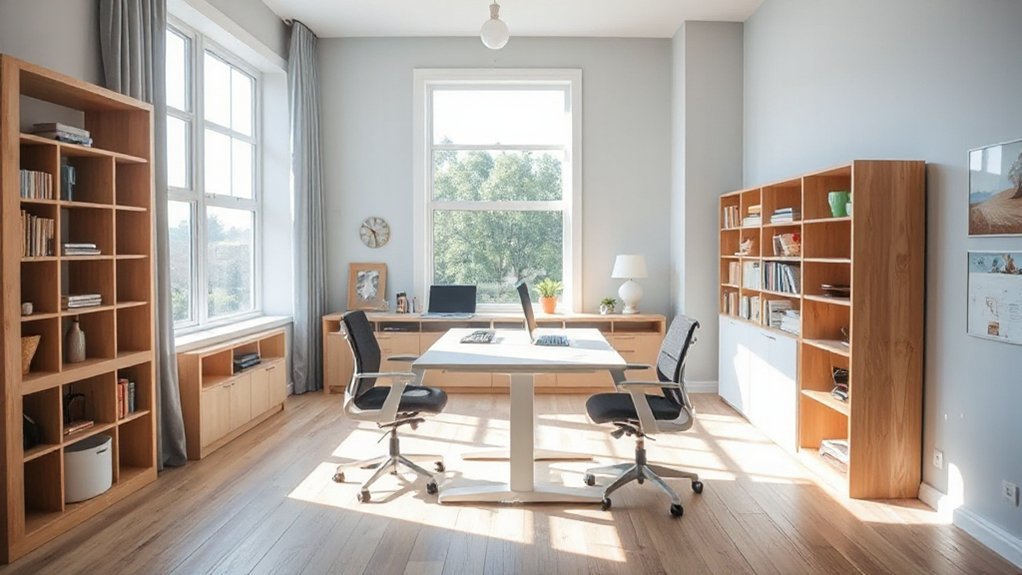
As your body changes and study needs shift, an adjustable desk height supports better posture and focus. Pair it with flexible storage that grows with you, so you can keep supplies organized without clutter. Start by choosing a desk that adapts and storage options you can reconfigure as you move through high school.
Adjustable Desk Heights
Adjustable desk heights let teens work comfortably as they grow, so choose a desk that can raise and lower smoothly to match their height and posture. You’ll notice better alignment, reduced shoulder strain, and fewer breaks. Prioritize simple mechanisms and smooth motion for daily use.
- Check range: enough rise to keep elbows at about 90 degrees when seated and standing.
- Test stability: wobble-free surfaces prevent distractions and spills.
- Consider memory presets: quick height shifts support both sitting and standing routines.
- Pair with a supportive chair and monitor stand for ergonomic benefits and furniture customization.
Flexible Storage Solutions
Flexible storage that grows with teens helps keep a busy study space organized as their needs change. You’ll want modular bins, drawers, and shelves that can shift with subjects and projects, not just today’s layout. Choose furniture with adjustable heights, rollable units, and stackable modules so you can reconfigure without a full redo. Label bins clearly to reinforce Storage organization and cut search time, helping you stay focused. Use wall-mounted organizers for frequently used supplies, freeing desk space for work. Consider a compact filing system for papers and a secondary closet or under-bed storage for bulky items, so space feels open rather than cluttered. Prioritize space maximization by balancing accessible storage with enough room to study, write, and brainstorm.
Simple Daily Routines for a Peaceful Study Habit
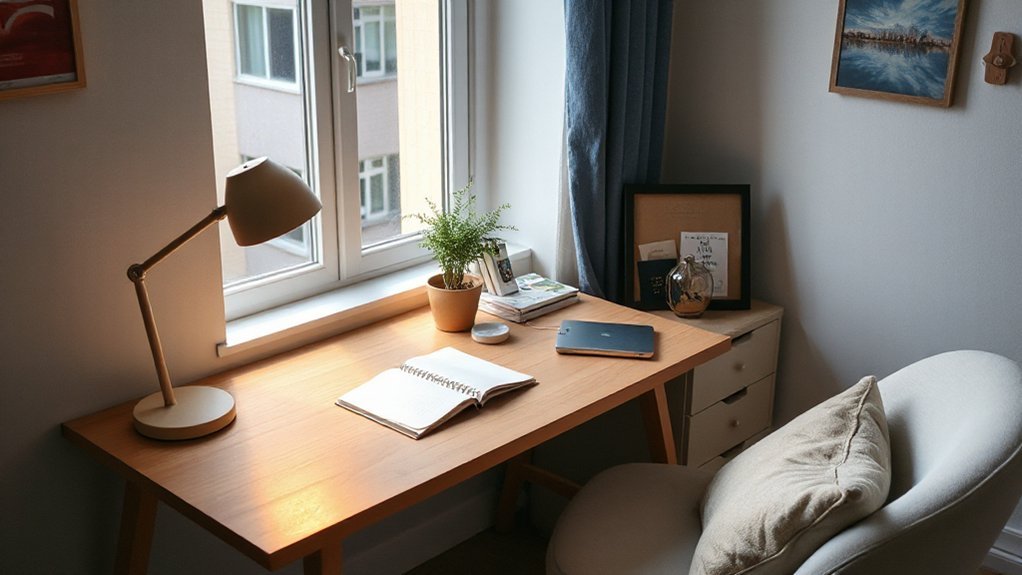
A simple daily routine helps your brain settle into study mode and keeps stress from spiraling, even on busy days. You’ll feel steadier when you set a predictable sequence that fits your life, not fights it. Here’s a practical blueprint:
1) Morning prep: review goals, pack essentials, and choose a calming playlist to cue focus.
2) Dedicated study block: clear a desk, silence notifications, and start with a quick 5-minute plan review.
3) Breaks that actually help: stretch, grab a snack option, and reset attention before the next task.
4) Evening wind‑down: reflect on progress, jot next steps, and set a gentle alarm for tomorrow.
Music playlists and snack options support consistency, not perfection.
Frequently Asked Questions
How Long Should a Teen Study Session Typically Last?
A typical teen study session should last about 25–50 minutes, depending on focus and tasks. You’ll benefit from using ideal focus intervals—followed by short breaks—to recharge, maintain momentum, and finish with a quick review.
What’s a Budget-Friendly Calming Color Palette for Teens?
A calming, budget-friendly palette uses soft greens and blues, symbolizing growth and calm. You’re guided by color psychology, choosing soothing neutrals with budget friendly decor accents. You’ll feel focused, supported, and capable as you study and create.
Can Plants Genuinely Improve Focus in a Study Space?
Yes, plants can help focus by improving air purification and boosting mood with natural light reflection, but choose hardy varieties, water moderately, and place them where you’ll see them daily to stay motivated and productive.
How Often Should Lighting Be Refreshed for Mood Consistency?
Light should be refreshed every 6–12 months to maintain mood stability. In a case study, you notice brighter, steady lighting boosts focus. Lighting maintenance matters; you’ll keep routines consistent, reducing flicker and supporting calmer study sessions for you.
Are There Quick Screens-Free Alternates During Study Breaks?
Yes—try quick screens-free breaks: mindful breathing for 1 minute, then quick stretching to loosen shoulders and wrists. You’ll feel calmer and more focused, helping you refocus faster during study bursts.
Conclusion
You deserve a space that quiets distractions, fuels focus, and supports growth. Create a calm study nook, tune lighting, and choose soothing colors that soothe your mind. Keep supplies organized, use labeled containers, and maintain tidy surfaces. Set clear tech boundaries, adopt focus routines, and accept adjustable layouts that grow with you. Build daily habits that feel doable, not draining. Prioritize comfort, minimize fatigue, and celebrate steady progress. Your calm space helps you study better, feel confident, and thrive.
About the Author