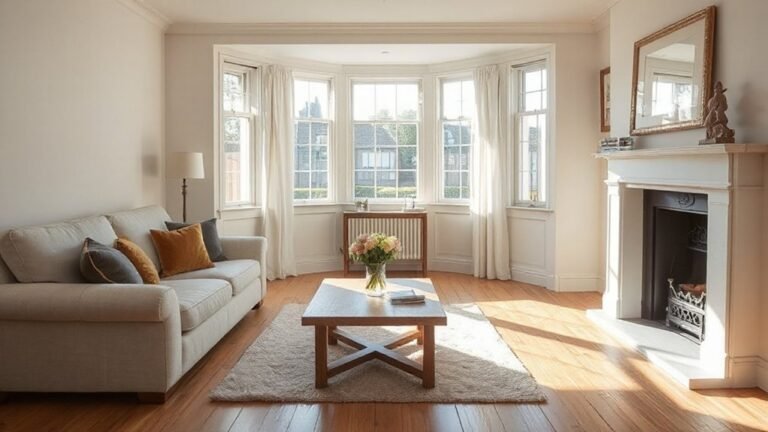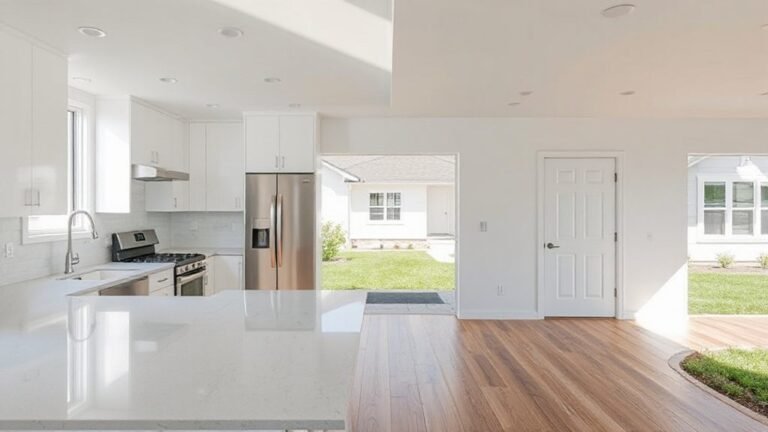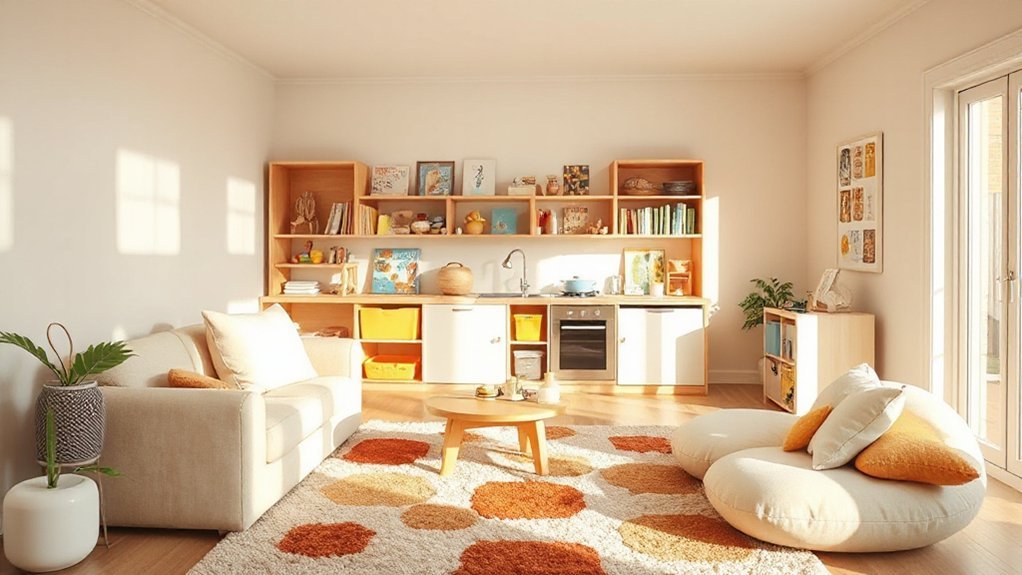
Think of your living room as a calm playground you can live in, where a cozy nest meets a sturdy fortress for daily tasks. You’ll shape safe paths, choose kid-friendly finishes, and tuck tidy storage into easy reach so mess doesn’t derail a moment. You’ll balance soft lights with sturdy zones for supervision and independence—and yes, there’s room for your own quiet corner too. Ready to map out spaces that grow with your family and keep everyone feeling secure?
Define Family Safety and Flow Goals for a Child-Friendly Living Room

Creating a child-friendly living room starts with clear safety and flow goals: you want a space that traps accidents before they happen and lets caregivers move smoothly from one zone to the next. You’ll define clear boundaries that support child supervision without feeling controlling, so you stay involved without hovering. Prioritize sightlines, open pathways, and reachable play zones that invite curiosity while limiting clutter. Safety barriers help posture separation between active play and relaxing corners, guiding movement with purpose. Map progressions between seating, toy areas, and the TV, ensuring there’s no bottleneck for adults or kids. Communicate rules with calm, consistent cues, so routine becomes second nature. This groundwork keeps energy focused on exploration, learning, and shared enjoyment.
Choose Durable, Safe Materials and Finishes
When choosing materials for a child-friendly living room, pick durable, easy-to-clean surfaces that stand up to spills, knocks, and high activity. You’ll prioritize non toxic materials and sealants that resist stains yet release no fumes. Look for fabrics with stain resistance and cushions that are removable and washable. Choose Eco friendly finishes on furniture and floors, avoiding harsh solvents and complicated maintenance. Opt for solid wood, plywood with low-VOC coatings, and resilient laminates that won’t scratch easily. Test scratch, spill, and fade resistance in a real-world setup. Favor rounded edges and sturdy joints to minimize injury. Remember, durability should not trump safety—verify certifications, and prefer materials labeled safe for kids, pets, and busy households.
Design Layouts for Safe Flow, Easy Access, and Family Collaboration
You design your living room so foot traffic flows safely and naturally, keeping main pathways clear and clutter-free. You create accessible, kid-friendly zones that invite collaboration, with seating and toy areas arranged for easy reach from anywhere in the room. You’ll keep safety and connection front and center, inviting everyone to contribute to the space you all share.
Safe Traffic Flow
A clear floor plan is your ally: you want plenty of open paths, low-traffic zones near the kids’ favorite activities, and easy shortcuts to the kitchen and exits. You design clear sightlines, so supervision comes naturally without hovering. Place furniture to create intuitive routes that avoid bottlenecks—think gentle U-shaped layouts and rug boundaries that cue traffic flow. Keep obstacle-free zones around play areas to prevent trips during Interactive play, and mark zones with soft boundaries rather than hard barriers. Use Safety signage that’s friendly and visible, guiding adults and kids alike. Prioritize accessible shortcuts for everyday progressions, calming chaos during busy mornings, and quick egress in emergencies. Your family-friendly flow supports independence, safety, and shared, peaceful moments.
Accessible Family Spaces
Accessible Family Spaces thrive on layouts that invite collaboration, movement, and quick access for everyone. You’ll design for safe flow, easy reach, and shared play—so grownups and kids move as a team, not in opposition. Prioritize low, open sight lines, rounded edges, and clear zones that encourage collaboration without crowding. When you map routes, keep chairs, cushions, and toys off main paths to prevent trips. Choose child proof furniture that doubles as seating for adults, and integrate interactive technology with safety in mind, so devices become family tools, not hazards. Use accessible storage at kid height to empower cleanup and decision making. Quick, calm handoffs foster confidence and playful learning for all ages.
- Interactive technology integration that stays supervised
- Child proof furniture with dual-use design
- Low-tall storage and labeled bins for independence
- Clear, accessible activity zones and paths
Layer Lighting for Safety, Comfort, and Mood
Layer lighting isn’t just about looking cute—it’s about making every corner safe, comfy, and inviting for kids. You’ll layer ambient, task, and night lighting so little steps feel confident, not risky. Use low, warm glows along pathways and in corners to prevent trips, and add dimmable fixtures so you adjust mood without startling a sleepyhead. Interactive lighting invites curiosity: touchable dimmers, motion-activated nightlights, and color-tuned lamps that respond to playtime without shouting “focus.” Place sturdy lamps on sturdy bases, away from edges, and choose soft shadows over harsh glare to reduce squinting. Mood enhancing fixtures help progressions—soft glow during reading, brighter task light at crafts, and a cozy cornflower-blue hue for wind-down moments. Your space stays safe, soothing, and delightfully kid-friendly.
Pick Playful Yet Calming Color Palettes

When you pick color palettes, aim for calming hues in play zones so focus and safety stay easy to maintain. Mix playful accents with balanced color pairings to spark creativity without overstimulating little ones. Think breathable combinations like soft blues or greens with gentle pops of warm yellows or corals to keep spaces inviting and practical.
Calming Hues For Play Areas
Curious how color can calm and spark at the same time? You can tune play areas with calming hues that still invite curiosity. Use soft blues or sage greens as walls or rugs to anchor energy, then add pops of gentle coral or sunshine yellow as accents for safe stimulation. You’ll create spaces that feel cozy for little bodies and focused for tasks, without overstimulation. Pair hues with practical choices: low-glare finishes, washable paints, and rounded edges for interactive play zones. Keep textures sensory friendly, from cotton to tactile mats, so kids explore safely. Your play zone stays inviting, not overwhelming, supporting both active and quiet moments.
- Build with calming base colors and intentional accent touches
- Choose washable, non-slip surfaces for safety
- Incorporate varied, soft textures for sensory play
- Zone areas for focused tasks and free exploration
Playful, Balanced Color Pairings
Blending playful energy with calm balance starts with choosing color palettes you can mix and match across walls, furniture, and rugs without overstimulation. You’ll pick playful yet calming pairings by layering soft neutrals with gentle pops of color that kids can identify and enjoy. Use color psychology to guide intensity: reserve bolds for small accents, and keep large planes in soothing tones. Aim for visual harmony by repeating a few favorites in different rooms and scales, so the eye travels calmly. Incorporate durable, washable finishes and tactile fabrics to support exploration. Balance says yes to curiosity, no to chaos: limit high-contrast combos, and test palettes in natural light. With thoughtful palettes, your space feels inviting, safe, and endlessly adaptable for play and learning.
Smart Storage That Keeps Toys Tidy (Without Clutter)
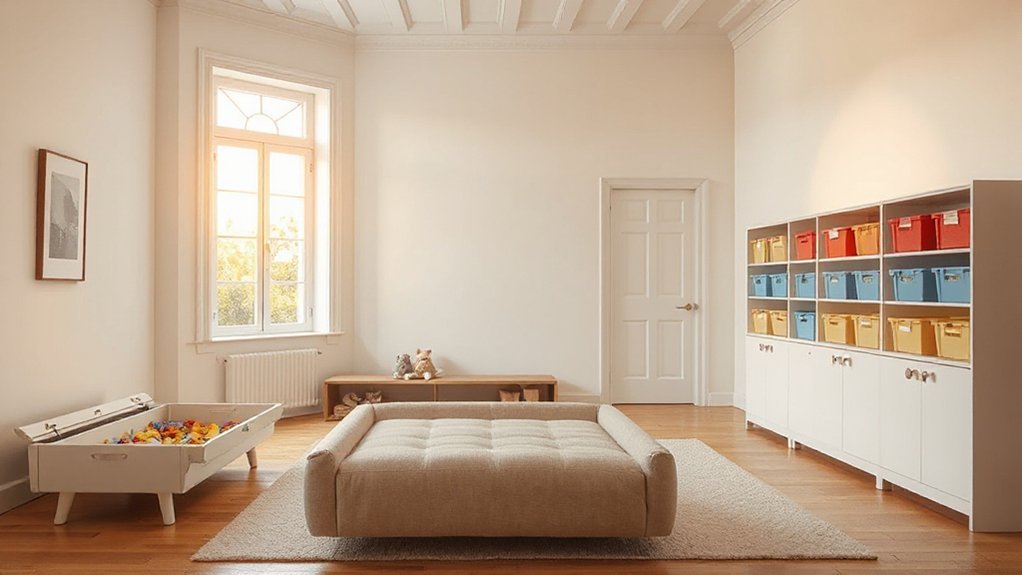
Smart storage should feel like a helper, not a hurdle, so you can tidy up without drama. When you design toy storage, choose quick-access bins and labeled drawers that kids can use independently. Put matching sets at reachable heights and pair open baskets with removable lids to minimize fuss. Use clear containers so kids see what’s inside, and rotate a few toys to keep things fresh without overflowing the room. Consistent routines + simple systems boost toy organization and reduce clutter, letting you reclaim floor space fast. Safety comes first: avoid sharp edges, secure tall units, and use soft-close lids.
- Use labeled, clear bins at kid height
- Group toys by type for easy finding
- Rotate selections weekly to maintain interest
- Choose sturdy, tip-resistant storage solutions
Create Cozy, Age-Inclusive Comfort Zones
Ever wondered how to carve out cozy, age-inclusive comfort zones without turning the room into a maze? You design clear, softly defined areas that invite everyone to relax, play, and recharge. Start with a low, cushioned corner for reading and calm chats, plus a sturdy seating shelf that doubles as a stage for pretend play. Use zones that support quick switches between focus and movement, so quick naps or intense play don’t disrupt the whole space. Include an interactive play nook with accessible shelves and loose parts, encouraging collaboration across ages. Add sensory zones—soft textures, gentle lighting, and quiet textures—that ground kids and caregivers alike. Balance safety, visibility, and flow so adults feel connected while kids feel autonomous.
Personalize With Kid-Approved, Easy-Clean Decor
Personalize the space with decor that kids can own and caregivers can clean without a fuss. You blend function with whimsy, choosing pieces that invite play while staying easy to wipe, wipe, wipe. Interactive decor sparks curiosity without clutter, like magnetic boards, labeled storage bins, and playful chalk surfaces your little one can manage themselves. Pick kid friendly textiles that hide minor spills and stand up to daily adventures. The goal is comfort plus resilience, so you don’t battle chaos—you choreograph it. When design feels safe and accessible, kids gain ownership, and caregivers keep control. This balance makes your living room welcoming for all ages, from quiet reading to brave, boisterous pretend adventures.
- Interactive decor ideas that are easy to maintain
- Kid friendly textiles that resist stains and wear
- Simple storage zones labeled for little helpers
- Calm, accessible layouts that invite safe play
Frequently Asked Questions
How Can I Involve Kids in Decision-Making Without Slowing Progress?
Involve them early with quick, real choices: colors, cushions, and layouts. Use Parent engagement and decision empowerment by delegating tiny tasks, setting timers, and celebrating wins. You’ll keep momentum, stay practical, and boost kids’ safety-minded, joyful buy-in.
What Budget-Friendly Safety Upgrades Make the Biggest Impact?
Invest in childproofing essentials like outlet covers, corner guards, and cabinet latches, then apply budget safety tips such as securing heavy furniture and using door knob covers. You’ll create a safer space with practical empathy and playful safety vibes.
How Do I Balance Style and Kid-Proofing in Every Room?
You balance style and kid-proofing by prioritizing playroom aesthetics and furniture durability, then layering safety with flexible layouts. You pick durable fabrics, avoid sharp edges, and add soft zones, because practical empathy guides playful safety and kid-centric insights.
What Routine Keeps Toy Storage From Becoming Overwhelming?
Establish a routine: daily 5-minute tidy, weekly toy rotation, and monthly purge. Use labeled bins and low shelves. Toy organization simplifies cleanup, while smart Storage solutions keep clutter manageable and your playful safety-first living room kid-friendly.
How Can Parents Model Safe Habits for Children?
You picture a bright, calm space where you model safe habits, showing kid-safe choices and tidy routines; you guide with patient words, demonstrate seatbelt checks and stair rules, and reinforce child safety through steady, loving parent guidance.
Conclusion
You’ve got this: a living room that’s safe, inviting, and genuinely kid-friendly. As you layer durable materials, low-profile storage, and flexible zones, you’ll notice smoother supervision and more confident play. Use soft lighting to calm and illuminate, color that hugs rather than shocks, and decor that kids can own and wipe clean. The result? A space where safety and fun coexist, and every family moment feels like a tiny victory—because your intuitive design is doing the parenting for you. metaphorically, a well-tuned playground at home.
About the Author