A bay window instantly frames a quiet, inviting perch with daylight that moves through the day. You’ll want seating that fits snugly and stays out of view of the view, so the space feels calm rather than crowded. Layer lighting, choose soft textures, and add hidden storage to keep the nook tidy. It’s a space that asks for personality without shouting, a place where small choices ripple into bigger moments—ready to see how it all comes together?
Why a Bay Window Makes the Perfect Reading Nook

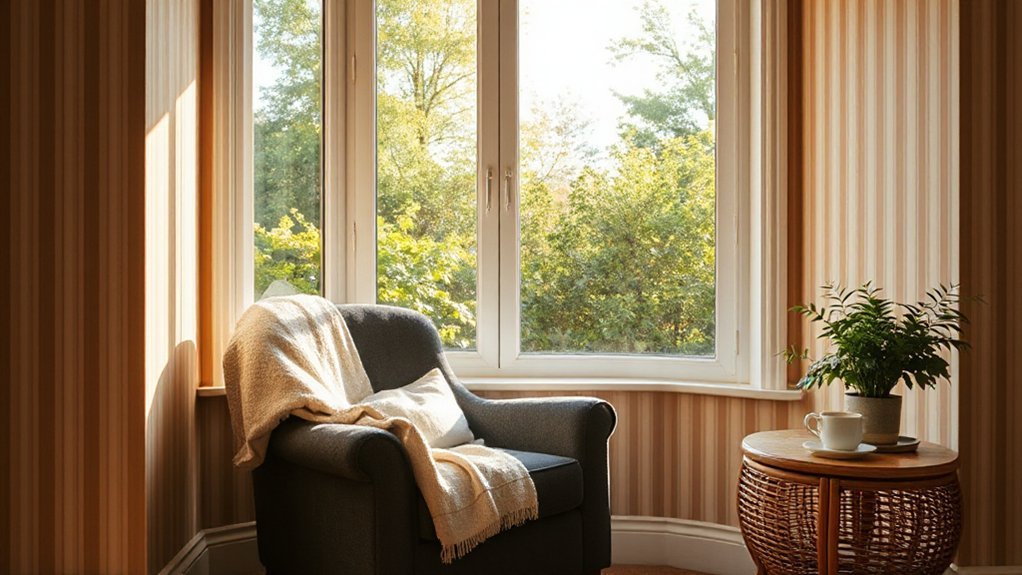
A bay window instantly turns a corner of your home into a quiet retreat. You gain a panoramic view that frames your reading moments, inviting focus without glare. Bay window architecture concentrates daylight from multiple angles, bathing your chair in a steady, soft glow that shifts with the day. You don’t fight the sun; you harness it, reducing the need for artificial lighting. The extra depth creates a natural shelf for books, plants, or a warm mug, sharpening your sense of place. This setup supports longer sessions, with minimal distractions and a calm ambiance. Natural light enhancement plus thoughtful seating choice makes every page feel closer to the scene beyond the glass. Your nook becomes inherently inviting and efficient.
Pick Seating That Fits Your Bay Window
To fit your bay window, choose seating that sits naturally with the window’s depth and angles, rather than forcing a single standard chair into awkward spaces. Start by measuring the sill and alcove, then pick pieces that align with those planes. Opt low-profile seating to keep sightlines clear and lighting generous; avoid bulky arms that crowd the view. Built-in benches maximize space and offer storage, while armless or slim-profile chairs soften corners without shrinking the opening. Consider adjustable ottomans or a small daybed that turls to suit moods. Color and fabric should echo window treatments for a cohesive look. Prioritize space optimization by modular setups you can reconfigure. Keep lines clean, cushions firm, and edges softened with texture rather than clutter.
Layer Lighting for Day and Night
Layering lighting turns a bay window nook into a versatile sanctuary, day or night. You’ll blend ambient lighting with focused task illumination to shape mood, readability, and vibe. Start with a soft overhead layer that fills the space without glare, then add pocket lighting along the sill for depth. Include a dedicated reading lamp at chair height to support long sessions. Dimmer control is essential: raise brightness for daytime tasks, lower it for evening coziness. Use warm temperatures to invite relaxation, then cool tones for focus when needed. Confirm switch locations are accessible and consistent across fixtures.
- Ambient lighting that bathes the space evenly
- Task illumination for reading and writing
- Dimmer versatility for day and night
- Strategic lamp placement at eye level
- Warm-to-cool color temperature transitions
Textures and Colors to Soften the Bay Corner
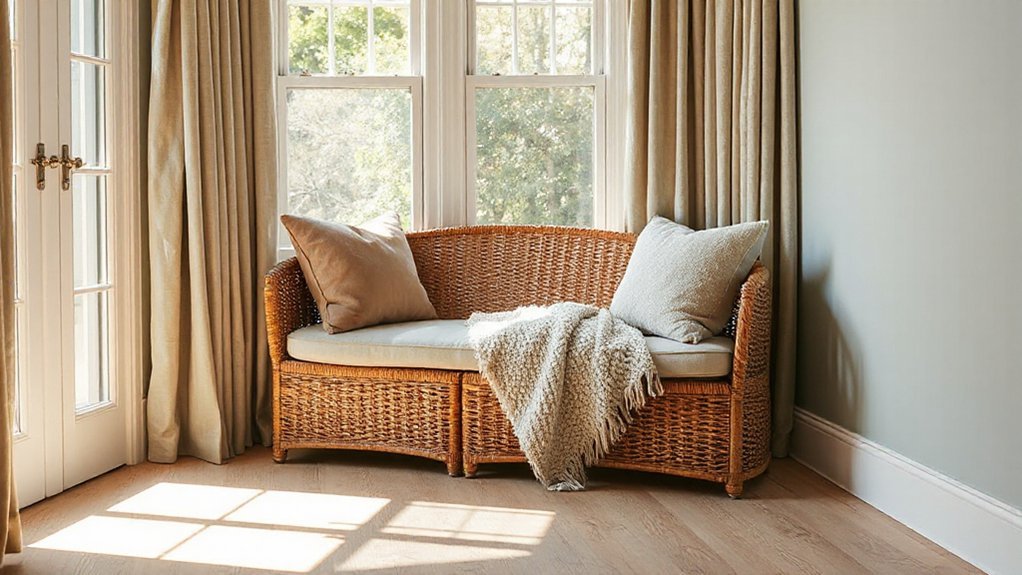
Texture and color choices can soften the bay corner without losing its daylight appeal. You’ll balance light with warmth through tactile wall textures that invite touch without overpowering the view. Consider subtle plaster, linen, or a soft pebble finish to add depth while keeping reflections bright. For color palettes, start with neutrals—warm beiges, airy creams, or cool stone—then layer in a muted accent that echoes upholstery or drapery. Use a single, restrained hue as the anchor, and introduce contrast through texture rather than loud color. Keep ceiling and trim bright to preserve airiness. Introduce fabric swatches and sample boards to confirm harmony at different times of day. The goal is calm, cohesive brightness that invites lingering without visual clutter.
Flat-Back Storage Ideas That Fit a Bay Window Nook
Flat-back storage fits neatly into a bay window nook, keeping the seating area open while adding hidden volume behind the bench. You’ll gain clever organization without crowding the view, using vertical and recessed layouts that stay quiet visually.
- Built in shelves behind the back panel for books, games, and small treasures
- Hidden drawers under the seating for daily clutter and odds ends
- Slim cabinets with push-to-open doors to maintain clean lines
- Floating shelves aligned with the window for quick-access items
- Window cushions provide sitting comfort while concealment stays tucked away
Opt for durable finishes that match your bench, and ensure the lid or doors stay flush. This keeps your bay nook tidy without sacrificing style.
Add Textiles and Personal Touches That Make It Yours
Soft textiles and a few personal touches turn a bay-window nook into your unmistakable corner. Layer a cozy throw blanket over the seat to invite lingering, then pick a fabric that echoes your color story for a calm, cohesive look. Add a small pillow or two with subtle patterns to create depth without clutter. Introduce personal memorabilia in a dedicated, unobtrusive spot—photo, compass, or keepsake—so you glimpse memory without distraction. Keep surfaces clean and sparse; choose two or three accents that repeat elsewhere in the room for unity. Choose textiles with tactile interest—woven textures, matte finishes, or a gentle sheen—to enhance comfort on chilly mornings. This intentionally curated mix makes your nook feel distinctly yours.
Create a Weekend-Reading Ritual in Minutes

Weekends are your quiet window to read without the clock ticking. You automate a ritual that fits your bay window nook: select a single title, then commit to a timer-backed, effortless routine. Keep it simple, fast, and repeatable.
- choose one book selection you truly want to finish this weekend
- set a 20‑minute block and close the door on distractions
- position your body for comfort, aligning neck, shoulders, and hips into a stable reading posture
- place a light, a notebook, and a bookmark within easy reach
- end with a brief reflection or pause to savor the moment
This cadence makes reading feel like a personal ceremony, not a checklist, keeping focus, mood, and momentum intact.
Frequently Asked Questions
How Can I Maximize Storage Without Cluttering the Nook?
You can maximize storage by using decorative storage solutions with hidden compartments under window seats, in benches, and along the sill. Opt for modular shelves, labeled bins, and pull-out organizers to keep clutter out of sight.
What Height Should Cushions and Seating Be for Comfort?
You should position seating at about hip height for you, with cushions about 4–6 inches thick. This aligns with seating ergonomics, reduces pressure, and keeps cushions stable while you relax and read comfortably.
Can I Install a Window Seat in a Rental With Restrictions?
Yes, you can, with temporary modifications and rental-friendly solutions. You install a non-structural window seat using freestanding or removable components, keep seams and attachments reversible, and avoid drilling or permanent fasteners to protect the rental.
Which Plants Thrive in a Sunlit Bay Window Nook?
Sunlit drama? You’ll love indoor succulents and flowering plants thriving in a bay window nook. You’ll pair drought-tolerant succulents with bright daisies or geraniums, enjoying vivid color, minimal fuss, and a sunlit, plant-filled retreat that rewards you daily.
How Do I Arrange Power Outlets for Reading Lamps?
Place outlets along the baseboard near the seating and under the window sill, using discreet half-wall drops for lamps. Plan lighting placement to avoid glare, and guarantee outlet accessibility remains convenient for reading lamps.
Conclusion
You’ve tucked a quiet dream into your bay window, where light wanders softly and worries fade. With cozy seating, thoughtful storage, and layered, adaptable lighting, you’ve crafted a gentle retreat—not clutter, but refined sanctuary. It isn’t a grand overhaul; it’s a polite upgrade to your evenings. When weekend rituals call, you’ll answer with ease, snagging calm between chapters and sunlight. Your nook isn’t just nice—it’s pleasantly understated, a subtle invitation to linger just a little longer.
About the Author