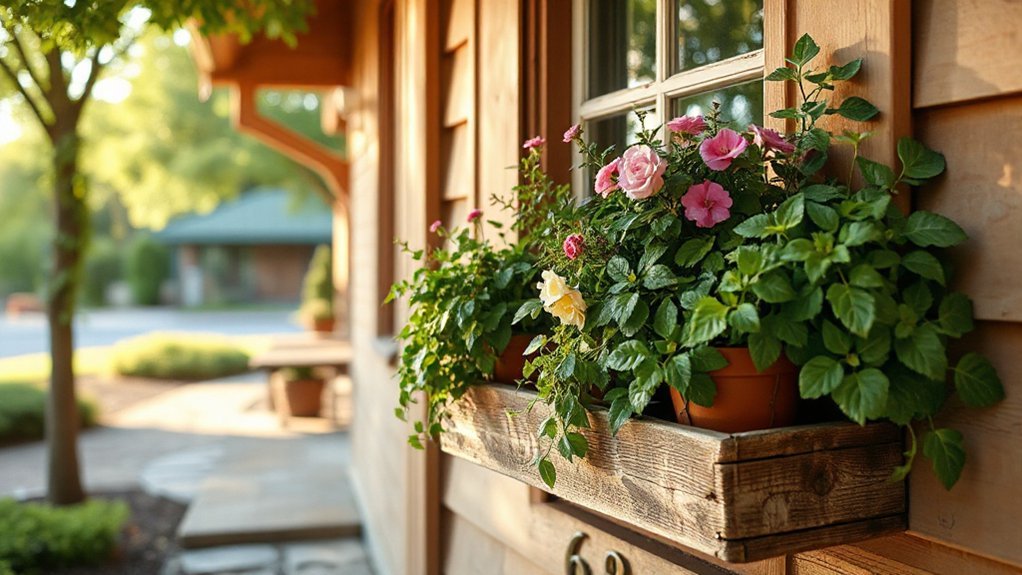
You might not realize that the right window box can transform your home’s scale and entry feel with just a few inches of depth. You’ll pick a container that fits your style, mount it securely, and plant for drought tolerance or seasonal color, all while ensuring drainage and tidy spacing. If you know the basics, you’ll want practical tweaks that make boxes shine year-round—and there’s a simple, proven path you can follow next.
How Window Boxes Boost Your Home’s Curb Appeal
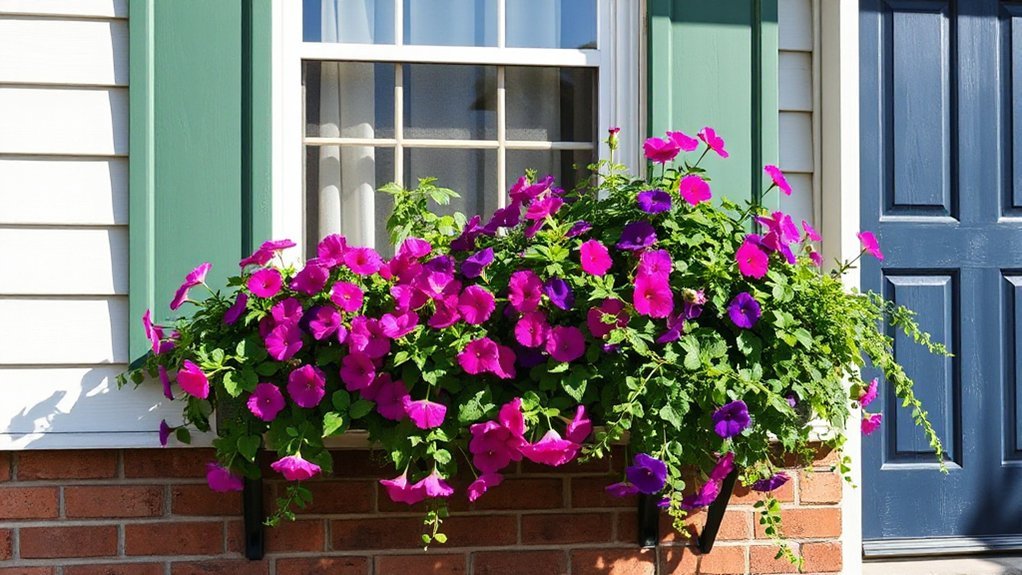
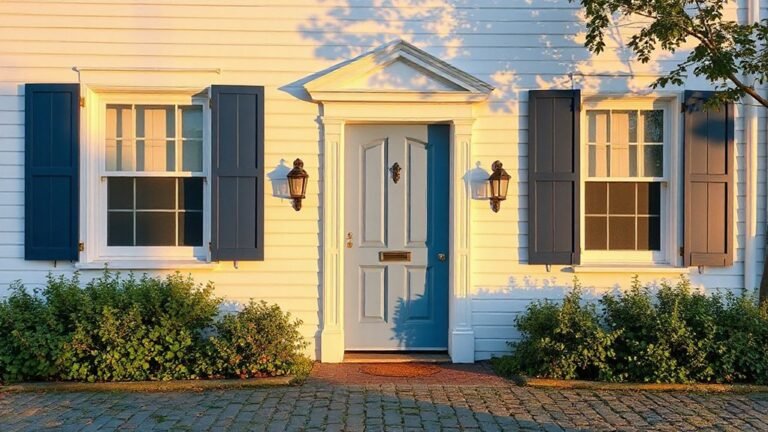
Window boxes are one of the quickest, most noticeable upgrades you can make to boost curb appeal: they frame your home’s façade, add color and texture, and draw the eye to architectural features you already love. You’ll see instant impact when you match plant choices to your home’s character.
Choose containers that respect Historical styles, so boxes feel integrated rather than tacked on. Use a color palette that complements windows, trim, and siding to create harmony across the façade.
For a lasting impression, select long-lasting, Eco friendly materials that withstand weather without warping. Plan plant heights and spillover to emphasize symmetry, or intentionally asymmetrical groups for a modern vibe.
Maintain tidy spacing, rotate seasonal blooms, and you’ll keep curb appeal fresh year-round.
Choosing the Right Box Size and How to Mount It
Choosing the right box size and mounting method starts with a quick check of your window dimensions and weight tolerance. You’ll want a box that fits the sill or wall space without crowding trim or interfering with operable windows. Measure width, depth, and projection, then compare against the plant load you expect.
For heavy soils or dense greenery, choose a deeper box with internal brackets or reinforced brackets to distribute weight. Consider weight when fully watered; plan for irrigation if needed.
Window box placement should balance symmetry and sun exposure, ensuring plants get adequate light. Use decorative mounting that complements your home’s style while staying secure against wind.
Always predrill, seal thoroughly, and test-fit before final lo mounting.
Which Box Materials Work Best in Your Climate
Different climates demand different box materials. In hot, sunny zones, choose rot-resistant woods like cedar or cypress, or synthetic composites that resist warping and cracking, preserving material durability and clean lines season after season.
In wet regions, opt for cedar along with good drainage, or treated woods and rot-proof polymers that won’t swell or rot when soaked.
Cold climates benefit from plastic composites or fiberglass that resist freeze-thaw cycles without splitting.
If you crave low maintenance, dense polymers deliver smooth surfaces and ongoing aesthetic appeal with minimal upkeep.
For coastal areas, pick materials with salt resistance and fade protection, plus stainless hardware to avoid corrosion.
Always guarantee proper sealing, ventilation, and leak-free backing to maximize longevity and curb-side impact.
Create Wow: Color Palettes for Instant Impact
Bold color combos grab attention without overpowering your home, so pick two to three hues that reflect your style and the surrounding exterior.
Pair a statement shade with a neutral base and use accents pulled from existing exterior details to keep harmony with the house.
Start with a quick palette test on a board or sample planter to confirm contrast and cohesion before you commit.
Bold Color Combos
When you pair bright hues with grounding neutrals, your window boxes pop with instant impact. Bold color combos create focal points, so choose one dominant shade and two supporting tones to avoid chaos.
For historical inspirations, blend vintage brick-red with sage and ivory accents to evoke classic curb appeal. If you lean modern minimalist, select a saturated teal or mustard paired with charcoal and white for crisp contrast.
Map your palette around light exposure: cool tones thrive in shade, warm tones glow in sun.
Balance scale by mixing compact foliage with bold blossoms, keeping container sizes proportional to the facade.
Test swatches on a scrap board, then apply across planting and accessories to unify the look.
Finish with copper or matte black edging for lasting polish.
Harmony With Exterior
A cohesive exterior hue scheme ties your window boxes to the home’s overall look, amplifying curb appeal with instant impact. You’ll want palettes that bridge architectural features and surrounding textures, so choose colors that recur in trim, roof, and masonry for urban integration.
Begin with a neutral base to avoid competing with standout elements, then add one bold anchor color that appears in accents, plants, or accessories. Use lighter shades on ground-floor boxes to brighten entryways and darker tones higher up to create vertical harmony.
Consider material texture—wood grays, brick reds, or metal greens—to echo exterior materials without duplicating them. Test color swatches at different times of day, ensuring the scheme remains cohesive from curb to porch, reinforcing architectural harmony.
Plants by Sun: Selections for Full Sun, Part Shade, and Shade
When you’re choosing plants by sun, start with Full Sun Selections that handle hot afternoons and bloom vigorously.
For shaded or partly shaded spots, explore Part Shade Picks that stay lush without scorching.
Finish with Shade-Friendly Varieties that perform well under trees or awnings.
Full Sun Selections
Full Sun selections keep your window boxes vibrant all season by focusing on heat-tolerant, sun-loving blooms and sturdy foliage. You’ll want plants that tolerate heat waves, drought spells, and bright afternoon sun without leggy growth. Choose compact varieties with strong branching to maintain fullness in tight spaces. Pair blooms with foliage for texture—silver, blue-green, or bronze leaves help reflect heat and reduce scorch risk.
Use well-draining soil and a lightweight mix to prevent soggy roots during rains. For maintenance, set up simple routines: weekly deadheading, monthly feeding, and a quick check for pests. Consider Window box accessories like irrigation sleeves or drip lines to steady moisture.
Keep pest control practical: remove infested leaves, spot-treat with organic spray, and monitor weekly for signs of trouble.
Part Shade Picks
Part shade picks lean on plants that tolerate lower light while still delivering color and texture in compact window boxes. You’ll prioritize foliage interest and compact habit, so you can maximize impact without crowding.
Choose trailing ivy and pulmonaria for color echoes, plus hostas and heuchera for sturdy structure that survives cooler, dimmer mornings.
For drainage, guarantee a light, well-draining mix and add a generous layer of drainage material at the bottom; this prevents root rot when days stay damp.
Consider a monochrome or soft historical style palette—cream, sage, and slate tones—to emphasize charm and cohesion.
Use drip irrigation or a simple soaker hose to keep moisture even between waterings.
Pair textures that complement architectural accents, height, and period details to reinforce a cohesive historical style.
Shade-Friendly Varieties
Shade-loving perennials and annuals thrive in cooler, dimmer mornings and short days, so pick varieties that stay compact, keep color year-round, and tolerate reduced light.
In window boxes, prioritize shade-friendly selections that bloom repeatedly without demanding constant care. Look for drought tolerant plants that survive dry spells with minimal watering; succulents and hardy ferns can fill gaps without wilting.
Pair plants with fragrant flowers to add scent as you pass by. Choose varieties with soft, variegated or textured foliage to reflect limited light and brighten your box.
Use a lightweight, well-draining mix and mulch top layers to conserve moisture. Group flowering plants by bloom time to maintain continuous color, and rotate half the box each season to refresh vigor.
Seasonal Rotation Ideas to Keep Boxes Fresh
Seasonal rotation keeps your window boxes vibrant and low-maintenance by swapping plants that suit each season’s light, temperature, and moisture. You’ll plan ahead, mapping a simple calendar for spring, summer, fall, and winter changes.
Choose seasonal planting schemes that maximize color and texture without overcrowding, keeping plant heights and bloom times in balance. In early spring, swap to compact perennials and hardy annuals that tolerate cool temps, then shift to heat-tolerant forms for summer.
Add decorative accents like small ornamental grasses or contrasting foliage for structure. For fall, introduce rich textures and berries, then swap to evergreen or winter-hardy options for cold months.
Maintain consistent watering rhythms and mulch to conserve moisture. Your window box stays fresh with thoughtful rotation, minimal effort, and cohesive style.
Planting Techniques for Full, Long-Lasting Blooms
Now that you’ve set up a rotating, season-aware palette, you can focus on planting techniques that maximize bloom fullness and longevity.
Start with a well-draining container and match soil to the plant’s needs. For most flowering annuals, use a light, airy mix: three parts peat or coco coir, two parts perlite, one part compost. This soil composition boosts root oxygen and reduces soggy roots.
Make certain container drainage is open and unobstructed; add a layer of coarse gravel or a built-in drainage tray to prevent waterlogging.
Plant at the same depth as in the pot, gently firming soil around roots.
Water deeply until moisture penetrates the root zone, then allow the top inch to dry before the next drink.
Mulch lightly to retain moisture without smothering foliage.
Weather-Proof Care: Low-Muss Maintenance for Window Boxes
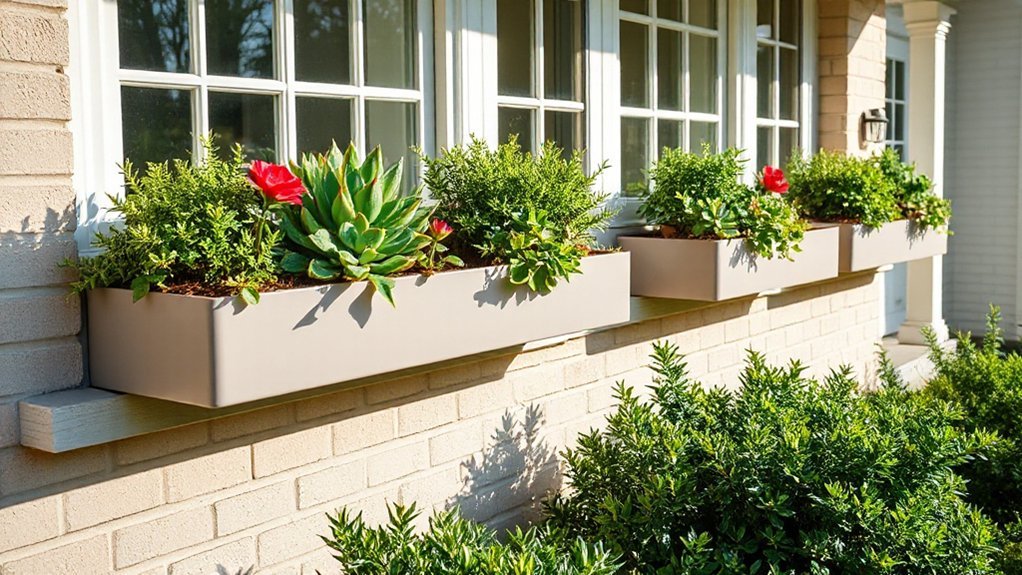
To keep your window boxes looking good year-round, choose durable materials, smart drainage, and a simple, repeatable routine that you can do in minutes.
Weather-proof care means choosing planters with predrilled drainage and UV-stable finishes, plus storm-proof fasteners.
Clean debris monthly, then refresh compact soil to maintain airflow and reduce root rot.
Use a light layer of mulch on top to deter evaporation and add a slow-release fertilizer so nutrients stay steady between waterings.
Inspect brackets and seals after heavy winds, resealing as needed.
When selecting plant mixes, favor drought-tolerant and cold-hardy varieties to honor Window box history while embracing modern, traditional designs.
This approach minimizes fuss, keeps colors vibrant, and preserves curb appeal with minimal effort.
Budget-Smart Box Makeovers and Hacks
Upgrading your window boxes on a budget means focusing on smart swaps and practical tweaks that refresh the look without blowing your wallet. Start with inexpensive, high-impact changes: swap faded containers for lightweight fiber or metal with a clean finish, and install simple drip lines to reduce watering.
Refresh soil with quality mix and compost to boost vigor without heavy fertilizers. Use window box accessories like adjustable brackets to guarantee secure mounting and a clean silhouette. Choose compact, drought-tolerant plants and group them by color to maximize impact.
For quick wins, trim overgrown stems, rotate plant types seasonally, and reuse salvaged containers with a fresh coat of paint. DIY planter upgrades can include adding lattice accents or liner inserts to control moisture and height, delivering a polished, cohesive display.
Frequently Asked Questions
How Often Should I Water Window Boxes in Different Seasons?
Water window boxes more or less daily in heat, but adapt by season: Seasonal watering in summer; reduce in cool, cloudy periods. Check soil moisture before watering—stick a finger an inch deep, water if dry, guarantee drainage.
What Pests Threaten Window Box Plants, and How to Prevent Them?
Pests to watch: aphids, mites, slugs, and caterpillars threaten window box plants. Practice pest identification, inspect leaves weekly, remove insects by hand, and employ natural repellents like cleaning sprays, garlic or neem oil, plus companion planting for prevention.
Can I Reuse Old Containers for Window Boxes Safely?
Yes, you can reuse old containers, provided you assess container durability and material safety first; check for cracks or rust, guarantee coatings are non-toxic, and line pots with breathable fabric to prevent root rot and soil leakage.
Which Irrigation System Works Best for Elevated Boxes?
A drip irrigation system works best for elevated boxes, delivering steady moisture with minimal waste. Fun fact: rainwater harvesting can cut irrigation costs by up to 50%. You’ll set it up, tune emitters, and monitor soil moisture regularly.
How to Safely Prune and Deadhead Without Damaging Boxes?
Yes—you prune safely by using sharp, clean shears and supports; gently remove only damaged growth, avoid over-cutting, and deadhead regularly. Pruning techniques: make clean angled cuts. Deadheading tips: pinch faded blooms, keep stems tidy, monitor box irrigation.
Conclusion
So there you have it: DIY window boxes that suddenly make your house look magazine-worthy without selling a kidney. You’ll choose the right box, fill it with bold, cohesive color, and keep it thriving with smart seasonal swaps and low-maintenance care. If your neighbors squint at the curb, just wink and blame climate, not laziness. The curb appeal upgrade is real, practical, and surprisingly doable—now go grab your drill, a splash of mulch, and a touch of small-town swagger.
About the Author