Did you know that a well-sealed UK home can cut energy use by up to 30% before you touch the heating system? You’ll want to start by testing your envelope, then plan insulation, airtightness, and a smart, efficient heating setup. It’s practical and data-driven, with grants and phased steps to fit budgets. Keep going to see how these pieces fit together for comfort, lower bills, and a smaller footprint.
Assess Your UK Home’s Energy Efficiency
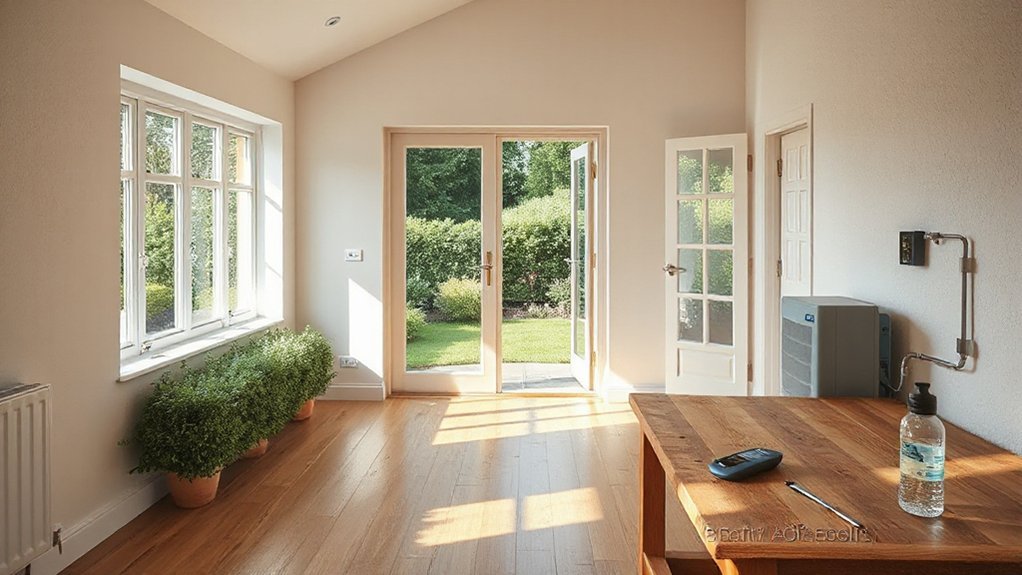
Evaluating your UK home’s energy efficiency starts with a clear snapshot of current performance. You’ll gather baseline data like annual heat loss, fuel bills, and thermometer readings across rooms. Use a simple heat-loss model: identify the top three culprits draining warmth, then quantify potential gains from improvements. Check your property’s building envelope: windows, doors, roof, walls, and floors. Record draft spots with a lighted candle or incense stick, noting air movement to target for sealing. Prioritize tangible changes you can measure, such as improving home insulation where performance is weakest and applying draft sealing to obvious gaps around frames and gaps at floor edges. This approach keeps your plan grounded in metrics while guiding cost-effective choices.
Insulate First: Loft, Walls, and Floors for Real Warmth
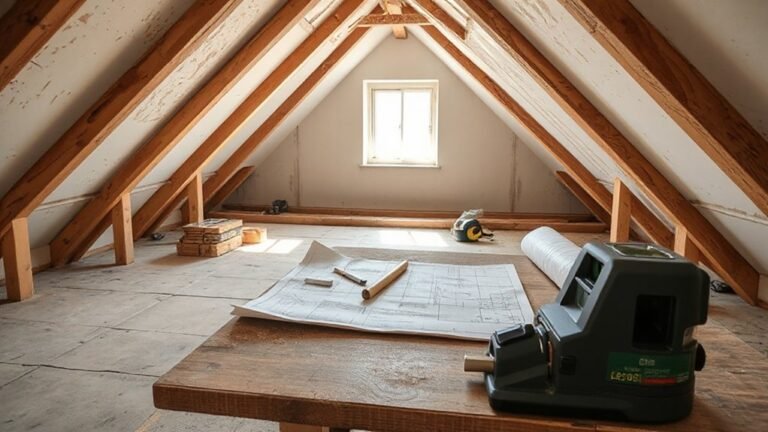
Prioritise insulation first, because warmth starts at the edges of your home. You’ll see immediate gains by focusing on loft, walls, and floors before any décor changes. Start with a solid plan: identify thermal bridges, choose appropriate insulation materials, and size layers to meet local building regs. For loft installation, lay breathable, moisture-resistant insulation with proper ventilation to prevent condensation. In walls, opt for cavity or solid-wall solutions that suit your structure, and guarantee airtight junctions at corners and around services. Floors benefit from underfloor insulation or rigid boards, reducing heat loss through the ground. Track performance with a simple before/after energy bill comparison. Use trusted installers, verify warranties, and document material specs for future maintenance and upgrades.
Seal Drafts: Doors, Windows, and Air Leaks
Start by measuring and auditing where air leaks happen, since an air-leak audit is your first step to effective sealing. Consider draft-stopper doors and windows as a practical, low-cost upgrade, and compare sealing material options for durability and ease of installation. This moves you from identification to action, helping you choose solutions that fit UK climates and your budget.
Draft-Stopper Doors And Windows
Draft-stopper doors and windows are a simple, cost-effective way to cut energy loss from air leaks in UK homes. You’ll notice immediate comfort gains when drafts drop at entrances and around frames. The draft stopper benefits include reduced heat loss, lower heating demand, and quieter rooms, often paying back investment in months rather than years. For best results, choose adjustable door bottoms or integrated window seals that fit standard UK gaps (about 2–6 mm varies by frame). Installation tips: measure gaps carefully, select compatible products, and seal with adhesive-backed strips or compression seals. Prioritize cold-facing doors and first-floor windows, where convection losses are highest. Maintain seals seasonally and replace worn components promptly to keep performance consistent.
Air-Leak Audit Essentials
Air-leak audits reveal where energy escapes and how to fix it efficiently. You’ll map gaps around doors, windows, and ductwork using a blower door test or smoke pencils to spot leaks that simple weatherstripping can’t catch. Quantify results with a target air-change rate and a practical plan that prioritizes high-impact spots first. You’ll measure improvements after treatment to verify savings. Focus on draft-prone zones: exterior doors, sash joints, attic access, and fireplace flues when not in use. Remember indoor air quality matters; excessive sealing can trap pollutants if ventilation isn’t addressed. Pair audits with balanced ventilation systems to maintain comfort without sacrificing energy performance. Your data-driven approach guarantees you seal effectively while keeping healthy indoor environments intact.
Sealing Material Options
Sealing doors, windows, and other air leaks doesn’t have to be guesswork; choose materials based on where leaks occur and how you use the space. You’ll evaluate sealing material types by performance, durability, and compatibility with UK climates. For gaps around doors, door sweeps and adjustable thresholds offer quick payback while reducing drafts. Window leaks benefit from weatherstripping with low compression force to maintain glazing integrity over time. For structural cracks or penetrations, compliant sealants and marine-grade silicone provide lasting resilience. Consider moisture and mould risk in kitchens and bathrooms; select breathable, mould-resistant options. Always verify installation guidelines and warranty coverage. Weigh sealing material benefits against cost, ease of install, and energy impact to optimize comfort and efficiency.
Choose an Efficient Heating System for Your Home
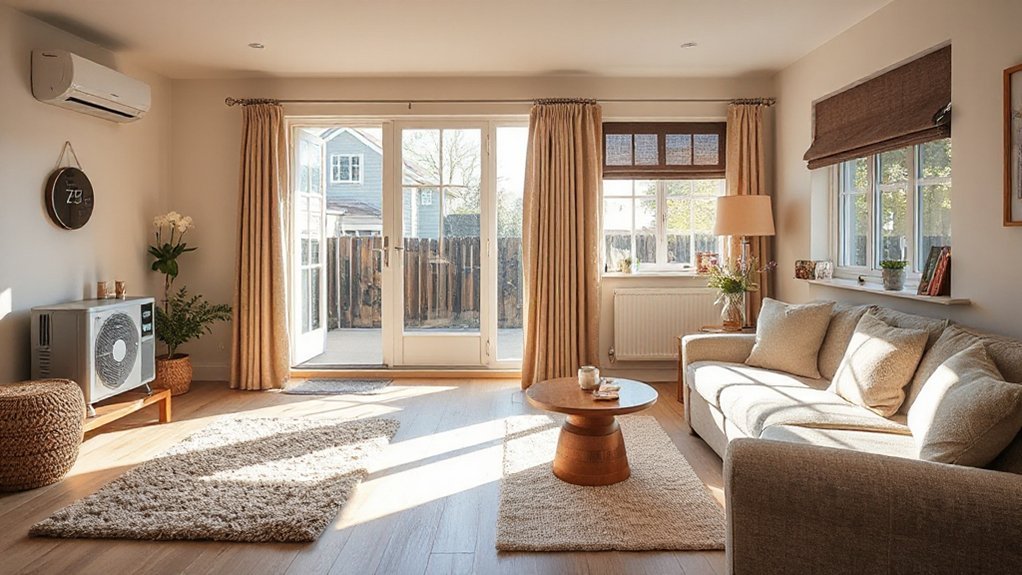
Are you choosing an efficient heating system that actually lowers bills and cuts emissions? For UK homes, pick a system sized to your space and climate, avoiding overcapacity. Consider heat pumps for low-temperature, high-efficiency operation, or condensing boilers paired with intelligent controls for steady load matching. Evaluate annual fuel use and installation costs, factoring in grants or incentives. Prioritize systems with high Seasonal Efficiency (SEER or SAP ratings) and low maintenance needs. Plan radiator placement to maximize heat distribution, reducing cold spots and the need for auxiliary heating. Regular boiler maintenance keeps performance up and running, preventing energy waste. Guarantee simple, proven integration with existing radiators and thermal storage, and document maintenance schedules for ongoing efficiency.
Smart Controls for Comfort and Savings
Smart thermostats cut energy use by learning your schedule and toggling heating or cooling to match real needs. Zoning lets you heat only occupied areas, boosting comfort while trimming bills. With Auto-Mode, systems adjust automatically for outdoor conditions and indoor targets, so you stay comfortable without guesswork.
Smart Thermostat Efficiency
Have you ever wondered how a smart thermostat can cut both energy use and bills in a UK home? You’ll see that efficiency comes from learning patterns and reducing waste. When you set adaptive schedules, you minimize heating when rooms are unoccupied, yet maintain comfort during peak hours. Data shows typical UK homes save a meaningful portion of annual energy by aligning boiler activity with real demand, rather than fixed timings. A smart thermostat tracks external temperatures, occupancy, and perceived temperature, then alters you’re heating setpoints accordingly. This lowers energy consumption without sacrificing comfort. For accuracy, review app dashboards and verify reported savings versus baseline. Choose models with clear energy reporting, easy integration, and robust security to maximize energy savings.
Zoning For Comfort
Zoning your home with smart controls can boost comfort while trimming energy use, because targeted heating and cooling prevents waste. If you divide living spaces into zoning zones, you can tailor temperatures to how you actually use each area. In practice, this means warmer zones for evenings in living rooms and cooler zones for unoccupied bedrooms. You’ll reduce unnecessary runtime, which lowers bills and curbs carbon impact. When selecting sensors and dampers, prioritize reliable door and window status, plus occupancy awareness. Map your comfort zones to daily routines, and test different setpoints to find a balance between comfort and efficiency. Track results with monthly energy data to verify savings, then adjust gradually. Consistency in zoning helps you maintain steady comfort without overworking your system.
Auto-Mode Energy Savings
Auto-Mode uses built-in intelligence to run your system only when it’s actually needed, based on real-time data from sensors, occupancy, and weather. You’ll notice steadier comfort, lower energy use, and clearer bills as automatic system optimization tunes heating, cooling, and ventilation without manual tweaks.
- It adapts to occupancy patterns, turning systems off when rooms are empty
- It leverages weather forecasts to pre-cool or pre-heat efficiently
- It aligns with zoning rules for consistent comfort across spaces
- It reduces standby losses and peak demand through smart sequencing
- It provides transparent usage insights for ongoing tweaks
This approach delivers auto mode energy savings through data-driven adjustments, keeping you comfortable while maximizing efficiency.
Renewable Options Explained: Solar, Heat Pumps, and Alternatives
Solar, heat pumps, and other low-carbon options can dramatically cut bills and emissions in UK homes. You’ll overview viable choices, their typical costs, and performance. Solar panels capture daylight and offset electricity use, with output influenced by orientation, shading, and inverter efficiency. Heat pumps extract warmth from air, ground, or water, delivering consistent comfort at low running temperatures; look for higher coefficient of performance (COP) ratings and properly sized emitters. Alternatives like biomass boilers, district heating, and micro-hydro can suit specific sites, though require space, access, and landlord or planning considerations. Pair any system with insulation and airtightness to maximize gains. Check grants, installation licenses, and service plans to guarantee reliable performance and ongoing efficiency throughout the system’s life.
High-Efficiency Appliances and Energy Habits
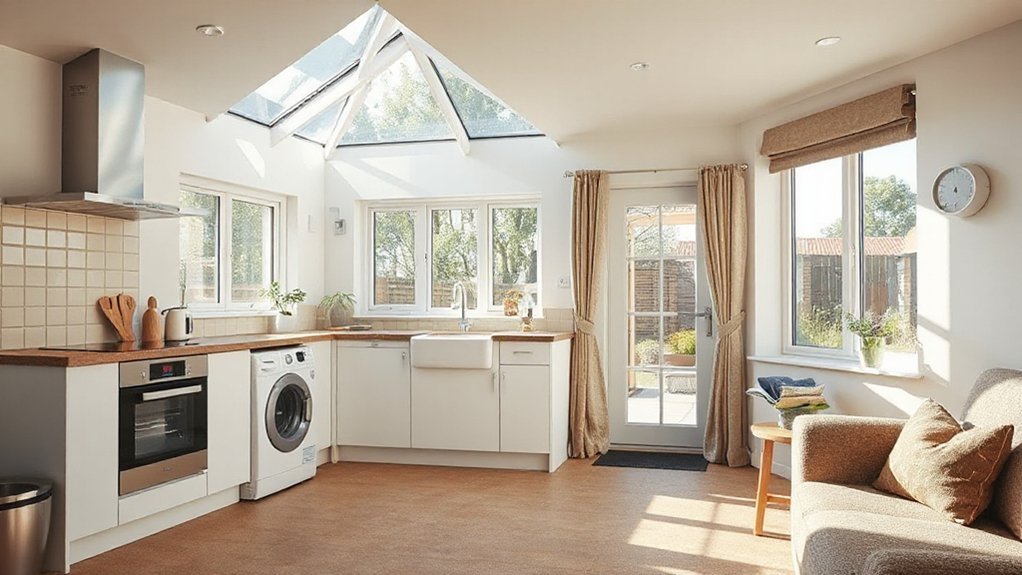
Smart choices at the appliance level and everyday habits can shrink bills and emissions without sacrificing comfort. You’ll save by pairing high-efficiency appliances with practical routines that maximize performance and cut waste.
- Choose A+++ or top energy-rated models and load them fully to reduce cycles
- Run dishwashers and washing machines with full loads and eco settings
- Maintain appliances regularly to sustain efficiency and prolong life
- Use smart thermostats and timers to avoid idle heating or cooling
- Develop simple energy-efficient habits, like cooling foods naturally and air-drying clothes
These steps align with appliance maintenance and energy efficient habits, delivering measurable savings and steadier comfort. Small, consistent changes compound, boosting overall home efficiency without a lifestyle overhaul.
Grants, Financing, and Incentives in the UK
Grants, financing, and incentives in the UK can make energy-efficient renovations more affordable, often covering a sizable portion of costs and shortening payback periods. You’ll want to know that government incentives exist to reduce upfront expense and improve overall project viability. Government incentives can target heat pumps, insulation upgrades, and energy-saving measures, making higher‑quality systems financially reachable. Financing options vary from low-interest loans to equity-friendly schemes, allowing you to spread costs without compromising other priorities. Compare eligibility criteria, caps, and application timelines to avoid delays. Public programs often require specific efficiency standards or installers, so verify compliance before committing. Use official sources to confirm current terms, since incentives shift with policy updates. Planning with accurate financials helps you maximize benefit and stay on budget.
A Practical Renovation Plan: Budgeting, Steps, and Timeline
How should you start a retrofit in a way that stays on budget and on schedule? Begin with a clear plan, baseline costs, and a prioritized scope. Set a realistic budget, factor contingencies, and lock in suppliers early. Use a phased timeline to match funding arrivals and avoid delays. Track progress with weekly reviews and adjust only when data justify it.
- Define goals: energy targets, home decor style, and outdoor landscaping needs
- Create a bill of quantities and supplier quotes
- Establish a master schedule with milestones and contingency buffers
- Build in energy-saving measures first, then finish interiors
- Monitor costs, adjust scope, and document lessons for future projects
Frequently Asked Questions
How Long Does a Full Energy Retrofit Typically Take?
A full energy retrofit typically takes from 6 to 12 months, depending on scope. You’ll need careful retrofit timeline planning, securing permissions, and coordinating trades. You’ll track milestones, budget, and audits to stay on schedule and within budget.
What Minimum EPC Rating Should I Target?
Like a sturdy compass, aim for EPC certification around C or better for solid market value and comfort; consider B if you’re upgrading systems. Energy performance improves with efficient insulation, windows, and heat pumps.
Are There Hidden Costs in Retrofit Projects?
Yes, there can be hidden costs in retrofit projects. You’ll want to budget for hidden expenses and unexpected charges, plus contingencies, contractor fees, and potential permit delays, ensuring data-driven decisions and practical budgeting throughout your energy-efficient upgrade.
Can I Mix Different Renewable Systems Together?
Yes, you can mix different renewables, but plan carefully. Hybrid systems enable Renewable integration, balancing output and storage. Assess weather patterns, inverters, and controls; model lifecycle costs, maintenance, and grid compatibility to maximize reliability and efficiency.
How Do I Choose a Trustworthy Installer?
To choose a trustworthy installer, check installer reputation and certification standards, ask for references, verify trades credentials, compare quotes, demand written guarantees, and confirm ongoing warranties. Rely on documented performance data, reviews, and transparent project milestones.
Conclusion
You’ve got a clear path to a warmer, cheaper-to-run home. Start with solid insulation, seal every draft, and pick an efficient heating system with smart controls. Add renewables where it fits, lean on high-efficiency appliances, and build energy habits into daily life. In the UK, homes that upgrade taste an average 20–40% drop in energy bills after improvements. Plan in phases, use grants wisely, and your renovation pays for itself over time while cutting emissions.
About the Author