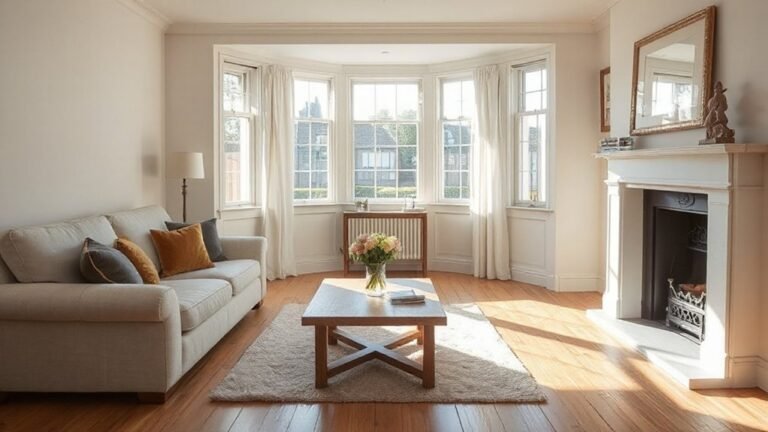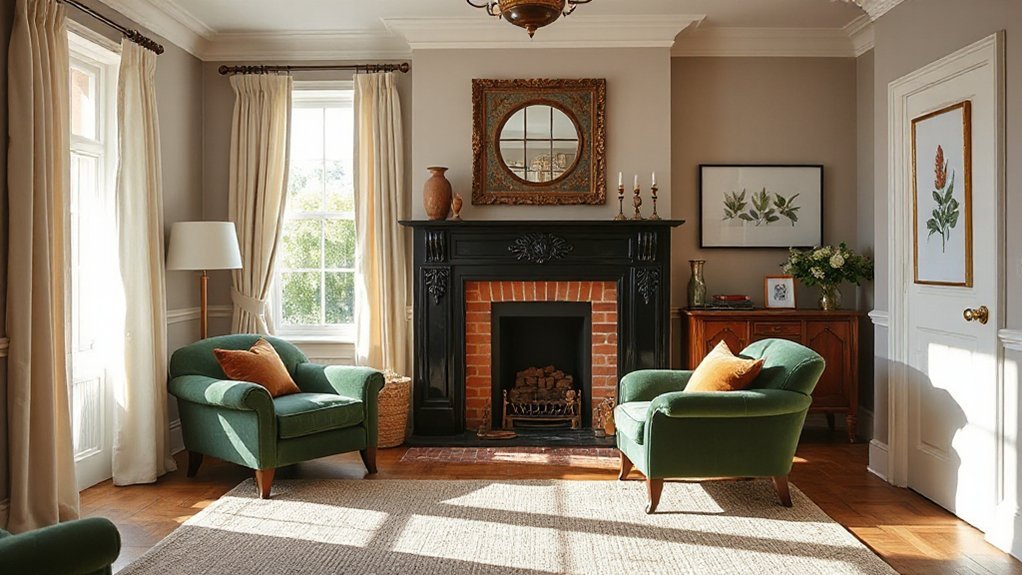
Imagine this: a dated fireplace can drag down a room’s value, but a restored Edwardian focal point often boosts appeal by 10–15% in appraisals. You’ll balance period details with safe, modern materials, signaling quality to buyers. Ready to weigh authentic tiles, durable surrounds, and whether to DIY or hire a pro? The path you choose sets the tone—and the price tag—for your home’s next chapter.
Why Edwardian Fireplaces Boost Home Value
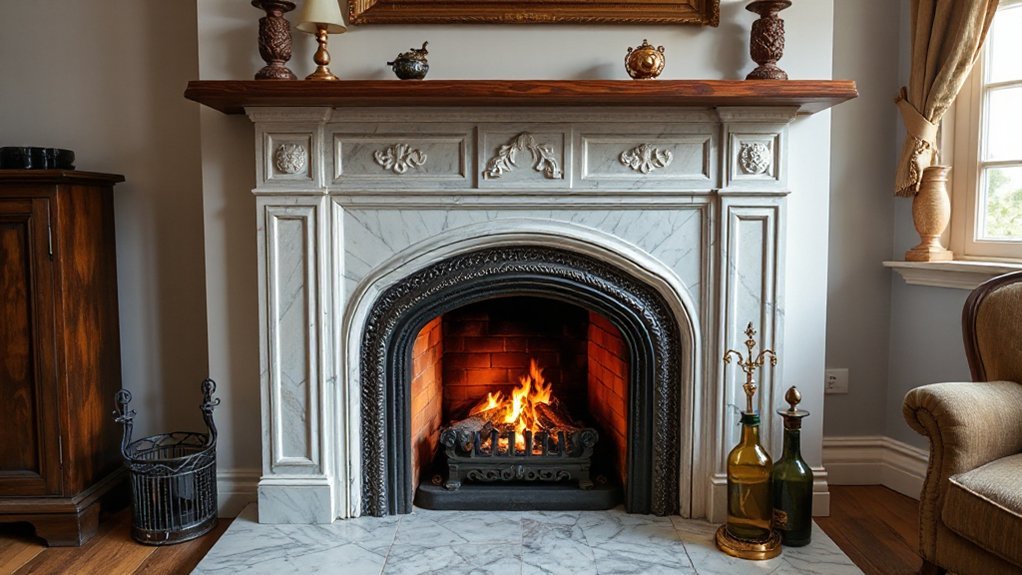
Edwardian fireplaces can greatly boost a home’s value because they’re timeless focal points that attract buyers. You notice how a well-preserved hearth signals lasting quality, reducing buyer questions about construction integrity. Data shows homes with period features sell faster and at premium, especially in markets valuing character. You’ll gain leverage when you present vintage charm as a deliberate design choice, not nostalgia, aligning with contemporary appeal and energy-conscious upgrades. Historical accuracy matters, too; accurate materials and proportions reassure buyers about authenticity and maintenance costs. You’ll avoid costly revisions by documenting provenance, restoration methods, and period-appropriate finishes. In appraisal terms, these features translate to added livable appeal, kitchen-to-living progressions, and curated ambiance. You’re signaling care, continuity, and style, which strengthens appeal without gimmicks.
Mantels and Surrounds: Preserve or Replace?
When deciding whether to preserve or replace mantels and surrounds, start with a clean assessment of condition, style, and value impact. You’ll weigh structural integrity, material wear, and historical accuracy against renovation costs and market appeal. Preserve if the existing mantel styles demonstrate authentic Edwardian character, are stable, and fit your room’s proportion. Replacement makes sense when deterioration compromises safety, or when original form clashes with contemporary usage or resale goals. Surround materials matter: choose options that honor authenticity yet resist modern wear, prioritizing subtle, period-appropriate textures. If you preserve, consider minor refinishing, paint or stain that respects era cues while improving durability. If you replace, select a design that echoes the era without duplicating it verbatim, preserving flow and value. Both paths should enhance room harmony and buyer perception.
Tile Options That Honor Edwardian Character
Tile choices can define a room’s period feel without sacrificing modern durability. You’ll want options that echo Edwardian taste while withstanding daily use. Subway and encaustic-inspired tiles deliver geometric rigor and Victorian influences without heavy ornament. For borders, opt for slim ceramic moldings or penny-round accents to nod to period detail without overstatement. Color palettes matter: muted greens, blues, creams, and charcoal provide contrast against white mantels and dark timber floors, capturing Modern adaptations without feeling fussy. Fired-clay textures add warmth, while glass or resin inserts offer durable sparkle for high-traffic zones. Consider grout choices that minimize maintenance—light gray or charcoal reduces staining. Finally, guarantee installation aligns with existing hearth dimensions to preserve proportional balance and authentic character.
Fire-Safe Materials for Modern Use
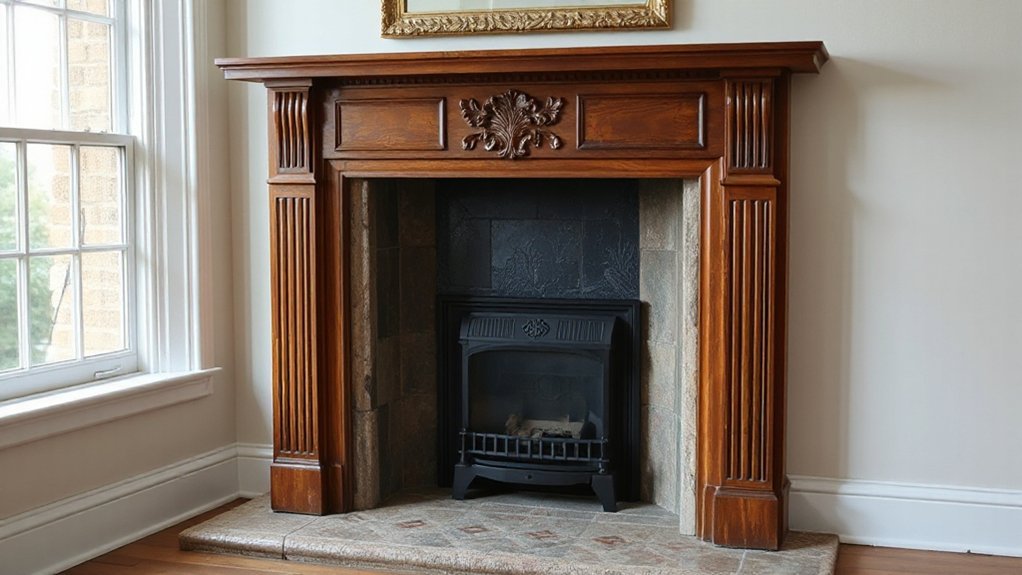
Modern-era fire safety hinges on materials that stand up to heat, while preserving the room’s character and durability. You’ll prioritize fire-safe choices that align with modern safety standards and long-term performance. In practice, select surfaces and substrates that resist high temperatures, minimize embers, and reduce radiant heat transfer. This approach keeps the Edwardian aesthetic intact while guaranteeing compliance and peace of mind.
- Fire resistant surfaces for hearths and surrounds
- Non-combustible backing and insulation that meet modern safety standards
- Tested coatings with low VOCs and high durability
Budgeting Edwardian Fireplace Upgrades
You can stretch your budget by choosing budget-friendly materials that still respect Edwardian charm, like affordable veneers or tile alternatives with period-accurate profiles. A few cost-saving design tweaks—such as swapping ornate mantels for simplified silhouettes or reusing existing hearth features—can considerably cut upfront costs without sacrificing style. Consider long-term value by prioritizing durable finishes and easy-to-maintain surfaces that reduce upkeep over time.
Budget-Friendly Material Choices
Budget-friendly material choices hinge on balancing price, durability, and historical look. You’ll align cost with performance, aiming for authentic Edwardian cues without overpaying. Choose fabrics, tile, and stone that mimic period presence while resisting wear and moisture. For durability, prioritize proven suppliers and finish-tested options that withstand daily use and cleaner compatibility.
- Reclaimed or faux antique tile with a matte glaze for easy cleaning and period vibe.
- Painted brick or plaster panels that echo ornate surfaces without brittle fragility.
- Durable composite woods or laminates wrapped in beading to imitate carved details.
Remember antique restoration and modern heating aren’t mutually exclusive; select materials that tolerate heat cycles and permit safe upgrades. Integrate noninvasive finishes to preserve value without compromising clean lines or resale appeal.
Cost-Saving Design Tweaks
Even on a tight budget, you can achieve a polished Edwardian look with smart, low-cost design tweaks. You’ll maximize impact by prioritizing a few high-return moves and avoiding vanity details. Begin with color schemes that lift the fireplace area without painting the entire room; a single charcoal surround or warm ivory hearth can anchor the space while staying affordable. Use lighting accents to create drama without rewiring: install a discreet uplight or brass sconce to emphasize molding, texture, and depth. Replace clunky tools with slim, period-appropriate hardware to refresh functionality. Swap dusty drapes for lightweight, neutral textiles that reflect natural light and widen the perceived space. Finally, apply a satin or matte finish to brass or ironwork to reduce upkeep while preserving era charm.
Long-Term Value Considerations
Long-term value hinges on prioritizing upgrades that endure and retain style without frequent rework. You’ll maximize ROI by budgeting for durable materials, skilled labor, and compliant restoration that respects Vintage charm and architectural preservation.
- Plan costs around enduring components (stone, steel, firebox) with minimal upkeep, forecasting a 10–15 year recheck rather than yearly fixes.
- Invest in professional benchmarking: get assessments for load, clearance, and ventilation to avoid costly retrofits later.
- Track expenses against property improvements with clear milestones, documenting decisions to support resale and potential tax benefits.
Data hints: high-quality finishes hold value, while over-ornate revisions can date rooms. Prioritize restraint, durability, and compatibility with Edwardian proportions.
DIY-Friendly Tricks (What You Can Do vs. What Needs a Pro)
If you want to tackle Edwardian fireplace upgrades yourself, start with the tricks that are truly DIY-friendly and save the pro for the tasks that demand expert wiring, ventilation, or structural work. You can begin with cosmetic updates that don’t affect structure: a fresh, Custom paint on surround tones, and updating the mantel with minimalist trim can refresh the room without risk. Use Decorative accessories—granite-effect tiles, vintage candelabra, and framed mirrors—to add character while staying reversible. Focus on measurement accuracy, prep, and snag-free finishes; document before-and-after photos to track value impact. Avoid altering flues, loads, or hearth integrity. When in doubt, test small, monitor heat exposure, and consult a pro for any irreversible or electrical work to preserve safety and long-term value.
When to Hire a Fireplace Pro for Historical Integrity
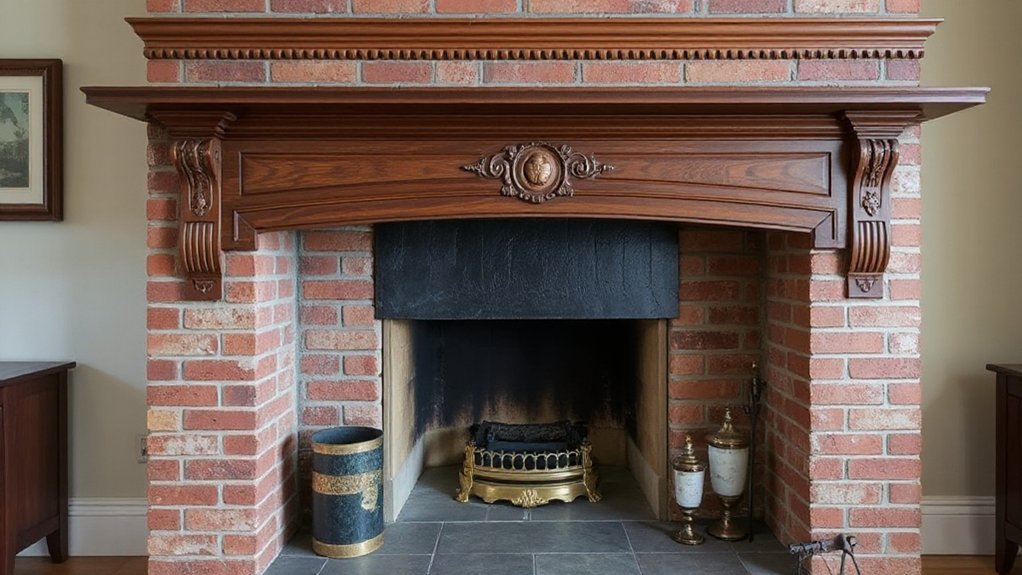
When preserving historical integrity, there are clear signals that hiring a fireplace pro is the right call. You’ll want expert guidance when structural safety, hidden damage, or material consistency intersect with Victorian influences and antique measurements. A pro evaluates migration, mortar decay, and chimney alignment before advising restorations that respect era-specific details.
- Assess Chimney restoration needs, career-long experience, and code-compliant methods.
- Verify period-accurate materials, from bricks to lime mortars, for lasting authenticity.
- Plan minimal-disruption fixes that preserve original features while meeting modern safety standards.
You’ll gain durability, legitimacy, and value as the pro documents work, cites approvals, and preserves aesthetics. Timing matters: delayed decisions compound risk and deductible-quality losses. When integrity outweighs convenience, a trained specialist delivers measurable restoration that honors Victorian influences without compromising Edwardian charm.
A Practical Roadmap for an Edwardian Makeover
A practical Edwardian makeover follows a clear, data-driven sequence that balances authenticity with modern safety. You begin with a baseline assessment: condition of the mantel, flue integrity, and room airflow. Document measurements, then map priorities: restore original trim, verify clearances, and plan lighting that respects era styling. Next, choose Vintage accessories to evoke the period without overloading the room; pieces should complement, not mimic, the original design. Incorporate Modern technology judiciously—smart combustion controls, hidden sensors, and efficient, compliant heating options—so safety stays paramount. Execute in phases: structural fixes, cosmetic restoration, and final styling. Finally, test performance, document outcomes, and refine calibration. This roadmap keeps authenticity intact while delivering traceable improvements, value, and safer daily use.
Frequently Asked Questions
How Long Does an Edwardian Fireplace Makeover Take?
A Edwardian fireplace makeover typically takes 1–3 days, depending on scope. You’ll verify historical accuracy and guarantee material durability, choose authentic finishes, coordinate utilities, and allow for curing time if mortars or plasters are involved.
Can I Use a Gas Insert in an Edwardian Surround?
Yes, you can install a gas insert in an Edwardian surround, but prioritize gas safety and proper venting. Check fireplace vents, guarantee clearance, and hire a licensed pro to verify airflow, emissions, and compliance.
Are There Hidden Costs in Edwardian Upgrades?
Yes, there can be hidden costs in Edwardian upgrades. You’ll face timelines, permits, and materials, plus labor. You plan for historical authenticity, material restoration, and you’ll budget contingencies to protect performance, aesthetics, and resale value.
Is Asbestos Risk a Concern in Older Fireplaces?
Yes, asbestos risk is a concern in older fireplaces. If you smell dust or see fibers, prioritize asbestos removal and check permits; maintain fireplace safety by professional testing, sealing, and proper disposal to minimize exposure.
Which Permits Are Required for Fireplace Alterations?
You’ll typically need local building permits for fireplace alterations, plus inspections. Guarantee fireplace safety updates and compliance with Historic preservation guidelines, especially in listed or older homes, to avoid fines or delays. Documentations, plans, and contractor credentials may be required.
Conclusion
You can refresh your Edwardian fireplace without sacrificing history, and it adds real value. Think authentic tiles, a safe surround, and smart budgeting; your payoff is timeless appeal plus safer, resale-ready rooms. If you fear “cost overrun,” plan with a clear roadmap and prioritize high-impact upgrades first. With measured choices and professional input when needed, you’ll modernize responsibly, preserve character, and boost buyer confidence—all while keeping the story of your home intact.
About the Author