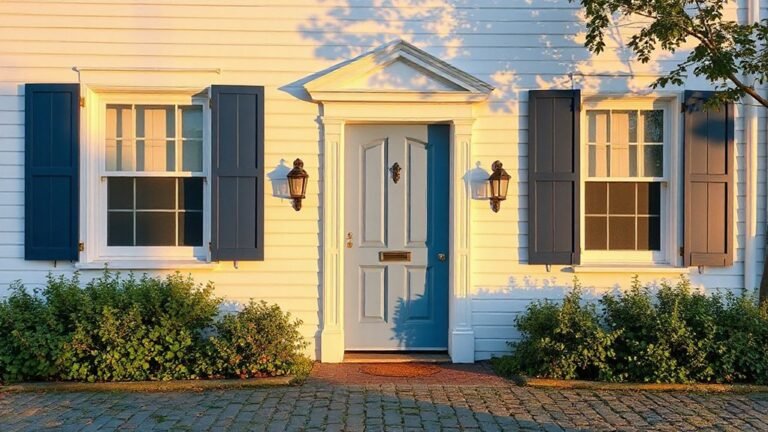
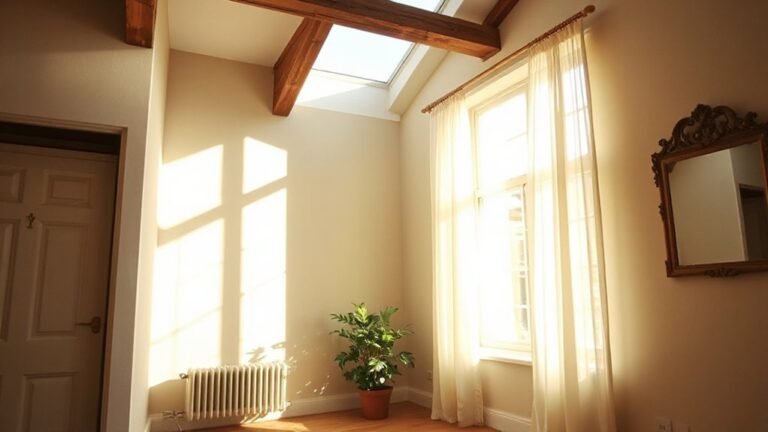
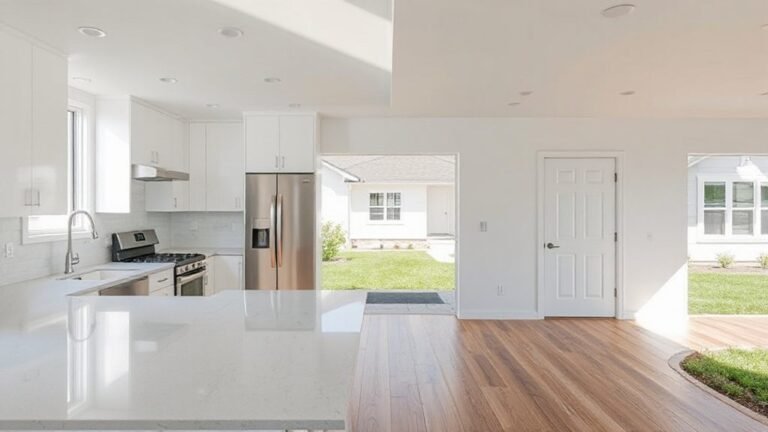
Garage conversions are not the easiest path, but they can extend your usable area without sacrificing exterior space. Before you start, assess feasibility, regulatory requirements, and intended uses to prevent costly rework later. You’ll need a clear layout, insulation strategy, and reliable plans for electrical and plumbing integration. Set a realistic budget, timeline, and contractor plan, then verify permits and inspections. What gaps remain between your vision and the practical constraints, and how will you bridge them as you proceed?
Assess Feasibility and Best Uses for Your Garage

Converting a garage is a project you should approach with a clear feasibility assessment and a defined set of uses. You begin by evaluating structural integrity, insulation, electrical capacity, and moisture control, ensuring code compliance and permitting requirements are understood. Next, define primary functions—habitable space, workshop, or studio—and quantify square footage, ceiling height, and egress. Assess utilities overlap, system upgrades, and potential impact on existing driveways or grading. Consider ventilation, thermal performance, and acoustics to match intended uses. For Garage aesthetics, plan a cohesive materials palette, lighting strategy, and finisher finishes that balance durability with appearance. For storage solutions, map out built-ins, wall-mounted racks, and modular units to maximize usable area. Conclude with a phased timeline and budget contingencies aligned to chosen uses.
Define Your Garage Conversion Vision and Layout
To define your garage conversion vision and layout, start by translating your identified uses into a functional floor plan that prioritizes safety, egress, and utility placement. Establish zones for living, work, and circulation, mapping doorways, windows, and service cores with measured accuracy. Choose a layout that minimizes wasted space while maximizing daylight and acoustics, ensuring clear sightlines and accessibility from the primary entry. Determine critical dimensions for furniture fixtures, HVAC, electrical outlets, and plumbing rough-ins, aligning them with future needs. Integrate Garage aesthetics into the design language—materials, finishes, and lighting that support durability and comfort. Plan storage solutions that optimize vertical space and hidden compartments without clutter, maintaining clean, purposeful lines throughout the conversion. Document decisions for reference in later phases.
Codes, Permits, and Insurance: A Practical Guide
Codes, permits, and insurance govern every garage conversion from planning through completion. You must identify applicable codes early, submit plans for review, and secure permits before any structural work begins. Confirm that electrical, plumbing, and fire-safety provisions meet current standards, and verify access routes meet emergency requirements. Insurance considerations include project coverage, liability, and post-conversion occupancy implications. You should track environmental impact and material sourcing to align with local sustainability goals. Maintain documentation for inspections and condemnations, and prepare for potential inspections at key milestones. Prioritize garage security during construction and after completion to deter trespass and safeguard valuables.
- Pre-approval checklists and permit timelines
- Utility separation and fire-resistance requirements
- Insurance implications during and after work
- Environmental impact assessment criteria
- Security measures and post-conversion monitoring
Insulation, Ventilation, and Comfort for Year-Round Living
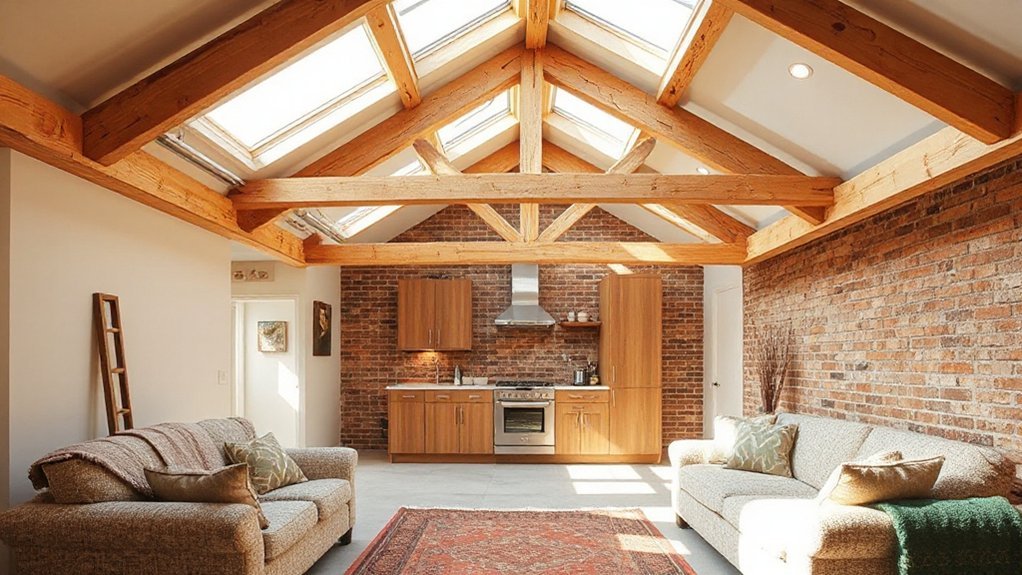
Achieving year-round comfort in a garage conversion hinges on selecting appropriate insulation, designing effective ventilation, and detailing climate-control strategies that work together without compromising safety or efficiency. You must evaluate wall and roof assemblies for continuous thermal resistance, selecting high-performance batts, rigid foam, or spray foams compatible with existing framing. Implement controlled-ventilation strategies, such as heat-recovery or demand-controlled systems, to balance moisture and air quality while minimizing energy losses. Address moisture control through vapor retarders, permeance-aware assemblies, and ground moisture barriers to prevent mold risks. Align HVAC zoning, thermostat placement, and radiant or conditioned-air supply with occupancy patterns, ensuring consistent surface temperatures and avoiding cold spots. Document performance targets for thermal regulation, indoor air quality, and occupant comfort, prioritizing reliability and safety.
Electrical Safety and Plumbing Basics for Conversions
You’ll start by reviewing Electrical Wiring Basics to guarantee circuits are correctly rated, labeled, and protected with proper overcurrent devices. Next, you’ll address Plumbing Pipe Safety to prevent leaks and material incompatibilities during conversions. This section sets the standards for safe installation, compliance, and future maintenance.
Electrical Wiring Basics
What are the essential considerations for wiring a garage conversion safely and legally? You’ll plan a dedicated electrical system that meets code, supports intended loads, and minimizes hazards. Assess service size, calculate circuit demands, and select appropriate breakers, outlets, and lighting fixtures. Use proper wiring color coding to distinguish circuits and avoid confusion during maintenance. Ensure GFCI protection for damp areas and arc fault protection where required. Route cables through protected channels, avoid overfused components, and maintain clean, labeled panels. Schedule inspections at critical milestones to verify compliance and safety. Budget for grounding, bonding, and conduit spans. Coordinate with HVAC and appliances to prevent nuisance trips and overloads.
- Determine service capacity and feeder sizing
- Apply wiring color coding consistently
- Implement AFCI/GFCI protections
- Plan grounding and bonding rigorously
- Schedule mandatory inspections and documentation
Plumbing Pipe Safety
Plumbing pipe safety in a garage conversion requires a systematic approach that protects occupancy, structural integrity, and adjacent electrical systems. You assess pipe routes to avoid shared spaces with electrical conduits, minimizing heat exposure and vibration transfer. You verify material compatibility, ensuring corrosion resistance and appropriate pressure ratings for domestic water and venting. You install shutoff valves accessible from the living area and label branches for quick isolation during maintenance. You include overflow protection for water heaters and boilers, with drip pans and secondary containment where required. You perform water heater maintenance regularly, inspecting anode rods, thermostats, and sediment buildup to prevent leaks. You test pressure and leak integrity after any modification, documenting clear as-built diagrams for future servicing.
Light, Windows, and Access: Finishes That Spark Joy
Light source placement guides how you illuminate work zones and living spaces, balancing task lighting with ambient quality to reduce glare and shadows. Window design choices should maximize natural light while maintaining energy efficiency, security, and ventilation. Align these finishes with your layout, access points, and code requirements to create a bright, functional garage conversion.
Light Source Placement
Effective light source placement begins with aligning illumination to workflow and safety needs; you’ll prioritize task lighting in work zones, ambient lighting for overall visibility, and access to natural daylight where feasible. You’ll balance natural lighting with artificial illumination to reduce glare and shadows, ensuring consistent brightness across zones. Position fixtures to minimize heat buildup and code-compliant clearances. Consider wall-mounted, ceiling, and under-cabinet options for targeted and general light. Dimensional accuracy for outlet proximity and switch placement enables seamless control. Select color rendering with appropriate Kelvin range to preserve material appearance and reduce fatigue. Plan for future reconfigurations without compromising light levels.
- Map primary tasks to lighting zones
- Assess daylight availability and shuttering
- Prioritize glare control
- Specify dimmable options
- Align controls with access points
Window Design Choices
Window design choices influence both daylight performance and access to the view, so align glazing, framing, and operability with your workflow and safety goals established earlier for lighting. You should evaluate window styles for thermal performance, glare control, and maintenance access, selecting configurations that fit room function and ventilation needs. Prioritize natural light without compromising privacy or heat gain; consider glazing tint, low-e coatings, and spacer systems to optimize energy use. Position operable units to suit routine tasks, egress requirements, and security considerations, ensuring child and pet safety where applicable. Use consistent framing materials to match wall assemblies and finishes, reducing thermal bridges. Document installation tolerances, waterproofing details, and quality checks to ensure durable performance and minimal long-term upkeep.
Budget, Timeline, and Milestones You Can Trust
Budget, timeline, and milestones form the backbone of any garage conversion project, providing clear expectations and measurable progress. You establish cost management targets upfront and align them with a defined project schedule to prevent overruns. A precise timeline breaks work into phases, with milestone checkpoints for critical reviews and sign-offs. You’ll track budget burn, variances, and contingency usage, adjusting as needed to protect scope and quality. Clear milestones reduce ambiguity, enhance accountability, and enable proactive risk mitigation. You integrate cost management and project scheduling into a single control framework, ensuring transparent reporting to stakeholders and timely decisions.
- Define baseline costs and contingencies with transparent assumptions
- Create phase gates tied to objective milestones
- Schedule procurement and delivery windows to avoid delays
- Monitor variances and reallocate funds promptly
- Document changes for auditability and accountability
Hiring, Permits, and Inspections: Your Project Plan
Securing the right personnel and steering through the legal requirements are essential first steps in your project plan: hiring, permits, and inspections set the groundwork for safe, compliant execution. You begin with contractor selection, evaluating qualifications, licenses, insurance, and past performance against your project scope. Confirm scope alignment, cost estimates, and warranty terms in writing before engagement. Next, establish a permitting strategy: identify required permits, processing timelines, and submission responsibilities, ensuring plans meet code and energy standards. Develop a project scheduling framework that integrates permit approvals, inspections, and trade coordination, with milestones and critical path analysis. Maintain documentation for all changes, communications, and approvals. Regularly review progress against the plan, adjusting resource allocation to prevent delays and maintain safety and quality.
Common Pitfalls to Avoid (and How to Fix Them)

Common pitfalls in garage conversions can derail a project quickly if left unchecked, so you should anticipate them from the outset and implement corrective measures. You’ll tighten the plan by identifying load-bearing and insulation gaps early, ensuring code compliance, and coordinating trades to prevent schedule slippage. Address ventilation, moisture control, and electrical load to avoid expensive retrofits. Preservation of garage dimensions matters for future use and resale value; document any deviations. Integrate mechanical systems with minimal disruption to storage and circulation. Prioritize Garage organization and incorporate aesthetic enhancements that don’t compromise structure. Revisit utility access, lighting quality, and finish materials for durability. Proactively validate budget contingencies to prevent scope creep.
- Identify critical code gaps and schedule permits upfront
- Map storage zones with clear traffic flow
- Plan for ventilation, moisture control, and electrical load
- Align finishes with durability and aesthetics
- Allocate a realistic budget with contingencies
Frequently Asked Questions
How Long Does a Garage Conversion Typically Take From Start to Finish?
A typical garage conversion takes about 6 to 12 weeks from start to finish. You’ll handle plans, obtain conversion permits, install garage insulation, complete electrical and plumbing work, then finalize finishes and inspections for approval.
What Are Hidden Costs Not Covered by Permits or Bids?
Hidden expenses lurk beyond permits: permit pitfalls can mask costs like utilities, insulation, and finishing touches. You’ll discover these hidden costs when budgeting, negotiating, and selecting contractors, ensuring you don’t overlook contingency funds or scope creep.
Can a Garage Conversion Affect Home Resale Value?
A garage conversion can boost or reduce resale value, depending on quality and compatibility. You’ll influence Garage aesthetics and Conversion safety through compliant design, prudent finishes, and proper insulation, ensuring perceived value remains high and appraisal aligns with market expectations.
Do Homeowners Associations Approve Garage Conversions?
Yes, your HOA might require approvals. You must obtain HOA approval, align with garage regulations, and submit plans. You’ll need to verify setback, parking, and utility standards, and address safety requirements before proceeding with a conversion.
What Grants or Rebates Are Available for Energy-Efficient Upgrades?
You can access solar incentives and insulation rebates, depending on your location and program eligibility. You’ll maximize savings by prioritizing efficient insulation, solar-ready upgrades, and accurate documentation for claims, timelines, and compliance in your energy retrofit plan.
Conclusion
You’ve mapped all the constraints and milestones, so your “extra space” becomes a model of restraint—ironically. You’ll savor comfort, sunlight, and a proper climate, all while not losing sight of wires, pipes, and legal stamps. Sure, you could wing it; that’s how garages become haunted by do-it-yourself legends. But with this plan, you’ll impress neighbors, avoid fiascos, and actually finish on time. Congrats: your practical vision just outsmarted chaos.
About the Author