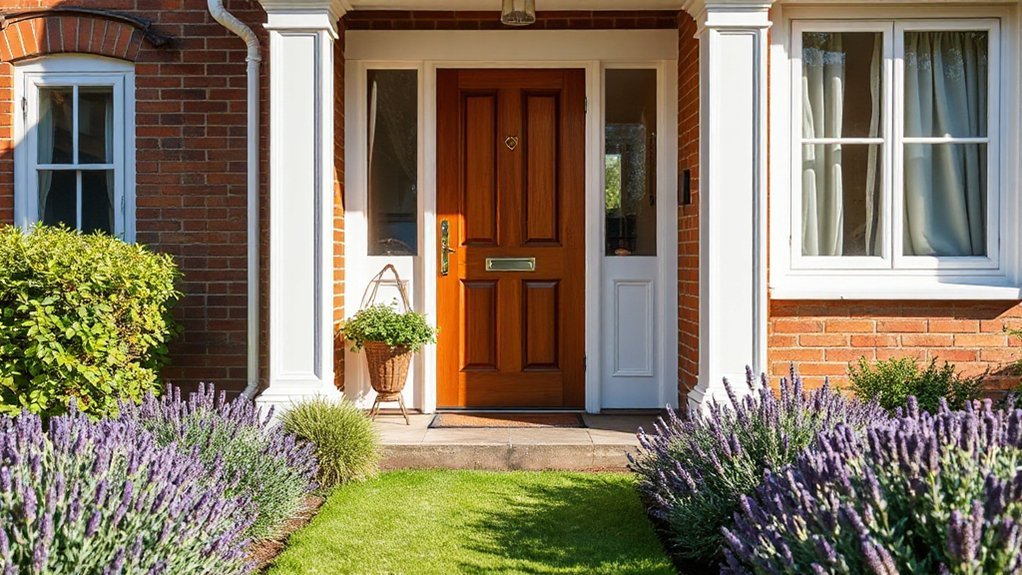
Your home is a canvas, waiting for the right season to shine. If you’re aiming for a faster sale this summer, start with practical, cost‑effective upgrades that bolster appeal and ROI. You’ll want a clear plan: boost curb appeal, refresh interiors, optimize light and flow, and stage key spaces for max impact. Start early so you’re not rushed, and weigh cost against potential uplift to avoid overinvesting. The next steps apply a smart, proven sequence that can lift what buyers notice first.
Why Summer Selling Delivers Higher Offers
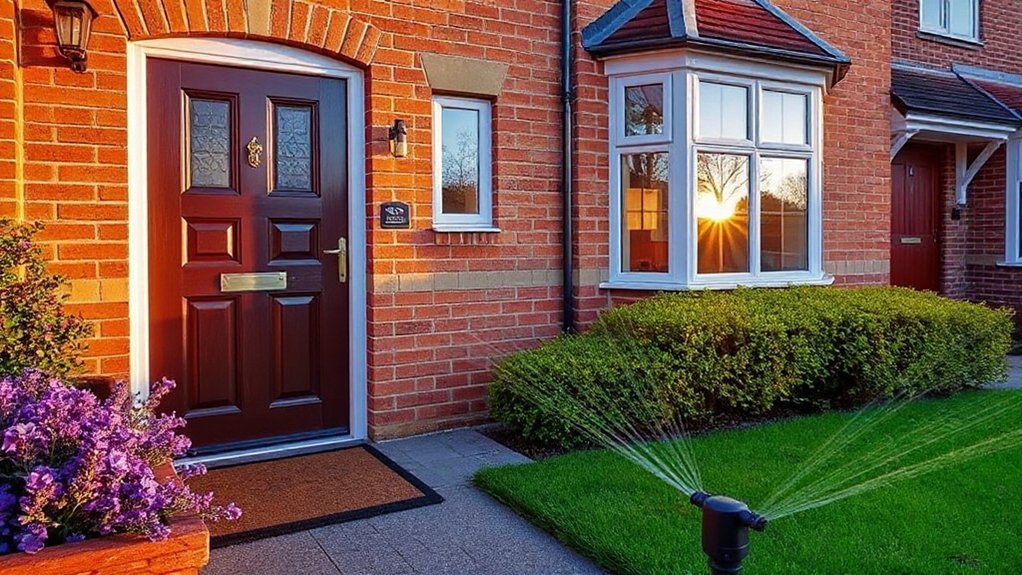
Summer is typically the peak selling season for UK homes, and buyers often bid more quickly when supply is tight and competition is higher. You’ll see higher offers because demand concentrates in a shorter window, encouraging faster decision-making and simpler negotiations.
Seasonal trends influence buyer psychology: families aim to settle before school terms, while investors time purchases for summer completion. In this period, you’ll encounter more cash-ready buyers and fewer days on market, which can push prices upward.
Summer marketing emphasizes visibility, open-house accessibility, and timely responses, aligning with market momentum. Track market data to verify patterns, and avoid overpricing in hot markets.
Budget-Friendly Fixes That Move the Needle
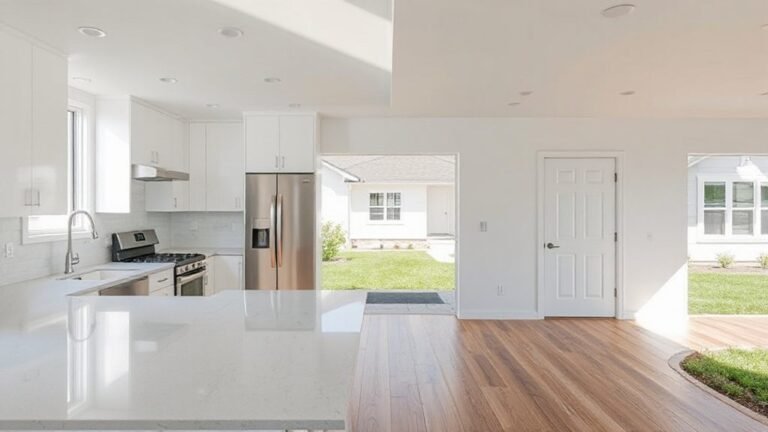
A quick kitchen refresh, a few fresh paint touch-ups, and light landscaping tweaks can collectively move the needle without breaking the bank.
Start with high-impact, low-cost fixes—repaint chosen walls, update cabinet hardware, and tidy or edge the borders to refresh the space.
These targeted steps are easy to implement and help create a more polished, buyer-friendly feel.
Quick Kitchen Refreshes
Looking for quick, budget-friendly kitchen upgrades? You can achieve noticeable improvements with targeted, practical tweaks. Begin with cabinet and drawer organization to create a sleeker feel without replacing doors. Use pull-out organizers and labeled storage to reduce clutter and improve usability.
Prioritize lighting: bright, cool-toned LEDs under cabinets illuminate workspaces and make the room read larger. Swap outdated hardware for modern, inexpensive handles to refresh the look.
Consider surface refreshes like a sealed laminate or contact paper in a durable finish for a clean, coordinated appearance.
Focus on functional upgrades that matter to buyers: efficient drawer dividers, energy-efficient bulbs, and simple, durable updates. Include kitchen accessories and appliance upgrades where they enhance flow, not clutter, preserving a cohesive, sale-ready impression.
Fresh Paint Touch-Ups
Fresh paint touch-ups offer a quick, affordable way to refresh surfaces without major renovations. You’ll target scuffs on walls, ceilings, and trim with a matching or near-match colour, ensuring clean edges and even coverage.
Inspect for peeling finishes; sand and prime where needed to improve adhesion. Use quality brushes or a small roller for a smooth finish, and protect adjacent areas with painter’s tape.
After each coat dries, assess for uniform colour and touch up as necessary.
When considering room impact, note that wallpaper trends influence colour choice and batch consistency; a subtle refresh can accommodate upcoming wallpaper plans without committing to a full renovation.
Keep notes on preparation, drying times, and touch-up locations, and evaluate how existing flooring options might interact with the final shade.
Budget-Friendly Landscaping
Budget-friendly landscaping can deliver noticeable curb appeal without breaking the bank by focusing on selective, high-impact fixes. You should start by evaluating existing plants and soil, then remove or prune leggy growth to create structure.
Prioritize low-cost, high-impact garden features such as container plantings and a defined border to frame the entry. Choose drought-tolerant species suited to UK summers to reduce ongoing maintenance.
Replace or add mulching to suppress weeds and retain moisture, improving soil health with minimal effort. Establish focal points, like a seating area or a specimen tree, to draw the eye and enhance perceived space.
Implement practical outdoor lighting to extend usability after dusk, highlighting pathways and key features for safety and visual appeal. These steps balance cost with meaningful, visible improvements.
Curb Appeal Upgrades That Attract Quick Interest
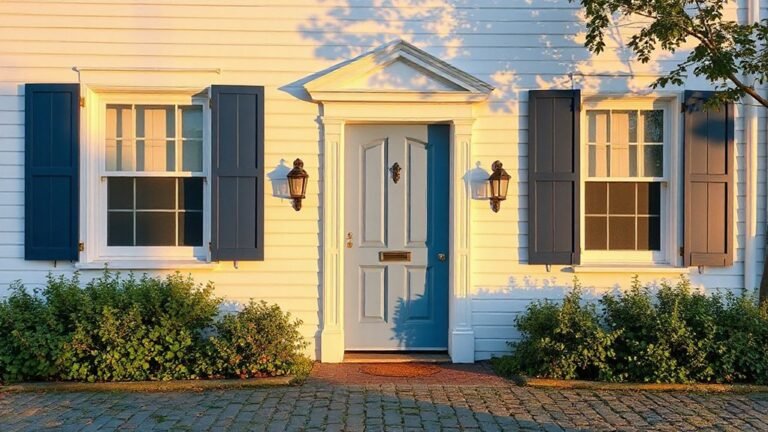
A strong first impression starts at the curb, where small, targeted upgrades can trigger quick interest from buyers. Focus on low-cost, high-impact improvements that enhance perceived value and reassure visitors.
Prioritize tidy borders, fresh paint on the front door, and a clean, welcoming entry path to set a confident tone.
Upgrade security features visibly, such as a modern doorbell camera and well-lit entry, to boost home security perceptions without excessive cost.
Improve energy efficiency with weatherstripping, draft guards, and a programmable thermostat, signaling ongoing savings.
Choose durable, neutral finishes for exterior fixtures to minimize maintenance.
Guarantee the driveway and walkways are free of cracks and weeds.
Present a cohesive, cared-for exterior to attract motivated buyers quickly.
Improve Flow and Light With Simple Room Reconfigurations
To improve flow and light, start with light-boosting furniture placement that angles seating to reflect light and create clear sightlines.
Consider creating wider doorways illusion by removing non-load-bearing screens or widening openings where feasible to improve circulation.
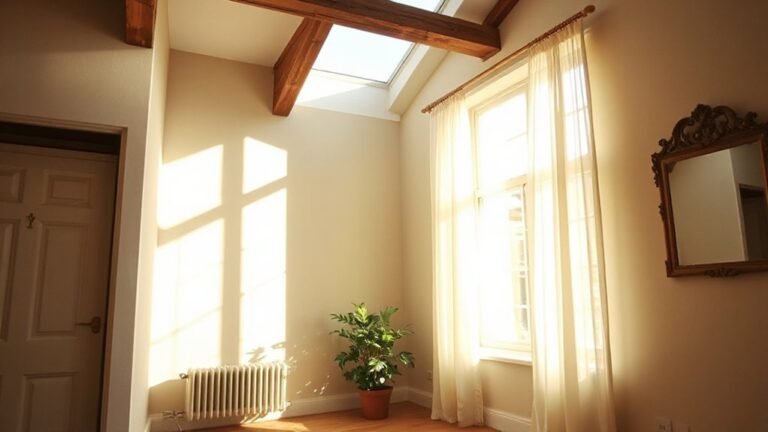
Set up natural light maximisers by positioning mirrors and light-emitting decor to bounce daylight into darker zones without clutter.
Light-Boosting Furniture Placement
Light can transform a space, and the right furniture placement is a quick, practical way to make rooms feel brighter and more open. You’ll optimize flow by grouping functional zones and avoiding clutter, which reduces shadowed corners and unused space.
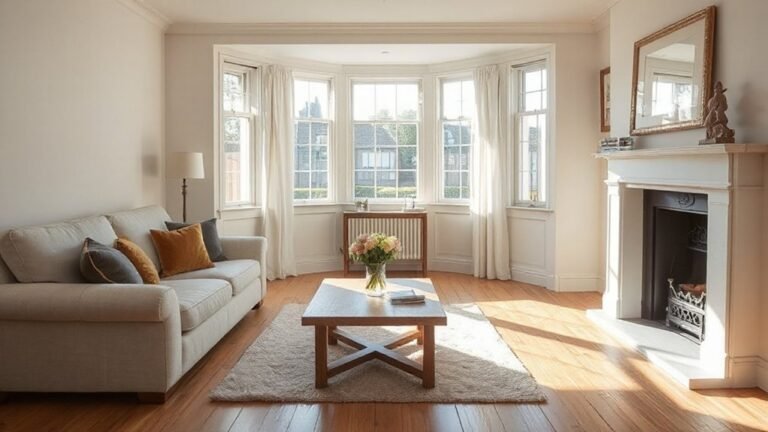
Begin with a furniture arrangement that centers traffic patterns along natural pathways, not across sightlines. Place sofas and chairs to face focal points such as windows or a light source, creating the impression of more airiness.
Use mirror placements and lighter end tables to reflect light without crowding walls. Prioritize low, slim-profile pieces near windows to avoid blocking light. Keep scale balanced to prevent a choked feel, and test configurations in daylight.
Lighting enhancement comes from thoughtful angles, not overpowering fixtures.
Create Wider Doorways Illusion
By removing or resizing nonessential elements, you can visually widen doorways and improve flow. Start with measuring the doorway width and compare it to standard dimensions to identify clear targets. Remove bulky trim or doors that visually close spaces; replace hinged doors with pocket or sliding options where feasible to maintain open sightlines.
Consider opening plants or furniture placements that clutter sightlines near door frames, ensuring at least 80 cm of clear width for comfortable passage. Repaint door jambs and surrounding walls in lighter, cohesive tones to reinforce the spatial illusion of openness.
Use uniform flooring across adjacent rooms to minimize junction breaks. These steps create a subtle spatial illusion, enhancing perceived space without major structural work.
Natural Light Maximisers Setup
Natural light can be amplified through simple room reconfigurations that maintain flow. Start by evaluating furniture layout to avoid blocking light sources; place seating away from windows and use slim profiles.
Mirror placement can reflect daylight deeper into rooms, but avoid duplicating glare. Choose neutral, light-reflective wall colors to enhance brightness without overpowering space.
For flow, group related functions near natural light access rather than distant corners, enabling easier movement and a perceived larger area.
Window treatments should be minimal yet effective—use sheer curtains or light blinds that control glare without obstructing view.
Consider skylights or axis-aligned lamps to supplement daylight on overcast days.
Regularly clear clutter to preserve open sightlines and maximise the impact of natural light.
Smart Staging Steps to Show Off Your Home’s Best Features
Smart staging starts with a clear plan: identify each room’s best features, minimize distractions, and set a flow that guides buyers naturally through the space. You’ll map focal points, declutter surfaces, and polish finishes to reveal potential without exaggeration.
Begin with entry and living areas, highlighting natural focal lines, then direct attention to storage and practicality. Use neutral palettes, consistent lighting, and purposeful furniture placement to convey scale and function.
Emphasize energy efficiency by showcasing efficient appliances, smart thermostats, and well-sealed windows; note these in listings or signage. For security, guarantee visible locks, working alarms, and clear access paths.
Maintain logical transitions between spaces, avoiding overloaded decor. Regularly reassess each room’s staging to preserve authenticity, appeal, and buyer confidence. Continuous upkeep sustains perceived value throughout the selling window.
Timing Preparations for Maximum Buyer Interest
Timing your preparations correctly can maximize buyer interest and shorten the selling window. You’ll align tasks with seasonal trends, preparing at a pace that keeps your home appealing without overspending.
Begin by mapping the calendar to likely peak weeks for buyer activity, then sequence improvements that yield the best return in those moments. Prioritize high-impact updates and reliable finishes that endure longer than a single season.
Monitor local market timing, noting openings when listings rise and competition shifts. Schedule professional services early to avoid delays, and reserve last-minute touch-ups for before viewings rather than permanent overhauls.
Communicate clearly with your agent about your planned timeline, ensuring coordination with marketing pushes, open houses, and brochure updates. A disciplined timetable reduces friction and sustains buyer momentum.
Budgeting for Impact: Track ROI and Expected Uplift
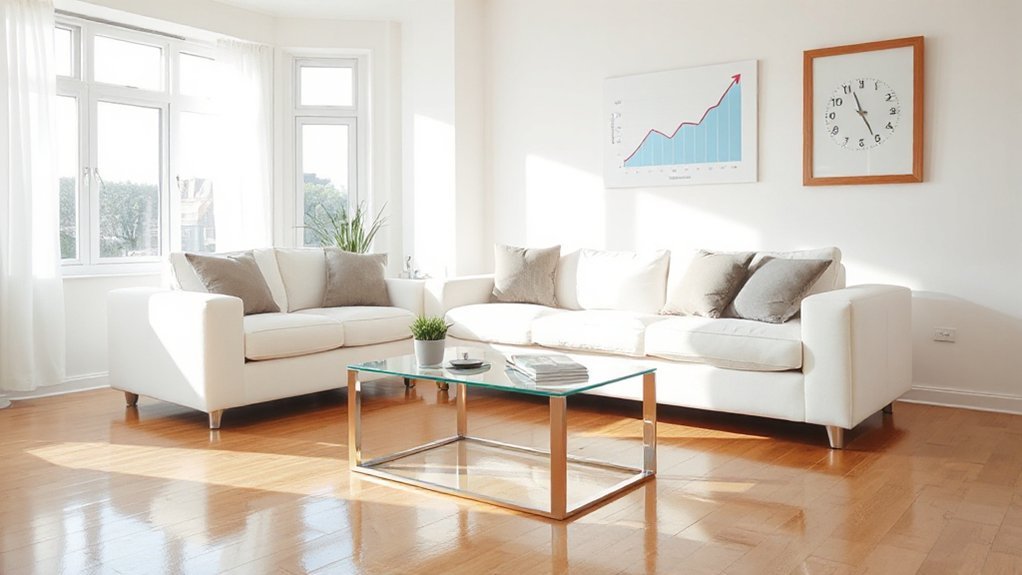
To maximize value, set a clear budget baseline and quantify expected returns before you spend. You’ll perform investment analysis to identify high-impact areas and allocate funds accordingly.
Track planned vs. actual costs from the outset, updating as you refine scopes. Establish key metrics—cost per percentage uplift, estimated sale price impact, and time-to-sale—so you can judge progress objectively.
Use renovation planning to sequence work logically, avoiding overlap and delays that inflate costs. Compare alternative options with a simple ROI framework: projected uplift minus costs, divided by costs.
Maintain a disciplined record of assumptions, market data, and revision triggers. Reassess after each milestone, documenting deviations and revised forecasts.
This disciplined approach helps prevent over-investment and aligns spending with measurable value for a summer sale.
Frequently Asked Questions
How Long Does a Home Improvement Typically Take to Sell Faster?
Staging strategies can help, but sale speed depends on market and condition. You’ll typically see faster bids when renovations timelines stay realistic, prioritize kitchens and baths, and present clear project schedules with transparent progress updates for buyers.
What Unseen Costs Should I Expect Before Listing?
You’ll likely face legal fees and upfront costs averaging 1–3% of sale price. About 30% of sellers misestimate closing costs, so review your pricing strategy carefully and budget for surveys, conveyancing, stamp duty, and unexpected maintenance.
Do Colors Impact Buyer Perceptions in the UK Market?
Yes, colors matter: color psychology influences perceptions, and you should choose neutral, cohesive color schemes to appeal to UK buyers. Use consistent color schemes throughout, prefer light, airy tones, and avoid polarizing hues to maximize broad appeal.
Which Rooms Offer the Highest ROI for Quick Sale Gains?
Outdoor landscaping and kitchen upgrades offer the highest ROI for quick sale gains; you’ll typically see faster buyer interest when you invest in curb appeal and modernized, efficient cooking spaces that meet expectations in today’s market.
Is It Worth Hiring a Professional Stager for Small Homes?
Yes, you should consider home staging for small homes. You’ll benefit from professional advice to maximize space, flow, and lighting, presenting a polished, realistic look that helps buyers envision living there.
Conclusion
In summer, buyers chase light and space, while the calendar also pressures you to act fast. You’ll save money with clean, simple updates, yet the payoff can be big when done right. It’s a contrast: quick fixes versus lasting curb appeal. Plan early, spend smart, and stage thoughtfully; you’ll calm nerves and boost perceived value. The result isn’t flashy gimmicks, but a more inviting, functional home that stands out in a hot market.
About the Author