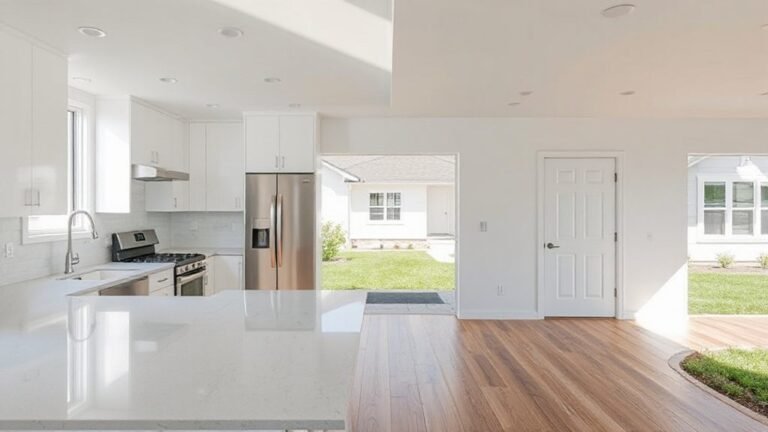
Choosing a reliable builder starts with clear goals and a realistic budget, so you know what to expect and can measure progress. Check licenses, insurance, and past projects, then compare proposals for scope, costs, and timelines. Ask for references, visit completed work, and review warranties and change policies. Set expectations for transparency and subcontractor management, and confirm permits and schedules upfront. Get comfortable with the process now, because a solid foundation saves you stress—and the next step is where your project really begins.
Define Your Renovation Goals and Budget

Define clear renovation goals and a realistic budget before you start shopping for a builder. You’ll map what matters most: room functions, flow, storage, and the vibe you want to live in. Set measurable goals, like increasing natural light by a specific percentage or finishing by a target date.
Establish a budget cap with a contingency for surprises, so you stay calm and confident in conversations with pros. Think about Design inspiration early, but keep it practical—identify non-negotiables and nice-to-haves.
Document constraints, timelines, and permits you’ll need. Focus on Material selection that supports longevity and maintainability, not just aesthetics.
When you’re aligned on goals and budget, you’ll communicate clearly, invite credible bids, and build a sense of belonging with your renovation team.
Trustworthy Builder Qualities and How to Verify Them
When you’ve pinned down your goals and budget, the next step is filtering builders by traits that guarantee reliable results. To gauge trustworthiness, look for consistent performance, transparent communication, and dependable certifications.
Trustworthiness indicators include timely updates, clear cost tracking, and a documented process for changes. Verify their track record by asking for recent projects, client references, and a portfolio that demonstrates problem solving under pressure.
A strong builder reputation isn’t built on promises alone; it’s proven by longevity in the market, repeat clients, and positive word of mouth.
Screen for accountability: licenses, insurance, and a formal safety program. If a builder shines on these cues, you’ll feel confident moving forward together.
Compare Proposals and Contracts Without Confusion
How can you avoid confusion when comparing proposals and contracts? Start by listing each proposal’s scope, costs, and timelines side by side.
Focus on clear cost estimation details: itemize materials, labor, permits, and contingency funds, and note any inclusions or exclusions.
Read contracts carefully for language about changes, payment schedules, and who bears what risk.
Verify warranty coverage in writing, including duration, what’s covered, and how to claim it.
Look for identical terms across documents, and flag any discrepancies before you sign.
Don’t assume substitutes or substitutions are allowed without written approval.
Ask for simple, plain-language summaries of complex clauses, and require signatures on all versions.
When you finish, you’ll feel confident you chose a builder who respects your budget and your home.
Check References and Past Work Effectively

Start by contacting former clients and visiting completed projects when possible, because firsthand experiences reveal real strengths and weaknesses you won’t see in brochures.
Then verify consistency between promises and results by asking about project milestones, timelines, and finishes.
Track what’s common across multiple references: reliability, communication, and problem solving under pressure.
When you contact past clients, listen for both praise and caution, and note how they handled changes or delays.
Review capped budgets versus actuals and how payment schedules aligned with progress.
Ask to see photos, warranties, and maintenance notes from completed work.
Confirm that subcontractors were coordinated smoothly and that the builder stood by the work after handover.
This diligence builds trust and helps you choose confidently.
Schedule, Permits, and Subcontractors: What to Confirm
You’ll want clear timelines for permits and a realistic schedule that aligns with your project milestones.
Confirm that subcontractors are held to accountability standards and that their qualifications, insurance, and performance expectations are documented.
Ask for how changes, delays, and permit issues will be communicated and resolved to keep the project on track.
Permit Timeline Clarity
A clear permit timeline hinges on three elements: a realistic schedule, current permits, and reliable subcontractors. You’ll want a plan that maps permit apps to milestones, with buffers for approvals and inspections.
Ask for a written timeline from the builder that specifies permit submission dates, anticipated review times, and decision windows, then align these with your project financing and design preferences.
Confirm who handles each permit stage and how changes affect timing and costs. Look for transparent updates—weekly check-ins or a shared dashboard help you stay in the loop.
Clarify any contingencies if permits lag or site conditions arise, so you aren’t left guessing. By demanding clarity, you join a confident team that respects your home, budget, and sense of belonging.
Subcontractor Accountability Standards
Subcontractor accountability is non-negotiable for a smooth build. You’ll want clear expectations on schedule, permits, and who’s responsible for each task.
First, confirm subcontractor oversight: who monitors daily progress, how progress is reported, and how delays are handled.
Next, review accountability protocols: documented timelines, milestone payments, and a process for corrective actions if quality or safety slip.
Require permits in writing, with assigned permit authority and a plan for urgent renewals or reviews.
Verify that subcontractors carry the appropriate licenses, insurance, and safety training, and that your lead contractor maintains a consolidated schedule, flagging conflicts early.
Finally, demand alignment on change orders, warranty coverage, and dispute resolution.
This clarity builds trust, belonging, and a smoother, more predictable renovation experience.
Avoid Pitfalls and Protect Your Home Throughout the Project
To avoid costly surprises, set clear expectations upfront and insist on written milestones, schedules, and payment terms. You protect your home by vetting contractors’ workflows, confirming permit routes, and documenting change orders before work starts.
Maintain daily communication and keep a project diary so you can spot drift early. Require site protection plans, trash containment, dust control, and vibration monitoring where needed.
Choose a builder who understands design trends and can translate them without overruns, while offering eco-friendly options that meet your priorities.
Prioritize safety, insurance, and lien waivers to guard against liens or damages. Schedule regular walkthroughs, certify completed phases, and address quality promptly.
A collaborative, transparent approach helps your project stay on track and strengthens your sense of belonging in the process.
Frequently Asked Questions
How Does a Builder Handle Emergency Repairs During Renovation?
In an emergency, you’ll see rapid response and clear communication. You lead the way as crews activate emergency response, follow repair protocols, seal hazards, protect occupants, and document actions for insurance and future prevention.
Can You Explain Warranty Coverage for Materials and Labor?
Ever wondered if your peace of mind is safeguarded? Warranty coverage guarantees your materials and labor are covered, with clear warranty details and defined coverage scope. You deserve certainty, so review terms, timelines, and transferability before signing.
What Happens if Project Costs Exceed the Original Budget?
If cost overruns occur, you renegotiate scope and timelines, tighten budget management, and approve contingency-funded changes. You stay proactive, document decisions, and communicate transparently with stakeholders to protect quality, schedule, and your sense of belonging in the project.
How Do You Manage Subcontractor Scheduling and Site Safety?
You manage subcontractor scheduling by establishing clear milestones and daily check-ins, ensuring subcontractor coordination stays on track, and you enforce site safety protocols consistently so everyone feels secure and valued within the project team.
What’s the Process for Change Orders and Approvals?
When a storm hit, you adjusted sails; change order procedures mirror that. You follow the approval process steps, document scope changes, cost impacts, then confirm in writing, ensuring everyone feels included and aligned throughout the project.
Conclusion
Choosing a builder is about trust, not just price. You want a team that’s licensed and insured, yet approachable and transparent. Do your homework: verify references, visit completed projects, and read contracts carefully. You’ll save heartache by planning milestones and clear change policies. But be open to surprises—timelines slip, costs shift. Balance caution with collaboration: demand accountability, celebrate progress, and safeguard your home. In the end, clarity + due diligence equals confident, serene renovation results.
About the Author