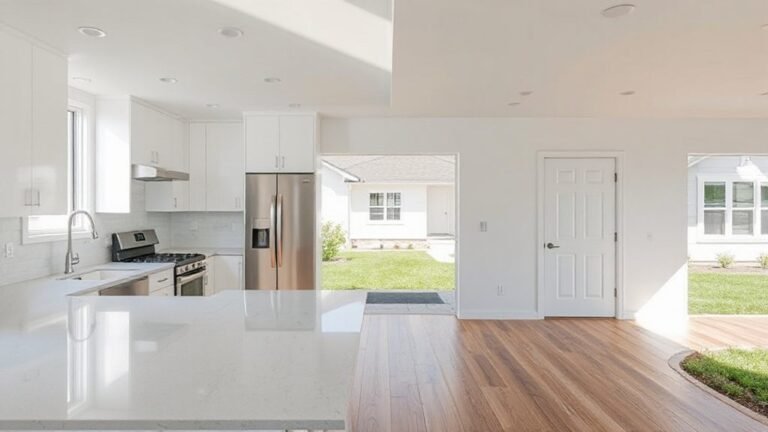
Think of your reno as a carefully charted expedition; your first step is to vet builders with clear eyes. You’ll need credentials, licenses, and insurance, plus a solid track record and client references. Don’t skip detailed contracts, predictable warranties, and change-order procedures. Set firm timelines and payment milestones, and watch for red flags early. If a candidate doesn’t measure up on those basics, the next option isn’t far behind—and that decision could shape the project’s outcome.
Define Your Renovation Goals and Budget Up Front

Defining your renovation goals and budget up front sets the stage for a successful project. You map outcomes, costs, and timelines before any contractor walks in.
Start with clear goals: which rooms need updating, what functions matter, and any must-have features. Translate those into measurable criteria and a realistic budget range, so you don’t chase unattainable results later.
Investigate material selection early, noting costs, durability, and maintenance needs, to prevent late changes that explode the budget.
Document constraints, including permits, utilities, and structural implications.
Clarify design preferences—style, finish level, and coordination with existing elements—so bids align.
Communicate expectations about decision timelines, contingencies, and change orders.
A documented plan reduces ambiguity and strengthens your negotiating position with builders.
Vet Builders: Credentials, Experience, and Specializations
You’ll want a clear picture of a builder’s credentials snapshot and how they corroborate experience.
We’ll examine certifications, licenses, and affiliations, then connect them to proven project outcomes and risk management.
This spotlight on specializations helps you match a contractor’s strengths to your renovation goals.
Credentials Snapshot
Credentials snapshots matter because they give you a clear baseline for evaluating builders: what licenses they hold, their training, and where their specialized experience lies.
In this snapshot, you verify essential credentials before you commit. Check current licenses for your region and confirm active status with the issuing authority. Look for trade certifications that align with your project scope, and note any ongoing professional development.
Investigate each builder’s insurance coverage, including general liability and workers’ compensation, to protect you from cost exposure. Review prior projects and client references to corroborate stated experience, paying attention to project size, complexity, and outcomes.
Finally, guarantee permits handling competence is demonstrated or clearly documented, so building permits, approvals, and inspections align with your renovation timeline.
Specializations Spotlight
How do you determine a builder’s true value beyond basic licenses? You examine their specializations, not just their general claims. Start by verifying credentials, certifications, and ongoing training that align with your project scope.
Next, assess demonstrated experience in your type of renovation, including completed projects with similar scale and material choices. Look for documented outcomes: warranty histories, post-project support, and client references you can contact.
Investigate whether they actively pursue design trends and eco-friendly features, signaling adaptability and sustainability-minded planning. Ask how their team integrates systems like efficient framing, insulation, and daylighting.
Finally, request a written plan detailing timelines, milestones, and quality-control checks. A brokered fit should feel transparent, with a clear emphasis on value, durability, and responsible construction practices.
Gather Evidence: References, Portfolios, and Reputation

Gathering solid evidence is essential to evaluating a builder. You’ll verify references, review portfolios, and assess reputation with a critical eye.
Start by contacting recent clients to confirm on-time completion, budget adherence, and post-project support.
Examine portfolios for consistency in quality, finishes, and problem-solving under real conditions. Look for a track record aligned with your project type and scale, noting any recurring issues or gaps.
Investigate the firm’s project management approach, scheduling discipline, and accountability practices, asking how they handle delays or scope changes.
Check suppliers and material sourcing networks to gauge reliability and price integrity.
Finally, triangulate findings across reviews, awards, and industry affiliations to form a balanced risk picture before you proceed.
Decode Contracts: Warranties, Change Orders, and Protections
When you decode contracts, start by isolating warranties, change orders, and protections to understand what’s guaranteed, what can be adjusted, and what risks you’re taking. You’ll scan contract language for scope, exclusions, and time limits, then map each item to a practical outcome.
Warranties should specify materials, workmanship, and duration, while change orders must define cost, schedule impact, and approval processes before work begins.
Protections cover liability, insurance, and dispute resolution mechanisms, plus remedies if standards aren’t met.
Look for ambiguity, inconsistent terms, or missing contingencies that could turn into disputes. Document all interpretations and request written clarifications.
A solid contract clarifies remedies and penalties upfront, reducing surprises. If a conflict arises, rely on defined dispute resolution steps rather than informal negotiations that may weaken your position.
Set Timelines, Payments, and Milestones
After decoding warranties, change orders, and protections, you’re ready to pin down timelines, payments, and milestones that keep the project on track. You’ll establish clear project scheduling with defined start and end dates, dependencies, and buffer time for weather or delays.
Break the work into measurable milestones tied to specific deliverables, inspections, and approvals. Create payment schedules that align with progress, not promises, so payments occur after verifiable work.
Require written change-management procedures to handle scope shifts without derailing the schedule. Include contingency plans for critical-path tasks and site access constraints.
Document who approves each milestone, the criteria that trigger a payment, and the method of verification. Regularly review progress against the plan, updating stakeholders transparently to preserve accountability and momentum.
Spot Red Flags and Mitigate Project Risk
Spotting red flags early saves time and money, so you should be vigilant for warning signs that could signal project risk. Track contracts, change orders, and insured liabilities to prevent disputes later.
Look for unexpected delays and ask for causes, not excuses; persistent PMI-estimated timing shifts can hide scope creep or vendor bottlenecks.
Demand a detailed project plan with milestones, responsibilities, and risk registers you can review.
If communications feel one-sided or nonresponsive, that’s a warning sign you’ll live with poor collaboration.
Ask for written confirmations of decisions, schedules, and budget changes, and insist on regular progress updates.
Verify licensing, warranties, and sub-contractor practices; verify insurance coverage and claims history.
Address concerns promptly in writing to preserve accountability and reduce overall project risk.
Frequently Asked Questions
How Do I Verify a Builder’s Insurance Coverage and Licensing Status?
You verify a builder’s insurance coverage and licensing status by requesting certificates of insurance and workers’ comp, then perform an up-to-date Licensing check with the state, plus Insurance verification through the insurer; confirm policy dates, limits, and named insured.
What Questions Should I Ask References About On-Site Workmanship?
One fascinating stat: 92% of projects with strong on-site QA finish on time. You should ask references about Quality assurance and Communication strategies, probing workmanship consistency, problem-solving, cleanup, and adherence to schedules, safety, and materials quality.
How Can I Compare Project Timelines Across Bids Effectively?
Compare bids by isolating each project’s milestone and total duration, then assess timeline flexibility and risk buffers; track baseline dates, dependencies, and slack. You’ll identify realistic schedules, potential delays, and which contractor offers measured, accountable pacing.
What Constitutes a Fair Change-Order Pricing Structure?
Change order transparency governs fair pricing; you should demand clear, itemized adjustments. Your pricing adjustment policies must specify when changes occur, allowable markups, and documentation, so you can evaluate cost impacts without surprises.
How Should I Handle Dispute Resolution if Conflicts Arise?
If conflicts arise, you should pursue mediation techniques to resolve matters and emphasize dispute prevention. You’ll document issues clearly, propose timelines, and involve a neutral third party early, ensuring collaborative problem-solving and practical, documented resolutions.
Conclusion
Choosing a reliable builder starts with clear goals, a solid budget, and thorough vetting. You’ll verify licenses, insurance, and past work, then compare references and portfolios to gauge consistency and quality. Decode contracts carefully, outline warranties and change processes, and set firm milestones and payment terms. Watch for delays or evasive answers. Statistically, projects with detailed written contracts reduce change orders by up to 40%. Stay vigilant, document everything, and communicate openly to minimize risk and protect your investment.
About the Author