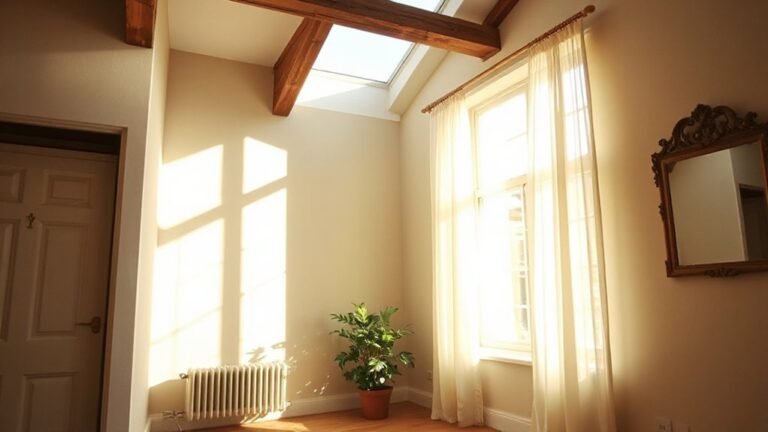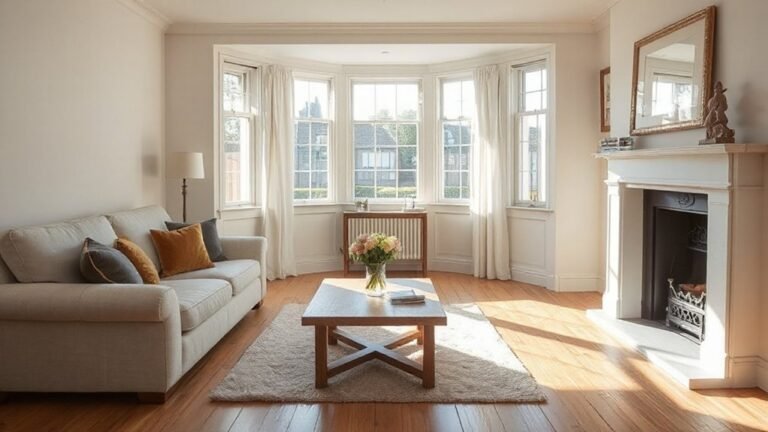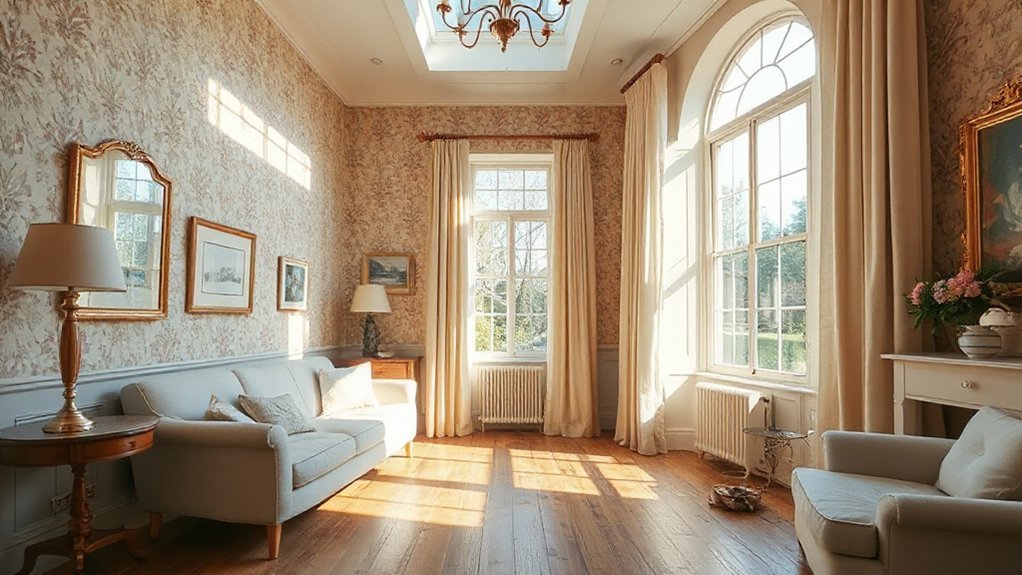
Nearly 60% of daylight in many older UK homes is lost to internal barriers and obstructions. You’ll map orientation, identify dark zones, and plan precise, reversible interventions that respect the building’s fabric. From sash maintenance to reflective finishes and modest skylight insertions, every choice boosts brightness without compromising heritage. Curious how these steps translate into a noticeably lighter, more usable space while keeping character intact? Let’s start with the exact tweaks that make the most difference.
The Light Challenge in Old UK Homes (and How to Solve It)
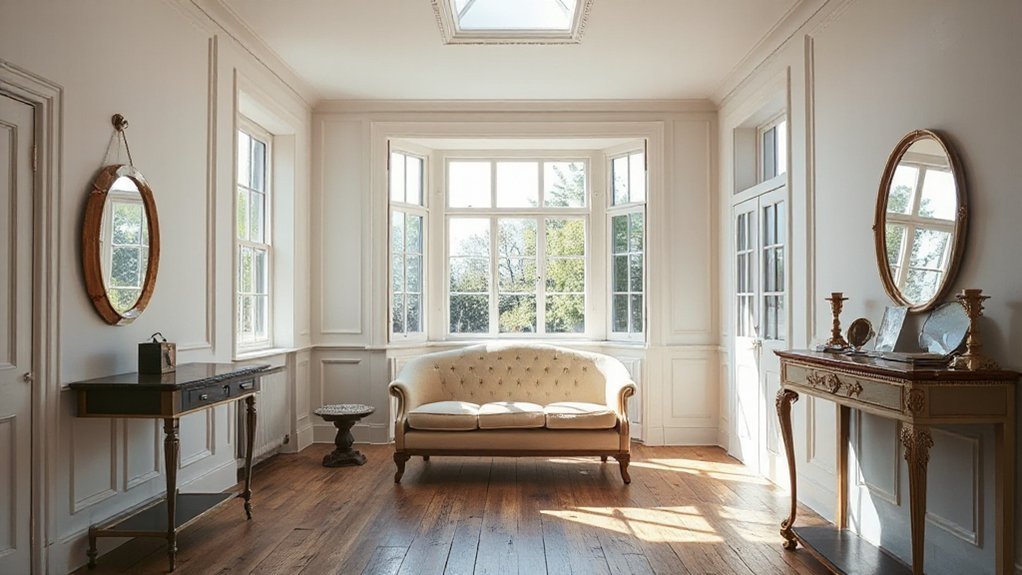
Natural light in older UK homes is often sporadic due to thick walls, small window openings, and irregular room layouts that trap shade and create dim corners. You confront the Light Challenge with a disciplined plan that respects architectural restoration and historical accuracy.
Begin by mapping daylight paths, prioritizing unobstructed lines from any intact sash or casement openings. Consider lightweight, reversible interventions that preserve fabric, such as micro-vented skylights or translucent clerestory inserts, positioned to avoid damaging plaster or featurings.
Use heat-mono reflective surfaces and calibrated shading to modulate glare without altering original character. Document decisions for future restoration cycles, ensuring conformity to heritage guidelines.
Your goal is to enhance illumination while sustaining authenticity, fostering inclusive spaces where inhabitants feel grounded in the building’s enduring identity.
Quick Diagnostic: Your Period Space’s Daylight Shortfalls
If your period space feels consistently dim, a quick diagnostic can pinpoint where daylight stalls. You’ll map light paths by documenting window orientation, obstructions, and room depth, then compare actual daylight with expected metrics from typical historical architecture layouts.
Check window-to-wall ratio, sill height, and potential shadowing from adjacent structures or interior partitions. Assess glazing age and transparency, since older panes often attenuate daylight more than modern glass.
Trace the daylight funnel from source to farthest corner, noting any dead zones near doors or alcoves. Record natural cues—high-contrast edges, reflected light from mirrors, or glossy surfaces in interior decor—that indicate usable brightness shifts.
This practical snapshot helps you plan targeted, belonging-driven improvements without overhauling cherished period details.
Reflective Finishes and Brightness-Boosting Colors
Reflective finishes and brightness-boosting colors can transform dim interiors by multiplying the visible light within a room. You’ll leverage surface quality and contrast to reduce perceived darkness, aligning with practical constraints of older UK properties.
Choose decorative finishes with low glare and even reflectivity to avoid hotspots, then test under typical daylight patterns to confirm consistency. Bright whites and pale neutrals increase luminance, while cool-toned whites enhance perceived clarity in narrow spaces.
However, balance with warmth to sustain a welcoming atmosphere. Color psychology matters: select hues that convey openness without overpowering architectural details, supporting a sense of belonging.
Pair polished plaster, ceramic, or enamel on key surfaces with satin metals for subtle reflectivity. Document finishes, observe after window changes, and refine to preserve both brightness and character.
Draught-Proof Sash Windows and Quick Maintenance
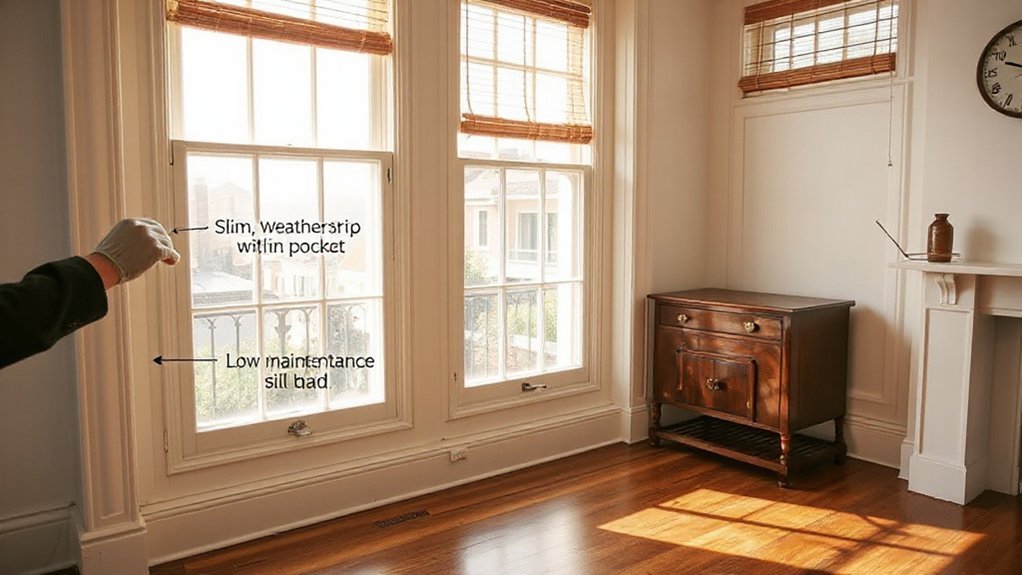
Draught-proofing sash windows is a practical, high-impact step for older UK properties, delivering immediate gains in comfort and energy efficiency while preserving historic character. You’ll seal gaps with brush seals, compression gaskets, and tailored weatherstrips, maintaining sash movement and avoiding rattles.
Start with a careful assessment of sashes, cords, and pulleys; address worn sash cords and ensure balanced operation before sealing. Use breathable, flexible insulation for cavity channels to prevent moisture buildup, and install trickle-free draught seals that won’t distort openings.
Maintenance should be routine: clean tracks, lubricate hardware, and verify airtight fits after painting. This approach respects Historical architecture while enabling Modern adaptations, preserving provenance yet improving daylight and warmth for daily living.
Belonging grows as comfort follows deliberate, precise care.
Layout Tweaks to Maximise Daylight
You optimize daylight by repositioning windows to capture more interior light without sacrificing privacy or utility.
Use reflective surfaces—light shelves, pale finishes, and strategically placed mirrors—to double the apparent brightness from each opening.
In practice, section rooms to maximize line-of-sight from sources, while zoning spaces to funnel daylight toward darker cores.
Maximising Window Positioning
Positioning windows effectively starts with orientation and sightlines: align large glazing on the sunward side where practical, and guarantee interior partitions don’t obstruct the flow of light.
In practice, you evaluate room use, then position openings to chase daylight optimization across walls, not corners. Favor higher, uninterrupted sightlines that reduce shadows from furniture and cornices, while ensuring glazing aligns with prevailing breezes for natural ventilation.
When you adjust layouts, consider glazing ratios, sill heights, and header depths to maintain proportion and daylight depth. Avoid redundant framing; choose masonry reveals and lintels that don’t trap dim corners.
Reflective Surface Techniques
Reflective surface strategies amplify daylight by guiding and diffusing light deeper into a space. You employ deliberate placement of wall mounted reflectors to redirect low-angle sun toward productive zones, reducing dependence on artificial lighting without compromising aesthetics.
Position reflectors to catch early morning or late afternoon rays, then tilt for controlled diffusion across tasks and seating areas. Ceiling mirror placements amplify ceiling height perception while distributing light evenly, minimizing harsh hotspots.
Use high-reflectance finishes (minimum 70–80% for walls or panels) to maintain color fidelity and avoid dulling shadows. Avoid obstructing influence zones; keep furniture and screens clear of reflected paths.
Document results with simple lux readings to validate improvements, iterating angles by small degrees until daylight feels fluent, inclusive, and consistently present.
Strategic Room Zoning
Strategic room zoning directly enhances daylight penetration by aligning layout with sun paths and window wells. You map circulation to avoid blocking angles, placing primary daytime activities near south-facing windows while secondary spaces receive reflected light from light wells or pale surfaces.
You minimize partitions with transparent or low-height screens to preserve continuity of daylight, and you position furniture to avoid casting long interior shadows. Consider indoor plants near bright edges to draw eyelines upward and soften gradations without stealing light.
Use window treatments that can be retracted in the day and angled to bounce light deeper into rooms. This approach creates a cohesive, welcoming environment where occupants feel a shared ownership of bright, healthier spaces.
Lighting Layering to Simulate Natural Light
Layered light principles guide you to combine ambient, task, and accent illumination so daylight cues are persistent even after sunset.
Mirror and reflector play amplify perceived brightness by redirecting natural angles into shaded zones, while color temperature tuning keeps the scene cohesive with the sun’s changing spectrum.
Start by mapping your space’s key planes and set luminance targets that balance depth, accuracy, and warmth throughout the day.
Layered Light Principles
Layered lighting combines what you already have with careful additions to mimic daylight at different times and tasks. You implement Layered Light Principles by coordinating ambient layering, task illumination, and accent cues to create a coherent daylight feel indoors.
Begin with a dimmable ambient layer that broadens the room’s base brightness without glare, simulating overcast or morning light. Add task illumination at precise focal points—desk, reading chair, kitchen worktop—so you can complete activities without unnecessary shadows.
Use color temperature and CRI to preserve natural hues; cooler tones near windows, warmer accents away from them. Guarantee controls are intuitive, so the transition reflects real daylight shifts.
Integrate reflections and surface finishes that subtly multiply light without introducing clutter or flicker, sustaining a calm, belonging-filled environment.
Mirror and Reflector Play
Mirrors and reflectors become the quiet workhorses of lighting layering, amplifying daylight without adding clutter. In practice, you position mirrors to catch high-angle sun and redirect it toward work zones or dark corners, avoiding glare by angling slightly away from direct sightlines.
Mirror placement matters: place at strategic distances to create multiple light bounces without overbright hotspots. Choose reflector materials with high luminance efficiency—aluminum, silvered glass, or coated plastics—that resist tarnish and maintain color fidelity.
Consider surface texture: smooth, low-absorption finishes maximize specular bounce, while subtle faceting diffuses excess intensity without softening clarity. Align reflectors to complementary architectural features, such as white walls or light-toned ceilings, to broaden the perceived space.
Test, observe, and refine until daylight feels intentional, inclusive, and effortless.
Color Temperature Tuning
Color temperature tuning uses a deliberate mix of cool and warm sources to mimic the shifting daylight of older UK properties. It balances blue-rich daylight with warmer ambient tones in the evening. You control the color temperature to align artificial light with natural cycles, preventing jarring shifts as daylight changes.
Begin with a baseline white point around 4000K for daytime scenes, then layer warmer 2700K accents to suggest sunset or hearth glow. Fine-tune each zone to maintain even perception, avoiding hotspots. This is light calibration through color, not mere brightness.
Measure with a spectrally aware meter and verify consistency across fixtures. Document the target range for different rooms and times, ensuring occupants perceive a coherent atmosphere of belonging.
Precision in temperature management yields authentic, comfortable spaces that resonate with heritage and memory.
Budget Hacks and Maintenance for Lasting Brightness
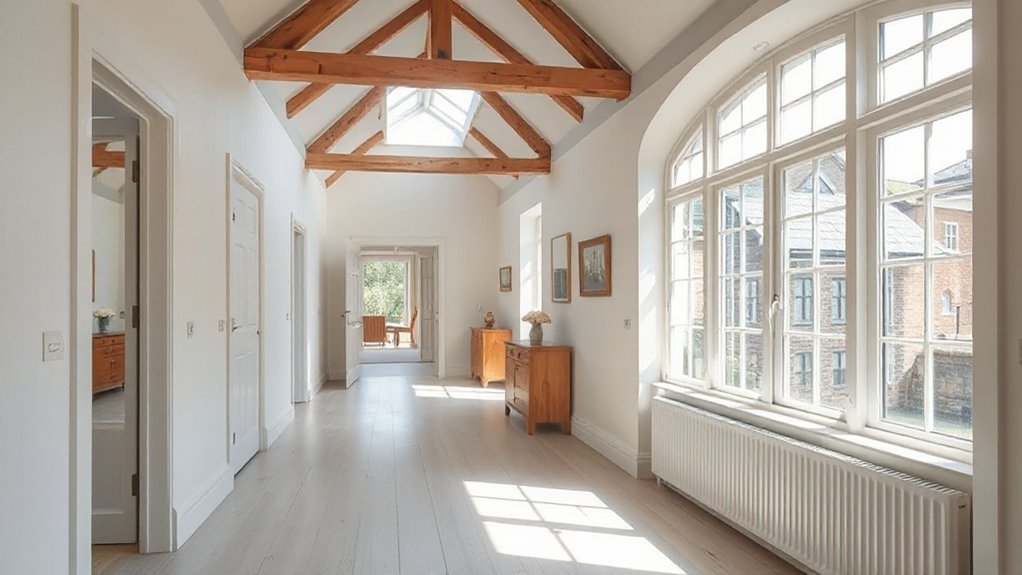
To keep brightness consistent without breaking the bank, prioritize low-cost, high-impact fixes that reduce light loss and improve reflectance. You’ll implement practical maintenance steps that guard against seasonal dimming while maximizing daylight penetration.
Inspect seals and thresholds around existing glazing; reseal where gaps appear to minimize draft-induced glare shifts. Clean panes, frames, and sills to restore reflectivity, and replace worn weatherstripping with durable, breathable materials.
Choose affordable, light-enhancing window treatments that diffuse rather than block daylight, preserving color fidelity. Introduce interior plants strategically to create layered brightness without crowding sightlines.
Schedule periodic coating refreshes on interior surfaces with low-VOC, high-reflectance paints. Establish a simple upkeep routine: quarterly checks, annual deep clean, and prompt remedy of any glazing or frame degradation.
Frequently Asked Questions
How Does High-Albedo Paint Affect Heat Gain in Old Homes?
Higher-albedo paints reduce heat gain by reflecting more solar radiation; you’ll notice cooler interiors as Albedo effects lower absorbed heat, while heat reflection limits cooling loads, improving comfort and efficiency in older homes without sacrificing daylight.
Can Skylights Be Retrofitted in Historic UK Properties?
Yes, you can retrofit skylights in historic UK properties. You carefully balance Historic preservation, Window restoration, and structural integrity, using discreet, code-compliant solutions that respect heritage while inviting daylight, ensuring you belong to a lineage of thoughtfully lit spaces.
Do Lean-To Extensions Improve Natural Light Without Planning Permission?
Yes, lean-tos can improve light, but you’ll still need planning permission for most builds. You’ll evaluate interior color and window placement to maximize brightness while ensuring compliance, delivering precise, evocative results that invite belonging and trust.
What Are Effective Vertical Garden Options for Privacy and Light?
Vertical planters offer flexible privacy screens that also boost light diffusion; you’ll create layered foliage with tuned spacing, selecting lightweight troughs and wall-mounted modules to minimize shade, while maintaining a sense of belonging through cohesive, biologically inviting design.
How Do Window Seating Arrangements Impact Daylight Distribution?
Window placement shapes daylight distribution; ideal seating comfort arises when you align seating with glazing and reflectors. You’ll maximize ambient light, minimize glare, and feel anchored, inclusive, and inspired as you curate spaces that invite shared presence.
Conclusion
You’ve identified the chokepoints, applied breathable weatherstrips, and opened sightlines with smart layout tweaks. With reflective finishes, light colors, and calibrated layering, you’ll amplify whatever daylight your façade permits, while lightweight skylights or clerestory inserts stay reversible and heritage-friendly. Regular sash maintenance keeps heat and drafts in check, and strategically positioned mirrors punch up brightness without intrusive alterations. In short, optimize orientation, flow, and finishes, and daylight becomes a measurable, dependable asset—no heavy lifting required, just smart, targeted improvements. You’re in the light.
About the Author