When it comes to home improvement, few projects deliver as compelling a return on investment as upgrading your outdoor area. A thoughtfully designed patio or deck effectively extends your home’s living space, blurring the line between interior comfort and exterior beauty. For prospective buyers, a finished garden with a dedicated seating or dining area signals less weekend work and more immediate enjoyment. Done right, this addition can recoup 70–80% of its cost at resale—and sometimes more. Here is how to harness that value.
Understand Your Local Market and Home Type
Not every outdoor upgrade adds equal value everywhere. In dense urban settings where garden space is scarce, even a modest, well-finished patio becomes a prized luxury. In suburban family homes, a larger wooden deck with safety railings appeals to parents hosting birthday parties or barbecues. Conversely, in high-end rural properties, a rustic stone patio might blend seamlessly with the landscape, while an elaborate multi-level deck could appear out of place.
Before drawing plans, research three to five comparable sold listings in your neighbourhood that feature patios or decks. Note the materials, size, and sale prices relative to homes without such features. This simple step ensures your investment aligns with local buyer expectations.
Choose the Right Material for Maximum Return
The material you select profoundly influences both upfront cost and perceived value.
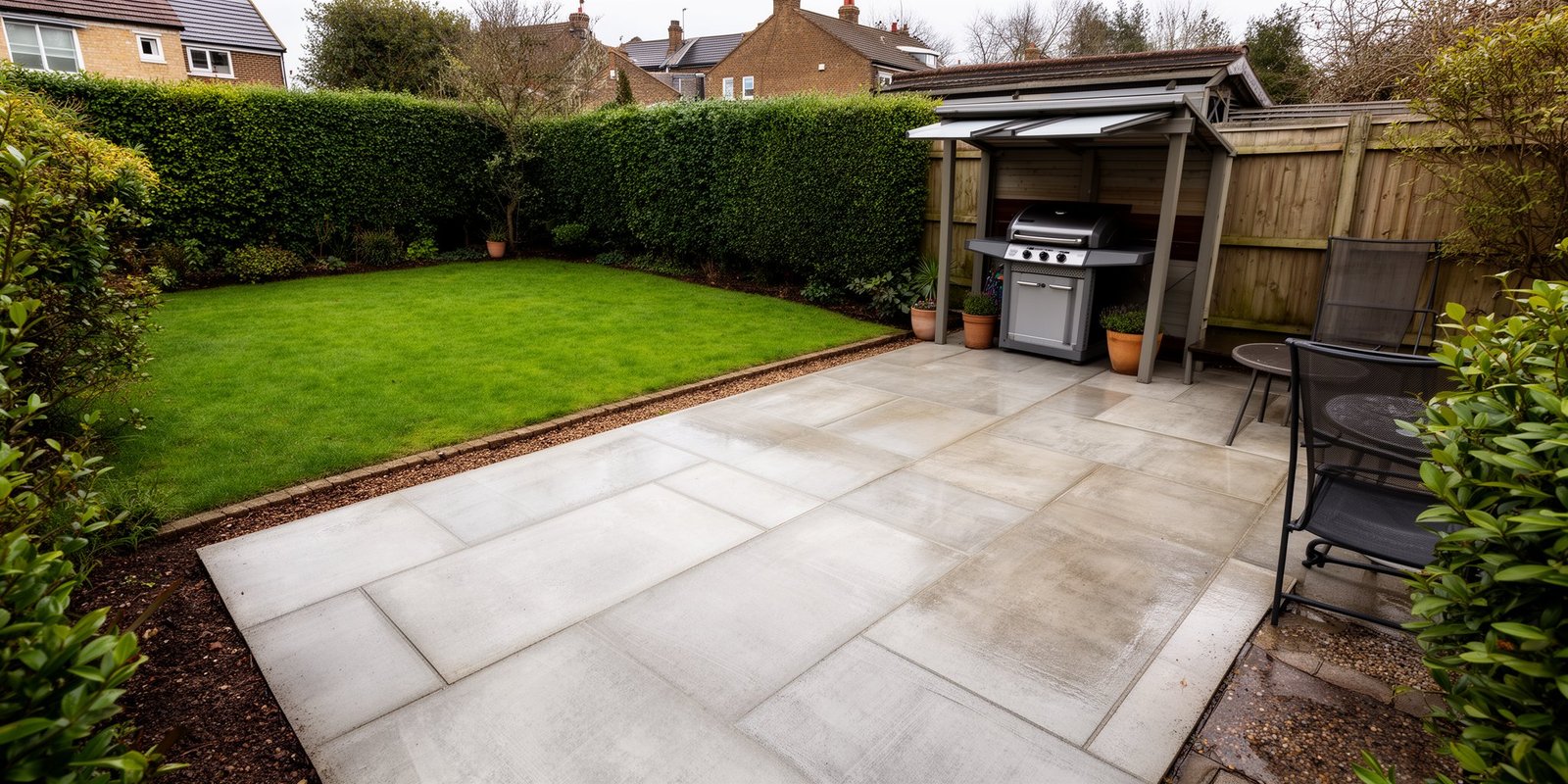
Concrete patios offer the most reliable baseline return. A clean, stamped concrete patio with subtle colouring mimics natural stone at a fraction of the price. Buyers appreciate its durability and near-zero maintenance. For a ground-level garden, a professionally finished concrete slab adds undeniable value without intimidating future owners with upkeep obligations.
Wooden decks—particularly those built from pressure-treated pine or cedar—can yield a higher emotional return. Wood feels warmer, more organic, and more like a true “room” outdoors. However, value hinges on condition. A weathered, grey, splintered deck detracts from your home’s appeal. A freshly stained, well-fastened deck with integrated seating signals care and quality. If you choose wood, commit to staining it the season before you list your home.
Composite decking (wood-plastic blend) sits at the premium end. It costs substantially more upfront but offers the look of wood with virtually no maintenance. In mid-to-upper price brackets, composite can be a decisive differentiator, appealing to busy professionals who will pay extra for leisure time.
Prioritise Design and Usable Space
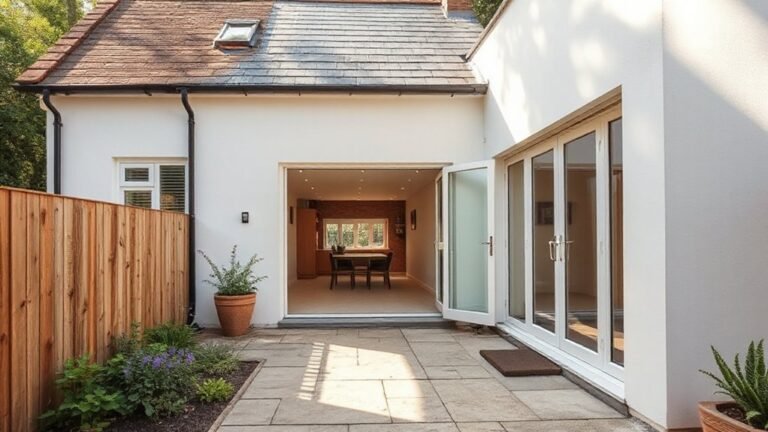
Raw square footage matters less than how the space functions. A 12×12-foot rectangle is serviceable, but a patio or deck that connects directly to an interior door—preferably the kitchen or living room—creates a seamless indoor-outdoor flow that buyers actively seek.
To maximise value, incorporate these design principles:
-
Define zones. Even on a small patio, delineate a cooking area (space for a grill), a dining area (table for four), and a lounging area (two chairs with a small table). This visual storytelling helps buyers instantly imagine themselves using the space.
-
Ensure level access. A single step down from the house is acceptable; a steep flight of stairs or a sunken patio separated by a retaining wall feels disconnected and less inviting.
-
Add built-in features sparingly. A simple bench or planter can add charm. Overbuilding with a permanent fire pit, outdoor kitchen, or hot tub enclosure risks alienating buyers who do not share those hobbies.
Consider Climate and Practicality
A patio or deck that goes unused for half the year offers less value. In hot, sunny climates, a deck with a partial pergola or a patio positioned under existing tree cover feels comfortable and usable. In rainy regions, a covered patio or a deck with good drainage and a sheltered overhang becomes a true three-season room. Conversely, a completely exposed concrete slab in a desert climate will be scorching underfoot for months—an honest flaw that informed buyers will note.
Similarly, address drainage and grading before installation. A patio that pools water or a deck that sheds rainwater onto the foundation is a liability, not an asset. Spend the extra money on proper base preparation and water management; future home inspectors will thank you, and buyers will feel confident.
Avoid Over-Improving Your Garden
The most common value mistake is building a patio or deck that dwarfs the house or consumes the entire garden. A 500-square-foot deck attached to a 1,200-square-foot bungalow looks incongruous and raises questions about why so much outdoor space was needed. Similarly, paving over every square inch of green leaves no room for planting, play, or pets.
As a rule of thumb, a patio or deck should occupy no more than 30–40% of your total garden area. Preserve a border of soil for shrubs, flowers, or a simple lawn strip. This balance maintains curb appeal and reassures buyers that the property has not been stripped of its natural character.
Final Checklist Before You Build
Before breaking ground, secure any necessary permits. An unpermitted deck can kill a sale or force costly removal. Next, photograph your garden’s “before” state. Upon completion, take “after” images showing the new space styled with simple furniture and potted plants. These photos become powerful marketing tools when you list the home.
Finally, keep your new patio or deck impeccably clean and freshly sealed (if wood) during the selling period. A buyer’s first walkthrough often begins at the back door. When they step out and see a beautiful, functional outdoor room, they do not just see a garden—they see evenings with friends, mornings with coffee, and a home that has been genuinely improved. That is value you can take to the bank.
About the Author