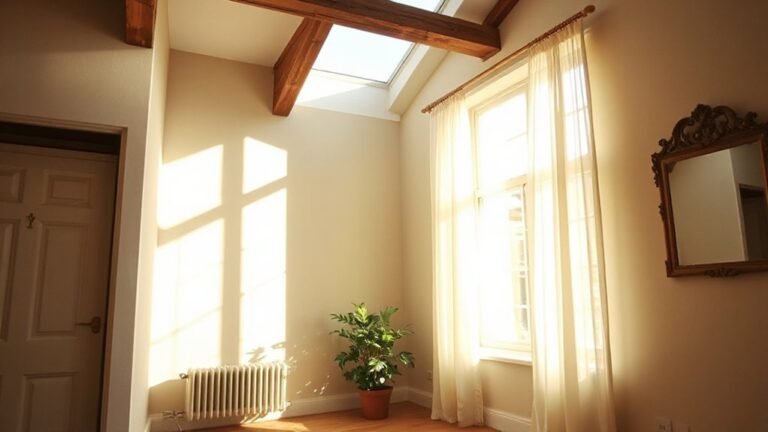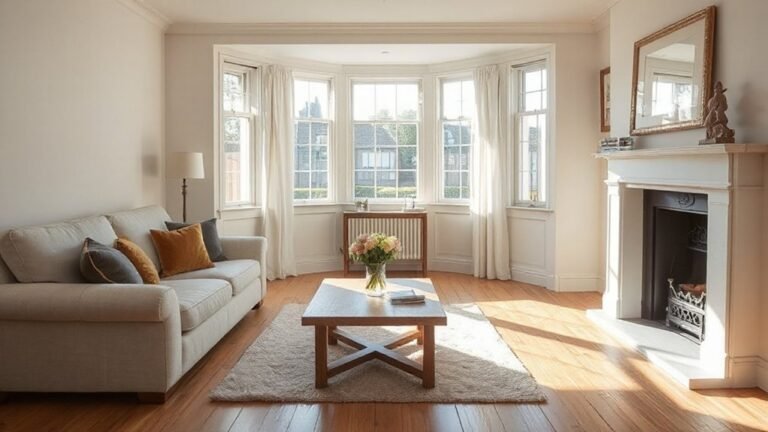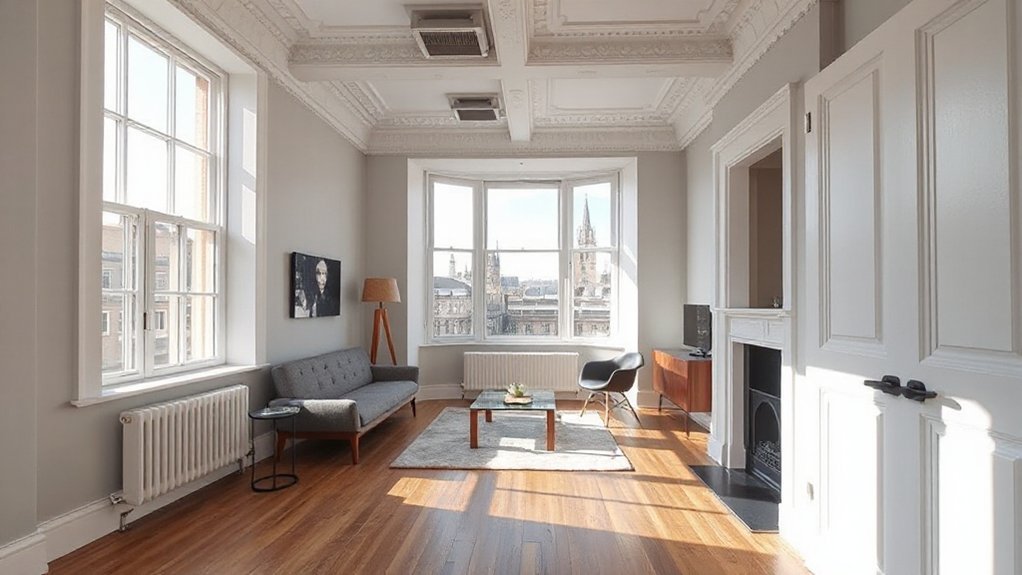
You’ll start by confirming whether planning permission and listed-building consent are needed, then map a careful plan that protects original features while upgrading for comfort. You’ll balance insulation, layout, and lighting with the building’s character, document every change, and coordinate with conservation professionals. The path requires precise approvals and a measured timetable—the kind of disciplined approach that yields lasting results, yet it won’t proceed without you confronting the first, essential questions that lie ahead.
Do I Need Planning Permission for Edinburgh’s Listed Flats?
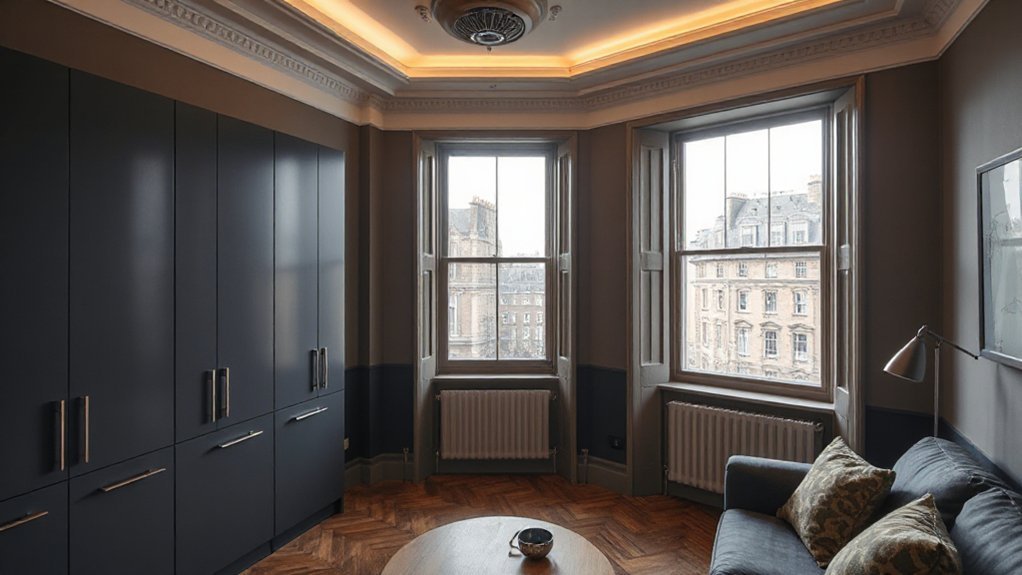
Yes—when it comes to Edinburgh’s listed flats, planning permission isn’t automatic, but it isn’t merely optional either. You assess your proposed changes against Historic preservation principles and Building regulations before approaching authorities.
In practice, some alterations require consent, while others fall under permitted development or exemptions; you must verify which category applies to your building’s listing status. You’ll submit plans to the local planning authority, usually accompanied by drawings, schedules, and a design statement that explains how you protect historic fabric.
Expect early consultation, potential conditions, and possible involvement of the conservation officer. Compliance isn’t punitive; it’s prudent. By prioritising preservation goals, you reduce risk of refusal, delays, or future rectification costs, ensuring your modernization respects Edinburgh’s architectural heritage.
Insulation Upgrades That Preserve Historic Features
Insulating a flat in Edinburgh’s historic buildings requires balance: you want warmth and energy efficiency without compromising original features. You’ll pursue insulation upgrades that maintain walls’ integrity and reveal, not obscure, craftsmanship.
Start with external or internal methods chosen for minimal intrusiveness, avoiding dampening historic aesthetics. Use eco-friendly materials that perform reliably while respecting listed contexts, such as breathable mineral wools or phase-change products, applied with meticulous detailing.
Prioritize cavity and loft insulation where feasible, ensuring ventilation isn’t hindered and condensation risk is managed.
Retrofit with sympathetic, discrete fittings—pipes, ducts, and services kept cleanly routed, with fire and acoustic controls documented.
Document changes for historic preservation records, and liaise with conservation officers to sustain authenticity while improving comfort and efficiency.
Layout Redesigns for Edinburgh’s Tight Spaces
You optimise your layout by prioritising space flow, ensuring movement through rooms feels natural and unblocked.
You balance nooks, alcoves, and proportions so every square metre serves a purpose without crowding.
You adopt flexible modular design that adapts to changing needs while preserving Edinburgh’s historic character.
Maximizing Space Flow
Maximizing space flow in Edinburgh’s historic flats demands a precise, staged approach: map the existing layout, identify bottlenecks, and reconfigure with purpose-built zones. You assess circulation routes, door swings, and window placements to preserve daylight and air.
Prioritize open plan concepts where permissible, weaving living, dining, and cooking into coherent, flexible zones without eroding character. Use furniture flexibility to adapt spaces: collapsible tables, modular seating, and lightweight screens that reframe, not obstruct, flow.
Establish clear sightlines and proportionate scales for each area, ensuring thresholds remain comfortable yet defined. Choose built-in storage to reduce clutter, and position major furniture to guide movement naturally.
Document decisions, verify approvals, and maintain historic fabric while enabling everyday, modern usability.
Nooks And Proportions
Nooks and proportionate layout define how a tight Edinburgh flat feels and functions, so begin by mapping every awkward corner and ceiling condition to reveal opportunities for efficient reallocation of space. You identify structural quirks, then translate them into purposeful zones that respect historical architecture while improving flow.
Prioritize sightlines, alcoves, and doorway tapers to maintain interior harmony, avoiding visual clutter. Use slender partitions or built-in storage to reclaim floor area without compromising ceilings or heritage details.
Align furniture to the room’s axis and height, ensuring proportionate relationships between desks, seating, and circulation. Where ceilings pitch low, emphasize verticality with tall, narrow storage and mirror placements to bounce light.
Document measurements and constraints, then test layouts at scale, refining until each nook serves a precise function without disturbing the building’s character.
Flexible Modular Design
Modular design offers a practical path to reconfiguring Edinburgh’s tight flats without compromising historic fabric. You assess fixed features, then introduce measured, reversible changes that honour period details.
Flexible layouts hinge on furniture flexibility, lightweight wardrobes, and compact storage that resist visual clutter while preserving spatial rhythm. Adaptable partitions allow you to redefine zones—sleeping alcoves, work nooks, and entertaining areas—without permanent alterations to plaster or cornice lines.
Choose modular bases with durable finishes that echo original timber tones and brass hardware for coherence. Plan data-driven circulation, ensuring door clears and sightlines remain unblocked.
Implement wall-mounted rails, fold-away tables, and telescoping screens that tuck neatly away after use. This approach keeps your Edinburgh flat adaptable, contemporary, and compliant with historic preservation expectations.
Lighting, Finishes, and Acoustic Choices for a Modern Feel
Lighting, finishes, and acoustic choices shape the feel of a modern flat in Edinburgh’s historic buildings without erasing their character. You approach this trio with care: ambient lighting to sculpt atmosphere while preserving original features, material finishes that respect provenance, and acoustics that enhance comfort without overpowering acoustical heritage.
Choose luminaires that complement period detailing, avoiding glare and overly modern silhouettes. Use layered lighting—ambient, task, and accent—to reveal architecture like mouldings and parquet without washing them out.
Select materials that cite timber, stone, or brick in restrained ways; opt neutral palettes that echo historic schemes while enabling contemporary furniture.
Acoustic gains come from soft textures, well-sealed doors, and discreet resonator panels. Maintain balance, ensuring modernity supports, never competes with, Edinburgh’s timeless interiors.
A Practical Renovation Plan: Budget, Schedule, and Trades
To put the earlier ideas into action, you’ll need a practical renovation plan that binds budget, schedule, and trades into a dependable map. You’ll establish a clear budget with contingency, breaking costs into trades, materials, and permits, and you’ll document every line item to prevent drift.
Schedule matters more in Edinburgh’s historic flats, where access windows and restrictive hours shape progress. Set milestones, responsibilities, and ferried deliveries to minimise disruption.
Engage tradesmen who understand listed buildings, preferring skilled specialists for structural, plaster, and joinery work. Prioritise eco-friendly materials where appropriate, balancing authenticity with performance.
Integrate Smart technology judiciously, ensuring wiring, controls, and insulation respect historic fabric.
Track progress weekly, reoptimise as needed, and maintain transparent communications with all parties to safeguard quality and timelines.
Stay rigorous, purposeful, and finish-ready.
How to Apply for Listed Building Consent in Edinburgh
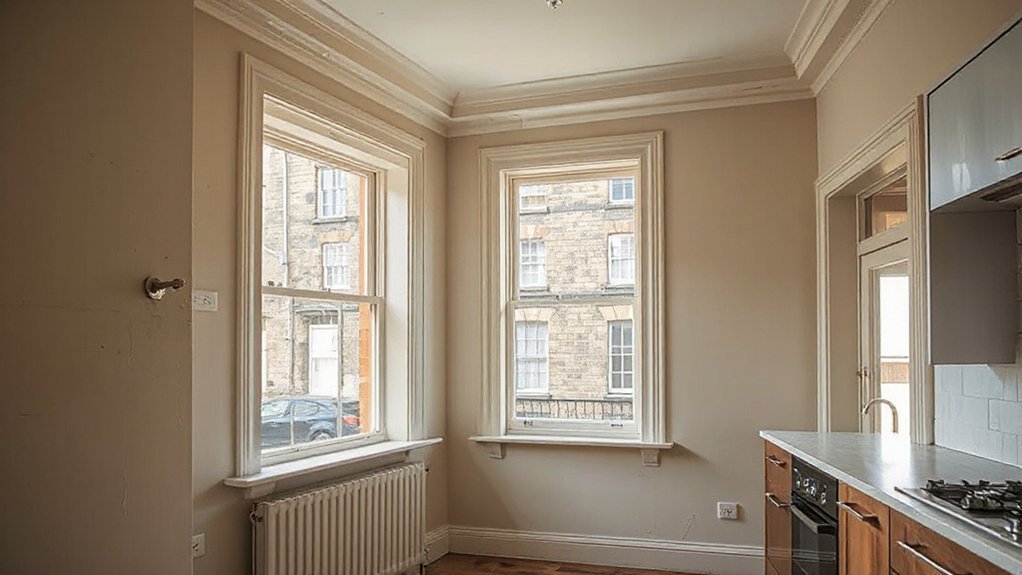
Steering Listed Building Consent in Edinburgh demands careful preparation and precise execution. To begin, you study heritage regulations governing your property, identifying what changes require consent and which are exempt.
Gather architectural drawings, photographs, and a detailed description of proposed alterations, emphasising preservation of character and historic fabric. Your consent application should clearly articulate objectives, alternatives, and justifications, supported by a methodical schedule of works.
Engage a conservation professional to review plans for compliance with guidelines and to mitigate risks. Submit the application to the local planning authority, including any required heritage statements and fee details.
Expect scrutiny, respond promptly to requests for further information, and maintain an auditable trail. Upon approval, adhere strictly to conditions to safeguard your building’s integrity.
Frequently Asked Questions
How Long Does Consent Typically Take in Edinburgh’s Historic Districts?
Typically, consent in Edinburgh’s historic districts takes several weeks to a few months, depending on complexity. You’ll navigate Building regulations and Heritage preservation requirements, advising you to document thoroughly, consult early, and anticipate potential revisions throughout the review process.
Can I Use Modern Furniture to Disguise Historic Features?
A room is a stage where you balance restoration with flair. Yes, you can use modern furniture to disguise historic features, but aim for Contemporary contrast and Vintage integration, maintaining traditional lines while preserving essential architectural integrity.
Are There Grants Available for Renovations in Listed Flats?
Yes, you can access Historic grants and Renovation funding for listed flats. You should pursue them promptly, compile detailed plans, and demonstrate compatibility with heritage values, because diligent applications improve your chances of success under local and national schemes.
What Are Common Hidden Costs in Listed Building Projects?
You’ll uncover a truth: hidden costs plague listed-building projects, especially in historical preservation. Expect delays, specialist surveys, and compliance fees. Plan meticulously with a conservative budget, detailing contingencies, permits, and materials to safeguard your budget while respecting preservation standards.
Do Apartment Residents Need Unanimous Consent for Changes?
Yes, you generally need tenant agreement for alterations, especially within architectural preservation contexts; unanimous consent isn’t always required, but you should secure consent from residents and landlords to avoid disputes and protect listed protections.
Conclusion
In the end, you balance bold comfort with quiet tradition. You plan, you document, you seek consent, you preserve what’s priceless while improving what’s practical. The house hums with modern ease yet keeps its old heart beating—light threads through timber, warmth behind stone. You’re meticulous, not reckless; you trade clutter for clarity, constraints for clever solutions. By respecting processes, you gain space and character in equal measure, proving that progress and preservation can walk the same corridor.
About the Author