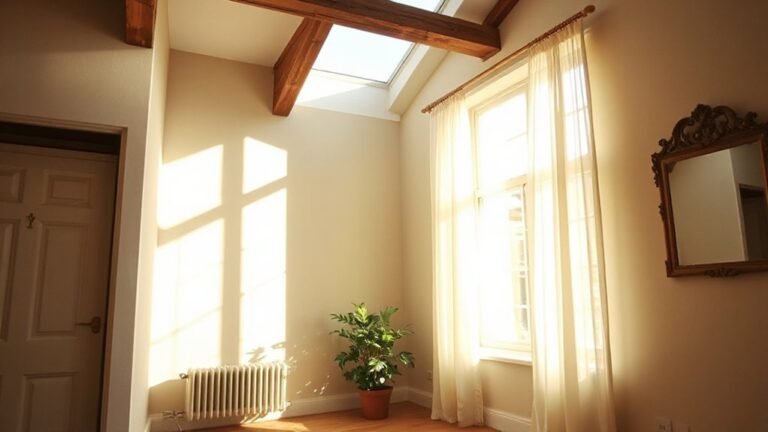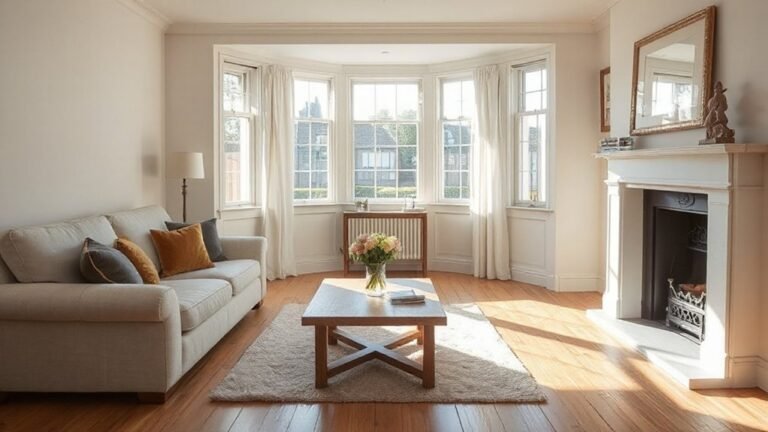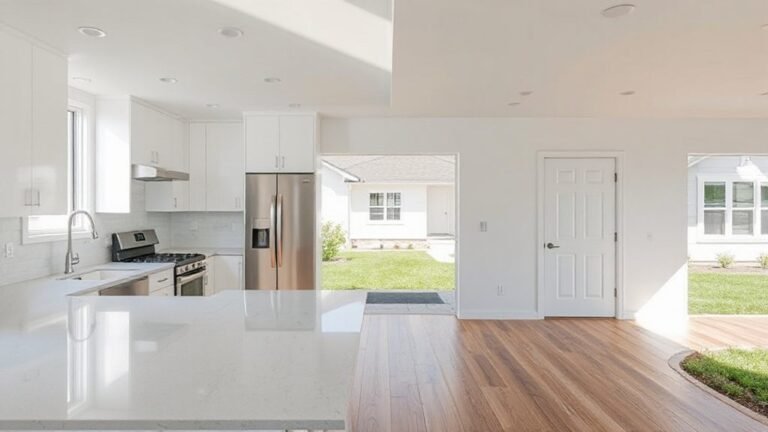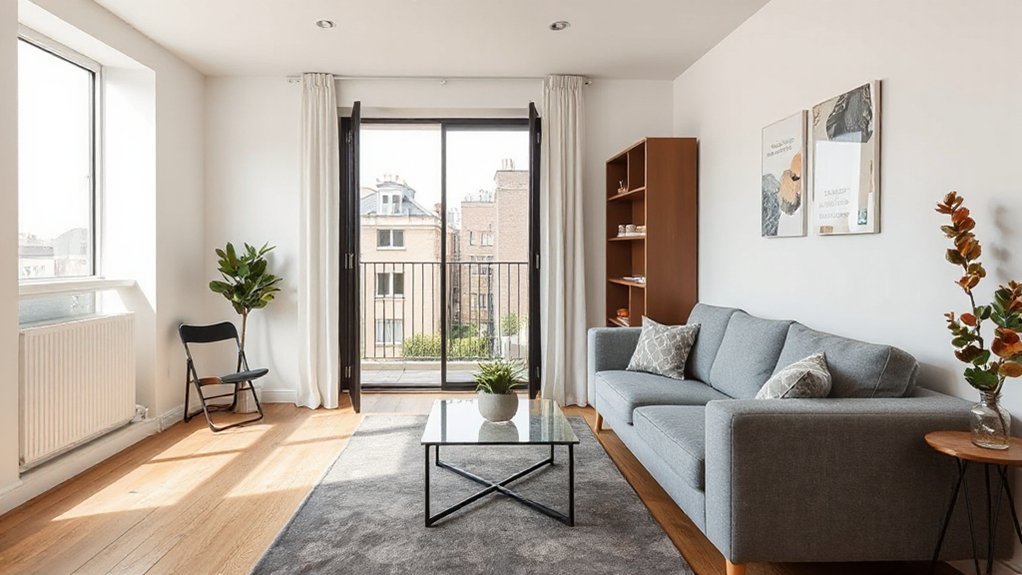
You stand at the doorway, a faint echo of city light spilling across a blank wall. You’ll modernise without overspending by tightening goals, lining up a strict budget, and choosing durable, space‑saving updates that feel premium. Think smart storage, fresh paint, efficient lighting, and phased upgrades that stretch every pound. The trick is to start with layout and priority items, then let practical details guide the rest—and you’ll see how small decisions compound. So what first step will you take?
Who This Guide Helps and What “Modernising on a Budget” Means
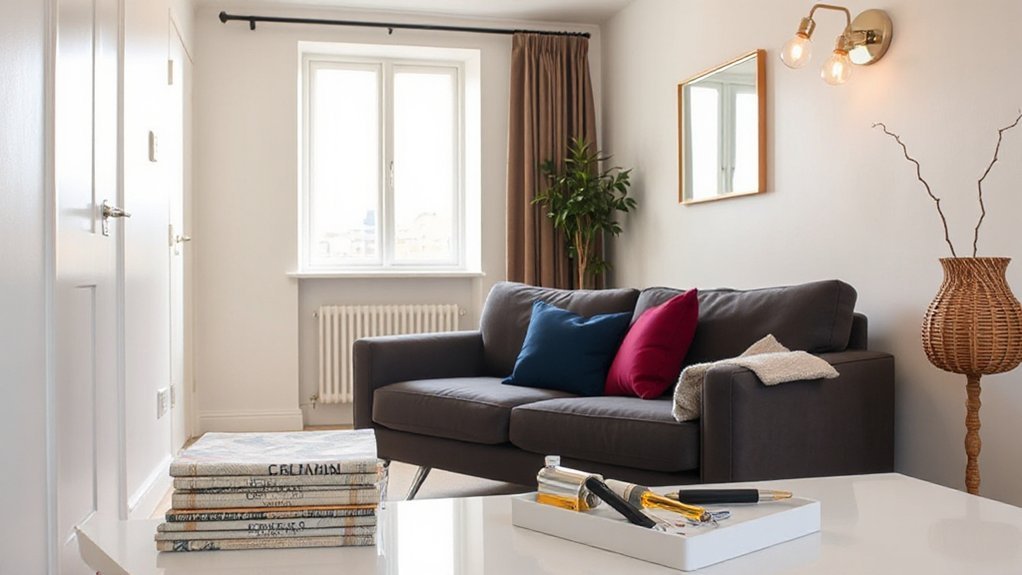
This guide is for London flats where budget matters but taste doesn’t. You’re here because you want modern updates that feel current without draining funds. This book speaks to renters and homeowners who value function as much as form, without flashy overhauls. You’ll prioritise enduring, practical improvements over transient trends.
Urban elegance is achievable through thoughtful choices: clean lines, balanced contrasts, and materials that resist wear. Budget conscious design means you pick high-impact updates that you can actually afford, like smart storage, fresh paint, and efficient lighting, rather than expensive fixtures.
You’ll preserve character while enhancing daily living, focusing on transparency, durability, and ease of maintenance. If clarity, restraint, and purposeful scope guide you, you’ll modernise with confidence.
Set a Realistic London Budget: Goals, Limits, and a 6‑Week Plan
Setting a realistic London budget starts with clear goals, firm limits, and a tight 6-week plan you can actually follow. You’ll map costs for essentials first, then add a small contingency. Define targets for each week to avoid scope creep and overspending.
Break your budget into categories: materials, labour, permits, and contingency, with explicit caps. Prioritise cost-effective materials and eco-friendly choices that deliver durability without inflating price.
Track every expense in real time; adjust weekly based on actuals, not hopes. Build in time for reviews, not emergencies. If a cheaper option fails, pivot early rather than late.
Keep communication precise with contractors and designers to prevent misaligned expectations. Finish the plan with a simple, repeatable 6-week workflow you can trust.
Prioritise Layout and Flow for Small London Flats
With limited space in London flats, start by mapping how you move through each room and how natural light travels.
Prioritise layout and flow by defining zones that serve multiple purposes, so you isn’t forced into dead ends. Choose an open plan where possible to merge living, dining, and compact work areas, then curate traffic paths that avoid furniture bottlenecks.
Think vertical storage and wall-mounted essentials to keep floors clear, reinforcing a sense of openness. Let vintage charm appear in carefully selected details—hardware, textiles, or a single standout piece—without cluttering sightlines.
Align doors and openings to create smooth transits; use rugs and lighting cues to delineate spaces instead of walls. Aim for a calm, cohesive feel that feels intentional, affordable, and easy to maintain.
Open plan clarity outlasts trends.
Light It Up: Budget-Friendly Lighting That Transforms Rooms
Let’s start layering light: think about combining ambient, task, and accent setups to shape the room without overburdening your budget.
You’ll explore budget-friendly fixture ideas, smart placement, and the impact of warmth and color temperature on mood.
We’ll also cover simple ambient light enhancers that lift ceilings, corners, and focal points without breaking the bank.
Layered Lighting Basics
Layered lighting isn’t just decoration—it’s functional design. You’ll balance ambient, task, and accent layers to shape mood and practicality in one small space.
Begin with ambient light that evenly covers the room without glare, then add task lighting for reading, cooking, or desk work. Choose adjustable fixtures so you can tailor brightness as you move through the day.
Use accent points to highlight textures or architectural features, but keep them subtle to avoid clutter. Prioritize energy efficiency with LED sources and dimmers to control intensity.
Embrace smart lighting where it fits—smart bulbs or controllers simplify scene-setting and conserve power. Aim for layered illumination that feels cohesive, not busy, and that adapts to different activities without overhauling the room.
Budget-Friendly Fixture Ideas
Tiny upgrades can make a big impact: start with budget-friendly fixtures that lift a room without breaking the bank. You’ll find clever options that pair function with mood. Choose a statement pendant or a slim floor lamp to define zones without clutter. Look for woven or ceramic shades to add texture, not glare.
Swap stark bulbs for warmer tones to soften corners and enhance colour palettes across walls and textiles. Vintage accents, like a retro brass sconce or a glass globe, bring character without a full redesign.
Track lighting can highlight artwork or cabinetry, while dimmable switches preserve flexibility. Keep cords tidy with ceiling fixtures mounted close to walls, and lean into multi-use pieces—lamps that double as art.
Practical, affordable lighting elevates spaces without overpowering them.
Ambient Light Enhancers
Ambient light isn’t just about brightness; it shapes mood, depth, and how rooms feel. You can elevate spaces with affordable ambient light enhancers that feel deliberate, not gimmicky. Start with smart bulbs for warm-to-cool versatility; schedule gradual fades to mimic natural daylight and reduce eye strain. Pair them with dimmers to fine‑tune intensity without swapping fixtures.
Consider layer lighting: a soft overhead, a desk lamp for tasks, and a hidden LED strip to outline shelves or cabinetry. Window treatments matter: light-filtering shades or translucent curtains soften glare while maintaining privacy. Confirm color temperature stays cohesive across rooms to avoid jarring shifts.
Keep cords managed, fixtures unobtrusive, and corners uncluttered. Small upgrades add atmosphere, efficiency, and a polished finish to your flat.
Budget-Friendly Finishes That Look Premium in a Compact Flat
You can get a premium look in tight spaces with budget-friendly tiles, choosing patterns and textures that read luxe without the price tag.
Pair space-smart mounts and fixtures with durable, high-end-feeling finishes to keep the lines clean and the feel polished.
This combo delivers a refined aesthetic in a compact flat without overspending.
Premium-Look Budget Tiles
Premium-look tiles don’t have to break the bank. In a compact London flat, choose budget tiles with convincing textures—stone, ceramic, or porcelain that mimic premium finishes.
Pair bold grout with a restrained palette to emphasize cleanliness over complexity. Opt for large-format sizes to reduce seams and create a seamless, high-end feel.
Consider matte finishes rather than high gloss to hide fingerprints and add depth. Use lighter tones to enlarge the space, or subtle veining for architectural detail without overpowering the room.
Install with precision, matching cuts to enhance a crisp edge. Ready-made trim and coordinated accessories beat custom work for budget efficiency.
These choices enable luxury upgrades while keeping costs contained.
Space-Smart Mounts And Fixtures
If you’ve already picked budget-friendly, premium-looking tiles, the next step is to equip the space with mounts and fixtures that save space without shouting budget. Choose wall-mounted storage and slim, concealed fittings to keep sightlines clean.
Opt for fold-down desks, compact mirrors with hidden storage, and shower niches that tuck toiletries out of sight. Prioritise corners for shelves and rod brackets so you gain vertical inches without crowding floors.
Use multipurpose fixtures—a towel rail that doubles as a hook, a nightstand with built-in charging, or a mirror with storage recess. Focus on installation height and alignment to maintain a cohesive, uncluttered look.
Smart storage and space optimisation hinge on integrated design, not oversized hardware, delivering a polished, livable feel.
Durable Yet Luxe Finishes
Durable finishes that feel luxe don’t have to break the bank. You can achieve premium texture with careful material choices and smart layering. Start with budget-friendly luxury materials like porcelain tiles, engineered stone, or brushed brass fixtures that wear well in high-traffic rooms.
Prioritize durability considerations: choose surface coatings that resist scratches, stains, and heat, and select cabinetry with solid cores or high-grade plywood.
In a compact flat, go for large-format tiles to reduce grout lines and create a seamless look. Choose matte or satin finishes to hide fingerprints.
Layer with premium textiles—velvet cushions, wool throws, and linen drapes—that read luxe without adding harsh costs.
Balance with simple hardware and cohesive color; less is more, and polish beats excess.
Clever Storage to Free Up Floor Space in City Homes
Smart storage isn’t just about adding shelves; it’s about reclaiming floor space with purpose. In city homes, you’ll prioritize vertical solutions: wall-mounted cabinets, slim media consoles, and over-door organizers keep surfaces clear.
Opt for furniture that doubles as storage—benches with lidded tops, ottomans, and beds with built-in drawers—so you can hide seasonal items without crowding rooms. Use corners efficiently with tall, narrow shelving and magnetic strips for tools.
Think modular units you can reconfigure as needs shift, rather than fixed, bulky pieces. Keep clutter out of sight, not merely out of mind.
Incorporate vintage furniture sparingly as ballast, and explore outdoor gardening plans in compact containers, which reduce indoor bits while enriching the space’s texture and function.
Smart, Affordable Tech and Fixtures for City Living
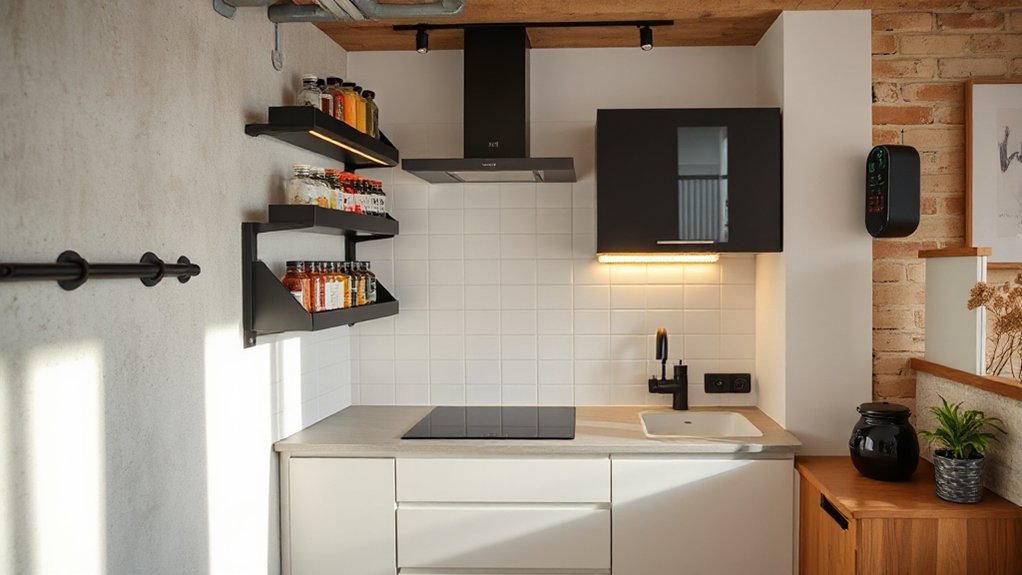
Tech that fits a city budget should be compact, reliable, and easy to install. You want devices that blend with small spaces and quick upgrades, not fuss.
Start with a smart thermostat that learns your routines and saves energy without shouting for attention. It should be unobtrusive, App-enabled, and compatible with existing radiators or underfloor systems.
For security, choose affordable security cameras or door sensors that don’t require a full retrofit. Look for wireless options with battery power or PoE where available, so no messy wiring.
Prioritize devices with local control and clear privacy settings. Choose minimal hardware that delivers practical benefits: fewer clutter, real-time alerts, and simple automation.
In short, practical tech boosts comfort without breaking the bank.
Find Real Value: Where to Source and What to Skip
When you source upgrades, focus on genuine value over novelty: pick reliable staples that fit your space and budget, not every shiny new gadget. Look for quality basics—lighting with good light output, durable hardware, timeless textiles—that mix easily with your current elements.
Skip trends that don’t suit your layout or resale value; skip over ultra-cheap pieces that won’t endure. Shop where you can verify material quality, return policies, and accurate sizing.
Seek options that offer subtle upgrades rather than loud statements. Vintage charm can emerge from well-chosen accessories, like a classic brass lamp or an inviting textile.
Use colour accents sparingly to unify rooms without overwhelming them. Prioritize sources with clear provenance and dependable warranties to maximise longevity and return on investment.
A Practical, Phased Plan to Modernise Your London Flat
To modernise your London flat efficiently, break the project into clear, achievable phases: assess, prioritise, implement, and review.
Start with a quick survey of your spaces, noting what’s workable and what drains your budget.
Assess value: focus on elements that boost daily living or resale appeal, like lighting, storage, and durable finishes.
Prioritise changes that deliver the strongest payoff for the least disruption.
Plan implementation in small, manageable steps; sequence tasks to minimise rework and interruptions.
Implement with exact measurements, sourced materials, and a realistic timeline.
Review after each phase, iterating only what proves essential.
Consider vintage charm as a design cue, not a cost driver, and preserve it where possible.
Don’t overlook outdoor spaces—simple upgrades extend your living area and perception of space.
Frequently Asked Questions
How Long Will a Phased Remodel Take in a Tiny London Flat?
A phased remodel in a tiny London flat typically spans 4–8 weeks, depending on scope and permissions. You’ll update an artistic wall, swap to vintage fixtures, and keep disruptions minimal while staying practical, polished, and on schedule.
Can I Modernise Without a Full Refurbishment Budget?
Yes, you can modernise without a full refurbishment budget. Picture penny-pinched charm: you snap up vintage fixtures, sweep on fresh paint, and add artistic accents. You’ll transform small spaces with practical, minimal, polished updates.
What Subcontractors Guarantee Quality on a Budget?
Subcontractors you hire should guarantee quality on a budget by using vetted trades and clear milestones. Look for partners offering luxury fixtures and smart technology, with transparent warranties and strict QA checks throughout the project lifecycle.
Which Insulation Upgrades Save Money Fastest in London?
You should upgrade insulation to boost energy efficiency, prioritizing affordable, cost effective upgrades like roof and cavity wall insulation, draft-proofing, and efficient windows. These steps save money fastest, are practical, and keep your flat comfortable year-round.
Are Permits or Permissions Needed for Small Updates?
Yes, you generally need building permits or renovation approvals for small updates. Check your local planning authority and lease terms; some interiors don’t require, but structural or electrical changes usually do. Secure approvals before you start, to avoid penalties.
Conclusion
You’ve got the plan, now stick to it: budget, prioritize, and progress in phases. Smart storage, fresh paint, and efficient lighting will transform your space without blowing the bank. Track every penny, choose durable finishes that mimic luxury, and let compact layouts do the heavy lifting. Remember: small, intentional updates compound into real comfort. Like a quiet hinge, steady, deliberate choices open a room’s true potential—not with fanfare, but with dependable, everyday usefulness.
About the Author