You’ll notice a coincidence: seasonal sales line up with common repair timelines, so timing matters as much as technique. If you want to cut costs in 2026, start by pinning real priorities, set a practical budget, and decide when DIY makes sense versus hiring help. Track expenses, compare quotes, and snag rebates for energy upgrades. It’s practical, data-driven work—and the next steps will show you how to map milestones without breaking the bank.
Identify Your Repair Priorities and Budget 2026

To cut home-repair costs, start by listing every potential fix and then prioritize them by necessity, safety, and impact on your daily life. You’ll scan repairs through a data lens, tracking frequency, failure risk, and disruption hours to quantify urgency.
Build a simple budget model: categorize tasks as essential, okay-to-delay, or cosmetic, then assign rough costs and timeframes. Use Repair scheduling to sequence fixes that prevent cascading damage and minimize mobilization fees.
For each item, compare material options with a cost-per-use mindset, emphasizing Material selection that balances durability and upfront price. Expect trade-offs, but target high-return bets first.
Your plan should include realistic buffers for unexpected issues, plus a review cadence every quarter to adjust priorities as conditions change.
Set Your Realistic Home-Repair Budget for the Year
Setting a realistic yearly home-repair budget starts with a simple, data-driven baseline: list all likely fixes, estimate a realistic cost range for each, and map them to a 12-month cadence. You’ll then total low/medium/high projections to reveal a practical annual band.
Use historical cost data, supplier quotes, and seasonal patterns to tighten ranges, avoiding overestimation. Pair the totals with your income cadence so you can fund repairs without debt.
Build in a discretionary cushion for unforeseen issues, typically 5–10% of the planned spend. Track actuals monthly and rebalance quarterly, refining your budget planning for next year.
This approach supports proactive maintenance, reduces surprise expenses, and keeps your home maintenance financially predictable and sustainable.
DIY or Hire: A Practical Decision Guide for Home Fixes
When you weigh DIY costs against professional help, start with a clear per-project budget and factor in your time, material waste, and potential rework.
Look at failure rates, warranty coverage, and safety risks to decide if the savings are real or illusory.
We’ll compare typical hourly rates, material markups, and disruption to your schedule to guide a practical, cost-conscious choice.
DIY Cost Tradeoffs
Deciding whether to DIY or hire hinges on concrete costs, time, and risk, not emotion. You’ll compare labor rates, material waste, and warranty coverage to estimate total spend.
DIY often saves labor, but you may face hidden costs from errors, tool purchases, and downtime. For simple tasks, the math favors DIY when you value speed and learning.
For complex or code‑driven repairs, hiring reduces risk and rework. Consider material durability—cheaper components can fail sooner, offsetting upfront savings.
Weigh contractor reputation against price; a lower bid from an unproven contractor may cost you repairs later. Use a written scope, milestone payments, and proof of insurance to protect yourself.
Finally, factor time as a cost—your time has value, and delays can compound expenses.
When to Hire Help
Sometimes the right choice is to hire, not DIY, especially when safety, code compliance, or high upfront costs are involved; a quick, data-driven cost comparison helps you decide. You’ll evaluate job scope, risk, and timelines against local rates for labor and materials.
If you lack essential skills or permits, hiring professionals minimizes code violations and costly rewrites. Compare hourly rates, permit fees, and potential insurance impacts.
For simple tasks, DIY may save money, but for structural, electrical, or plumbing work, the combined cost of mistakes often outweighs savings. Use budget planning to forecast multipliers: time off work, tool rental, and disposal.
When uncertainty rises, opt for professional input to protect value and safety. Hire selectively, document scope, and track outcomes for future references.
Compare Quotes Like a Pro: Uncover True Costs and Savings
To compare quotes like a pro, start by gathering at least three written estimates from reputable contractors and request itemized breakdowns for labor, materials, permits, and disposal. Why this matters: it exposes hidden fees, enables apples-to-apples comparisons, and highlights where you can cut costs.
Focus on material selection and how it shifts overall price without sacrificing durability. Compare unit costs, not just totals, and verify assumed warranty terms and project timelines.
Check contractor reputation by reviewing past work, references, and safety records, then weigh reliability against price. Don’t fixate on the lowest bid; assess value based on clarity, responsiveness, and documented quality standards.
Finally, factor cash flow, scheduling, and potential price escalations into your decision to maximize savings.
Smart Shopping for Materials and Tools on a Budget
To keep costs down, compare prices widely to snag the best value on materials and tools.
Consider buying used or discounted items that meet your specs, and track price trends to time purchases strategically.
This data-driven approach helps you stretch your budget without sacrificing quality.
Compare Prices Widely
Wondering how to cut costs without sacrificing quality? You’ll save by comparing prices widely before buying. Start with budget planning to set a hard ceiling and map out essential vs. optional items.
Use a standardized checklist to record unit costs, warranties, and delivery fees across suppliers. Run a quick price-per-use analysis for tools you’ll reuse versus one-time purchases.
Emphasize priority assessment: identify components where higher upfront quality yields long-term savings, and where cheaper substitutes suffice without risk.
Check online marketplaces, big-box chains, local hardware co-ops, and contractor quotes for the same model numbers. Don’t overlook seasonal sales, bulk discounts, or refurbished options with solid return policies.
Document findings in a simple table, then choose the best overall value, not merely the lowest price.
Buy Used Or Discounted
If you want big savings, consider buying used or discounted materials and tools, because smart sourcing can slash upfront costs without compromising performance. Start with a quick quality check: inspect wear patterns, look for corrosion, and test functionality on site when possible.
Prioritize essential categories—fasteners, electrical boxes, piping, and fixtures—before decorative items. Vintage fixtures can offer durable, long-lasting performance at a lower price, but verify compatibility with current standards and codes.
Secondhand tools often come with adequate calibration, yet demand a careful appraisal; request operating demos and check for warranty options or return privileges. Compare total costs, including transport and potential refurbishment, to new alternatives.
Track savings over time to refine future sourcing decisions.
Plan Purchases Strategically
Plan purchases strategically by mapping out needs before you shop and sticking to a strict budget. You’ll start with a clear list of required materials and tools, then estimate quantities to reduce waste.
Use historical data from similar projects to forecast costs and timing, guiding your budget planning and avoiding impulse buys.
Compare prices across retailers, including bulk discounts and bulk-return policies, and leverage price tracking tools to catch drops.
Schedule repairs to align with material availability and seasonal promotions, minimizing delays and storage costs.
Prioritize essential items first and defer cosmetic upgrades until you’ve secured core components.
Track every purchase against your plan, adjusting for changes in scope or timing.
This disciplined approach reduces surprises and improves repair scheduling outcomes.
Tap Into Local Rebates, Loans, and Contractor Programs
Local rebates, loan programs, and contractor discounts can shave hundreds or even thousands off your home-repair bill, so start by checking what’s available in your city, county, and utility providers. You’ll find local rebates that cover roofing, siding, or weatherization, and loan programs with favorable terms for home improvements.
Compare eligibility, application timelines, and required documentation to avoid delays. Track contractor programs that offer price breaks for certified workers or bulk purchases; these can lower upfront costs without sacrificing quality.
Use a data-driven approach: quantify potential savings, weigh interest rates, and estimate payback periods. Prioritize options with transparent reporting, clear caps, and no hidden fees.
Then, align funded work with a precise project plan to maximize total savings. local rebates, contractor programs.
Energy-Efficiency Upgrades That Save Money Long-Term
Energy-efficiency upgrades pay back over time by slashing ongoing energy costs and boosting comfort, so start with proven, cost-effective choices. You should prioritize insulation upgrades and air-sealing first to reduce heat exchange. Then add smart thermostats and high-efficiency equipment.
Data shows immediate bill reductions from proper insulation, continuous comfort, and lower HVAC runtimes, improving payback periods to under 5 years in many homes.
Consider solar panels where sun exposure supports generation, leveraging tax credits and utility rebates to improve ROI. Compare equipment efficiency ratings (SEER, HSPF) to avoid diminishing returns.
Use a phased approach: seal gaps, upgrade insulation, install efficient equipment, and then add solar panels if space and incentives align. Track energy use quarterly to verify ongoing savings and adjust as needed.
Plan by Season: Best Windows, Weather, and Lead Times
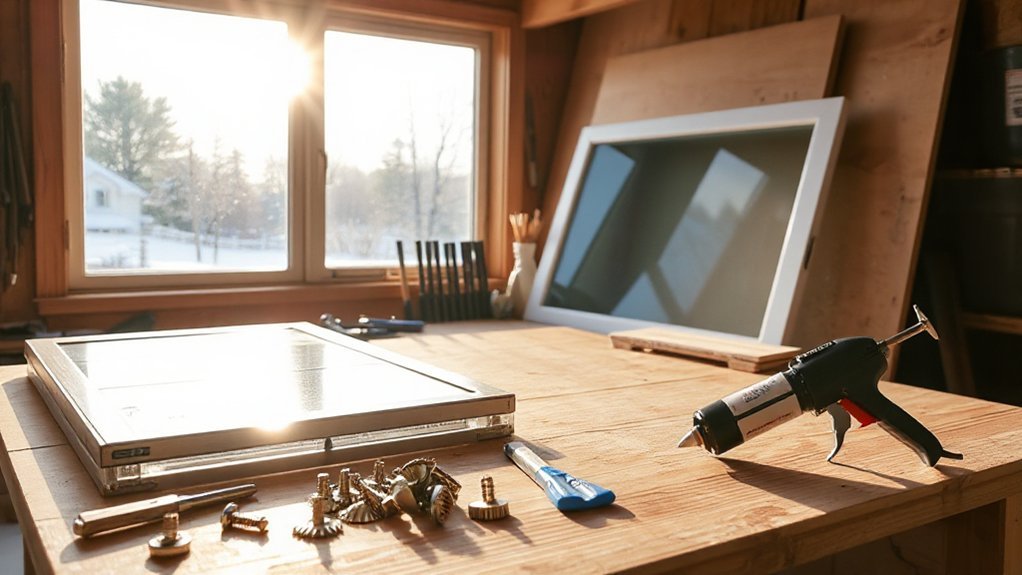
Planning by season helps you time window upgrades, aligning choices with seasonal costs and performance data.
By prioritizing seasonal window options, weather-aware scheduling, and lead-time planning, you reduce delays and material waste while staying within budget.
Use weather forecasts and supplier timelines to lock in costs and minimize price spikes.
Seasonal Window Choices
Seasonal window choices matter for both cost and timing, so plan by season to minimize lead times and weather-related delays. You’ll optimize purchases, installation scheduling, and contractor availability by aligning orders with lower demand periods.
In spring and fall, expect milder temperatures that ease handling and reduce weather-related complications, often lowering labor surcharges.
Winter may offer discounts, but frozen materials and delays can cancel savings; verify supplier stock and indoor staging space.
Summer can spike costs due to high demand and heat-intolerant crews, so factor in potential overtime.
Use data on local climate patterns to forecast lead times and budget accordingly.
Prioritize seasonal window choices that maximize energy efficiency, emphasizing window insulation to extend comfort and reduce long-term costs.
Verify warranties and quantify payback periods for value-driven decisions.
Weather-Aware Scheduling
Weather-aware scheduling lets you trim costs by aligning purchases and installs with realistic lead times and favorable conditions. You track historical weather patterns and contractor calendars to pick windows with lower outage risk and steady supply.
For storm preparedness, time repairs before peak storm season to avoid premium rush fees and expedited shipping. Use seasonal maintenance data to anticipate material availability, pricing dips, and delivery reliability.
Prioritize projects by season: install energy-efficient windows in shoulder seasons when installers are less booked and material costs are steadier.
Build a simple calendar with target dates, buffer days, and weather thresholds to reduce delays. Documented patterns help you negotiate better quotes and avoid weather-related surcharge pitfalls.
This approach keeps projects predictable, costs transparent, and repairs efficient.
Lead Time Planning
Lead times are the backbone of smart budgeting: by lining up purchases and installs with seasonal windows, you can lock in lower costs and fewer delays. You’ll map lead times against forecasted demand, then adjust orders to avoid peak-season surcharges.
Start with material sourcing: secure common components early, build buffer for delays, and confirm vendor reliability with lead-time data.
When evaluating contractor selection, compare time-to-start, permitting speed, and project cadence, not just price.
Use historical weather patterns to pick windows with minimal disruption and stable access.
Track order status, delivery schedules, and installation crew availability weekly, re-forecasting as conditions change.
Communicate milestones clearly to homeowners, and document changes.
A data-driven cadence reduces rush charges, protects budgets, and keeps projects on track despite seasonal volatility.
Avoid Scams and Common Money-Sinks in Home Repairs

To avoid scams and common money sinks in home repairs, start by verifying credentials and getting multiple bids for any major job. You’ll compare bid totals, timelines, and material brands to spot inflated charges.
Check contractor credibility through licenses, insurance, and online reviews, then ask for prior project photos and client contacts.
With home insurance, confirm what it covers and what it doesn’t to prevent duplicate payouts or unnecessary upgrades.
Demand written contracts detailing scope, warranties, payment schedule, and change-order procedures; avoid deposits exceeding 10% before work begins.
Use itemized estimates to compare materials and labor fairly, and beware of pushy upsells or “rush” pricing.
Track costs in a simple spreadsheet, and renegotiate or pause if bids diverge more than 15% without clarified rationale.
Phase Your Remodel: Milestones for a Cost-Effective Project
Sequencing matters: breaking your remodel into clear milestones keeps costs predictable and schedule slippage to a minimum. Phase planning lets you compare bids against a validated timeline, helping you spot early price spikes and adjust scope before fences go in.
Build a milestone map that ties each task to a target date, a rough cost, and dependencies so you can track progress without surprises. Use timeline planning to align permits, material delivery, and trades, reducing idle days and standby fees.
For contractor selection, require fixed-price or transparent unit costs for each phase, with a change-control process. Communicate early about lead times and weather contingencies, so replacements don’t derail your budget.
When milestones are respected, you gain leverage to negotiate better terms and stay on track.
Frequently Asked Questions
How Can I Prioritize Repairs by Safety First?
Address immediate risks first, you should prioritize repairs by safety. Assess hazards, categorize as critical, then allocate resources to home safety, structural issues, and utility failures, using data-driven checks to guide repair prioritization and cost-conscious decisions.
What Hidden Costs Often Appear in Estimates?
Hidden fees often creep into estimates, so you should scrutinize line items and ask for itemized breakdowns. Prioritize estimate accuracy by requesting scope clarity, rounded costs, and contingencies, then compare bids to avoid surprise charges.
How Do I Compare Contractor Warranties Effectively?
Start with suspense: you’ll want clear warranty coverage and a strong contractor reputation to avoid later headaches. Compare terms, duration, exclusions, and transferability; check reviews and BBB records, then quantify costs, deductibles, and potential repair limits for each option.
When Are Seasonal Discounts Best for Materials?
Seasonal sales are strongest late summer and January, so you should plan purchases then. You’ll maximize Material discounts by buying bulk, timing orders around supplier promotions, and stacking rebates. Track prices, compare quotes, and lock in favorable terms early.
Can I Use Credit Cards for Major Repairs Safely?
Yes, you can use credit cards for major repairs safely. Example: you pay $5,000 on a card with 0% intro APR for 12 months, then transfer, if needed. Credit safety and Card benefits support cost management.
Conclusion
Prioritize fixes by safety and impact, then budget with real numbers and receipts. Gather multiple quotes, compare scopes, and demand clear warranties to avoid hidden costs. Shop smart: leverage seasonal sales, secondhand options, and energy rebates. Plan by season, phase milestones, and track every dollar to spot overruns early. Stay disciplined: document progress, revise plans as needed, and keep contingency small but ready. Your budget becomes a compass, steering through cost-saving weather and steady, sustainable repairs.
About the Author