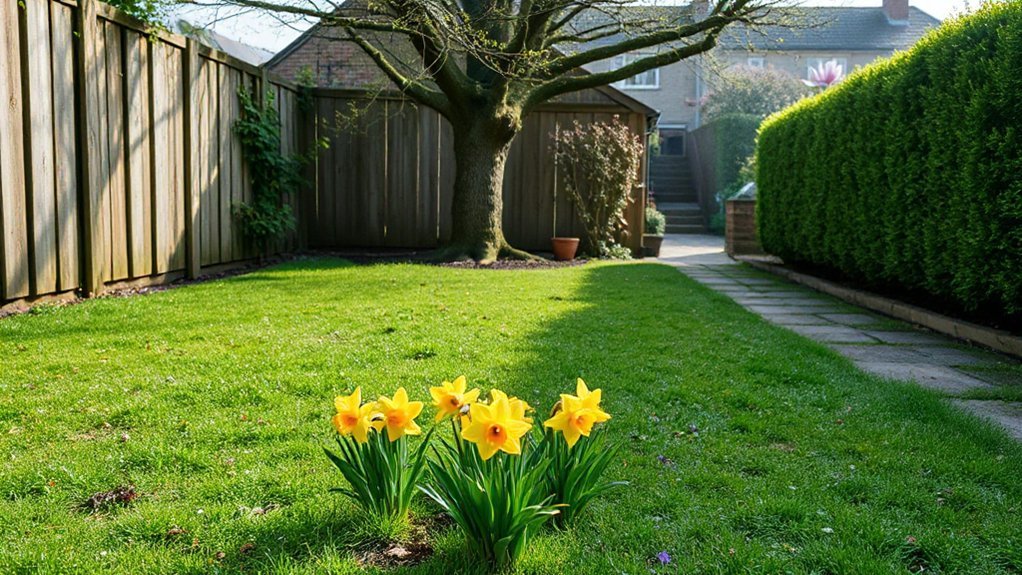
You might think spring cleanup is a lot of work, but a focused plan saves time later. Start by evaluating winter damage, then prune deadwood and tidy beds to set a solid base. Refresh soil with organic amendments and plan irrigation for spring showers. A steady routine—weeding, mulching, and quick checks for pests—keeps borders neat and plants healthier, and you’ll see the garden begin to renew in ways you can build on. Let’s map out the steps that will keep momentum going.
Set Your Spring Garden Goal: Color, Structure, or Low-Maintenance

Setting a clear spring garden goal helps you focus your efforts and choose the right plants, structures, and maintenance routines. You’ll decide whether your aim is color, structure, or low-maintenance, and then map tasks to fit UK spring nuances.
If color wins, select a cohesive palette of early-season blooms, bulbs, and foliage accents that echo garden art—a playful focal point integrated with borders and containers.
If structure drives you, prioritize backbone elements: pathways, trellises, and evergreen silhouettes that give year-round shape.
If low-maintenance appeals, choose drought-tolerant perennials, mulch, and smart irrigation to reduce upkeep while supporting wildlife habitat.
Whichever path you pick, document steps, timelines, and success metrics to cultivate belonging and steady progress.
Assess Winter Damage and Map Repairs
Assess winter damage now to guide focused repairs this spring. You’ll start with a calm walk around your garden, noting weak stems, split bark, or heaved soil. This is your Winter assessment step: observe before you intervene, so you don’t overreact.
Catalogue damaged spots on a simple map, marking sunken paths, frost-heaved borders, and sod that won’t spring back. Prioritize repairs by impact: stake top-heavy perennials, prune broken branches, and tidy tangled beds to reduce disease risk.
Use clear labels and dates so you can track progress. Capture photos alongside notes to inform future decisions. Your damage mapping becomes a practical reference, helping you time replacements and protect investments.
With this plan, you set a confident, welcoming garden for spring growth.
Refresh Soil for UK Spring: Amendments That Regain Texture and Fertility
After evaluating winter damage, you’ll want to refresh your soil now to support spring growth. Start with soil testing to understand pH, texture, and nutrient gaps. This quick check guides what amendments you actually need, avoiding waste and overfeeding.
Next, add organic amendments to boost structure and fertility; compost genuinely improves aeration, water retention, and microbial life, while well-rotted manure supplies steady nutrients.
If your soil is sandy, incorporate bulky organic matter to improve holding capacity; if heavy clay, choose materials that loosen texture and improve drainage.
Mulching with leaf mold or shredded bark keeps moisture consistent and feeds biology. Apply amendments evenly, rake gently, then water.
You’ll create a welcoming bed for seeds and transplants, fostering communal, thriving growth all season.
Prune and Refresh Plants for Spring Vitality

Now’s the moment to prune for spring importance, focusing on the buds and new leaf growth you want to encourage. Start with light, selective cuts to stimulate fresh shoots.
Then refresh leafy growth without over-pruning. Use careful techniques to shape plants and promote healthy buds while avoiding stress.
Prune For Spring Vitality
Pruning now sets the garden up for robust spring growth: cut back dead, crossing, and crowded branches to improve airflow, encourage new shoots, and shape plants for healthier blooms. You’ll begin with a quick assessment, identifying seasonal weak points and longstanding overgrowth.
Use clean, sharp secateurs and work on dry, non-frosty days to reduce disease risk.
Focus on pruning techniques that promote plant health: remove damaged wood at the base, thin crowded areas to open the center, and shorten overly vigorous shoots to maintain a balanced habit.
For shrubs, preserve natural form while encouraging buds to form evenly; for perennials, cut back old stems to ground level after frost.
Regular, mindful pruning now yields vigorous, resilient growth come spring.
Refresh Leaf And Buds
With pruning paused and the days warming, you’ll refresh leaves and buds to jump-start spring. Importance: inspect branches for fresh growth, remove any lingering dead or damaged foliage, and trim to encourage an even flush of new leaves.
Focus on leaf health by sweeping away clear signs of disease or deficiency. Then threshold-fruit prune only if necessary to balance vigor.
Watch bud development closely: pinch back overly lanky shoots to redirect energy toward sturdy, well-formed buds.
Clean tools between plants to prevent transfer of pests or pathogens.
Label new growth to track progress and avoid overhandling delicate shoots.
Aim for a tidy canopy that invites airflow, reduces disease risk, and supports robust, uniform leaf emergence and flourishing spring growth.
Careful Pruning Techniques
As the days warm and pruning pauses fade, you’ll apply careful pruning techniques that balance vigor with plant health. You’ll inspect each shrub and perennial, removing deadwood first to open airflow and reduce disease risk.
Make clean cuts just above healthy buds, not flush with the branch, and avoid tearing bark. Use pruning tools that are sharp, clean, and appropriate for the plant size to prevent damage.
Schedule pruning timing to align with species needs—spring-flowering varieties after bloom, and summer ones before new growth accelerates.
For climbers, target stems that cross or rub, tying them gently instead of forcing growth.
Document what you remove and where, so future cycles stay orderly, enabling your garden to recover quickly and thrive all season.
Introduce Color: Best Seasonal Plant Picks for UK Gardens
Brighten borders and pots by choosing seasonal bloomers that thrive in UK springs and early summers. You’ll see instant impact with daffodils, tulips, primroses, and polyanthus massed along paths or in container combos.
For evergreen structure, mix four-season perennials like salvia, heuchera, and geraniums with nodding bells of osteospermum, creating reliable color threads through May and June.
Think color schemes that pair cool blues and purples with warm yellows and peaches to lift shaded spots and sunny borders alike. Plan plant combinations that repeat hues at varying heights for depth, while foliage textures—felty hems, glossy leaves, and fine grasses—add contrast.
Choose compact varieties for small spaces, and stagger bloom times to sustain interest through spring. You’ll feel rooted when neighbors notice your thoughtful, cohesive display.
Clean, Mulch, and Weed for a Tidy Start
Begin with a clean slate to give your garden a fresh, tidy start this spring. Sweep away debris, prune where needed, and aim for a neat base that looks ready for mulching to lock in moisture and reduce mess.
Apply mulch evenly to create a steady moisture reservoir while laying down a weed-free foundation for lasting growth.
Clean Start, Fresh Look
Clean starts begin with a clean slate: weed beds thoroughly, mulch beds to suppress regrowth, and remove debris so you can see what needs attention. You’ll tackle edges and pathways first, then split tasks into manageable blocks for a calm, steady rhythm.
As you weed, note any plant failures or pest hints, so you can plan timely replacements. Mulch thoughtfully to control moisture and reduce future work, keeping shade and sun exposure in balance for a fresh look.
This simple reset invites Garden decor ideas—potted accents and seating setups that feel welcoming. Don’t overlook pest control basics: remove fallen leaves, inspect for grubs, and reinforce healthy soil with compost.
A tidy, purposeful start sets the tone for spring growth you’ll truly belong to.
Mulch for Moisture Retention
Mulching is your best ally for conserving moisture in a UK spring garden, especially after a thorough clean and weed. You lay down a breathable layer to protect soil and roots, slowing evaporation as days warm.
Choose organic options like shredded bark, composted leaves, or mushroom mulch, which enrich soil as they break down. Apply 5–7 cm evenly, avoiding stacking around stems or crowns to prevent rot.
Water deeply before and after mulching to settle the layer. Mulch benefits include moderated soil temperature, suppressed weed growth, and reduced watering frequency, helping your plants settle faster.
For moisture conservation, recheck after heavy rains and refresh annually to maintain coverage. This practical, tidy step supports a thriving, belonging-filled spring garden.
Weed-Free Garden Foundation
A tidy garden starts with a weed-free foundation, so start by a quick, thorough clean to remove all visible growth and lingering debris. You’ll inspect beds and borders, removing perennial roots and pulling annuals by hand where possible.
Next, lay a clean slate with a thin layer of mulch to suppress new germination and keep soil even. This creates a tidy base for your garden planning, helping you map paths, borders, and plant groups without interruption.
Commit to consistent weed control routines—daily checks in spring save bigger fights later. Keep edges neat and install fabric or barriers where needed.
With a focused start, you’ll enjoy clearer sightlines and a calmer spring pace, inviting others to join your growing, shared space.
Plan Irrigation and Drainage for Spring Showers

To prepare for spring showers, map out your irrigation and drainage so water reaches roots without pooling on paths or beds. Begin with a simple layout: mark beds, paths, and the main water source, then sketch run lines that avoid high-traffic areas.
Use drip or soaker hoses for efficient moisture delivery at root level, reducing waste and mud.
Consider Rainwater harvesting to supplement supply during wetter spells, especially in UK springs, and link it to your drainage systems to prevent overflow into borders.
Fit adjustable emitters so you can modify coverage as plants wake.
Install a simple drainage channel or trench to guide excess water away from foundations and seating areas.
Check slopes and keep screens clear to maintain steady flow during heavy showers.
Regularly test and fine-tune.
Create a Simple, Maintenance-Friendly Spring Routine
As spring arrives, you’ll want a simple, maintenance-friendly routine that keeps beds healthy without taking over weekends. Start with a light, weekly check: weed lightly, mulching where needed, and remove any diseased debris to slow spread.
Schedule 20 minutes on a calm morning to monitor soil moisture and adjust irrigation, keeping roots hydrated without soggy patches.
Choose a few core tasks: prune early-flowering shrubs, deadhead spent blooms, and edge beds for a tidy look.
Put pest prevention at the core: mulch to deter garden pests, and observe wildlife habitat changes—bird baths or brush piles can invite helpful visitors.
Keep a calm pace, celebrate small wins, and share tips with neighbors for a supportive, belonging-filled garden community.
Frequently Asked Questions
When Is the Best Time to Plant Spring Bulbs in the UK?
You should plant spring bulbs in autumn, typically from September to mid-November, for best bloom. This aligns with Spring gardening tips and Seasonal planting guides, helping you create a welcoming, belonging-filled garden that thrives through seasonal changes.
How Can I Protect New Plantings From Late Frosts?
Frost protection, you say? Practice plant insulation with fleece, cloches, or mulch; shelter new plantings on frosty nights. You’ll feel included in spring’s rush, you’ll shield buds, and you’ll keep tender growth thriving through lingering freezes.
Which Native UK Perennials Rebloom With Minimal Care?
You’ll want native UK perennials that rebloom with minimal care, such as new growth after light Perennial pruning and steady Soil improvement. You’ll stay practical, timely, and feel you belong as you select resilient, low-maintenance, regrowing choices.
What Are Cost-Effective Ways to Deter Slugs Naturally?
You can deter slugs naturally by focusing on garden pest control: sprinkle copper tape around beds, remove hiding spots, and encourage beneficial predators. In one case, a balcony gardener cut slug damage 60% with beer traps and mulch. Also, composting tips help.
How Do I Convert a Shaded Area Into a Thriving Border?
You convert a shaded area into a thriving border by choosing garden design that emphasizes texture and structure; plant shade-tolerant plants, add mulch, and stagger heights. You’ll feel belonging as you create a cohesive, low-maintenance haven.
Conclusion
Spring isn’t just a season; it’s a seed of renewal. As you tend the bed, envision it as a blank page waking to color and order. Each pruning snip, each mulch layer, and every weed you pull is a small hinge, opening a door to growth. With careful planning and steady routine, your garden becomes a living compass—guiding you toward beauty, resilience, and calm after winter’s draft. Open the gate and let energy return.
About the Author