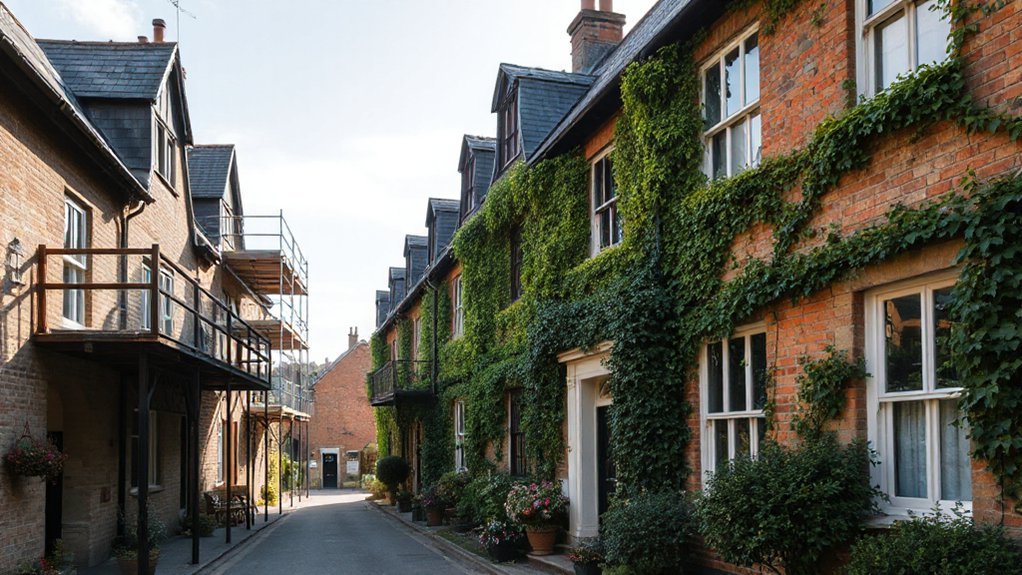
In a conservation area, your plans must balance change with restraint, so progress feels measured rather than disruptive. You’ll start by mapping rules and securing permissions before any external tweak, then match materials to the local character to avoid setbacks. A clear design scope helps you stay compliant and respectful, while early neighbor and authority conversations prevent surprises. But the path to a smooth renovation hinges on what you uncover next—the specifics that actually keep you on track.
Why Conservation Areas Restrict Renovations (and What It Means for You)

Conservation areas limit renovations to preserve character, so you must understand what changes require permission before you plan anything. You recognize that each area has a unique balance between history and daily life, guided by Local regulations designed to protect the broader heritage.
The Historical significance of nearby buildings informs decisions about what you may alter, from external features to materials and methods. You’ll need to identify whether your planned work falls under permitted development or requires formal consent, and you’ll follow a careful, stepwise process to avoid delays.
This isn’t about restriction for its own sake; it’s about preserving identity you share with neighbors and future generations. Approach changes thoughtfully, document requests precisely, and engage promptly with the relevant planning authority.
Do You Need Planning Permission? Quick Eligibility Checks by Property Type
You’ll start by checking the basics of planning eligibility for your property type.
Compare how rules differ between houses, flats, and listed or boundary-varied dwellings.
Note any conservation-area specifics.
This sets the procedural framework for whether you need permission before making changes.
Planning Eligibility Basics
Planning permission isn’t always required for every alteration, so start by identifying your project’s scope and checking the local planning rules. You’ll assess eligibility by property type and known conservation constraints, then determine if permits are needed before work begins.
Gather key details: site location, historical significance, and any protected features that could affect contenders like extensions, demolitions, or alterations to windows and roofs.
Consult your local planning authority guidelines, noting timelines, required forms, and any planning appraisals. Compare proposed work against standard permissions and exemptions, avoiding steps that assume approval.
This approach supports Architectural preservation by aligning your plan with conservation priorities, while statements about eligibility remain cautious and verifiable.
If uncertainty persists, request a formal pre-application discussion to confirm eligibility before committing resources.
Property Type Comparisons
Property type often determines the required permissions. You’ll check rapid eligibility by category, not guesswork, to avoid delays.
If you own historic architecture, expect stricter scrutiny for exterior changes, and prepare a concise design rationale that respects existing features.
For terraced or semi-detached homes, focus on party-wall limitations and permissible alterations within footprint.
Detached properties may afford more flexibility, but conservation-area guidelines still govern rooflines, windows, and materials.
For listed elements, expect formal listings and potential protection orders; plan proposals accordingly.
Flats or maisonettes carry private amenity considerations and lintel/threshold constraints.
In all cases, document existing conditions, anticipated renovation challenges, and how you’ll maintain character while improving function.
Use clear drawings, consult early, and align proposals with local conservation priorities.
What Counts as Permitted Development in Conservation Areas
Permitted development in conservation areas is limited by both scope and local thresholds, so you should identify what counts as permitted before planning any changes.
You’ll need to verify which alterations fall under general PD rules and where the conservation area adds restrictions.
Start by checking the relevant thresholds and permitted works for your property type to avoid exceeding allowances.
Permitted Development Scope
In conservation areas, you should start by checking which works qualify as permitted development, since many alterations still require planning permission. Your scope guide begins with understanding what counts as permitted development and where limits apply.
You’ll review typical on-site changes—like modest extensions, glazing swaps, and roof alterations—in light of historic preservation principles and local regulations. Be precise about size, height, and materials, because even small deviations can trigger controls.
Note that certain features may be excluded or require prior approval, so you should document constraints before proceeding. Communicate openly with advisers and neighbors to foster belonging and minimize disputes.
Always confirm current rules with the planning authority, as interpretations evolve and exemptions shift over time.
Conservation Area Thresholds
Conservation area thresholds determine what counts as permitted development and when you must seek planning permission. In this section, you’ll follow clear criteria to assess changes against local policy and national guidance.
Begin by identifying the exact features affected—historic features are often protected, and alterations here may trigger reviews. Check annexes, boundaries, and any Area of Special Architectural Interest to determine scope.
Before work begins, confirm which developments are exempt, require prior approval, or need a full planning application. Document proposals with objectivity, noting potential impacts on streetscape and character.
Engage the community early: solicit feedback, share plans, and incorporate reasonable suggestions to strengthen consent chances. Maintain records of notifications, responses, and decisions to support transparent, collaborative progress.
Which Materials and Finishes Respect Local Character
When selecting materials and finishes, you should prioritize those that match the area’s traditional palette, textures, and scale. Begin by surveying nearby properties to identify common materials and color schemes, then compare options for compatibility rather than novelty.
Favor durable, breathable substrates that weather gracefully and age well, reducing the risk of abrupt contrasts with surrounding façades. Local craftsmanship matters: prefer products and techniques that reflect regional building traditions and avoid over-polished appearances.
Where possible, source from nearby suppliers to support continuity in texture and finish, aligning with historical significance without sacrificing safety standards. Document decisions with specific references to scale, rhythm, and detailing, ensuring progression between new and existing elements remain seamless.
Maintain careful records to demonstrate respect for the conservation context and community identity.
Engage the Local Planning Authority Early: A Practical Outreach Plan
Begin engaging the Local Planning Authority early by outlining a concise outreach plan that identifies who to contact, the key milestones, and the decision points that require their input.
You’ll map roles (case officer, conservation officer, heritage panel) and set a clear contact timetable.
Establish milestones for pre-application advice, design review, and submission confirmations, with explicit decision points that trigger feedback.
Draft a short briefing that explains historic preservation priorities, your project scope, and any constraints.
Schedule early, focused meetings to discuss site context, sensitive features, and potential mitigations.
Prioritize transparent, ongoing communication to strengthen community engagement and trust.
Document responses, adjust plans accordingly, and maintain an accessible trail of changes for stakeholders.
This approach fosters belonging and mutual responsibility in the planning process.
Create a Robust Conservation-Style Design Brief You Can Submit
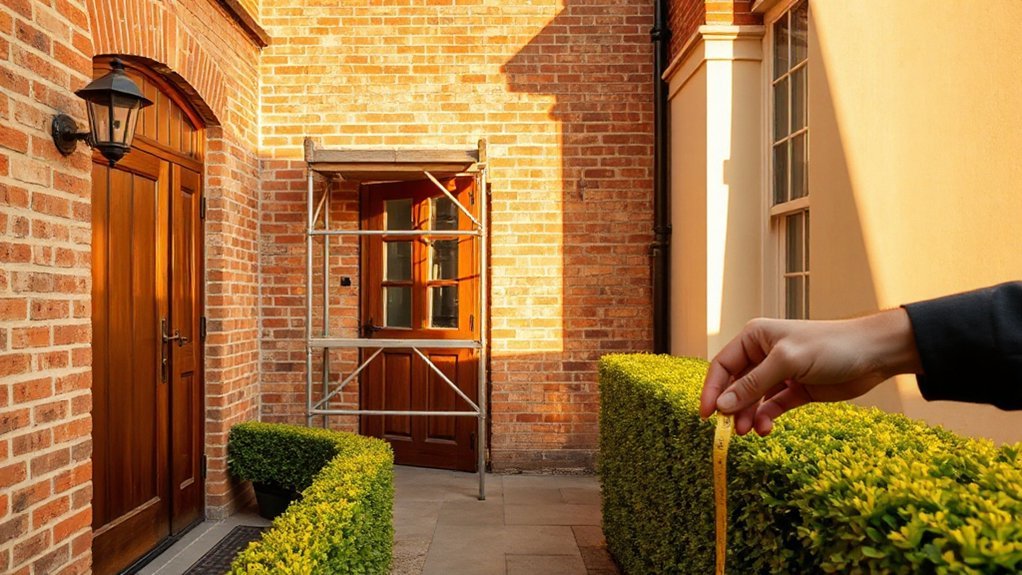
You should define the design scope first, documenting what’s included and what isn’t, so your submission stays focused and controllable.
Align conservation standards across materials, detailing approved finishes, workmanship, and any local criteria you’ll meet.
This creates a clear, auditable brief you can submit with confidence.
Define Design Scope
How can you guarantee the project stays true to its conservation objectives from the outset? Define design scope with clarity and restraint. Begin by documenting site context, listing contributing features, and identifying non-negotiable elements that core teams must protect.
Establish measurable criteria for historical significance and architectural authenticity, then map permissible alterations against those benchmarks. Create decision trees that prioritize traditional materials, joinery, and finishes, and flag any proposed deviations for review.
Assign responsibilities for ongoing design audits, ensuring every detail aligns with the conservation brief. Include tolerance thresholds for repairs, replacements, and modern upgrades, specifying when flexibility is allowed.
Conclude with a design brief appendix that links scope to approvals, timelines, and responsible parties, fostering collaboration and shared accountability.
Align Conservation Standards
To align conservation standards, codify a robust design brief that translates the conservation objectives into actionable criteria, deliverable standards, and review checkpoints. You structure this brief to guarantee consistency across submissions, avoiding ambiguity and delay.
Begin with a clear scope, then specify materials, form, and detailing that respect historic signage and traditional landscaping. Define measurable performance thresholds for scale, proportion, and rhythm, plus practical requirements for maintenance and replacement.
Establish review milestones, responsible parties, and decision criteria, so each stage can be verified before proceeding. Include a glossary of terms and a concise rationale linking choices to conservation aims.
Use plain language to foster belonging, inviting collaboration with stakeholders. Finally, attach precedent visuals, sketches, and a decision log to support transparent, defensible submissions.
How to Talk With Neighbors and Handle Objections Constructively
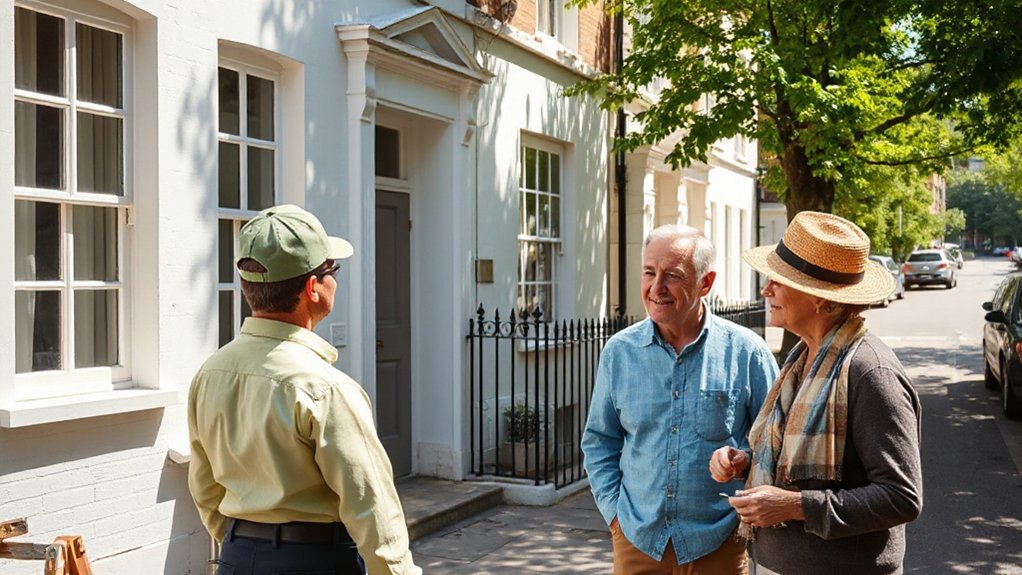
Before approaching neighbors, prepare a clear plan outlining your project scope, potential impacts, and proposed timelines. You’ll set expectations, show respect, and reduce surprise.
In conversations, practice neighbor communication that emphasizes listening first, stating your intentions plainly, and avoiding defensiveness. Acknowledge concerns, distinguish between temporary inconveniences and lasting changes, and propose concrete mitigations.
When objections arise, respond with a calm, procedural approach: restate the issue, present evidence, and offer alternatives or adjustments. Document agreed actions and follow through promptly.
Invite ongoing dialogue, schedule brief updates, and welcome input from adjoining residents. This collaborative posture helps build trust and minimize conflicts.
Your aim is constructive dispute resolution, not debate; clear communication, timely responses, and measurable commitments are essential for smooth progress. Objection handling becomes a shared responsibility.
Documents, Evidence, and Timelines to Secure Approvals
As you navigate approvals, assemble the required documents, supporting evidence, and a realistic timeline from the outset. You’ll present a clear case: records of architectural plans, photographs, and surveys; listed building constraints; and any prior consent letters.
Include a concise justification of architectural intent, materials, and workmanship, aligned with conservation guidance. Gather evidence of Historical significance, such as historic maps, designation notes, and prior approvals, to demonstrate respect for heritage assets.
Document community involvement: minutes from meetings, correspondence with local groups, and community feedback summaries.
Create a project timeline with milestones, submission dates, and expected response windows, allowing for potential requests for additional information.
Guarantee all documents are organized, searchable, and easily shareable with planners and consultees.
Budgeting for Permissions, Delays, and Sympathetic Upgrades
budgeting for permissions, delays, and sympathetic upgrades requires a disciplined, realistic plan that accounts for costs, contingencies, and approved approaches. You begin with a clear scope, mapping required permissions and plausible delays.
Build a cost baseline that includes professional fees, survey work, planning contributions, and potential material premiums for historic preservation. Add a contingency of 10–20% tied to risk exposure in conservation areas.
Document accepted methods for sympathetic upgrades, ensuring all choices align with conservation guidance. Schedule buffers around approvals and weather or supply delays.
Engage the community early to support bidding and reduce friction, reinforcing a sense of belonging. Maintain transparent records of decisions, costs, and revisions to support historic preservation and ongoing community engagement.
Plan for regular review and adjustment as permits evolve.
Staying Compliant After Approval: Post-Approval Steps and Checks
After approval, you must establish a clear post‑approval governance routine: confirm permit conditions, track compliance milestones, and document any changes. You’ll create a structured checklist for ongoing inspections, dust and noise controls, and material usage, then assign responsibilities to trusted team members.
Maintain a contemporaneous log noting dates, outcomes, and corrective actions, so audits are straightforward. Schedule regular reviews of renovation permits and any amendments, ensuring alignment with conservation-area obligations and local planning guidance.
Prioritize transparent communications with neighbors and authorities to reinforce trust and belonging. When you reassess property valuation, document how adjustments relate to compliance status and conservation criteria.
Finally, implement a remediation protocol for deviations, with clear escalation paths and timely resolutions to protect ongoing eligibility and project integrity.
Frequently Asked Questions
How Long Does Conservation-Area Approval Typically Take?
Typically, conservation-area approval takes several weeks to a few months, depending on complexity. You’ll assess the Historic facade and Building height changes carefully, submit documentation promptly, and follow up to guarantee timely processing while feeling supported and informed.
Can I Keep Original Windows During Upgrades?
Yes, you can keep original windows if they meet preservation guidelines. In Historic preservation terms, pursue compliant window replacement only when necessary; document suitability, obtain approvals, and guarantee any changes enhance character while preserving community ties and ownership stewardship.
Do I Need Listed-Building Consent in a Conservation Area?
Yes, you’ll need listed-building consent in a conservation area for alterations affecting architectural heritage; obtain Planning permissions first, assess implications, and follow cautious procedures to fit in, ensuring you feel part of the community and its standards.
Are There Grants for Sympathetic Renovations in Conservation Areas?
Yes, grants exist for sympathetic renovations; you should check local schemes. You’ll follow heritage preservation principles and architectural guidelines, ensuring eligibility, documenting needs, and applying carefully so you feel supported and confidently belong within the conservation community.
What Penalties Exist for Non-Compliance With Restrictions?
If you fail to comply, penalties include warning letters, fines, and possible enforcement actions. You must respect Historic preservation rules and engage in Community consultation to mitigate risk and demonstrate responsible ownership, reducing penalties and showcasing belonging within the neighborhood.
Conclusion
In short, follow the process meticulously: verify permissions, choose sympathetic materials, document decisions, and maintain open dialogue with planners and neighbors. Stay compliant by tracing approvals, inspections, and conditions against the original scope. One striking stat: conservation-area projects face an average 8–12 week planning delay beyond standard permits, often from design clarifications or material detail requests. Plan for contingencies, preserve local character, and proceed with transparent, methodical steps to avoid issues.
About the Author