You can modernize a semi-detached home without planning permission by sticking to permitted development rules, focusing on interior tweaks, small extensions, and cosmetic updates that don’t alter height, footprint, or the building’s character. Start with practical, consent-safe changes and clear boundaries with neighbors, then document everything as you go. The key is staying compliant, yet there’s still a careful balance to strike—and that balance is what keeps you moving forward.
What Counts as Permitted Work in a Semi-Detached Home
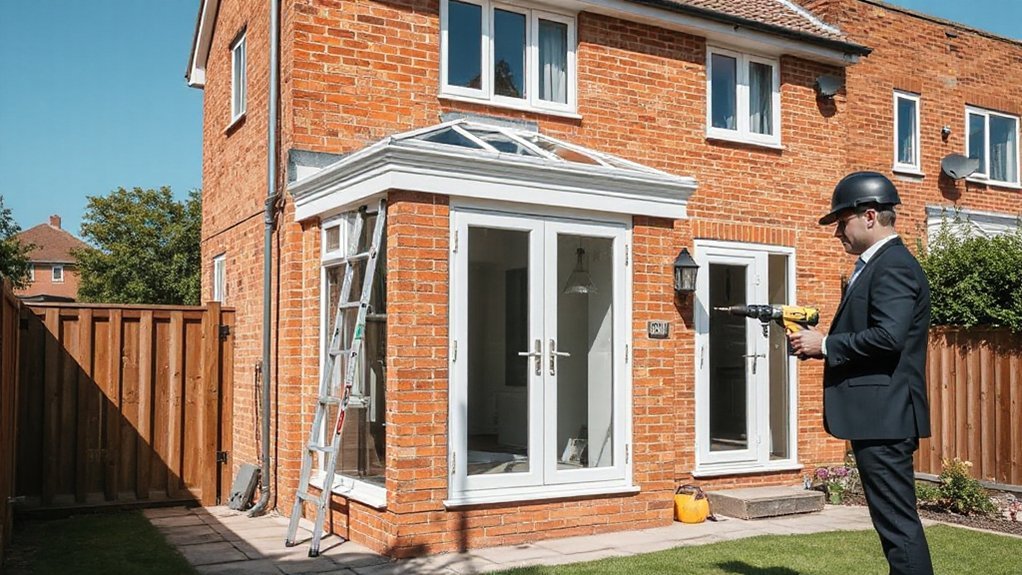
Permitted work in a semi-detached home covers changes you can make without planning permission, as long as they meet specific limits and conditions. You’ll focus on interior and exterior alterations that don’t raise the structure’s height, footprint, or material type beyond allowed thresholds.
Material selection matters: choose materials that match or respect your existing building’s appearance to maintain streetscape harmony.
Inside, interior design choices should avoid removing or altering structural elements. You won’t gain permission for converting a room into separate flats or adding extra power loads that require assessments.
You can upgrade finishes, install energy-efficient fittings, and expand non-square rooms within set limits.
Always document changes to show compliance and preserve a welcoming, cohesive home you’re proud to share.
How to Check Local Planning Rules in 15 Minutes
Checking local planning rules is quick and practical after you’ve considered what counts as permitted work in your semi-detached home. To start, identify your council’s planning portal and search for the zoning that covers your street.
In minutes, you can confirm if your project touches Historical preservation constraints or requires Building permits. Note whether extensions, loft conversions, or alterations in the party-wall area trigger extra checks.
Record any deadlines, pre-application guidance, and typical decision windows. Use a simple checklist: property address, proposed changes, and material types.
If in doubt, call a planning officer for a brief clarification. You’ll feel reassured knowing you’re aligned with local rules, reducing risk and strengthening your sense of belonging in your community.
Budgeting for Renovations That Don’t Require Permission
You’ll set a clear budget scope for non-permission works, aligning costs with your renovation goals and local constraints.
Identify permit-free cost drivers early—materials, labor, disposal, and any trade-specific fees—to avoid surprises.
Build a practical contingency plan that covers unexpected tweaks and timeline shifts without triggering permission steps.
Budget Scope Alignment
When planning budget scope for renovations that don’t require planning permission, start by mapping your must-haves against your available funds and the cost ranges you can reliably predict.
You’ll align scope with velocity, separating non-negotiables from nice-to-haves to avoid scope creep. Prioritize Historic preservation where it adds value and respect, while identifying low-friction upgrades that boost energy efficiency without triggering permits.
Create a phased plan that mirrors your cash flow, with clear milestones and contingencies for overruns. Document assumptions, delivery windows, and supplier leads to reduce back-and-forth.
Communicate the rationale plainly to your household, so everyone understands why choices matter. A tightly aligned budget scope supports confident decisions, smoother trades, and a shared sense of belonging as you progress.
Permit-Free Cost Drivers
Permit-free renovations still carry concrete cost drivers you’ll want to map early. You’ll assess upfront, identifying elements that don’t require permission but still shape the bottom line.
Design aesthetics drive why you choose certain finishes, colors, and layouts, so align them with your budget from the start.
Material sustainability isn’t just ethical—it’s strategic, reducing waste and long-term costs through durable choices and efficient sourcing.
Labor costs follow a predictable arc, so plan sequencing to minimize site downtime and maximize productivity.
Equipment and disposal fees can sneak up if you neglect scale and timing, so lock in estimates for skips, permits where needed, and delivery windows.
Contingency Planning Tactics
Contingency planning keeps your no-permit renovations on track by allocating funds for surprises without derailing the project. You’ll create a realistic cushion, typically 10–20% of projected costs, to cover unforeseen fixes, material fluctuations, or scope tweaks.
Start with a detailed baseline and update it as plans evolve, so you won’t chase money mid-build. Prioritize design decisions that minimize risk—select standard sizes, reuse available materials, and document decisions to prevent scope creep.
Track expenditures weekly, linking each charge to a target area: structural, electrical, or finishing work. Address renovation myths that downplay contingency needs; acknowledge that every project encounters at least one adjustment.
When you face design dilemmas, rely on your budget buffer to sustain momentum and preserve a sense of belonging in your space.
Practical, Permission-Safe Layout Changes That Add Space
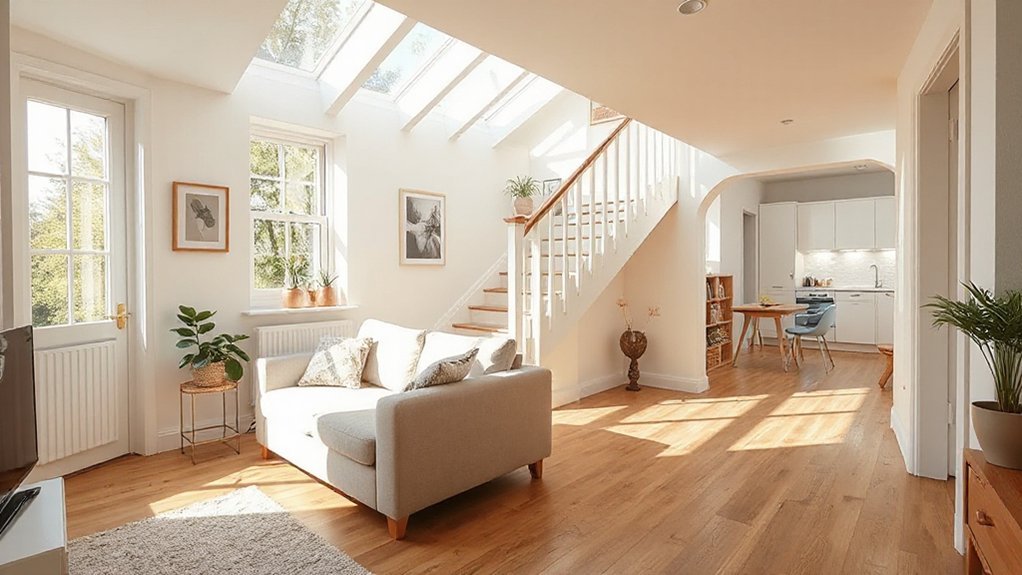
You’ll explore space-efficient layouts that make rooms feel bigger without knocking through walls. We’ll cover planning-safe extensions and clever reconfigurations that add usable space while staying within permission rules.
This starts with practical ideas you can assess quickly for feasibility and impact.
Space-Efficient Layouts
Maximizing space in a semi-detached home doesn’t require major upheaval or planning permission; small, well-planned layout tweaks can reveal real, usable square footage.
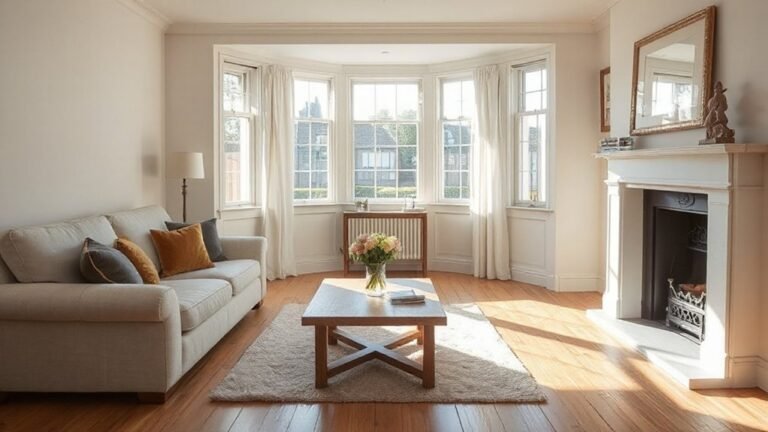
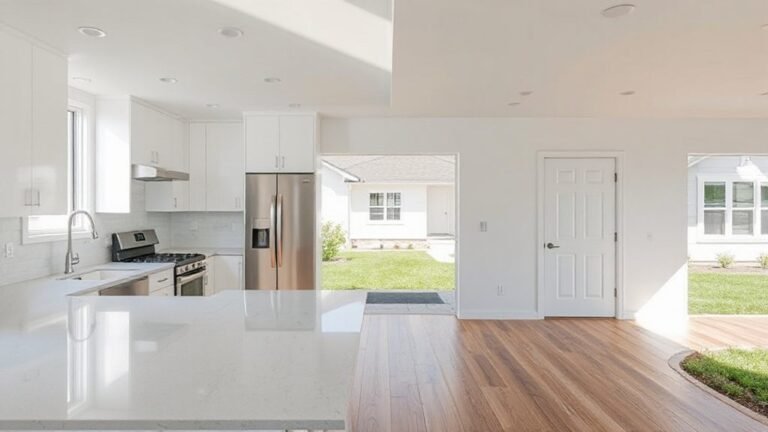
You’ll optimize flow by defining multi-use zones, like a compact dining area adjacent to the kitchen, while leaving clear sightlines to create a sense of openness.
Consider built-in furniture, vertical storage, and pocket doors that don’t steal footfall.
Smart storage keeps clutter out of sight, preserving practical room for daily routines.
Use adaptable partitions to reconfigure spaces for work, play, or guests without adding walls.
Prioritize natural lighting through strategically placed mirrors and window treatments that brighten rooms without sacrificing privacy.
The result is a breathable, connected home that feels larger and more welcoming to you and your guests.
Planning-Safe Extensions
Planning-safe extensions let you add space without breaching planning rules. You’ll focus on practical, permission-safe layout changes that feel seamless inside your home and neighborhood.
Start with a modest rear or side extension that respects envelope height, scale, and symmetry, ensuring your addition aligns with surrounding architectural cues. Prioritize existing natural light, using glazing strategically to avoid dark hallways.
Consider internal reconfigurations: knock-throughs, flush-fit doors, and open-plan zones that don’t imply overbuilding. Choose materials and detailing that echo historical preservation values, preserving character while updating function.
Evaluate environmental impact early: improve insulation, install energy-efficient glazing, and select sustainable foundations. Communicate with your community and planners, showing how these tweaks support belonging, not disruption, and help your home remain harmonious with its streetscape.
Cosmetic Refresh Ideas That Avoid Consent Traps
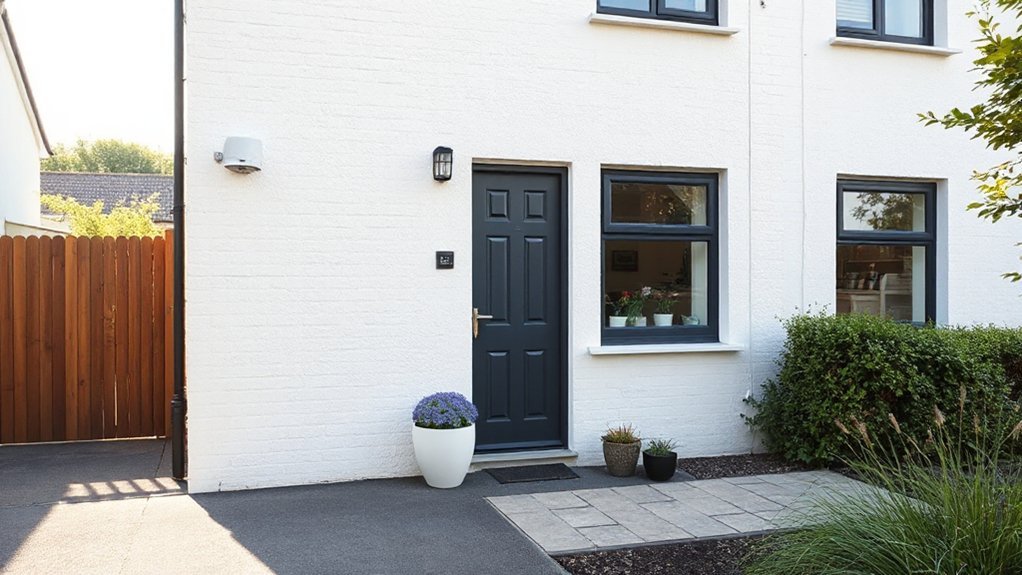
If you’re revitalizing your semi-detached home on a tight budget, focus on cosmetic updates that don’t affect structure or change use, so you stay clear of consent traps. Prioritize finishes over fundamentals: fresh paint, refreshed tiling, and upgraded lighting create a current feel without touching load-bearing elements.
Choose neutral palettes that respect historic preservation principles while allowing personality through textiles and art. Swap out doors, hardware, and trim for period-appropriate details that evoke character without structural changes.
Consider sustainable choices that reduce environmental impact, like low-VOC paints and energy-efficient fixtures.
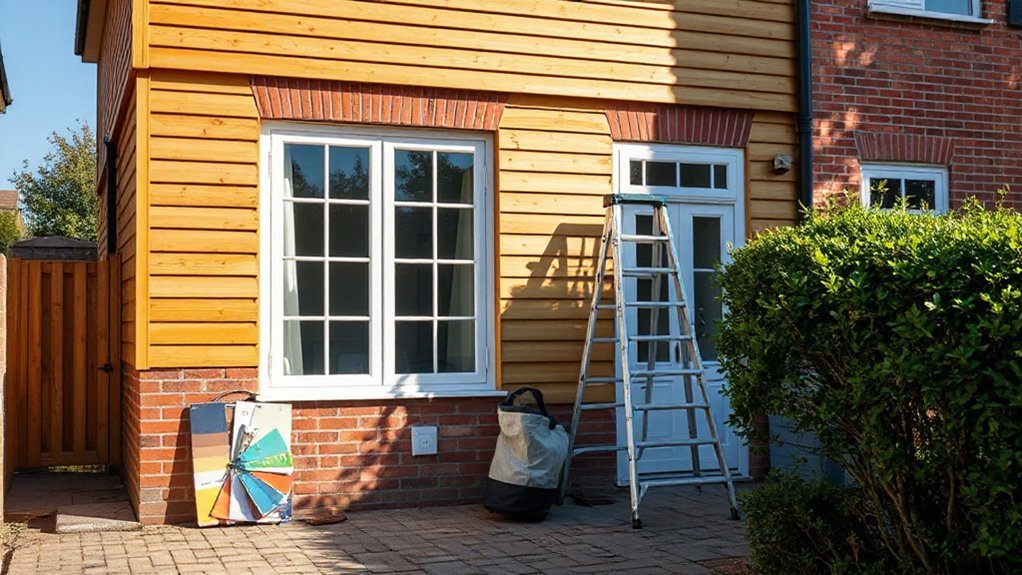
Keep outdoor updates subtle: garden lighting, mulched beds, and discreet fencing enhancements improve curb appeal without triggering consent. Document changes for provenance while maintaining a cohesive, welcoming neighborhood presence.
Modest Extensions That Stay Compliant and Under the Radar
While cosmetic refreshes keep you compliant, modest extensions can add usable space without drawing scrutiny or triggering planning checks. You should target single-storey additions that extend outward within permitted dimensions, avoiding height and footprint shifts that raise flags.
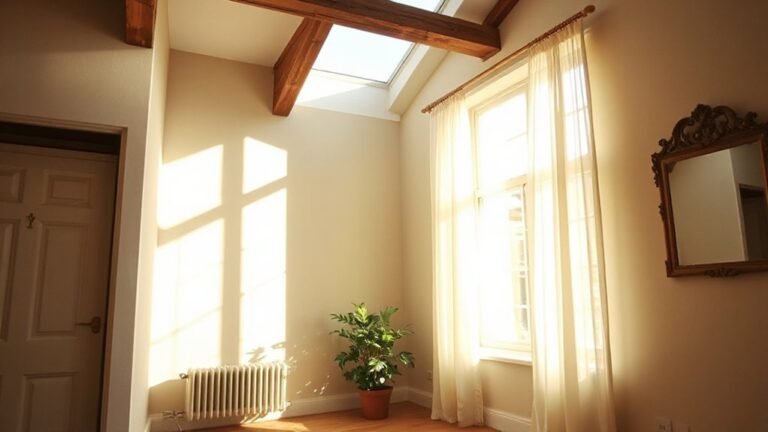
Think simple, functional layouts: a snug dining nook, a compact office, or a bright reading alcove that feels integrated with your existing flow. Prioritize interior lighting to keep spaces luminous without bulk, using slim skylights or clerestory windows where appropriate.
Landscaping enhancements around the new footprint help soften passages and maintain curb appeal while staying low-key. Keep materials and detailing in harmony with your home’s heritage, ensuring clean lines and restrained colors.
This balanced approach supports belonging, practicality, and peaceful coexistence with neighbors.
Working With Shared Boundaries and Neighbors Amicably
Managing shared boundaries and neighborly concerns is essential when renovating a semi-detached home, because good communication helps prevent disputes and keeps projects on track.
You’ll start by identifying boundary specifics and any shared structures, then open a calm dialogue with your neighbor. Clarify intentions, timelines, and noise expectations, and listen with respect to their concerns.
Document mutual agreements in simple, durable form to reduce misunderstandings. When possible, invite neighbor participation in non-intrusive decisions, which strengthens trust and reduces friction.
For shared boundaries, practice transparency about fences, drainage, and access rights, and propose fair compromises that protect both properties.
In conversations, keep references to shared boundaries concise, and frame neighbor negotiations around practical solutions that support your common goal of a smooth, harmonious renovation.
Documenting Your Renovation to Future-Proof It
Documenting your renovation sets a clear record for future-proofing, so you can track decisions, costs, and changes over time. You’ll create a concise folder of plans, receipts, warranties, and as-builts, then update it as work progresses.
Record why you chose materials, suppliers, and fixtures, noting especially those affecting energy efficiency and long-term upkeep. Photographs dated at key milestones support comparisons and accountability.
Include measurements, permits where applicable, and any deviations from original drawings, with rationale. This practice supports Historical preservation by preserving context for later residents or inspectors.
It also communicates care and responsibility to your neighbours and future homeowners, reinforcing a sense of belonging. Keep digital backups and secure, accessible indexing so you can reference the project easily whenever needed.
When You Should Seek Bare-Minimum Consent to Reduce Risk
You should seek bare-minimum consent when the renovation stays within your property’s existing footprint, doesn’t alter the external appearance, and doesn’t affect neighboring properties. In these scenarios, you still engage early, transparent discussion to confirm boundaries and safeguards.
You’ll weigh Historical preservation considerations, ensuring materials, finishes, and alignment with local character remain respectful. Before starting, perform concise Structural assessments to verify load paths, potential impacts on walls, and roof integrity, reducing surprises down the line.
Documented minimal changes help you demonstrate responsible stewardship to neighbors and lenders. If any doubt arises—about vegetation, drainage, or party-wall conditions—pause and consult a professional.
Bare-minimum consent acts as a prudent risk brake, reinforcing belonging through thoughtful, compliant progress.
Frequently Asked Questions
Do Interior Changes Require Consent if No External Alteration Is Made?
If you’re only changing interiors, consent isn’t typically needed unless you modify load-bearing structures or violate building regs; still, consider exterior modifications and required Structural assessments to guarantee safety and compliance, preserving your sense of belonging and responsibility.
Can I Switch to Energy-Efficient Fixtures Without Planning Approval?
“Hit the ground running,” you can switch to energy-efficient fixtures without planning approval in most cases. Energy efficient upgrades are typically permitted; still, confirm local Renovation permits requirements and guarantee compliance to avoid future headaches.
Are There Rules for Removing or Altering Load-Bearing Walls?
Yes, you must follow Building Regulations for structural modifications, especially with load-bearing walls. You’ll need professional assessment, accurate plans, and potential approvals to guarantee safety and compliance with standards.
How Do Party Wall Acts Affect Minor Renovations?
The party wall act affects minor renovations by requiring you to serve boundary notices and potentially appoint a surveyor, reducing disputes. You’ll avoid boundary disputes and protect friendships by following legal notices and clear communication throughout the process.
What Records Should I Keep for Future Permission Risk?
Keep detailed records of potential risk events and decisions you’ve made. Maintain Historical documentation and organize a permits archive, so you can demonstrate care and compliance, reassuring neighbors and authorities that you’ve tracked every relevant change and permission status.
Conclusion
You can refresh a semi-detached home without planning permission by sticking to permitted work, tiny tweaks, and neighbor-friendly changes. Stay precise, document every step, and keep receipts. Check local rules quickly, consult a planning officer if in doubt, and avoid stacking alterations that push the envelope. Think of compliance as your safety net, like a well-tied sail catching the wind—clear, confident, and on course. When in doubt, opt for bare-minimum consent to reduce risk.
About the Author