You might worry industrial chic will feel cold, but smart layers of warmth and texture keep it inviting. In small urban kitchens, sturdy materials like quartz and sealed concrete pair with warm metals and vintage accents for character without clutter. You’ll balance open storage with closed cabinets, layered lighting, and smart layout tweaks that free counter real estate. Curious how to harmonize grit with practicality, you’ll find concrete counters, steel shelving, and subway tiles aren’t just bold—they’re surprisingly adaptable.
Define Industrial Chic for Small Kitchens: Core Elements and Tradeoffs
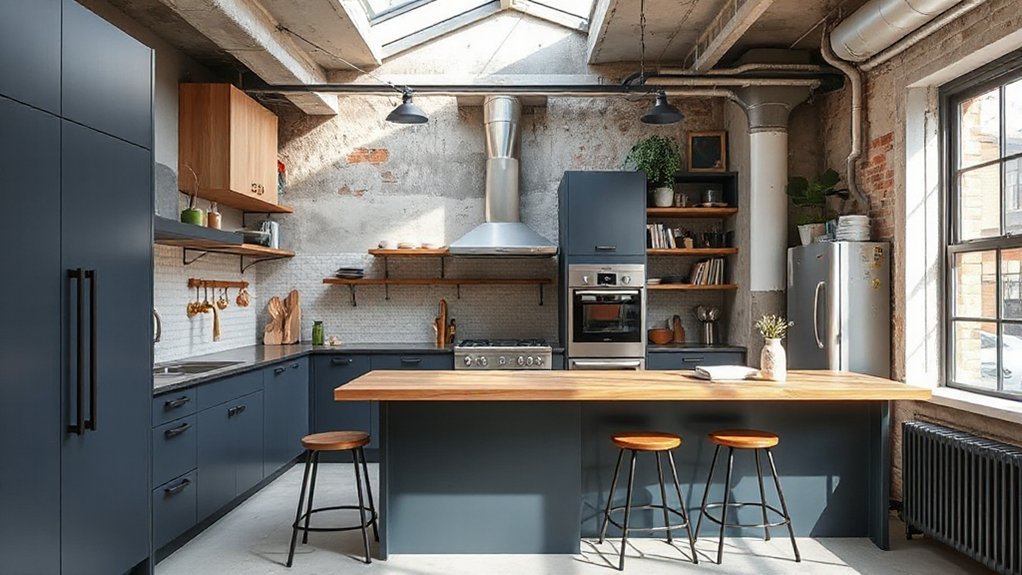
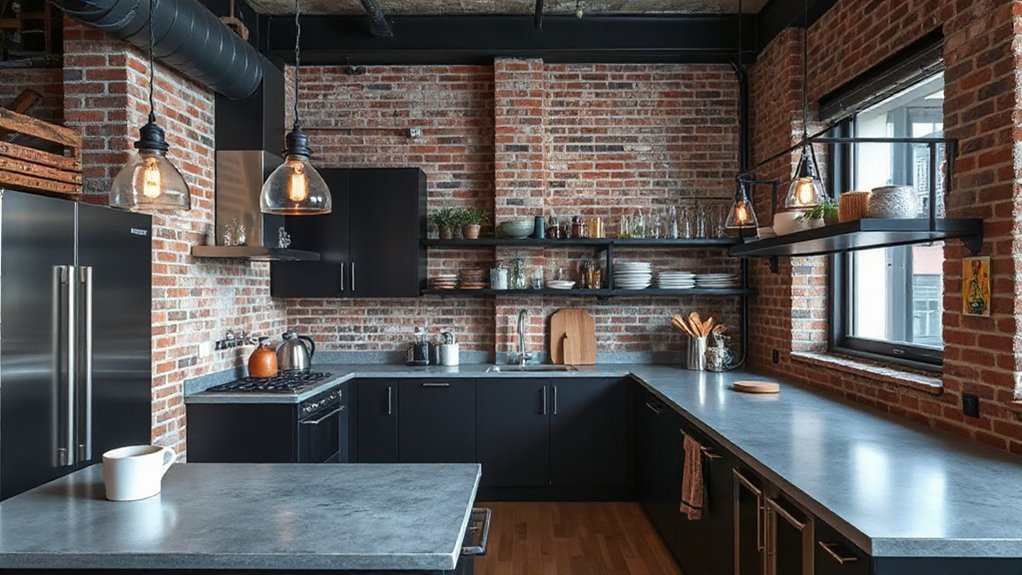
Industrial chic in a small kitchen blends raw materials with clean lines to maximize impact without crowding your space. You’ll define it by embracing exposed brick or concrete, stainless steel accents, and open shelving that keeps essentials visible yet organized. Prioritize efficiency: compact layouts, zone integrity, and thoughtful lighting that highlights texture without glare. Choose vintage appliances to inject character while preserving modern function, and pair them with streamlined cabinetry to prevent visual clutter. Statement fixtures—oversized pendants or industrial-style faucets—draw the eye and anchor the room without overpowering it. Tradeoffs include maintenance of raw surfaces and potential noise from metal components; balance with soft textures and controlled color palettes. You’ll achieve a cohesive, functional look that scales with your urban footprint.
Choose Durable Materials for Tiny Spaces: What Works and Why
You’ll want durable surfaces that hold up to daily use and small-space wear, so prioritize scratch- and stain-resistant options like quartz or solid-surface blends. Think space-saving logic: compact sheets, cladding, and edge finishes that minimize seams and maintenance while maximizing cleanability. I’ll help you compare the practical tradeoffs—durability, cost, and upkeep—so you can choose materials that stay looking sharp in a tiny kitchen.
Durable Surface Choices
When choosing durable surfaces for tiny kitchens, prioritize materials that resist scratches, stains, and moisture while staying light on maintenance. You’ll find composites and high-pressure laminates offer tight sealing and easy cleanup, ideal for daily use without visible wear. Quartz stays cool to the touch and handles heat, yet keeps a modern, cohesive look that suits urban layouts. Porcelain slabs provide seamless backsplashes and countertops that resist etching, while stainless steel adds a sleek, industrial vibe with simple care routines. Eco friendly finishes keep environmental impact low, without sacrificing performance. For a touch of personality, mix vintage accents with durable bases to soften edges and create warmth. Balance color and texture to maintain a bright, scalable kitchen that ages well.
Space-Saving Material Logic
Choosing durable materials for tiny kitchens starts with space-smart logic: pick surfaces that maximize usable area while trimming maintenance, noise, and exposure to moisture. You’ll want industrial materials that tolerate daily wear without showing grime or warping, so look for dense aggregates, solid surfaces, and sealed laminates. Prioritize low-profile edges and integrated backsplashes to reduce nooks for dust. For flooring, consider slip-resistant, moisture-resistant options that stay calm under traffic and heat. Cabinets should use lightweight core materials wrapped in durable veneer or thermofoil, minimizing weight while preserving urban aesthetics. Choose finishes with subtle texture to disguise fingerprints, yet stay easy to clean. Favor modular systems that adapt to changing layouts, keeping space flexible and efficient without sacrificing durability or style.
Assess Storage Needs to Free Counter and Cabinet Real Estate
To free counter and cabinet real estate, start by mapping your current storage and identifying what you actually use weekly. You’ll measure what fits your workflow, then prune duplicates and rarely used gadgets. Group items by function—bakeware, prep tools, and daily staples—so you see gaps rather than excess. Prioritize vertical storage: wall racks, magnetic strips, and pull-out dividers keep surfaces clear. Opt for modular, stackable containers to minimize footprint and improve rotation in your pantry. Consider multi-function devices only if they truly replace single-use items. When redesigning, note where a vintage appliances piece could stay visible without crowding counters, and reserve room for a statement backsplash that anchors the aesthetic. Maintain accessibility for essentials while tucking extras into tall cabinets or high shelves.
Lighting That Elevates Texture and Mood in Compact Kitchens
Layer lighting can transform a compact kitchen from functional to inviting by highlighting texture and shaping mood. You’ll want a layered approach: task lighting over prep zones, ambient color to soften walls, and accent fixtures that draw the eye to architectural details. Choose vintage fixtures to inject character without clutter, pairing metal finishes with matte glass to keep reflections controlled. Under-cabinet LEDs deliver crisp task light on counters, while dimmable ceiling pendants set the mood for evenings. Use warm ambient color (1800–3000K) to enhance brick, tile, or stainless textures without washing them out. Consider directional spots to emphasize textures on cabinetry or backsplashes. Finally, guarantee switches are centralized and accessible, so you can smoothly shift from daytime efficiency to cozy culinary evenings.
Create an Airy Urban Palette: Light Tones, Textures, and Finishes
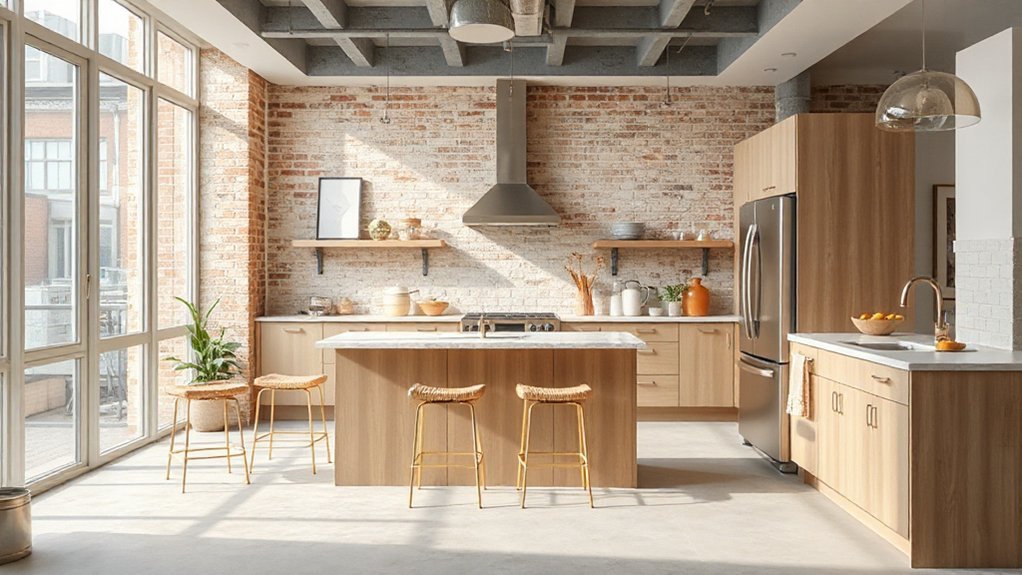
Start with light-tone foundations to keep spaces feeling open and bright, and pair them with textures like matte cabinetry, woven accents, or linen drapes for subtle contrast. Layer textures deliberately—think ceramic tiles with soft grout, brushed metal hardware, and indoor plants—to add depth without crowding the eye. Choose finishes that breathe airiness, such as satin, matte, or frosted surfaces, to reinforce an optimistic, urban palette.
Light-Tone Foundations
Natural light defines an airy urban kitchen, so you’ll want a foundation of pale walls, cabinets, and surfaces that reflect rather than absorb. Light-toned foundations brighten every corner and pair with subtle textures to keep the space practical and intentional. Focus on balance, not starkness, by choosing finishes that resist fingerprints and wear.
- Pale cabinetry with matte hardware for longevity and ease of cleaning
- Reflective backsplashes in soft neutrals to amplify daylight
- Concrete or quartz countertops in ivory‑chip tones for durability
- Vintage lighting and minimal frames to anchor the palette without overpowering
This approach supports a calm, modern base for Vintage lighting and Statement artwork, guiding a cohesive, trend-aware kitchen.
Textural Layering Techniques
You’ll pair the light, reflective groundwork from the previous subtopic with tactile interest that keeps the space feeling airy and lived-in. In this technique, you layer textures to enhance depth without overwhelming the palette. Introduce a mix of matte and gloss surfaces to create textural contrast that reads as deliberate, not cluttered. Combine natural materials—bamboo, stone, concrete—with soft textiles like linen towels or a wool runner to balance cool undertones. Highlight material harmony by aligning edge details, such as wood dovetails with metal hardware and porcelain countertops that echo cabinetry. Use varied weaves and finishes at different scales, from a ribbed backsplash to a smooth, satin cabinet face. Keep accents minimal and cohesive so the texture story remains crisp, contemporary, and functional.
Finishes With Airiness
Could an airy urban palette redefine your kitchen’s feel with just the right finishes? Yes—light tones, tactile textures, and careful material choices shape a calmer workspace. You’ll balance brightness with durability, favoring low-maintenance surfaces and subtle reflections that read spacious even in compact rooms.Eco friendly finishes curb impact while keeping style sharp, and vintage industrial accents add character without heaviness. Here’s the approach:
- Select matte whites or pale grays for cabinets to maximize perceived airiness.
- Pair with glass, honed quartz, or concrete-look countertops for texture without weight.
- Introduce warm timber accents and brushed metal hardware to keep the space inviting.
- Choose eco friendly finishes on walls and backsplashes, and incorporate vintage industrial accents through lighting and fixtures.
Layout Tweaks to Improve Flow and Work Zones
When you’re rethinking an urban kitchen, small tweaks to layout can reveal big gains in flow and work zones. You’ll map primary tasks—prep, cook, clean—into distinct corridors, minimizing cross-traffic and dead-end corners. Prioritize an ergonomic layout: place the sink near prep zones, align the fridge and prep counter in a straight line, and keep the oven at a reachable height to reduce leaning or bending. Introduce smart storage solutions that free counter space without forcing extra steps: pull-out organizers, corner carousels, and labeled bins near relevant zones. Elevate vertical storage to reclaim floor area while preserving open sightlines. Consider a shallow peninsula or overhang to create a quick landing spot for tiny appliances and meals. The result is a streamlined rhythm that supports deliberate, efficient motions.
Smart Swaps: Concrete Counters, Steel Shelving, and Subway Tiles
With smart swaps, you can tweak a compact urban kitchen’s look and function without sacrificing space or flow. You’ll swap in concrete counters, steel shelving, and subway tiles to build a durable, modern base with industrial texture. Choose sustainable materials and eco friendly finishes to keep the space responsible and fresh, not gimmicky.
- Concrete counters: pick a sealed, low-porosity surface to resist stains and fingerprints.
- Steel shelving: opt for powder-coated frames for rust resistance and a lighter visual weight.
- Subway tiles: go with large-format sheets to reduce grout lines and cleanup time.
- Color and lighting: use matte neutrals with warm LED accents to balance cool materials.
These moves emphasize practicality, longevity, and a cohesive urban aesthetic.
Accessorizing With Texture Without Clutter
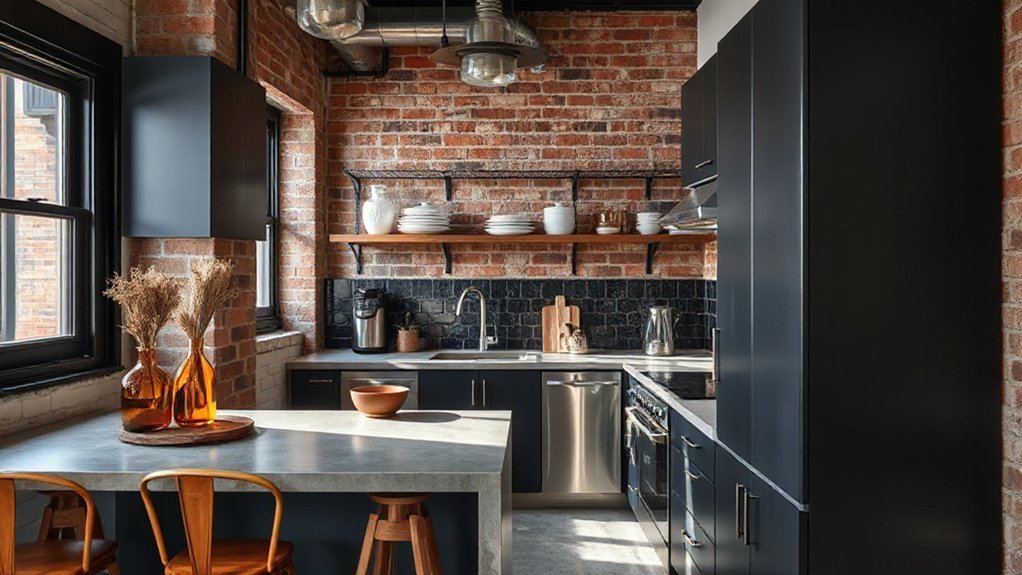
Texture is a powerful way to warm the sleek, industrial base from the previous subtopic without adding clutter. You blend surface variety with restraint, choosing pieces that read as intentional accents rather than fussy decor. Lean into tactile materials—a leather stool, a woven rug, or a linen towel—placed where they can be seen and touched, not crowded. Favor scale-rich elements that don’t overwhelm: a single vintage clock, a ceramic jar set, or a subtle metal tray. Introduce Color contrasts through small, decisive pops—black versus white, warm wood against steel, or a muted glaze that catches light. Keep lines clean; store irregular items out of sight. Your goal: texture that feels curated, not chaotic, and always easy to reset.
Real-World Urban Kitchen Makeovers You Can Emulate
Real-world urban kitchen makeovers prove you don’t need a big budget to elevate small spaces. You’ll see how small changes yield big impact, with practical tweaks you can replicate quickly.
1) Replace cluttered cabinets with open shelving, pairing vintage appliances for character without crowding counters.
2) Install pendant lighting at varying heights to add focus and warmth, boosting both function and mood.
3) Choose a compact, energy-efficient appliance set and mix in retro pieces to create a curated, timeless vibe.
4) Paint or tile a single wall in a bold, cohesive hue to anchor the space and reflect your style.
Keep lines clean, hardware simple, and multitask surfaces ready. Real-world takes today’s urban kitchens from functional to fashionable without overhauling the footprint. Vintage appliances, pendant lighting.
Frequently Asked Questions
How to Budget for an Industrial Chic Kitchen in a Rental?
Budget by setting a ceiling, then prioritize: industrial lighting first, vintage appliances second, and durable basics last. You’ll allocate 60% to essentials, 25% to upgrades, 15% to decor, tracking receipts, and negotiating rental-friendly options.
Can I Achieve Concrete Counters on a Tight Budget?
Yes—you can DIY concrete counters on a tight budget. You’ll use eco friendly materials and avoid pricey sealants, leveraging DIY kits. Pair with vintage accents, seal well, and maintain with a damp cloth for practical, trend-aware results.
What Small Details Boost Urban Chic Without Clutter?
You boost urban chic by keeping surfaces clear and textures deliberate, like vintage lighting and exposed brick, + a few sculptural accents. Use warm metals, matte blacks, and purposeful greenery to avoid clutter while staying trend-aware.
Are Steel Shelves Safe for Heavy Kitchen Loads?
Strength is the backbone, so steel shelves handle heavy loads when properly mounted. You’ll maximize steel durability with reinforced brackets and studs, and embrace shelf customization to spread weight wisely while keeping an industrial chic, practical focus.
Which Finishes Resist Fingerprints in High-Traffic Kitchens?
You’ll want stainless steel with matte finishes, which resist fingerprints better in high-traffic kitchens. Choose matte, fingerprint-resistant coatings and textured, brushed surfaces; combine with soap-friendly seals and regular wipe-downs to maintain a cleaner, trend-aware look.
Conclusion
So there you have it: industrial chic isn’t about bigger space, it’s about smarter choices. You’ll squeeze function from every square foot with durable materials, smart storage, and layered lighting that boosts texture without clutter. An urban kitchen that feels open and confident proves size isn’t destiny—2% of city dwellers actually use more counter space than they need, so optimize what you have. Focus on a cohesive palette, practical updates, and meaningful details, and your small kitchen will shine.
About the Author