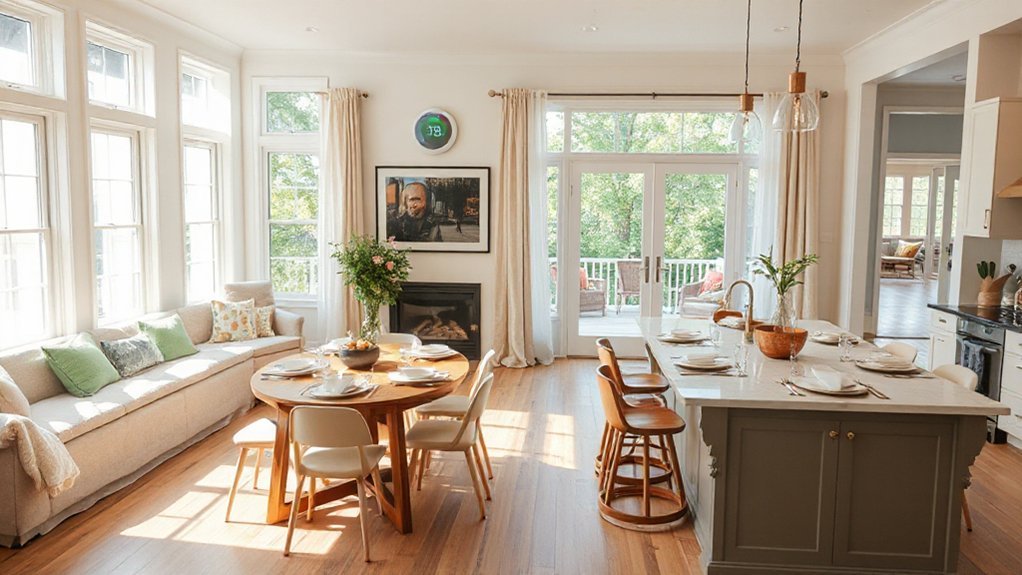
While you may not call it a deal-breaker, a home that blends open flow with defined zones still matters. You’ll want light, flexible spaces, durable finishes, and energy-smart systems that don’t complicate your days. Practical layouts and adaptable rooms keep up with growing needs, while safe, low-maintenance landscaping extends your time outside. Curious what specific features keep a modern family comfortable year after year? Let’s map out the essentials that should sit on your wishlist.
What Makes a Modern Family Layout Work
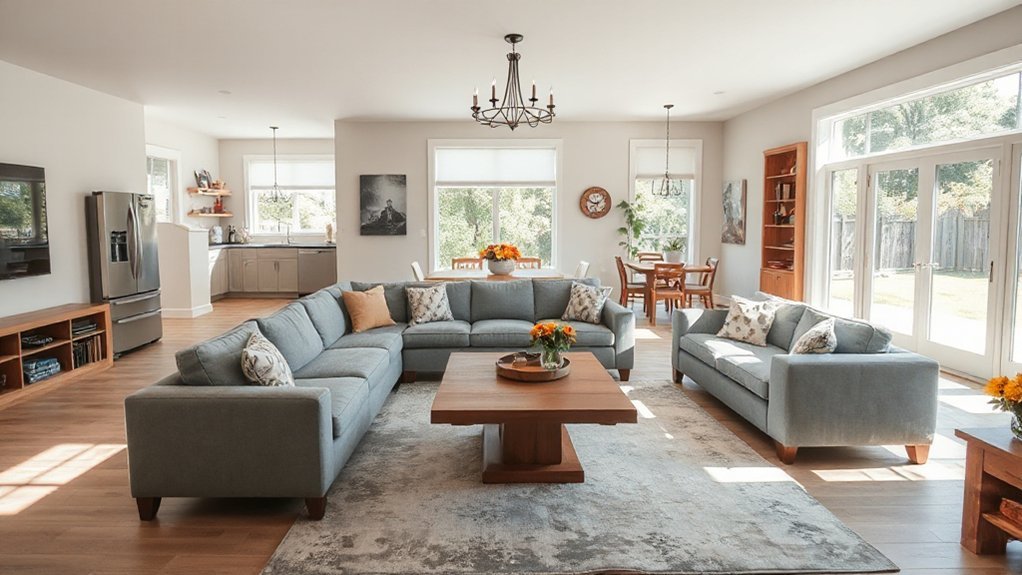
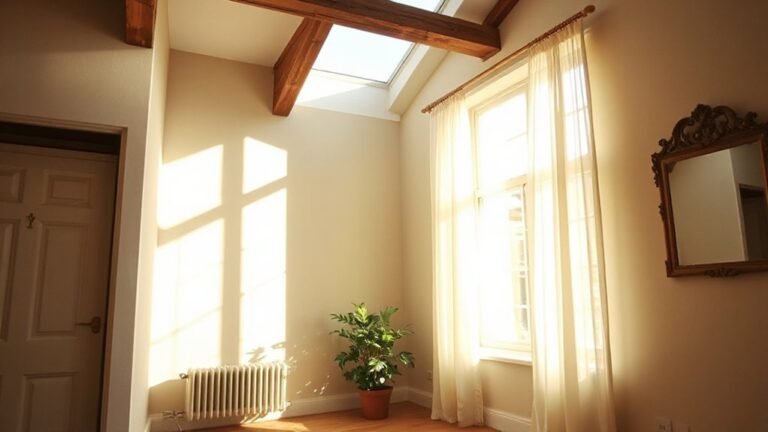
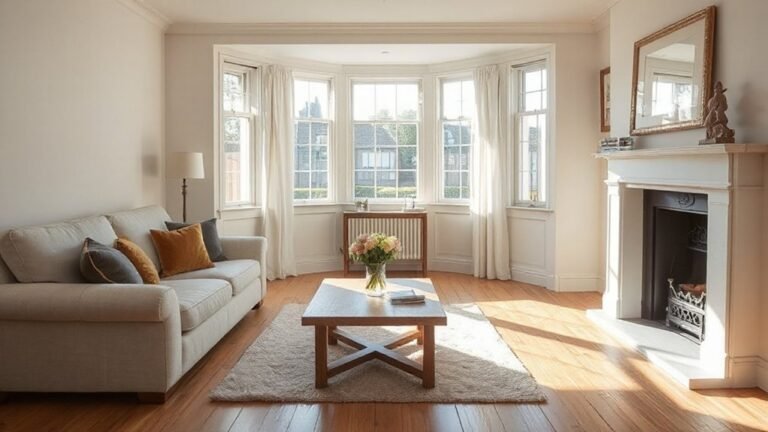
A modern family layout works when it balances flow, function, and flexibility. You’ll see the value in open floorplans that fuse living, dining, and kitchen spaces, so everyday tasks feel connected instead of scattered. Prioritize clear sightlines and logical traffic patterns that reduce clutter and wasted steps. Natural lighting isn’t just brightening; it guides mood, opens perception, and lowers reliance on artificial daytime light. Choose zones that support both together-time and independent moments—think a central hub with nearby quiet corners. Storage should feel effortless, not tacked on, so areas stay tidy despite busy schedules. Flexibility matters: a room that adapts for work, play, or guests keeps the home resilient as your family evolves.
Energy-Efficient Homes That Keep Costs Low
You’ll start with the basics of energy savings, from insulation choices to efficient appliances. As you plan, think about smart habits that compound savings—like adjusting thermostats and air sealing—everyday actions that add up. We’ll connect how these ideas translate into lower bills without sacrificing comfort, keeping your family’s needs front and center.
Energy Savings Basics
To cut energy costs in a modern home, start with a solid foundation: airtight building envelope, efficient heating and cooling, and smart controls that prevent energy waste. You’ll gain ongoing savings by sealing gaps, aligning doors, and choosing high-performance windows. Prioritize insulation techniques that fit your climate and home design, since proper insulation reduces heat loss and stabilizes indoor temps without extra effort from you. Pair efficient HVAC with programmable or zoned controls so you only heat or cool occupied spaces. Add targeted solar-ready planning and consider renewable energy options when feasible, but keep expectations grounded in your budget. Regular maintenance and quick upgrades—weather stripping, duct sealing, and furnace tune-ups—keep efficiency high without dramatic sacrifices in comfort or style.
Smart Habits, Lower Bills
Smart Habits, Lower Bills: small daily choices add up to big energy savings. You’ll trim costs by integrating simple routines into home life. Build efficient household routines: run full loads, set water heaters to moderate temps, and schedule laundry during off-peak hours where your utility offers it. Use LED lighting everywhere and take advantage of smart plugs to cut standby power. When you’re cooking, match pot size to burner and keep lids on to speed heat and reduce energy use. Seal drafts, trash needless phantom loads, and program thermostats to gentle, even temperatures. Your daily habits compound over time, turning energy awareness into tangible bills you can comfortably keep lower. Pragmatic, trend-aware habits, proven, practical.
Outdoor Oasis Essentials for Family Life
You’ll want a yard that supports active play, easy supervision, and safe, long-lasting surfaces for every age. Consider clear zones for Outdoor Play Zones, kid-friendly landscaping that minimizes hazards, and materials that stay sturdy through seasons. Let’s talk about practical layouts that balance fun with family-friendly safety and low maintenance.
Outdoor Play Zones
Ever wonder how to turn a yard into a safe, engaging backyard that keeps kids busy and adults relaxed? You design distinct play zones that mix energy zones with calm respites. Prioritize age-appropriate equipment and durable surfaces to support playground safety without barking orders at spontaneous adventures. Create a main play area around a sturdy swing set or modular climber, then carve out smaller stations for imaginative play, ball games, and quiet reading. Make navigation clear with low-traffic paths and visible boundaries, so supervision stays natural. Balance excitement with practical touches: shade sails, weather-ready outdoor furniture, and a shaded seating cluster for grown-ups. Lift seating height for accessibility and consider storage for toys to keep the space tidy and inviting.
Family-Friendly Landscaping
Creating a family-friendly landscape means shaping an outdoor space that supports play, cooking, and downtime without demanding constant upkeep. You’ll design zones that flow, so kids can roam safely while you prep meals or supervise from the deck. Focus on low-maintenance plantings and durable hardscapes that withstand weather and heavy use. Choose garden pathways that guide foot traffic, reduce tripping hazards, and create distinct, usable corners. Integrate flower beds with seasonal color and edible options to boost interaction without clutter. Prioritize shade trees and outdoor seating that invite longer gatherings. Build in practical storage for toys, cushions, and lawn tools, so clutter stays out of sight. Finally, select sustainable irrigation and drought-tolerant options to keep maintenance minimal.
Safety-Ready Surfaces
Safety-ready surfaces keep a family-friendly outdoor space functional and mess-free, so you can supervise play and unwind without constant cleanup. In modern yards, choose anti slip surfaces that stay reliable under sun, rain, and heavy foot traffic. Think low-maintenance pavers, textured concrete, or rubberized decks that resist spills and scrapes. Pair these with child proof materials to minimize sharp edges and splinters, especially around playground zones and seating. Plan drainage to avoid puddles that invite slips, and select finishes with UV stability to prevent fading. Install perimeter edging to corral toys and kids, reducing tripping risks. Finally, confirm that furniture and play structures meet safety standards, delivering a durable, welcoming space for everyday family life.
Smart Home Features That Simplify Busy Days
Smart home features that simplify busy days aren’t about gimmicks—they’re about real-time help you can rely on. When you walk in the door, you want calm, not chaos. Voice assistants handle quick tasks hands-free, from setting reminders to checking the morning schedule. Automated lighting saves time and sets the mood without fumbling for switches, while dimming or brightening based on activity keeps rooms usable from breakfast to bedtime. Smart thermostats learn your routine, reducing energy use without compromising comfort. Integrated security alerts and door locks add a layer of confidence for busy households, especially when kids hustle out the door. The goal is predictable, responsive control—simple routines you can trust during hectic weekdays.
Flexible Rooms That Adapt to Real-Life Needs
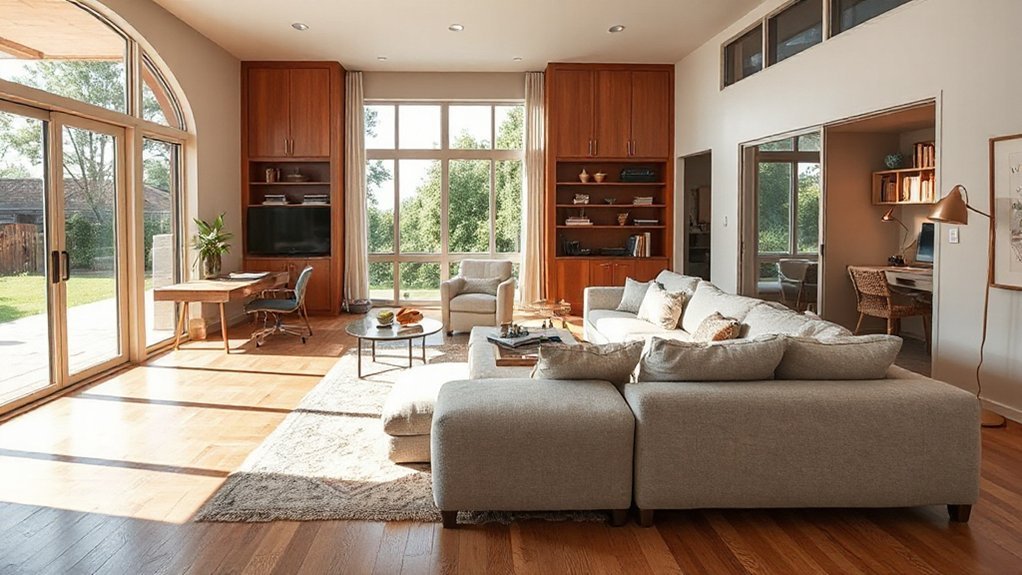
Flexible rooms aren’t just about movable walls—they’re about real-life adaptability. When you design flex spaces, you create multi purpose rooms that shift with your calendar, not the other way around. A home office can become a guest room in minutes, and a play corner can morph into a study nook as kids grow. Think adaptable spaces with smart, unobtrusive storage, built-in desks, and flexible millwork that tings to different uses without clutter. Prioritize daylight, acoustic privacy, and easy progressions between zones so you can switch tasks without friction. Consider a lightweight divider, fold-away furniture, or sliding panels to redefine space on demand. Your goal: maximize function while preserving style, so every square foot earns its keep.
Durable, Low-Maintenance Designs for Busy Homes
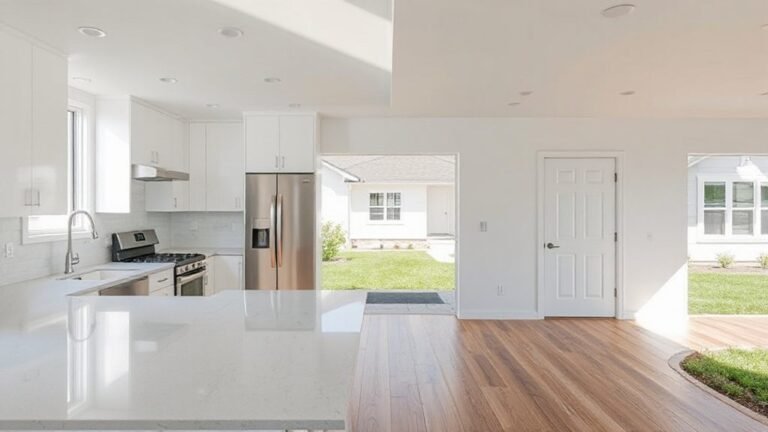
Durable, low-maintenance design isn’t about sacrificing style; it’s about choosing materials and layouts that keep up with busy lives. You’ll prioritize surfaces and fixtures that resist wear, spills, and fingerprints, so cleaning becomes a quick routine, not a weekend project. Think durable flooring, quartz countertops, and wide-open plan layouts that reduce clutter-junkie corners. You’ll value systems that work in harmony: efficient storage, smart appliances, and resilient finishes that age gracefully. Eco friendly materials can blend sustainability with practicality, letting you breathe easy without complicating upkeep. Seek maintenance free finishes in high-traffic zones to cut touch-ups and repaint cycles. In short, you design for everyday life: resilient, easy to refresh, and never fussy, so your home stays ready for whatever comes next.
How to Choose a Modern Family Home: A Practical Buyer Checklist
Choosing a modern family home starts with a clear, practical checklist you can trust. You’ll assess layout, durability, and future-proofing, so you don’t buy on impulse. Prioritize spaces that support daily life and gatherings, then weigh interior decor and home aesthetics against real needs. Look for flexible rooms, daylight, and soundproofing to keep noise manageable. Budget for updates without delaying the move, and verify structural safety, energy efficiency, and accessible design for all ages.
- Evaluate layout and flow for family routines and future changes
- Check construction quality, maintenance needs, and energy performance
- Prioritize flexible spaces, natural light, and noise control
- Align interior decor and home aesthetics with long-term value and style
Frequently Asked Questions
How Important Is Natural Light for Family Spaces?
Natural light matters a lot for family spaces. You’ll love sunlit rooms for mood and focus, with brightening benefits that help spaces feel larger, cleaner, and welcoming, supporting daily activities, homework, and relaxed gatherings.
What Storage Solutions Best Fit Growing Families?
You’ll love creative closet organization and multi functional furniture, because they scale with your growing family. Think modular shelves, under-bed bins, and desk-turned-dining surfaces—clever storage keeps chaos calm and every space feeling ready for tomorrow.
Are Hypoallergenic Materials Worth the Cost?
Yes, hypoallergenic materials are worth it if you value allergy prevention and long-lasting material durability; they reduce irritants, keep surfaces cleaner, and justify the cost when you plan a practical, trend-aware family home for years.
How Can Soundproofing Improve Family Harmony at Home?
Soundproofing can boost family harmony by reducing noise, improving sleep, and preserving privacy; in fact, studies show 70% of households report better mood with consistent quiet. You’ll enjoy noise reduction and privacy enhancement throughout your home.
What Safety Features Are Essential for Kids?
You should prioritize essential safety: install child proof locks and guarantee window safety, keeping cabinets and outlets secured. You’ll minimize risks by anchoring heavy furniture, using cordless blinds, and teaching kids smart, vigilant routines for everyday protection.
Conclusion
A modern family home isn’t just where you live—it’s where life unfolds. Think of a well-designed layout like a well-tuned orchestra, each space hitting the right note for everyday routines. A family with two kids traded cramped mornings for a breezy flow and smart shades that cut energy on hot days, saving hundreds a year. Your dream plan should balance adaptable rooms, durable finishes, and safe, low-maintenance landscaping—so comfort grows with your family, not your to-do list.
About the Author