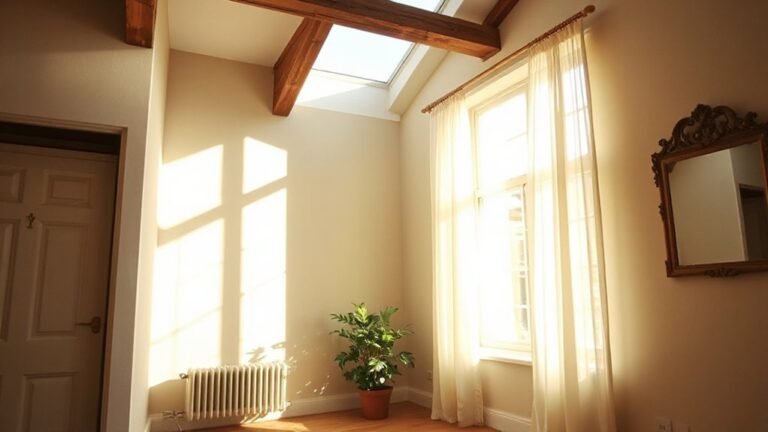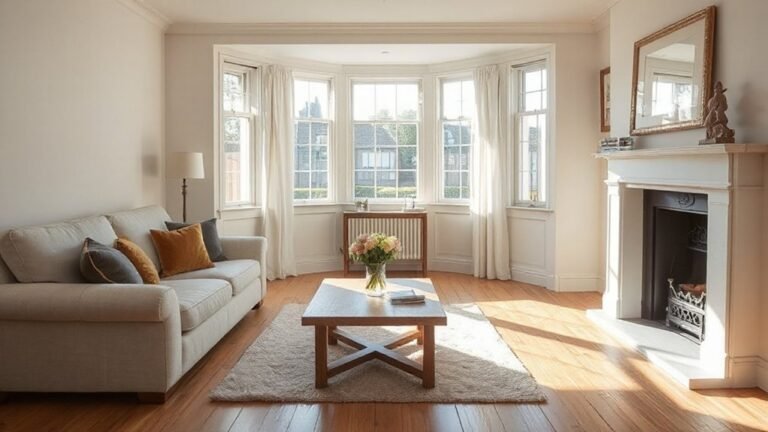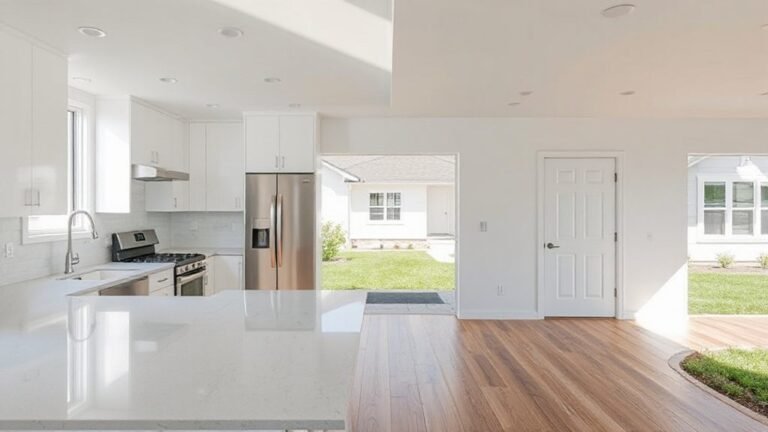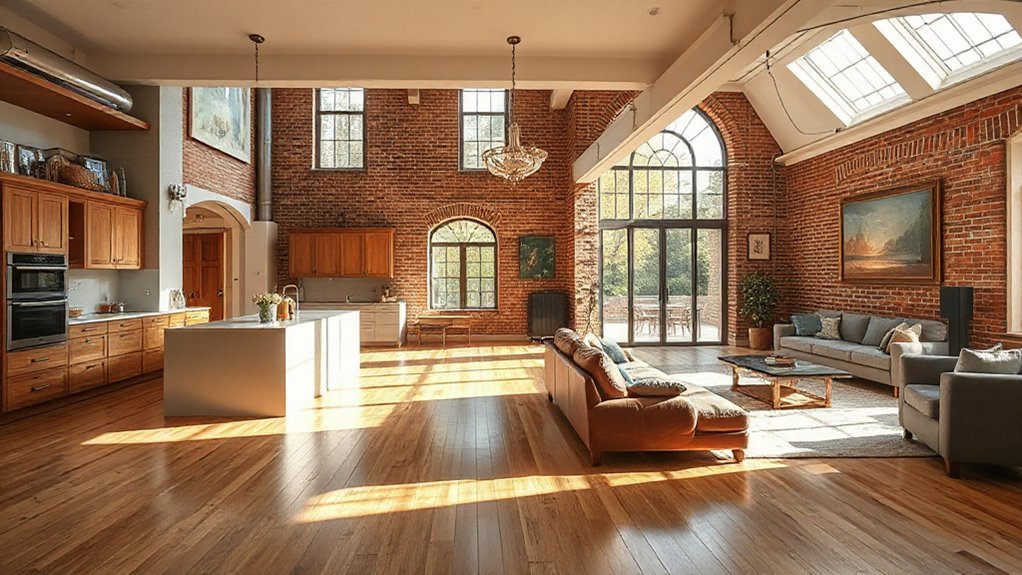
Does open-plan living really sell better in the UK, or do traditional layouts that prioritize privacy still hold sway in certain markets? You’ll weigh openness, light, and social flow against acoustics and defined zones, using regional and property-type nuance to guide decisions. With budget, timing, and trade-offs in play, a strategic approach can reveal where each layout earns its keep and where it falls short. The next step is to map these signals to your target buyers.
How Open-Plan vs Traditional Layouts Sell in UK Homes
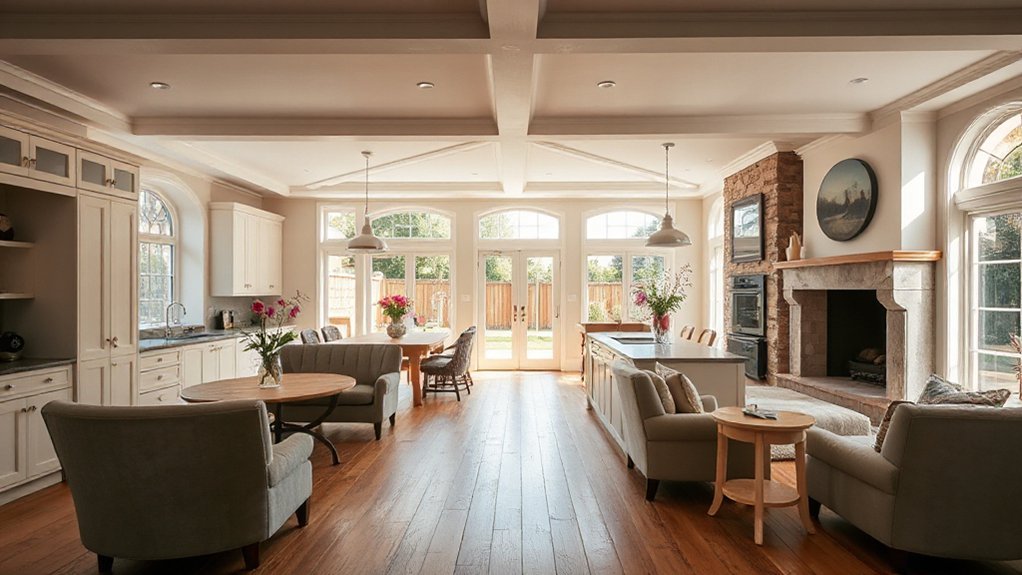
Open-plan layouts tend to sell on the appeal of flow and light, but buyers weigh this against practical trade-offs such as acoustics and furnishings. You assess how interior aesthetics influence perceived space, noting that seamless sightlines can enhance perceived size yet amplify noise transfer if soft surfaces aren’t prioritized. Evidence suggests that buyers value flexible zones for cooking, dining, and living; however, they also scrutinize furniture placement for function and traffic. In kitchens and lounges, the rhythm created by evenly distributed activity zones supports usable square footage and visual coherence. You should emphasize durable finishes and scale-aware furnishings to preserve harmony without clutter. A measured presentation of layout options, supported by data on occupancy patterns, strengthens credibility in your argument.
What UK Buyers Value: Openness, Light, and Social Flow
Among UK buyers, openness, light, and social flow top the list of value drivers because they shape everyday experience as well as perceived space. You’ll recognize how these factors guide layout decisions, from room connectivity to natural illumination, influencing perceived scale and usability. Evidence points to enhanced comfort, multifunctional use, and social cohesion as core benefits of open layouts. 1) Furniture arrangement becomes central to traffic flow and focal points. 2) Interior aesthetics hinge on light balance, material warmth, and cohesive palette. 3) Zoning without barriers supports flexible living, enabling meals, work, and entertaining. 4) Daylight optimization correlates with mood, productivity, and perceived quality. Prioritize sightlines, proportional spacing, and adaptable furnishings to maximize value.
Privacy and Acoustics: Where They Matter Most by Region and Property Type
Privacy and acoustics become most significant where regional norms, building typologies, and floor plans concentrate activity and noise. You’ll see regional variations: in dense urban areas, open plans clash with street noise, elevating the need for sound insulation and robust partitioning. In suburban and rural regions, privacy demands align with multi-bedroom configurations and quieter common areas, reducing attenuation requirements but increasing visual privacy needs. By property type, does a compact flat demand different treatment than a spacious single-family home? Yes—sound insulation between rooms and floor-ceiling assemblies matters more in flats; visual privacy is essential in open-plan layouts where sightlines cross private zones. Design guidance centers on layered sound control, strategic zoning, and discreet, private alcoves that support calm, contained living.
Budget, Timing, and Trade-Offs: Which Layout Delivers the Best Price

Balancing budget, timeline, and trade-offs is key when choosing a layout, because upfront costs, long-term operating expenses, and construction complexity all scale differently with spatial arrangement. You’ll evaluate short vs. long-term value by cost analysis, not just sticker price, and weigh design flexibility against rigidity of space planning. The open-plan often reduces framing and walls, cutting early costs, but may raise long-term HVAC or acoustics expenses. Conversely, traditional layouts can incur higher initial build but yield predictable maintenance and flexible room use. Consider these points:
1) Initial build costs and ongoing energy use
2) Schedule risk and potential delays
3) Long-term resale value and tenant appeal
4) Adaptability for future requirements and life-cycle costs
A Practical Playbook for Developers, Agents, and Homeowners
A practical playbook for developers, agents, and homeowners starts with a clear decision framework: define project goals, understand market constraints, and align design choices with long-term value. You assess market segments, unit mix, and price thresholds to judge feasibility before detailing floor plans. Use evidence from comparable UK schemes to calibrate interior aesthetics and avoid over-design that harms resale. Design flexibility matters: opt for adaptable partitions, scalable services, and neutral palettes that support evolving consumer preferences. Prioritize daylight, acoustic zoning, and storage to boost perceived quality without escalating costs. quantify trade-offs with scenario testing—open-plan aspirations versus traditional containment—and document decision points. This disciplined approach yields measurable outcomes: quicker selling times, higher appraisal consistency, and stronger investor confidence.
Frequently Asked Questions
How Do Open-Plan Layouts Affect Energy Efficiency in UK Homes?
Open-plan layouts can boost energy consumption if not zoned, but improve heating efficiency when you optimize insulation, airtightness, and daytime shading; you’ll reduce energy consumption overall by leveraging thermal mass and targeted heating strategies.
Do Buyers Prefer Open Kitchens Over Separate Dining Spaces?
You know the mood swings of kitchens, right? You prefer open kitchens for social flow, yet you crave design flexibility and privacy concerns. Evidence shows buyers lean toward open layouts when spaces feel adaptable and thoughtfully separated.
Which UK Regions Value Acoustics Most in Open Plans?
You value open-plan acoustics most in the North and Midlands, driven by noisy family life. Soundproofing techniques and Regional acoustic preferences show these areas prioritize wall and floor isolation, ceiling treatments, and zoning, improving usability and perceived quality.
How Does Furniture Layout Impact Perceived Space and Value?
Anecdotally, I’ve seen space feel larger when furniture arrangement creates clear sightlines, similar to a well-composed photograph. You’ll boost perceived space and value with deliberate layout, improving interior aesthetics and guiding flow through purposeful placements.
What Role Do Low-Cost Partitioning Options Play in Sale Price?
Low-cost partitioning can boost sale price by delivering cost effective solutions and flexible spaces you can adapt; partitioning benefits include privacy and defined zones, while maintaining openness. You’ll gain perceived value through efficient space planning and design-focused evidence.
Conclusion
You’ll see the tale repeat: buyers chase openness, light, and social flow—yet prize privacy where acoustics matter. Think of markets as living palettes: open plans win in metro-esque zones and newer builds; traditional layouts hold sway where quiet, function, and room separation are prized. The evidence points to a pragmatic trade-off: align layout choices with target buyer and regional norms, then finesse with finishes, timing, and cost. In short, design smart, price right, and persuade with purpose.
About the Author