Period window restoration isn’t about replacing history, but about honoring it while you improve performance. You’ll weigh authentic craftsmanship and reversible fixes against the allure of double glazing’s comfort, all without tucking away the building’s character. The choice isn’t trivial, and the decision hinges on how you balance preservation ethics with modern needs. Consider whether your priorities lean toward fidelity or efficiency, and what compromises you’re willing to live with as you move forward.
How to Decide: Restoration vs Double Glazing for Historic Homes
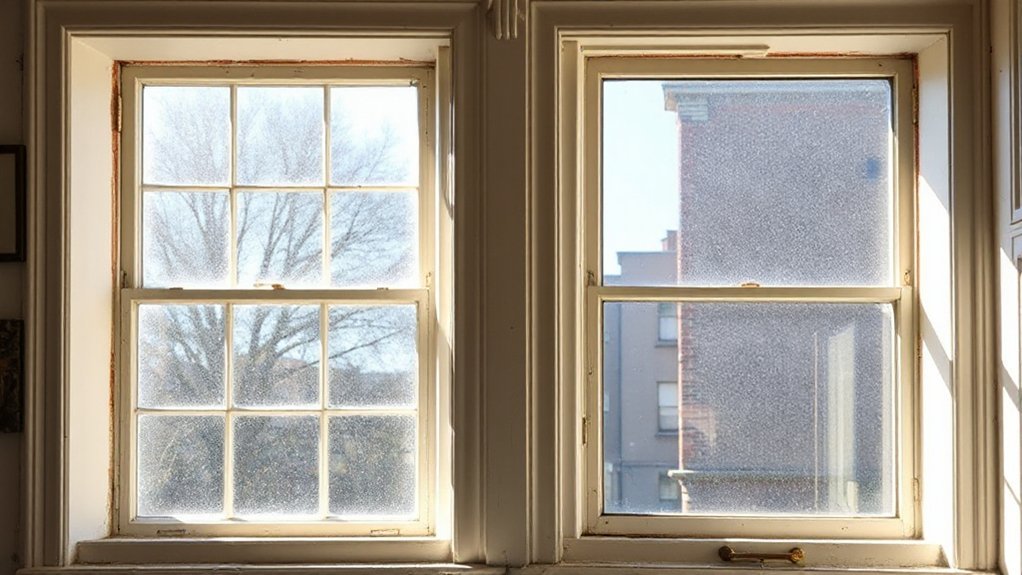
When deciding between restoration and double glazing for a historic home, start by evaluating the building’s architectural integrity, fabric, and historic significance. You weigh how original materials, joinery, and glazing patterns contribute to authenticity, and you assess whether repairs can meet current performance without erasing its character. Consider the expected lifespan and durability of materials, noting that historical techniques often offer durable, repairable elements when properly maintained. Material durability informs whether fragile panes, sashes, or muntins can be restored to their former precision or will require replacement with appropriate, non-intrusive methods. Balance energy performance against conservation priorities, knowing that preservation aims to retain provenance. If restoration preserves key details and longevity, it may outlast cosmetic modernization; otherwise, double glazing with sensitivity to proportion and profile becomes justifiable. Historical significance guides the final choice.
Core Benefits of Restoring Period Windows
Restoring period windows delivers tangible benefits rooted in authenticity, durability, and long-term performance. You’ll retain historical accuracy, while modern demands meet carefully executed preservation practice. With proper window maintenance, panes, sashes, and frames stay aligned, reducing drafts and energy waste without sacrificing character. The result is a more stable, breathable envelope that ages gracefully, reflecting the building’s original craft and social history.
- You safeguard architectural integrity through faithful materials and techniques.
- You maintain authentic aesthetics, preserving proportions, muntins, and profiles.
- You minimize long-term costs by delaying full replacement cycles.
- You enable precise control over ventilation, climate, and comfort.
When Double Glazing Makes Sense for Historic Homes
For historic homes, you weigh Historic Window Limits against modern needs, recognizing that original fabrication, framing thickness, and sash balance constrain glazing options. You’ll compare Energy Performance Metrics to a building’s climate and occupancy patterns, ensuring any improvement aligns with long-term durability and comfort without compromising fabric. Aesthetic Compatibility Considerations guide you toward treatments that preserve sightlines, profiles, and historic character while meeting contemporary efficiency goals.
Historic Window Limits
Historic windows aren’t a blank slate you can treat like a modern install; they have limits. You’ll balance intent with authenticity, aiming for precise outcomes rather than quick concealment. When double glazing makes sense, it respects historical accuracy and material preservation.
1) You assess sash operation, ensuring hardware remains functional and visible features stay intact.
2) You weigh glazing choices against original muntins and glass thickness to avoid anachronisms.
3) You prioritize reversible interventions, so future restorers can revert without damage.
4) You document decisions, linking outcomes to era-specific context and architectural integrity.
Your goal is to protect period character while improving performance, recognizing that compromise endures only when it preserves true historical value.
Energy Performance Metrics
Energy performance metrics help you judge when double glazing is appropriate for a historic home. You assess U-values, solar heat gain, and long-term thermal mass impacts without sacrificing authenticity. Prioritize constructions that minimize invasive alterations while sustaining original fabric. Historical accuracy guides you to favor products with slim profiles, compatible glazing beads, and authentic spacer types that resemble early methods. Evaluate air leakage and condensation risks in relation to historic sash operation, weatherstripping, and ventilated cavities. Consider durability of materials if frames are timber or period-aligned metals, ensuring coatings and finishes resist decay. Balance energy gains against potential detriments to historical value, ensuring any retrofit respects the building’s heritage narrative. Material durability and historical accuracy anchor decisions, preventing cosmetic concessions that undermine preservation goals.
Aesthetic Compatibility Considerations
When double glazing makes sense for historic homes, the primary test is aesthetic compatibility with the building’s lineage. You assess proportion, profile, and the glass’s visual weight against original sash era cues, prioritizing color and texture that respectHistorical accuracy.
- Color matching: confirm sash glazing and muntin hues mirror the historic palette, avoiding stark modern tints.
- Profile fidelity: choose frame and bead dimensions that resemble period profiles to preserve silhouette.
- Glass behavior: prefer true barrel- or cylinder-pane appearances over overly flat modern sheets.
- Detail integrity: retain weather-stripping, stops, and joinery aesthetics so new units disappear within the historic record.
How Restoration and Glazing Affect Aesthetics, Light, and Curb Appeal
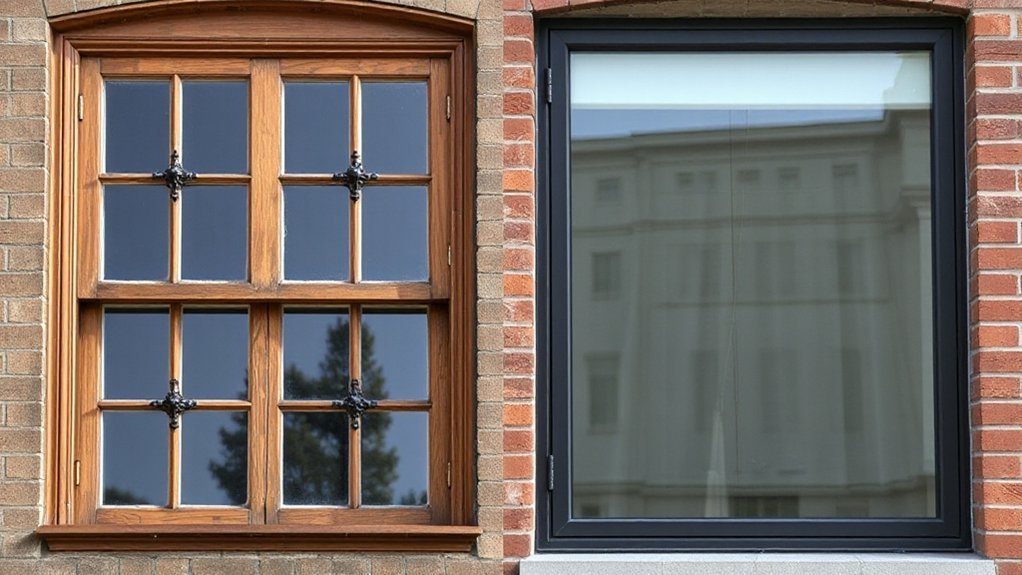
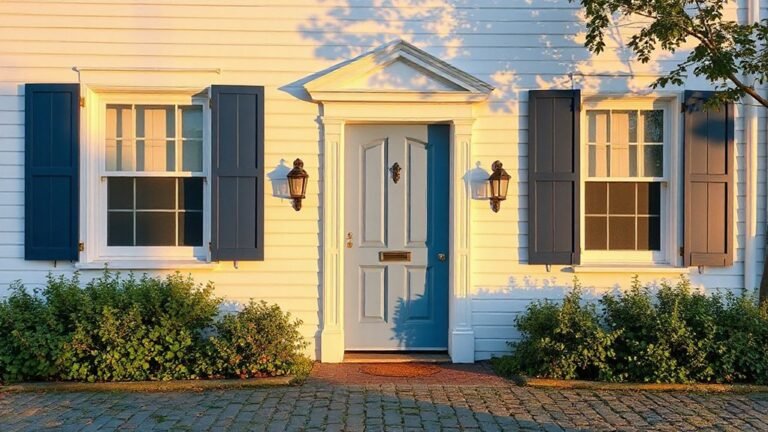
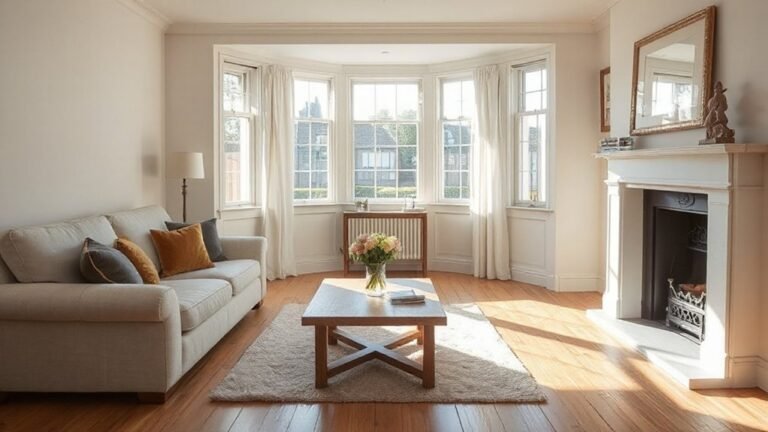
Restoration and glazing choices directly shape a building’s appearance, letting authentic details shine while gently rejuvenating its face. You evaluate how period glazing preserves the character of muntins, sash profiles, and decorative detailing, avoiding anachronistic substitutions that dull historic cues. Light quality matters: restored draughts and properly sized glazing can reveal original interior silhouettes without excessive glare, enhancing a façade’s rhythm and depth. Glazing choices influence curb appeal by framing ornament—cornices, keystones, and trim—in ways that read as faithful rather than faddish. Material durability matters too: durable sash materials and compatible finishes resist weathering while preserving texture and patina. By balancing light transmission, visibility, and authentic detailing, you maintain architectural honesty and a coherent streetscape narrative.
Costs and Long-Term Value: Restoration vs Replacement
Costs and long-term value hinge on more than upfront price. When you weigh restoration against replacement, consider how each choice preserves or alters historical authenticity and material durability over decades.
- Restoration often sustains original fabrication methods, reducing future maintenance.
- Replacement can introduce modern materials that improve efficiency but may loosen historical context.
- Repaired components preserve intricate joinery, lowering lifecycle costs if done by skilled craftspeople.
- Retrofit options balance energy gains with the risk of eroding authentic stylistic details.
Your decision shapes long-term worth by durability, performance, and fidelity to period character. With careful selection, restoration can maximize value while honoring tradition; replacement might boost short-term comfort but test your building’s historical integrity and resale narrative.
Planning Rules and Building Integrity: Permissions and Compliance
Planning permissions and building-code compliance frame every restoration or replacement decision, guaranteeing work respects historic fabric while meeting current safety and occupancy standards. You’ll navigate local planning authorities, conservation officers, and listed-building protections with a clear, evidence-based approach. Begin by documenting original materials, construction methods, and historical significance to establish historical authenticity within permitted parameters. Assess whether proposed changes alter character-defining features, and seek design approvals that permit sympathetic alternatives when needed. Preservation challenges arise from aging substrates, hidden mortars, and sashes, so specify minimally invasive techniques and reversible interventions where possible. Maintain rigorous quality controls, accurate records, and precise workmanship to protect structural integrity and aesthetic intent. By aligning regulatory requirements with preservation ethics, you ensure durable restoration that honors the building’s lineage while serving present-day needs.
Performance Matters: Energy Efficiency, Noise, and Drafts
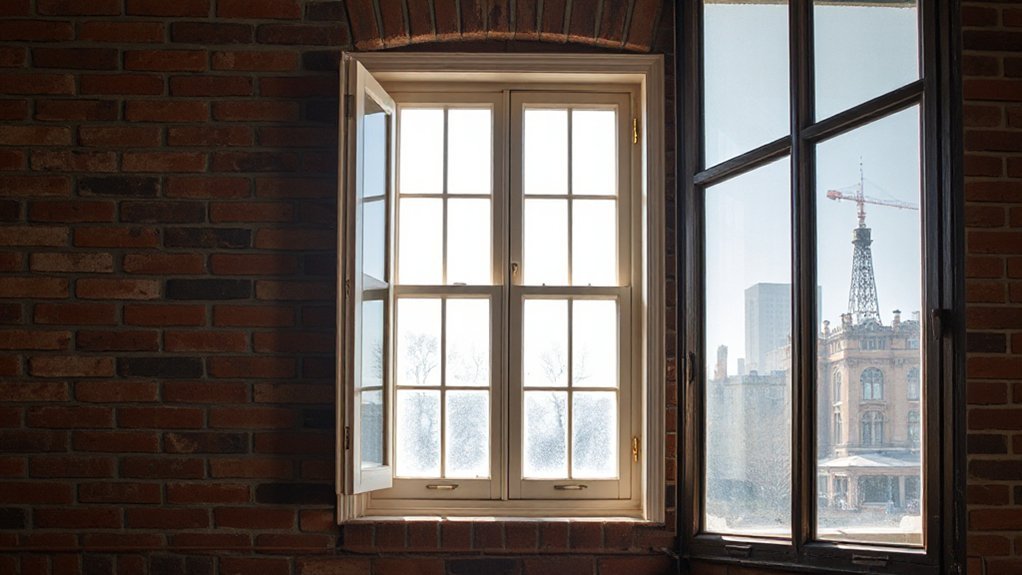
Even with period-appropriate materials and methods, energy performance, acoustic comfort, and draft control must be integral to any restoration plan. You’ll balance historical accuracy with modern thresholds, recognizing that historical fidelity does not preclude efficiency or quiet interiors. Material durability guides choices, ensuring long-term performance without compromising heritage.
- Prioritize sash methods that minimize heat loss without betraying era details.
- Seek passive gains—weatherstripping and sealants aligned with period practices.
- Assess external noise paths and deploy targeted, reversible remedies.
- Quantify improvements to demonstrate measurable comfort and value.
You’ll measure success by reduced drafts, steadier temperatures, and lower external intrusion, all while honoring the building’s character.
Installation Realities: Frames, Sashes, and Compatibility
Frames, sashes, and compatibility now define the practical backbone of a period restoration. You assess original frame geometry, timbers, and joinery to judge whether historic integrity remains intact or needs careful reinforcement. Frame durability guides decisions about material replacement, shutter alignment, and weather-seal behavior, ensuring long-term performance without compromising era-specific details. You evaluate sash design as a core factor: weight, balance, and pulley systems shape operation and authenticity, so you choose restoration methods that honor historic craft while improving usability. Compatibility matters for any glazing retrofit; you consider casing profiles, glass thickness, and sash weights to prevent binding or outward distortion. Precision in these measurements preserves proportions, preserves surface finishes, and sustains the building’s visual cadence during future maintenance and glazing choices.
A Practical Decision Guide: Matching Your Priorities to the Right Option
When choosing between period window restoration and double glazing, weigh your priorities against the building’s historic integrity, performance needs, and long-term maintenance. You’ll decide with historical accuracy in mind, balancing material durability against aesthetic fidelity. To guide you, consider these priorities:
- Historical accuracy: preserve original profiles, glazing patterns, and mortise-and-tenon joints.
- Material durability: expect long‑term performance from appropriate timber or historically appropriate composites.
- Thermal performance: weigh authentic air leakage limits versus modern comfort targets.
- Maintenance burden: anticipate yearly care versus interval glazing system upkeep and replacement cycles.
Frequently Asked Questions
How Durable Are Restored Period Sashes Over Time?
Restored period sashes endure well if properly fitted and maintained, offering consistent performance. You’ll protect historical accuracy and material longevity by using authentic materials, careful joinery, and regular preservation, avoiding modern shortcuts that compromise durability and appearance.
Can Double Glazing Preserve Original Glass Textures?
You ask: can double glazing preserve original glass textures? Yes, if you plan with intent, you guard glass texture as you would a relic, balancing modern efficiency with historical authenticity, preserving material nuance while you narrate the house’s memory.
Do Restoration Options Affect Listed Status or Permits?
Yes, restoration options can affect listings and permits. You’ll weigh historical accuracy, regulatory requirements, and cost implications, ensuring workmanship respects period details while meeting preservation standards and securing necessary approvals.
Is Independent Sash Replacement Possible Without Full Restoration?
Independent sash replacement is possible in some cases, yes. You should know that about 30% of listed interiors permit non-invasive sash work. Sash removal may be feasible; Replacement feasibility hinges on frame condition and historical integrity.
What Maintenance Cycles Do Restored Windows Require?
Restored windows require annual inspections, lubrication, and gasket/putty upkeep, with longer intervals after climate adjustment. You’ll monitor moisture, paint, and sash alignment. Window frame materials influence maintenance cadence, while Restoration cost considerations dictate budgeting for durable, period-appropriate finishes.
Conclusion
You’ll weigh fidelity against comfort, choosing what best preserves the building’s story while serving daily life. Restoration keeps the original lines intact; double glazing adds warmth and quiet when done with care. Think of it like restoring a painting: you don’t repaint, you retouch. In one survey, homes that paired authentic storm glazing with careful repair saw energy gains comparable to replacement—without sacrificing history. Your decision should honor craft, context, and lasting usability.
About the Author