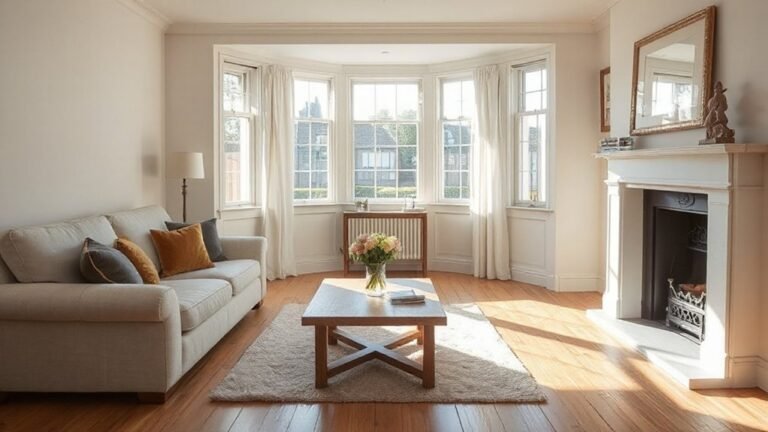
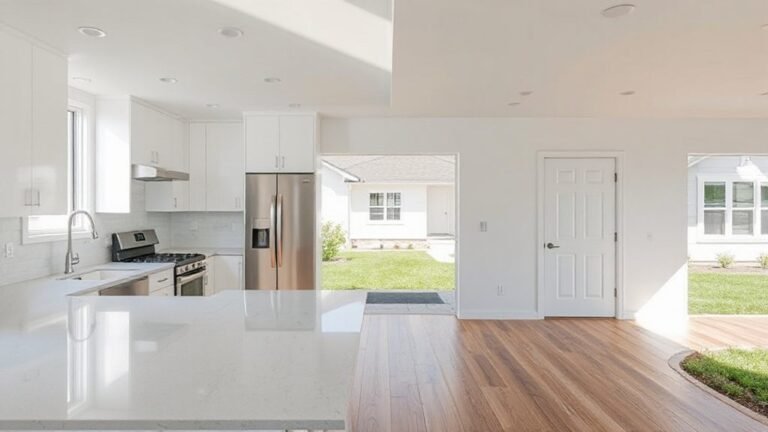
While it’s fair to say neither option is a slam dunk for every property, you’ll want to weigh how a rear extension boosts total floor area and curb appeal against a loft conversion’s cost efficiency and use of existing space. The decision hinges on your lot size, target market, and investment goals, and the right choice can set the direction for timing, budgeting, and design—so let’s examine how each path changes value in your specific context.
Decide Fast: Value, Costs, and Timelines for Extensions vs Loft Conversions
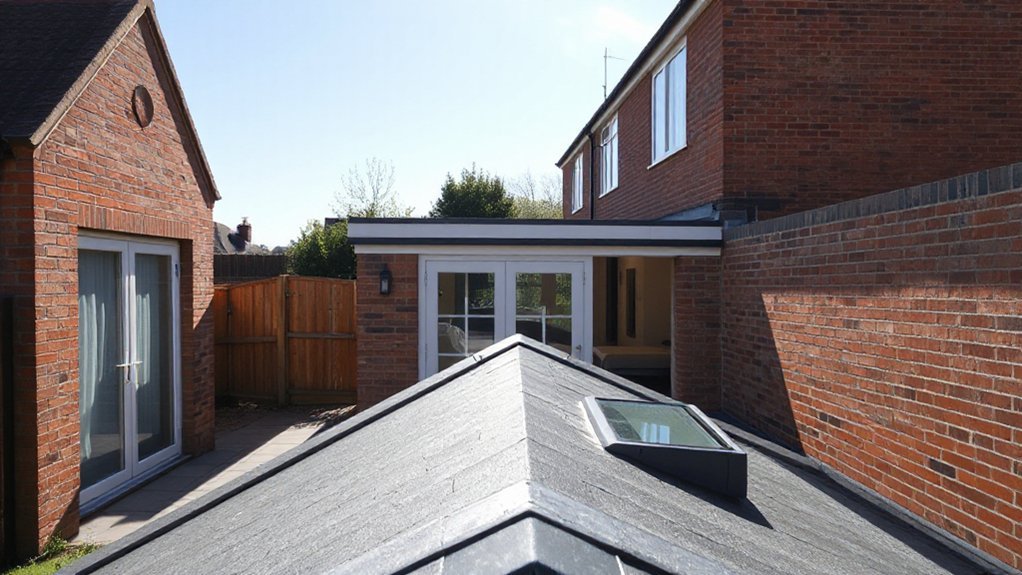
Deciding between a rear extension and a loft conversion hinges on value, costs, and timelines. You’ll compare upfront trade-offs: floor area gained, disruption duration, and permit requirements, then translate those into total project budgets and schedules. For value, consider how each option interacts with your site’s constraints and future needs, as well as practical limits on headroom, access, and layout efficiency. Costs must account for structural engineering and foundation work, plus party-wall considerations, insulation, and fittings. Timelines depend on design complexity and approvals; lofts often move faster but can require careful waterproofing and fire safety planning. Garden landscaping or boundary work may influence final aesthetics and price, while structural engineering underpins safe load paths. Choose option with strongest, well-supported feasibility.
How Each Option Adds Value to Your Home
A rear extension typically boosts value through cost-efficient square footage, maximizing usable space without relocating services. Loft conversions often enhance market appeal by adding flexible, bright rooms that attract buyers seeking dormer-style light and improved layouts. Both options improve resale potential, but the gains hinge on build quality, adherence to planning rules, and how well the space meets current demand for function and flow.
Cost Efficiency Impact
When evaluating cost efficiency, both rear extensions and loft conversions should be measured by how they affect home value relative to total project cost, ongoing energy use, and potential resale appeal. You’ll compare upfront investment, expected lifetime energy bills, and marketability to buyers. A rear extension often demands higher initial spend but can add seamless square footage and improved curb appeal, influencing resale value more in family homes. A loft conversion typically costs less per square foot and minimizes disturbance, yet may require structural work and insulation upgrades that impact efficiency. Consider renovation challenges, such as planning permission, build quality, and integration with existing systems. Ultimately, the cost comparison hinges on long-term energy savings and consumer perception of added space.
Space Utilization Gains
Loft conversions typically maximize usable space with minimal disruption, converting attic height into functional rooms and preserving exterior lines. You gain square footage without expanding the footprint, which often translates to better flow for daily living. In regarding space utilization, lofts convert awkward nooks into usable rooms, improving functional yield per square foot and enabling distinct uses—bedrooms, home offices, or gym zones—without sacrificing outdoor space. Rear extensions add ground-level width, often creating open-plan kitchens or living areas that enhance interaction zones and natural light delivery, though they can constrain exterior lines and require careful planning. To optimize value, plan furniture placement to maintain clear circulation and avoid clutter. Implement storage solutions that maximize vertical and under-stair areas, reducing visible mess and preserving room feel.
Market Appeal Boost
Market appeal for these options hinges on how they translate to buyer value. You’ll see higher perceived worth when a project aligns with current buyer priorities, such as usable space, light, and flow. A rear extension often broadens living areas and kitchen adjacency, signaling practical daily benefits that buyers notice immediately. Loft conversions can create adaptable rooms that suit remote work or guest needs, though require careful integration with stair access and headroom. Evidence shows value is amplified when the design respects existing constraints and minimizes disruption, boosting market appeal rather than merely adding square footage. Historical architecture can enhance desirability by preserving character while introducing modern comfort; meanwhile, material sustainability reinforces long-term operating costs and resilience. Prioritize transparent finishes, durable systems, and energy efficiency to maximize appeal.
Budgeting for Rear Extensions and Loft Conversions
Budgeting for rear extensions and loft conversions requires a clear, evidence-based plan from the outset. You must quantify costs, timelines, and risk, then align them with your property’s value potential. Historical preservation and structural considerations drive budget choices; you can’t assume standard prices. Factor in design fees, planning, surveying, permits, and contingency reserves. Compare contractor bids using unit costs for materials, labor, and site constraints. Prioritize structural integrity, waterproofing, insulation, and ventilation to avoid costly retrofits later. Use a phased approach when feasible to test scope before committing. Track inflation for materials like steel, timber, and glazing. Monitor compliance with building codes, energy standards, and damp-proofing requirements. Include a realistic restoration or maintenance reserve in any rear extension or loft conversion estimate.
- Historical preservation
- Structural considerations
- Design fees and planning
- Contingency and risk
- Phased implementation
Practicality: Space Use by Room
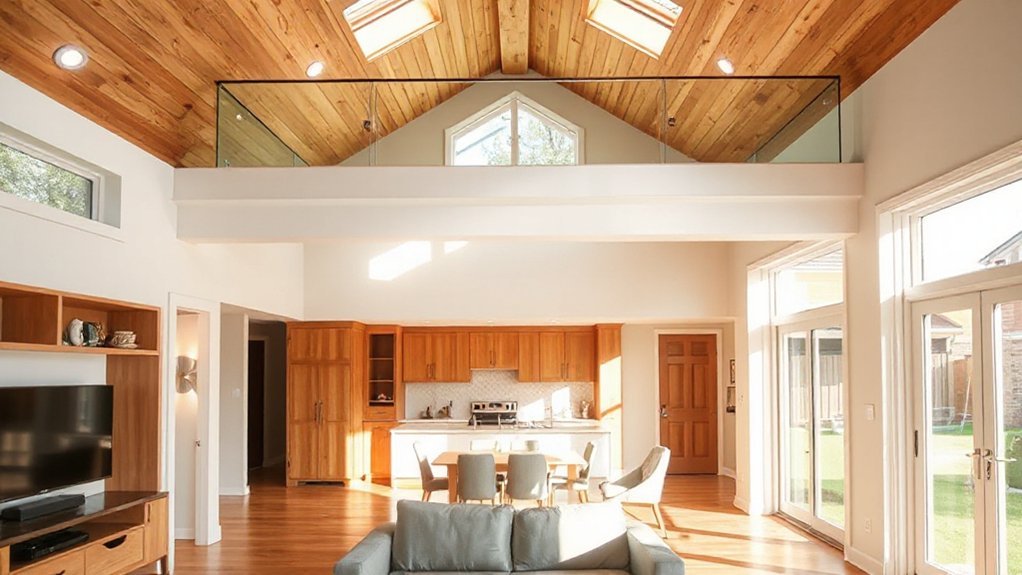
Effective space planning hinges on how each room will function within your rear extension or loft conversion. In practice, you’ll optimize layout by defining primary activities per space and selecting furniture that supports those tasks without crowding circulation. For bedrooms, position beds to maximize natural light and ensure bedside storage; consider built-in wardrobes to minimize footprint. In living areas, prioritize seating that faces focal points while preserving clear walkways, and choose multiuse furniture to reduce clutter. Kitchens benefit from a logical workflow: prep, cooking, and cleaning zones, with compact counters and integrated appliances to free floor space. Bathrooms should emphasize efficient fixtures and curvature-free access. Furniture arrangement and storage solutions together determine perceived space, influencing usability and value.
Planning Permissions for Extensions and Conversions
Securing planning permission is a critical first step in both rear extensions and loft conversions, and it starts long before you submit plans. You’ll need to understand local thresholds, permitted development rights, and whether you require full planning or a simple prior notification. Adhere to Building regulations from the outset, not as an afterthought, to avoid delays. Consider structural reinforcements early so plans reflect load-bearing changes, party-wall implications, and fire safety requirements. Gather surveys, engage a qualified architect, and anticipate potential conditions related to overlooking, size, and materials. Clear documentation speeds decisions and reduces revision cycles.
- Local authority planning routes and timelines
- Permitted development vs. full planning criteria
- Building regulations and compliance checkpoints
- Structural reinforcements and load considerations
- Party-wall and neighbors’ notification requirements
Resale Appeal by Neighborhood: When Extensions Win and When Conversions Do
Neighborhood resale value often hinges on whether a property’s extension or loft conversion enhances usable space and curb appeal without compromising scale or light. In many neighborhoods, extensions win where they add practical living area with seamless exterior massing and garden privacy, especially if landscaping buffers are thoughtful and materials match the home’s character. Conversions, by contrast, win when they preserve usable footprint and daylight while avoiding overbearing rooflines. Key factors are roofing materials choice, gutter alignment, and dormer design that minimize street-front impact. Evidence shows extensions tend to boost value in areas with larger lots and generous setbacks, whereas conversions perform well in compact markets where attic conversion preserves yard space. Aim for balanced proportion, consistent finish quality, and clear upgrades that buyers perceive as added livable area.
Design Essentials: Light, Layout, and Livability
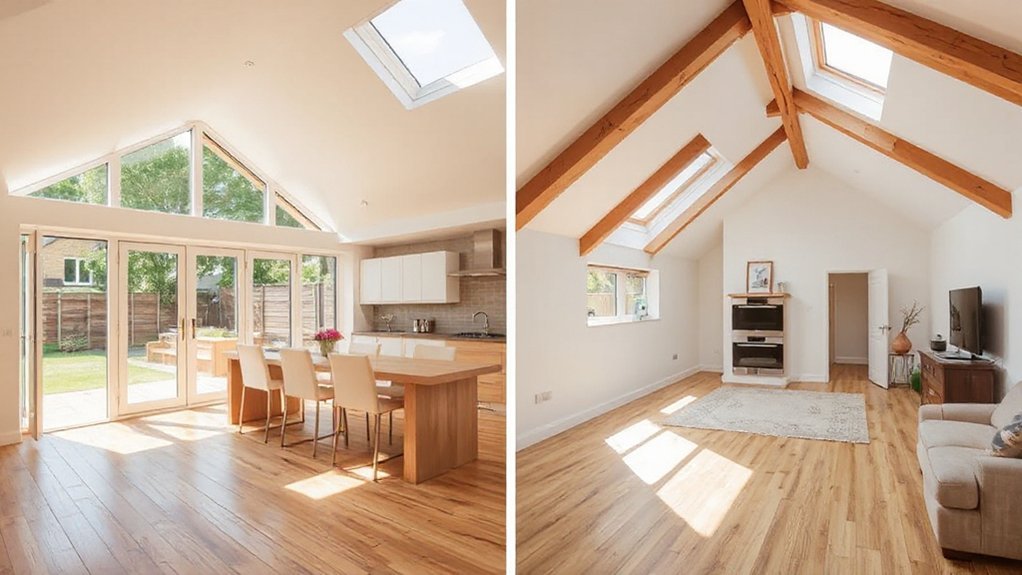
When you plan a rear extension or loft conversion, start with Light Zoning Basics to guarantee daylight is distributed without glare or heat gain. Then consider Flow and Circulation to create intuitive movement between new and existing spaces, prioritizing accessibility and sightlines. Finally, aim for Room Proportions Balance by tuning ceiling heights, window sizes, and spatial layout so each area feels comfortable and functionally aligned with your lifestyle.
Light Zoning Basics
Light zoning basics govern how daylight and artificial illumination define space, mood, and usability across a home addition like a rear extension or loft conversion. You should aim for natural lighting that minimizes glare and meets daily needs, while controlling privacy considerations through glazing and placement. Proper zoning informs where windows, skylights, and lamps provide functional layers without over lighting or dark corners.
- Daylight distribution patterns and glare control
- Window orientation and shading strategies
- Skylight placement for ceiling heights and circulation
- Task lighting vs ambient lighting balance
- Privacy-aware glazing and sightlines
This approach guarantees efficient energy use, improves perceived space, and supports livability. Evidence-based planning reduces post-construction alterations, preserving value and occupant comfort.
Flow and Circulation
Efficient flow and circulation are the backbone of any rear extension or loft conversion, ensuring occupants move through spaces with minimal friction and clear sightlines. You design pathways to minimize door clutter, align primary circulation with daylight routes, and avoid dead ends that trap foot traffic. Prioritize logical zoning so entry, kitchen, and living areas connect smoothly, with sightlines that reduce hesitation and missteps. Consider ceiling heights, stair location, and doorway widths to preserve continuous movement without creating bottlenecks. Natural lighting enhances perceived clarity, aiding orientation along corridors and atriums, while cross-ventilation sustains comfort in busy timeframes. Be mindful of privacy concerns when choosing open-plan layouts; balance openness with discrete zones to prevent uncomfortable visual connections between private rooms and public spaces.
Room Proportions Balance
Balancing room proportions is key to making a rear extension or loft conversion feel cohesive and livable. You assess scale, sightlines, and furniture footprint to preserve architectural harmony and guarantee structural integrity. Proper proportion improves light distribution, circulation, and usability, reducing clutter and wasted space. Consider ceiling height, window sizing, and pillar placement to maintain balance between new and existing volumes. Aim for a consistent rhythm across zones so passages feel intentional rather than abrupt.
- Ideal relationship between floor area, ceiling height, and doorway dimensions
- Matching window sizes and light spill to adjacent rooms
- Clear sightlines that minimize visual clutter and bias
- Seamless progressions from old to new materials
- Structural indicators (beams, columns) that reinforce harmony without overpowering
This approach yields livable space anchored by evidence-based design principles.
How to Decide: A Quick Framework for Your Path
Deciding between a rear extension and a loft conversion hinges on how you weigh space, cost, and disruption. Start with objectives: define required extra rooms, usable floor area, and futureproofing. Then assess constraints: existing structure, roof height, and site access. Use a decision framework: cost-per-square-meter, construction duration, and planned use. Compare long-term value drivers: resale impact, energy efficiency, and compliance with local codes. Prioritize materials and methods that support material sustainability without sacrificing durability, aligning with climate and maintenance expectations. Evaluate durability of construction approaches under expected loads and weather exposure; verify warranty coverage and contractor track records. Finally, quantify risk: potential delays, budget overruns, and disruption to daily life. Choose the path that optimizes value, reliability, and peace of mind.
Frequently Asked Questions
How Do Local Market Trends Affect the Value of Extensions Vs Lofts?
Market demand shifts valuation: extensions rise when neighborhoods favor additional living space, while loft conversions lag in value if headroom or permissions hinder. You’ll feel this in resale; zoning regulations constrain feasible outcomes and financing implications.
Which Option Adds More Usable Square Footage for Families?
Space: a rear extension typically adds more usable square footage than a loft conversion. You’ll gain level ground space for living and storage, supporting better interior design and storage solutions, especially for families needing flexible, organized rooms. Evidence supports it.
Do Extensions Impact Property Taxes Differently Than Loft Conversions?
Extensions can affect property taxes differently than loft conversions, depending on local assessments. You should check Property zoning and Building permits requirements, since these influence taxable value. You’ll likely face different valuation methods and permit statuses impacting tax bills.
How Do Ceiling Height and Natural Light Influence Value?
Ceiling height and natural light boost value by improving perceived space and usability. Higher ceilings and well-placed windows enhance ceiling aesthetics and light placement, supporting brighter interiors, faster appraisal, and stronger market appeal with evidence-backed impact.
Are There Long-Term Maintenance Costs Unique to Each Option?
Yes—both options incur long-term costs, mainly structural maintenance and inspections. You’ll face ongoing integral wear, with potential foundations or framing issues. Structural integrity must be monitored; guarantee Building permits are up-to-date to avoid future liabilities.
Conclusion
Conclusion (75 words):
So, you want value, speed, and a tidy resale bump? Sure, a rear extension screams “family-friendly square footage,” and a loft whispers “clever use of vertical real estate.” But the trick isn’t picking one—it’s pairing design with market reality. Get your numbers right, respect permissions, and don’t pretend every neighborhood rewards extra ground floor space the same way. If you design well and target the right buyer, either path, misused, becomes a costly reminder that space alone isn’t value—intent is.
About the Author