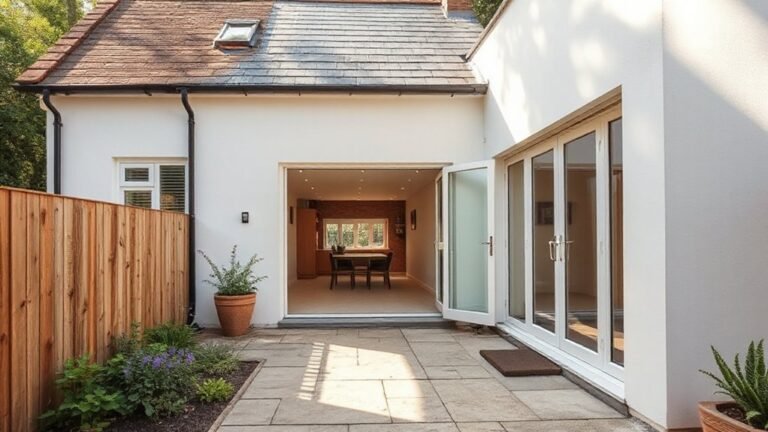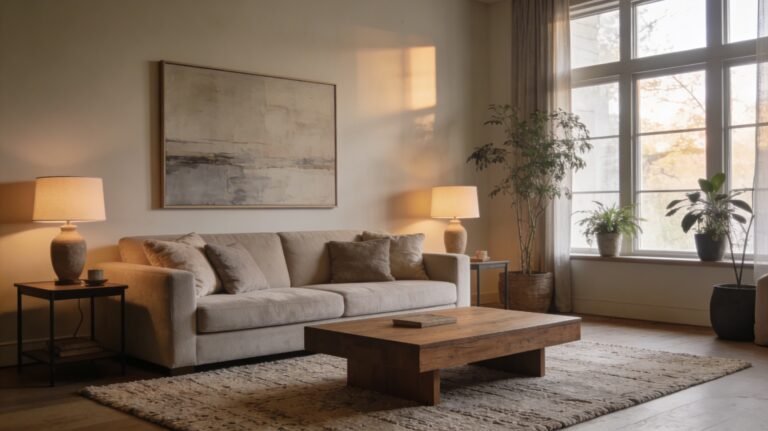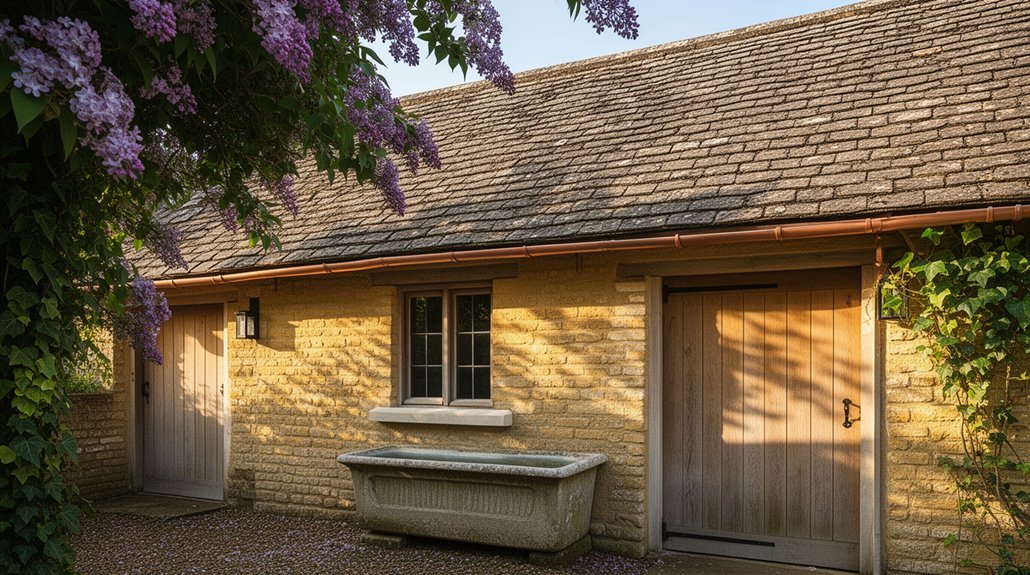
Restoring a historic coach house in Oxfordshire starts with clear goals and measurable outcomes, prioritizing living, working, and storage spaces while aligning with site constraints and local heritage rules. Assess historic value, plan for planning and conservation requirements, and map a realistic budget with contingencies. Create a phased restoration timeline, guarantee permits and safety compliance, and preserve original fabric—especially lime plaster, brickwork, and joinery. You’ll also establish a long‑term maintenance plan to safeguard character as you proceed. More details await.
Define Your Coach House Restoration Goals
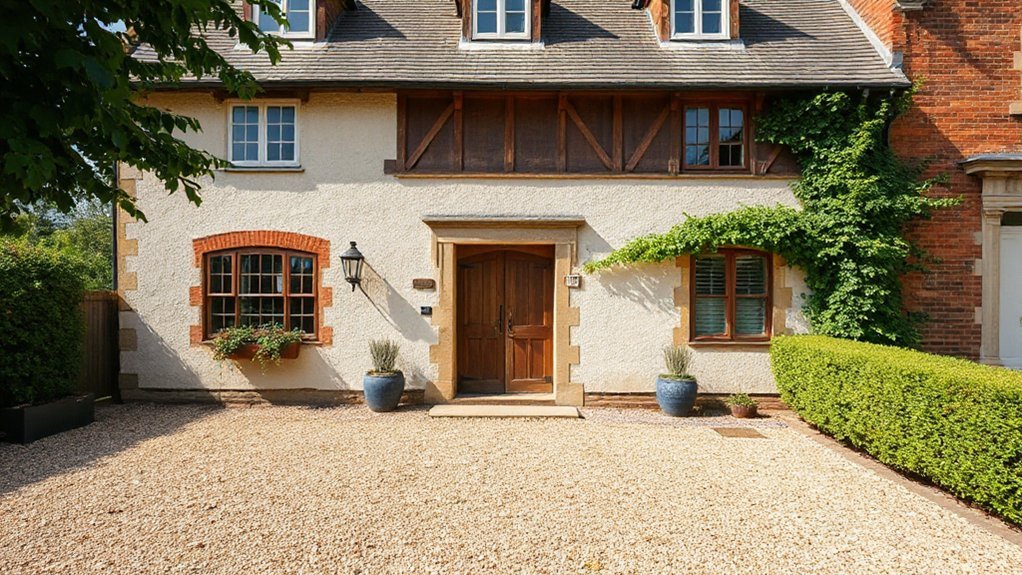
Before you begin work, define what success looks like for your coach house restoration. You’ll set clear, measurable goals that guide every decision.
Identify functional priorities first: living space, workspace, storage, and circulation. Translate these into specific outcomes, such as square footage targets, ceiling heights, and window replacements, while preserving character.
Map budget to milestones, allocating contingency for unexpected findings.
Align design intentions with site constraints and local guidelines, ensuring feasibility before sourcing materials.
Consider garden landscaping to complement the structure and create cohesive access, drainage, and outdoor rooms.
Plan interior lighting to enhance safety, atmosphere, and color rendering, specifying lumen levels by zone.
Document decision criteria, review them regularly, and adjust as discoveries unfold. This disciplined approach maintains focus and drives consistent progress.
Assess Historic Value and Local Significance
Evaluating historic value and local significance grounds your project in context and guides respect for heritage. You assess the building’s historic architecture, its place in the town’s evolution, and the stories its walls convey.
You identify original features, construction techniques, and materials that define period style, distinguishing them from later alterations. You consult archives, surveys, and local authority records to determine designation, significance, and potential protective status.
You evaluate the coach house’s role within the wider estate, and its relationship to surrounding streetscapes and land uses. You map potential impacts of restoration on Local heritage, prioritizing preservation of character, integrity, and legibility over cosmetic changes.
You document findings to inform design decisions, risk management, and stakeholder engagement.
Understand Oxfordshire Planning and Heritage Rules
Understanding the planning framework and heritage safeguards in Oxfordshire is your next step after evaluating historic value. You’ll navigate local planning policies, conservation area stipulations, and listed-building protections that shape alterations.
Start by confirming the building’s listing status and any scheduled monuments nearby. Then, align proposals with County Council and district planning guidance.
Evaluate permitted development rights and potential need for listed-building consent, ensuring changes respect architectural integrity.
Garden landscaping and exterior treatments must avoid compromising historic character, while any interior work should preserve original features where feasible.
Develop a concise impact assessment that identifies sensitive elements, documents existing conditions, and proposes reversible, evidence-based interventions.
Engage early with conservation officers, provide clear drawings, and maintain a transparent approval trail to streamline approvals.
Set a Realistic Budget and Identify Funding

Setting a realistic budget and identifying funding sources is essential to keep the project on track and avoid delays. You should establish a detailed cost baseline, separating hard costs (materials, labor, structural work) from soft costs (permissions, surveys, insurance).
Compile contingency funds, typically 10–15%, for unforeseen issues in historic work. Prioritize essential renovations first, sequencing purchases to align cash flow with milestones.
Identify funding options early: grants for heritage restoration, loans with favorable terms, and potential private sponsorship. Track expenditures monthly using clear categories and variance reporting.
When planning landscape gardening and interior lighting, estimate impact on ongoing costs and maintenance. Validate figures with professional estimates and value engineering, and document approvals to prevent scope creep.
Maintain transparency with stakeholders to secure timely support.
Create a Restoration Timeline With Milestones
To create a restoration timeline with clear milestones, start by mapping the project’s scope into logical phases: assessment, design, approvals, procurement, construction, and completion.
You then break each phase into specific, measurable tasks with assigned owners and dates, guaranteeing dependencies are explicit. Establish baseline duration estimates, monitor progress weekly, and update the schedule to reflect changes in scope or resource availability.
Integrate Historic landscaping considerations early, aligning site work with structural and drainage fixes to avoid rework. Schedule critical path activities around permits and inspections to prevent delays.
Reserve contingency buffers for weather, supplier lead times, and design refinements. Track milestones visibly, review variances, and communicate shifts to stakeholders promptly.
Include decorative ironwork milestones to ensure design intent and craftsmanship quality are maintained. Finalize a concise, actionable timeline for execution.
Source Authentic Materials and Master Craftsmen
Securing authentic materials and master craftsmen is the backbone of preserving the coach house’s character. You assess period-appropriate timber, lime plaster, brickwork, and roof tiles to match original textures and aging.
Prioritize suppliers with provenance, certifications, and traceable batch records, guaranteeing materials carry documentary authenticity.
You compile a shortlist of artisans known for artisanal craftsmanship who can reproduce traditional joints, carving, and surface finishes without compromising structural integrity.
Establish clear specifications: dimensions, tolerances, acceptable substitutions, and finish treatments that age naturally.
You verify references, inspect completed work on site, and require method statements detailing耐 fire performance, curing times, and environmental controls.
You document decisions for future stewardship, preserving historical integrity while enabling durable, high-quality reconstruction.
Regular reviews ensure consistency with the coach house’s historic narrative.
Balance Heritage Features With Modern Comforts
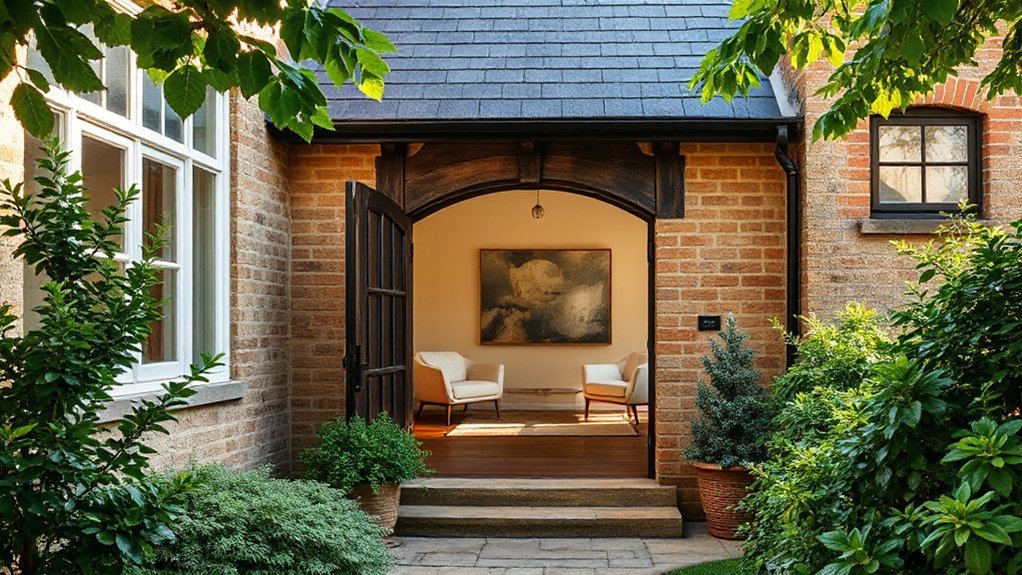
Balancing heritage features with modern comforts requires a disciplined approach: preserve defining architectural elements while integrating upgrades that enhance livability without erasing the building’s character. You identify core moments—timber framing, masonry, original doors—and shield them from intrusive changes.
You then introduce modern technology judiciously, selecting discreet systems that support comfort and efficiency without dominating spaces. Prioritize climate control, energy efficiency, and reliable power with minimal visual impact.
When planning landscaping design, guarantee that site work reinforces heritage proportions, sightlines, and approach aesthetics while providing durable circulation and outdoor living.
Document all amendments for future restoration clarity. Coordinate with craftsmen to match finishes, hardware, and textures to historical standards.
Maintain a tight boundary between contemporary utilities and authentic surfaces, ensuring the coach house remains legible as a heritage asset.
Structural Assessment: Foundations, Walls, and Roof
How sound are the house’s foundations, walls, and roof? You begin with a focused structural assessment, documenting dimensions, materials, and condition.
Foundations are checked for settlement, subsoil stability, and cracks, with load paths traced to ensure upright alignment.
Walls are surveyed for masonry integrity, mortar decay, and hidden voids, using non-destructive techniques to map damp and salt efflorescence.
The roof is evaluated for timber integrity, slate or tile condition, and flashing continuity, identifying leaks and wind uplift risks.
Throughout, you note historical anecdotes embedded in construction methods, informing preservation decisions without compromising structure.
Engage local artisans to verify joinery quality and regional brickwork patterns.
Compile a succinct report, prioritizing unsafe elements, repair feasibility, and minimal impact on character.
Improve Energy Efficiency Without Diminishing Character
From the structural assessment, you now approach energy efficiency with a focus on preserving the house’s historic fabric. You pursue upgrades that respect fabric and appearance, not altering silhouettes or decorative details.
Prioritize high-performance, discreet measures: improved insulation at attics and ceilings, airtight junctions at doors and windows, and low-profile, thermally efficient glazing that mirrors historical muntin patterns.
Consider passive strategies such as solar shading from historic garden boundaries and landscape integration to reduce heat gain without visible interventions.
Select materials compatible with existing lime plaster and brickwork, ensuring moisture movement remains unimpeded.
Upgrade heating with modern, compact systems that suit quiet, low-profile installation.
Document decisions for Historic gardens and landscape integration to maintain character while lowering running costs.
Damp, Settling, and Moisture Management
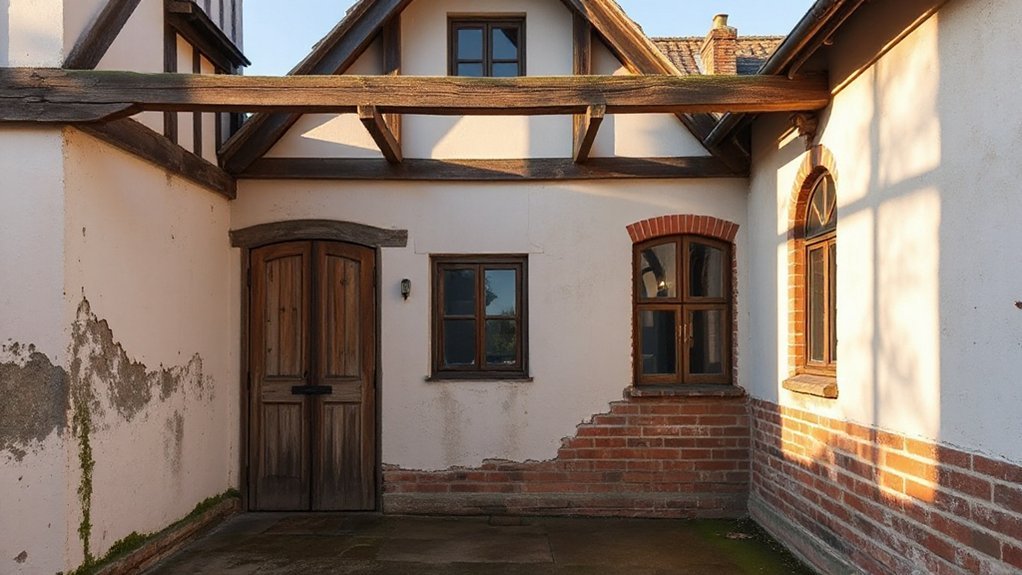
You’ll start by identifying moisture sources across the coach house and documenting how each one affects interior conditions.
We’ll outline damp-proofing strategies that respect historic fabric while addressing circulating moisture and capillary rise.
Finally, we’ll assess settlement impacts and propose targeted measures to mitigate movement without compromising character.
Moisture Sources Identified
Moisture in the coach house arises from three primary sources: damp from exterior moisture ingress, settling and thermal movement that create microcracks, and moisture management challenges that arise from historic construction practices.
You assess each pathway with precision, linking historical renovation realities to current performance, and you frame remedies around targeted, evidence-based steps. The goal is to preserve character while improving dryness, durability, and landscape integration.
- Exterior moisture ingress pathways and controlling factors
- Structural movement implications for junctions and finishes
- Historic construction practices that shape modern moisture management
These insights guide your work, ensuring a measured, risk-aware approach. You prioritize durability, retain architectural details, and align moisture strategies with landscape integration.
Damp-Proofing Strategies
Damp-proofing in the coach house hinges on three aligned strategies: mitigating exterior moisture ingress, accommodating settling and thermal movement, and refining moisture management rooted in historic construction practices.
You implement targeted drainage and grading, guarantee effective guttering, and seal any early masonry joints to limit water intrusion.
Interior strategies focus on controlled ventilation, minimizing condensation, and selecting breathable coatings compatible with original fabric.
You monitor humidity levels, adjust interior lighting to avoid heat hotspots, and employ discreet garden landscaping to divert water away from foundations.
Where timbers show signs of moisture, you treat with appropriate inhibitors and maintain good airflow behind walls.
Regular inspections guide timely interventions, preserving structural integrity without compromising aesthetics or historic character.
Settlement Impact Mitigation
Settlement impacts require a proactive approach that blends monitoring, adaptive detailing, and restrained intervention. You’ll assess soil movement, moisture regimes, and historic fabric responses to guarantee loads, joints, and finishes remain stable over time.
Implement a program of continuous monitoring to detect subsidence trends and moisture changes before they threaten structure.
Use precise detailing to accommodate movement, with flexible mortar joints, compatible infill, and breathable, non-retentive openings.
Coordinate landscape design to minimize water ingress around foundations and control surface runoff.
Engage the community early: present findings, gather feedback, and align mitigations with local expectations.
Collaboration across stakeholders enhances acceptance and maintenance.
- Integrate monitoring with adaptive detailing
- Align landscape design with moisture control
- Foster ongoing community engagement
Reimagine Layouts for Modern Use
You can reimagine the coach house by designing flexible spaces that adapt to your needs as they evolve. Consider multi-use room concepts that blend living, work, and guest areas without sacrificing flow or charm.
Prioritize accessibility and clear circulation to guarantee every function integrates smoothly with the historic fabric.
Flexible Space Planning
How can a flexible layout transform a historic coach house into a versatile modern space? You tailor spaces to scale, flow, and function, preserving character while enabling contemporary living. Start with a modular framework: sliding partitions, multipurpose alcoves, and perforated screens that respond to daily needs without sacrificing historic detail.
Optimize sightlines and natural light to enhance interior lighting, supporting safe navigation and energy efficiency. Integrate landscape design considerations at thresholds to extend indoors outward, blurring boundaries when appropriate.
Carefully assign zones for work, rest, and socializing, and maintain predictable circulation to reduce clutter. Your plan should evolve with occupants and events, not impede them.
- Modular partitions and versatile alcoves
- Unified lighting and window strategy
- Seasonal shifts and outdoor access
Multi-Use Room Concepts
Seating should be compact yet adaptable, with convertibles and mobile accents that support conversations, presentations, or quiet reading. Integrate historic furniture as focal anchors, ensuring compatibility with modern hardware while preserving character.
Lighting layers—ambient, task, and accent—shape mood across configurations. Landscape design elements visible from interior thresholds extend the sense of flow, guiding movement between zones.
Plan power, data, and acoustic zoning upfront to minimize disruption during shifts. Maintain proportional scales to honor the coach house’s heritage while meeting contemporary needs.
Flow And Accessibility
To reimagine layouts for modern use, prioritize flow and accessibility as the backbone of every choice. You’ll map spaces by user paths, minimizing steps between key zones and ensuring clear sightlines from ingress to exits. Circulation should feel intuitive, with door placements oriented to natural movement, not architectural tradition alone.
Garden landscaping integrates with indoor transitions, creating seamless exterior-to-interior moments that extend usable hours and accessibility. Interior lighting becomes functional, layered, and scalable, supporting tasks while preserving historic ambience.
Consider thresholds that don’t trap or confuse, and ensure surfaces meet accessibility standards without sacrificing character. Plan lighting zones that adapt to activities, preservation constraints, and seasonal changes.
- Define primary routes and transitions
- Align exterior paths with interior access points
- Integrate adaptive lighting and garden interfaces
Preserve Woodworking and Carpentry Details
Preserving woodworking and carpentry details requires a careful, methodical approach that respects the house’s history while ensuring future stability. You assess original joinery, matching profiles, mouldings, and finishes with archival evidence and existing specimens. Document every piece before any intervention, then prioritize reversible repairs and non-destructive methods.
You stabilize frames, replace rotten members with compatible timber, and treat wood for decay without altering patina. Scrutinize nails, screws, and dowels, replacing ferrules in kind and aligning with traditional joinery.
You restore doors, windows, and cabinetry using historically accurate finishes, avoiding modern coatings that obscure grain. You integrate woodworking insights with Gardening aesthetics and Landscape design, ensuring exterior carpentry supports sightlines and vegetation without compromising structural integrity.
Precision, restraint, and thorough recording guide every decision.
Stonework, Mortar, and Wall-Care Best Practices
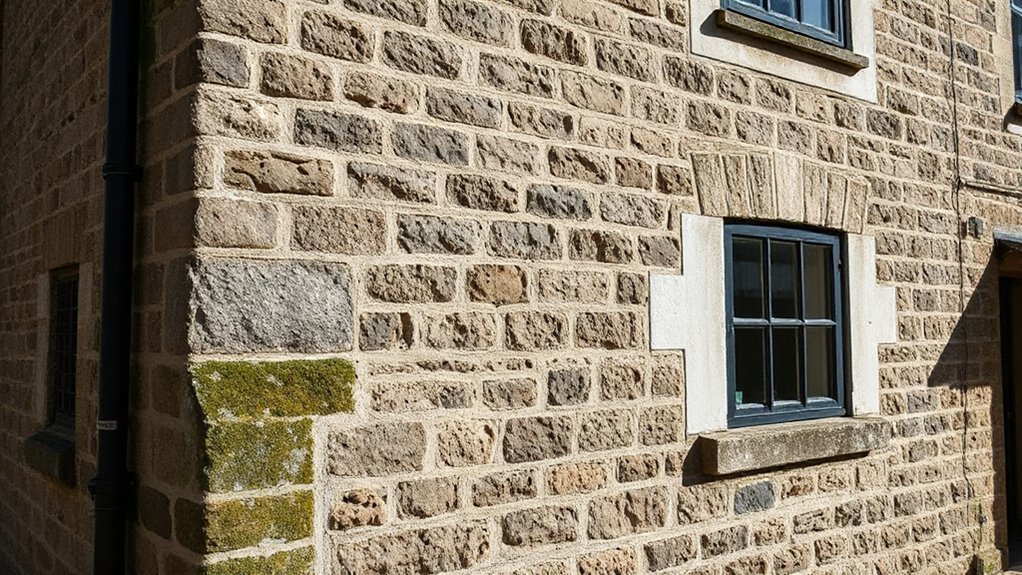
You’ll start with Lime Mortar Mastery to guarantee compatibility with historic stonework and weathering.
Next, apply Stone Repair Techniques that respect original textures while preventing further decay.
This section sets clear, actionable standards for wall-care decisions that sustain the coach house’s historic integrity.
Lime Mortar Mastery
- Verify lime-putty composition matches local historic specimens.
- Calibrate aggregate grading for correct strength and porosity.
- Monitor moisture, curing, and environmental conditions during set.
These steps reinforce lime mortar mastery as a core pillar of historic preservation and skilled stonework.
Stone Repair Techniques
For stonework, match bed joints, tooling, and weathering resistance to minimize repeating damage. Mortar work emphasizes consolidation and breathability, avoiding rigid mixes that cause cracking.
Wall-care practices focus on drainage, repointing, and surface cleaning that preserves texture without eroding carvings. When addressing cracks, you probe for structural movement and assign load paths, restoring stability with sound anchors and compatible lime products.
In decorative features, you preserve medieval motifs and decorative carvings by careful removal of failed material and precise re carving, ensuring readability and historic authenticity.
Roofing Upgrades: Tiles, Insulation, and Longevity
Roofing upgrades focus on durable tiles, improved insulation, and long-term longevity. You’ll evaluate tile profiles for historic accuracy, weight, and weather resistance, while guaranteeing breathable underlay and proper ventilation to deter moisture.
Insulation choices should balance historic fabric with modern efficiency, favoring mineral wool or heritage-style loft insulation that fits discreetly within roof spaces.
Longevity hinges on robust fasteners, frost resistance, and a maintenance plan that anticipates guttering and moss control.
Consider how vintage lighting and garden design influence exterior appeal, and guarantee roofline integration with surrounding landscape.
- Tile selection and underlay compatibility
- Insulation strategy and ventilation details
- Maintenance cycle and material longevity expectations
Windows and Doors: Restoration vs Replacement
When you decide between restoration and replacement, you weigh preservation of original frames against practical gains in efficiency and aesthetics.
Restoration protects historic character and often preserves value, while replacement can enhance energy performance and long-term durability.
Your approach should balance authenticity with performance, aiming to preserve the integrity of the house while meeting modern comfort standards.
Restoration vs Replacement
Deciding between restoration and replacement for windows and doors hinges on preserving character while ensuring safety, security, and energy efficiency. You’ll weigh historical accuracy against modern performance, prioritizing materials, workmanship, and long-term costs.
Restoration may protect original detailing and patina, while replacement can deliver improved insulation and reliability with discreet, period-appropriate options.
Consider impact on daylight, ventilation, and the overall visual rhythm of the façade, then align choices with maintenance realities and local planning guidelines.
1) Assess structural condition and potential for reversible work.
2) Compare thermal performance, glazing options, and hardware compatibility.
3) Plan for Modern lighting and Landscape integration to maintain curb appeal.
Preservation Of Frames
Restoration favors repair of sash cords, reinsertion of injured muntins, and careful re-glazing with period-appropriate glass, preserving the original character. Replacement is reserved for structural failure or irreversible loss, ensuring any new components mirror historical profiles and allow future reversibility.
You document every decision, noting why a repair outperforms a replacement, and how fasteners and finishes protect longevity. Integrating Digital documentation and plan reviews supports traceability.
In contemporary sites, plan for Modern landscaping around openings to sustain airflow and moisture control without compromising historic frames.
Efficiency And Aesthetics
1) Rehabilitate original frames where feasible, preserving mullions and sightlines to maintain authenticity and reduce embodied energy.
2) Select bespoke, weather-tight replicas or certified low-impact replacements that match profiles and scale, optimizing performance without erasing character.
3) Integrate site-conscious glazing strategies and shading, aligning with seasonal light changes to support interior daylighting and exterior landscape views.
Exterior Grounds: Courtyard, Pathways, and Boundaries
The exterior grounds are defined by a sheltered courtyard, well-ordered pathways, and clearly demarcated boundaries that together establish the site’s historic character. You assess layout by function: courtyard for respite, paths for circulation, boundaries for enclosure.
Preserve original sightlines while ensuring accessibility, with materials that echo but don’t mimic historic palette. Garden sculptures provide focal points, positioned to avoid obstructing movement and to complement surrounding architecture.
Seating arrangements must invite contemplation without compromising circulation or sightlines, using durable, low-maintenance materials. Path gradients stay gentle, surface textures consistent with era, and drainage remains discreet yet effective.
Boundaries are reinforced with boundary walls or hedges that respect scale and proportion. Document changes, maintain clarity of historic character, and prevent modern intrusions from eroding the overall accessibility and rhythm.
Interior Finishes: Plaster, Paint, and Historical Palettes
Inside, focus on plaster, paint, and historical palettes as a coherent system that defines the interior’s character. You’ll balance plaster texture with painted surfaces to reveal era-influenced finishes, ensuring durability and authenticity.
Paint choices should reflect period palettes while accommodating modern lighting needs, including subtle progressions that complement garden landscaping views and interior lighting schemes.
Precision in detailing—corners, archways, and plaster joints—maintains structural integrity and a clean aesthetic that reads as historic yet livable. Use color fields to guide movement through rooms, not overwhelm them.
- Map plaster textures to corresponding paint finishes to preserve tactility.
- Align color selections with natural light shifts and garden landscaping cues.
- Calibrate interior lighting to enhance palette depth and material warmth.
Permits, Access, and Safety Compliance
Before any work begins, verify all permits and approvals required for restoring a historic coach house in Oxfordshire, including listed-building consents, planning permissions, and any conservation-area constraints. Obtain documented authorization from the relevant authorities and preserve a clear trail of approvals for inspections and future maintenance.
You’ll coordinate with planning officers, conservation officers, and building control to confirm timelines, conditions, and compliance milestones.
Establish site access protocols, including contractor inductions, temporary barriers, and utility clearances, to minimise risk during demolition, material handling, and new-build tasks.
Maintain focus on garden landscaping integration and interior decoration considerations, ensuring that access routes, materials storage, and safety signage don’t compromise historic fabric.
Document deviations, enforce safety plans, and schedule regular audits aligned with regulatory requirements.
Engaging the Community: Storytelling Through Space
From the moment restoration permits are secured, you can harness the project as a platform for community storytelling. You shape the experience by aligning space, narratives, and public eyes, creating a purposeful dialogue rather than a passive exhibit. Focused planning guarantees every interaction reinforces the project’s goals and local identity.
Your approach centers on clear messaging, inclusive access, and measurable outcomes, sustaining momentum through tangible moments of engagement. By foregrounding storytelling themes, you invite residents to contribute memories, legends, and perspectives that enrich preservation.
This isn’t decoration; it’s a collaborative process that builds trust and pride.
- Community tours aligned with heritage milestones
- Resident-led oral history sessions and exhibits
- Space curations highlighting local narratives and landmarks
A Long-Term Maintenance Plan to Preserve Character
You’ll establish long-term care strategies that prioritize preserving the coach house’s historic character.
A clear preservation maintenance plan aligns routine upkeep with documented material and architectural standards.
This discussion should set concrete actions, schedules, and responsibilities to sustain authenticity over time.
Long-Term Care Strategies
Proactive, long-term care is essential to preserve the coach house’s character, so you should establish a clearly defined maintenance plan that spans at least two decades. You implement disciplined scheduling, resource tracking, and phased interventions to minimize deterioration and preserve architectural integrity. Focus on responsive repairs, proactive safeguarding of materials, and routine inspections that detect early defects before they escalate.
Tie care decisions to climate resilience while respecting historic fabric. Integrate gardening tips and wildlife conservation in landscape planning to support biodiversity without compromising the structure. Prioritize documentation, transparent budgeting, and stakeholder communication to guarantee continuity across caretakers.
- Develop a 20-year phased calendar with milestones and budget envelopes.
- Establish a materials library and condition-monitoring protocol.
- Align garden and habitat work with maintenance priorities while avoiding invasive practices.
Preservation Maintenance Planning
Your plan prioritizes historic integrity, guiding routine inspections, defect diagnosis, and prioritized interventions. You document materials, craftsmanship, and construction methods to guarantee compatible repairs that minimize irreversible changes.
You establish triggers for maintenance actions based on measurable conditions, not calendar dates, reducing reactive costs. You integrate garden landscaping considerations so plant choices, soil conditions, and drainage support foundation health and boundary character.
Interior lighting plans emphasize period-appropriate fixtures, wiring safety, and energy efficiency without compromising aesthetics. Your plan includes risk assessment, contingency options, and regular review cycles to sustain the coach house’s historic voice.
Frequently Asked Questions
How Will You Prioritize Heritage Versus Modern Comforts?
You prioritize heritage preservation first, then balance with modern amenities. You assess essential upgrades that respect original fabric, using unobtrusive systems and durable materials, ensuring today’s comforts don’t override historical integrity. You justify choices with clear, evidence-based design criteria.
What Unexpected Costs Might Arise During Restoration?
Unexpected costs can arise from hidden structural issues, latent defects, and compliance needs. You’ll encounter permit delays, material price shocks, and unforeseen drainage or wiring fixes. Modern technology integration and landscaping design may trigger additional, previously unbudgeted, installations.
Who Handles Permissions for Historic Property Alterations?
You handle permissions for historic alterations through your local planning authority, considering architectural significance and planning regulations. Satire aside, you must submit approvals, outline any implications, and secure consents before commencing work, ensuring compliance and documented decisions.
How Will Energy Upgrades Affect Historic Fabric Longevity?
Energy efficiency boosts long-term durability by reducing moisture and thermal stress, while sustainable materials minimize ongoing degradation; you’ll protect historic fabric longevity when upgrades are thoughtfully designed, installed, and monitored, balancing performance with conservation principles and site-specific conditions.
What Long-Term Maintenance Routines Protect Both Structure and Charm?
You implement long-term maintenance by scheduling regular inspections, cleaning gutters, and monitoring damp; you prioritize Modern insulation and Structural reinforcement during seasonal checks, address cracks promptly, preserve timber, and document changes to maintain historic charm alongside durability.
Conclusion
You’ve mapped a clear path: goals, standards, budgets, and a realistic timeline. As you restore the coach house, you’ll balance authenticity with modern safety, guided by local heritage rules. One striking stat helps pacing: Oxfordshire has over 400 listed buildings, emphasizing why every plaster finish and palette choice matters. Stay disciplined with permits, milestones, and community storytelling, then implement a long-term maintenance plan to preserve character for generations. Your disciplined approach turns history into a living, usable space.
About the Author