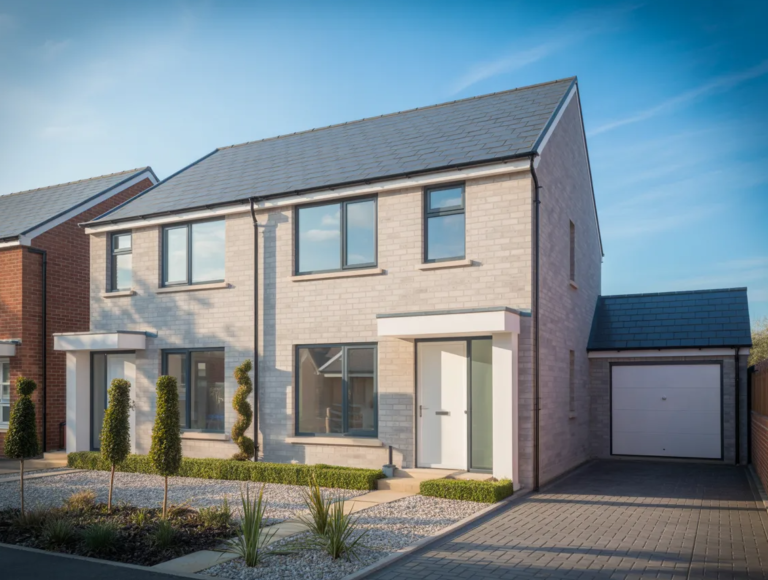
Southampton’s market isn’t exploding, but it’s quietly solid, with buyer demand supported by affordability relative to peers and a resilient local economy. You’ll see prices edging up where transport links, schools, and lifestyle amenities cluster, with overseas and regional buyers keeping activity steady. If you’re weighing options, tighter supply could push prices higher in core areas, so a proactive approach—pre-approvals, budget clarity, and market monitoring—may release opportunities before momentum shifts. Interested in which districts show the strongest signals.
What’s Driving Southampton’s Buyer Demand in 2026

Demand for Southampton homes in 2026 is propelled by affordability relative to broader southern markets, robust local economy, and supply constraints that keep prices rising despite higher mortgage rates. You’ll notice demand driven by price-positioning versus peers, with value signals guiding buyer intent across segments.
Luxury apartments attract investors and first-time buyers seeking modern amenities with lower maintenance, while historic properties lure premium buyers seeking character and growth potential through district revitalization. Data show steady cross-market migration into the city core and university-anchored activity sustaining volume, even as financing tightens.
You’ll see developers prioritizing efficient layouts, energy performance, and concierge services to convert interest into transactions. Looking ahead, price momentum remains supported by limited stock and ongoing amenity enhancements.
How Transport Links Shape Southampton Property Interest
You’ll see demand rise where transport access improves, as proximity to key routes translates into faster commutes and broader buyer pools.
Rail connectivity remains a focal point, with investors tracking service frequency and station upgrades to gauge potential interest and price momentum.
Transit links are driving value by shrinking time-to-work and expanding catchment areas, setting a data-driven path for future price trajectories.
Transport Access And Demand
Transport access is a key driver of Southampton’s property interest, with commuter rail links, motorways, and the port corridor shaping where buyers and investors focus their attention. You’ll notice how transit proximity correlates with price momentum and occupancy rates, especially near key nodes and hubs.
The data show historical property fluctuations in catchment areas align with service improvements, while demand shifts toward efficient, multi-modal corridors. Demographic shifts—younger professionals and repeat buyers seeking affordability near rapid routes—drive price resilience even in slower cycles.
Forward-looking indicators point to ongoing capacity upgrades, station refurbishments, and smarter zoning that align amenities with commuting patterns. In practice, you’ll evaluate neighborhoods by access speed, timetable reliability, and modal diversity to forecast value trajectories.
Rail Connectivity And Interest
Rail links are a primary magnet for Southampton’s property interest, with proximity to key stations and reliable timetables driving faster value realization. You’ll notice rail connectivity predicts shorter time-to-equity in listings, as commuters chase dependable routes into central business districts.
Data show higher bid activity around stations with frequent peak services, translating to sharper price momentum and tighter spreads between asking prices and sold prices. You benefit from a diversified catchment of buyers, including investors seeking steady rental yields and owner-occupiers prioritizing predictable commute times.
Historical architecture nearby adds character premium, while Local amenities, such as shops and cultural venues, support sustained demand.
Looking ahead, planned timetable enhancements and station upgrades should extend this attractor effect, reinforcing Southampton’s growing appeal for value-conscious buyers and long-term capital retention.
Transit Links Driving Value
Transit links are a clear driver of value in Southampton, with proximity to frequent services translating to faster equity realization for buyers and investors alike. You’ll notice that proximity to rapid transit and reliable bus routes correlates with price acceleration across multiple neighborhoods.
Data indicate higher transaction velocities near major stations and preferential access to employment clusters, education hubs, and leisure corridors. Marina development plans, combined with improved connectivity, are expected to elevate waterfront demand and premium pricing in the coming years.
Historic neighborhoods show resilient price growth when linked to upgrades in coastal roads and ferry timetables, underscoring a value moat for early entrants. Forward-looking indicators suggest ongoing gains as transport upgrades reduce commute times and expand catchment areas for buyers seeking diversified returns.
The University Effect on Housing Demand in Southampton
University student demand is shaping rental yields and year-on-year occupancy in Southampton, with demand peaking near campuses.
Proximity to campuses drives upticks in rents and faster absorption of new units, while graduate migration trends suggest a longer-term lift in higher-end demand.
We’ll quantify these patterns, track shifts in student cohorts, and translate them into actionable housing supply and pricing outlooks.
University Student Demand
What drives housing demand in Southampton is the university’s student intake and timetable, which create predictable peaks in occupancy and rents. You’ll see year‑round pressure tied to term starts, exam periods, and shorter breaks, shaping turnover and price signals.
This demand is strongest for student housing near campuses and transport links, with rents reflecting semester calendars and course loads. You should track changes in student numbers and housing supply to forecast vacancy risk and rent growth.
Key indicators point to resilient demand, even as regional prices shift.
- Student housing demand aligns with intake cycles and campus calendars
- Campus amenities influence unit desirability and pricing
- Vacancy rates tighten around term starts
- Leasing windows shorten before exams and holidays
Campus Proximity Impact
Campus proximity to Southampton’s universities shapes demand by making housing near campuses and transit hubs a priority for students and staff. You’ll see higher occupancy in districts within short commutes, with price premiums tightening around university corridors.
Data indicate demand concentration near Southampton General and waterfront campuses, where multi-occupancy units outperform citywide averages. Student housing manifests as steady year-over-year rent growth, even amid broader market cooling, signaling resilient demand tied to academic calendars and term starts.
Forward projections show continued premium pricing for properties within a 15-minute transit ride of main campuses, supported by ongoing university expansions and campus redevelopment plans. If you’re evaluating investment or renting, campus proximity remains a primary driver of occupancy, yield stability, and shorter vacancy cycles in Southampton.
Graduate Migration Trends
- Rising occupancy for smaller, well-located units near campuses and transport links
- Longer tenancies as graduates shift to steady employment
- Price resilience driven by selective international and domestic buyers
- Supply gaps narrowing rental volatility, with pockets of new build activity
Data suggests a steady cadence of post‑grad retention, reinforcing a gradual price plateau plus rising rental yields in key Southampton corridors.
Waterfront vs Suburban: Momentum by Southampton Districts

Across Southampton District, waterfront areas are showing stronger momentum than suburban neighborhoods, driven by premium price dynamics, higher density redevelopment, and continued demand from buyers seeking lifestyle and access to the river and coast.
We observe marina development stimulating short-term price gains in coastal pockets, with premium transactions outpacing inland deals by measurable margins.
Suburban expansion remains steady but slower, constrained by greenfield competition and slower inventory turnover.
In district data, waterfront segments exhibit higher absorption rates and shorter days-on-market, while suburban zones show durable, steadier demand anchored by family amenities and commuting access.
Looking ahead, price momentum should consolidate around mixed-use waterfront cores and select suburban infill projects, creating a more balanced district profile with selective outperformers in both corridors.
Rental Yields and Investment Potential in Southampton 2026
Rental yields in Southampton for 2026 show a tilt toward higher income generation from waterfront and mixed-use assets, with yields stabilizing as demand shifts to rental-centric developments and smart infill.
You’ll see steady cap rates around mid-to-high 4% in prime zones, supported by rental demand from professionals and students. Luxury apartments and renovated historic districts drive occupancy, while new build-to-rent schemes broaden supply.
Investment potential hinges on resilient rent growth, favorable planning, and targeted asset mix.
- Waterfront and mixed-use assets outperform on yield resiliency
- Luxury apartments anchored by strong occupancy in historic districts
- Smart infill and adaptive reuse elevate return profiles
- Long-term visibility from university and corporate corridors underpin stability
Southampton District Price Trends: A Quick Read
Southampton district price trends show steady momentum as buyers chase asset-quality pockets and amenity-rich locations. You’ll see prices aligning with persistent demand in core wards, where transport links, schools, and lifestyle amenities drive premium yields.
Historical property values reveal a pattern of modest but durable appreciation, with sharper upticks around new developments and infrastructure upgrades.
Market growth factors point to a diversified buyer base, including overseas capital and regional relocations, sustaining a steady baseline of activity.
Shorter-term cycles reflect seasonal demand and investor rotation, yet the overall trajectory remains upward as supply tightens in sought-after micro-neighborhoods.
For next quarters, expect continued gradual appreciation, supported by data on rental performance and occupancy alongside ongoing project completions and planned upgrades.
Affordability for First-Time Buyers in Southampton

- Affordable housing schemes expanding access for first-timers
- Mortgage options tailored to smaller deposits and lower monthly costs
- Fixed-rate products safeguarding against rate volatility
- Local lender programs aligned with Southampton market patterns
Looking ahead, expect gradual relief from longer-term housing supply and financing initiatives. Your strategy should prioritize early pre-approval, clear budget caps, and ongoing monitoring of price momentum and lender criteria.
Southampton New Builds: Opportunities and Market Impact
New-build activity in Southampton is shaping a more predictable price path and driving efficiency in project timelines. You’ll see steady demand for purpose-built schemes, with pricing more closely aligned to planning approvals and construction cadence.
Data indicate a shift toward mid-market and higher-value segments, especially luxury apartments, where delivery timelines are increasingly realistic and buyer confidence strengthens.
Market impact rests on scale: larger developments reduce unit costs and shorten build cycles, improving forecastability for lenders and developers alike.
At the same time, there’s momentum in preserving character, as historic conversions complement modern schemes to diversify the oferta.
You should watch planning activity, infrastructure upgrades, and rental yields, which together influence capital deployment and absorption rates.
Navigating Southampton’s Market: Practical Tips for Buyers and Investors
Given the steady shift toward mid-market and luxury segments, buyers and investors should prioritize data-backed decisions: study planning approvals, construction timelines, and rental yields to time entries, calibrate offers, and manage risk.
- Track Luxury apartments market gaps and absorption rates to target fast-moving submarkets
- Map historic districts for value resilience and yield consistency
- Align financing with project milestones and pre-lease commitments
- Use scenario planning on rental demand and cap rates to guard downside risk
You’ll benefit from a disciplined approach that pairs timelines with price signals, converting data into actionable moves.
In Southampton, careful attention to historic districts and luxury segments helps you anticipate shifts, optimize entry points, and sustain long-term returns.
Stay lean on assumptions and measure every forecast against real-time market data.
Frequently Asked Questions
How Do Seasonal Trends Affect Southampton Property Activity This Year?
Seasonal fluctuations will shape activity this year, with spring and autumn peaks driven by school schedules and mortgage cycles; you should time offers strategically, leveraging favorable market timing windows while minimizing weekend slowdowns and inventory gaps.
Which Neighbourhoods Offer Rising Rental Demand in 2026?
You’ll see rising rental demand in neighborhood hotspots like Southampton’s riverside and cold spots near new tech campuses, driving higher rental yield as occupancy tightens and transit improves. You’ll target these areas for steady, data-driven returns.
What Tax Changes Impact Southampton Buyers This Year?
Tax reliefs and Stamp Duty changes affect you this year; you’ll see updates that shape costs and planning. You’ll compare reliefs, anticipate stamp duty changes, and budget confidently, like a compass guiding you through data-driven decisions.
How Do Interest Rate Shifts Influence Mortgage Approvals Locally?
Interest rate shifts tighten mortgage approvals locally, as lenders scrutinize debt-to-income ratios and stress-test scenarios. You’ll see slower approvals if rates rise, with Mortgage approval timelines extending; data suggests higher rates dampen demand and underwriting flexibility.
Are Family Homes Outperforming Flats in Southampton Districts?
Yes, family homes outperform flats in many Southampton districts, driven by demand in luxury developments and steady appeal of historic districts, with newer families prioritizing space, while data suggests price growth and rental yields stay robust.
Conclusion
Southampton’s 2026 outlook stays sturdy, underpinned by steady demand, tight supply, and strong transport and education anchors. Expect modest price gains in core districts, with rental yields supporting healthy investment returns. First-time buyers benefit from affordability levers and flexible mortgages, while overseas capital remains a key driver in select pockets. Stay data-driven: monitor transport upgrades, university enrollment, and new-build pipelines. As the adage goes, “measure twice, cut once”—make informed, incremental moves to capitalize on the trend.
About the Author