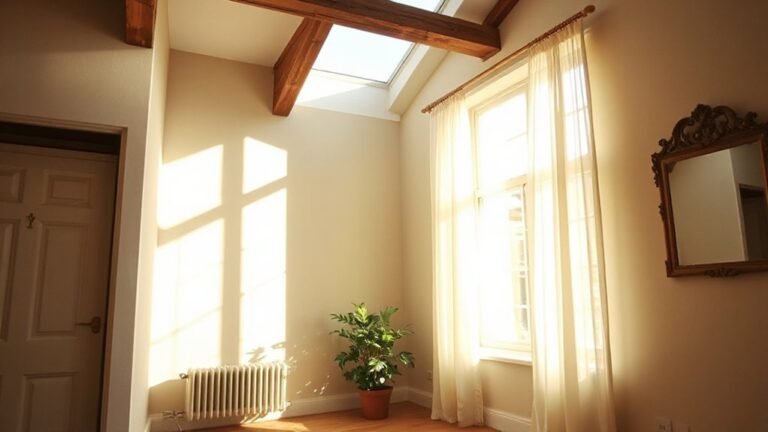
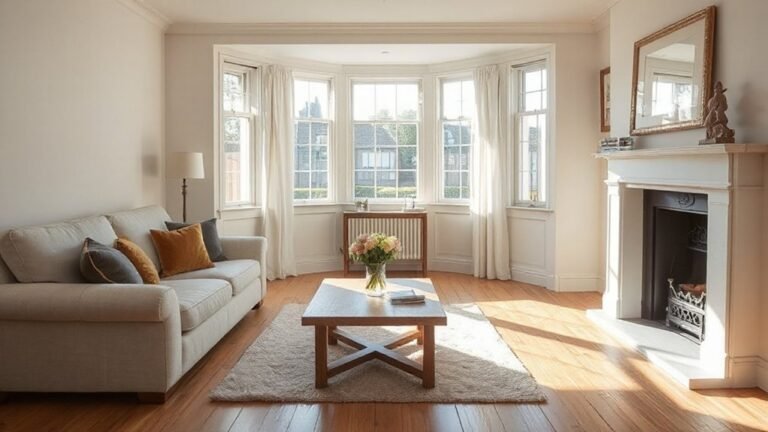
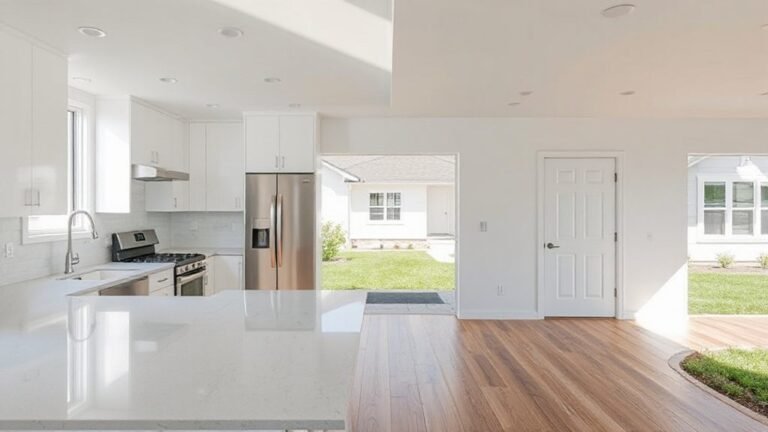
Did you know homes staged with professional-looking furniture sell up to 79% faster than un-staged homes? You can achieve that impact by planning the layout to guide traffic, choosing clean-line pieces that maximize space, and layering textures with a cohesive accent color. Invest in small upgrades like updated hardware and strategic lighting to boost warmth without breaking the budget. But there’s more to reveal—discover how to turn viewers into buyers with a few focused styling moves.
Assess Your Space and Set Staging Goals
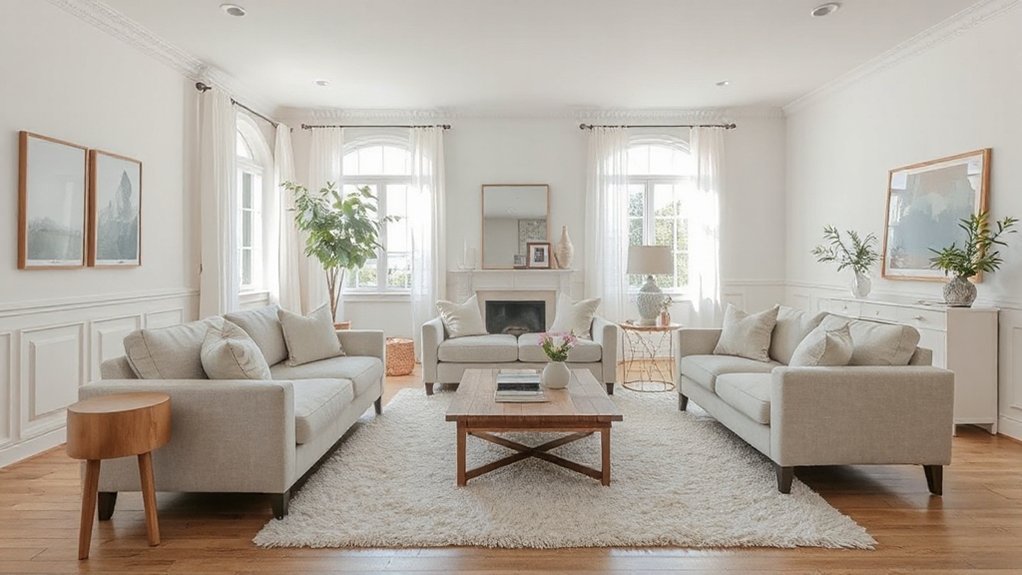
Before you start staging, take a close look at your space and define clear goals. You’ll map each room’s function, traffic flow, and focal points, then prioritize improvements that boost perceived size and warmth. Assess natural light, wall tones, and ceiling height to decide color psychology implications—soft neutrals feel spacious, while accent hues guide attention to key features. Note storage gaps, clutter hotspots, and usable surfaces; decide what to remove or conceal. Set measurable targets: refresh one wall color, swap outdated textiles, and introduce balanced textures. Plan scent enhancement with subtle, inviting aromas to reinforce mood without overpowering tools or furniture. Finally, align your goals with a buyer’s perspective, ensuring every choice enhances appeal, coherence, and easy maintenance.
Plan a Home-Staging Layout That Sells
Now that you’ve set clear goals, you’ll translate them into a strategic layout that sells. You’ll arrange spaces to guide buyers through a natural flow, highlighting focal points with clean, purposeful vignettes. Use a mix of neutral tones with strategic accent pieces to evoke warmth without distraction. Historical context informs your choices, helping you balance timeless appeal with current trends, while DIY staging tips keep it practical and affordable.
- Establish a dominant focal area in each room that communicates purpose within seconds.
- Create clear sightlines by clearing clutter and arranging furniture to guide the eye.
- Use scalable, affordable props to evoke lifestyle scenarios buyers can imagine.
- Prioritize lighting and texture to add depth without overcrowding.
This approach sells efficiently, with concise, compelling visuals that convert.
Pick Furniture to Maximize Space and Light
To maximize space and light, choose furniture that serves multiple functions and stays proportional to the room. You’ll improve flow by selecting pieces with clean silhouettes and slim profiles, avoiding oversized anchors that crowd sightlines. Prioritize furniture arrangement that creates clear pathways and purposeful focal points, like a conversational seating cluster near natural lighting. Opt for compact coffee tables and nested options you can rearrange for showings, enhancing flexibility without clutter. Mirror or reflect natural light with glass or glossy surfaces, but balance glare with soft textiles. Elevate perception of height using tall, narrow storage or leggy seating; keep rugs aligned to define zones without shrinking space. Natural lighting should feel ubiquitous, not forced; your layout should invite movement and understated elegance.
Layer Texture, Color, and Accents for Warmth
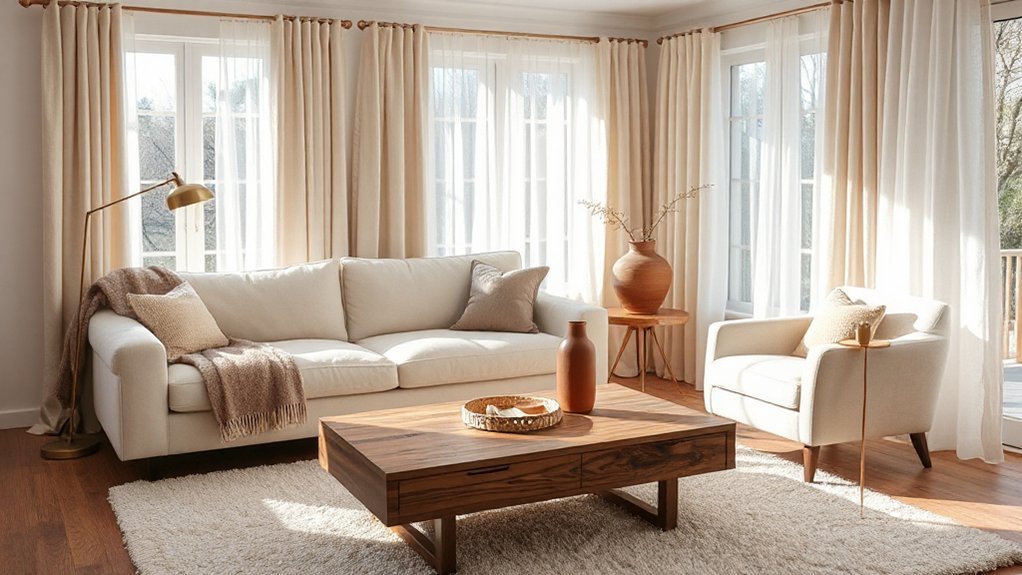
Layering texture, color, and accents adds warmth without clutter, so you should ground the space with a cohesive palette and tactile surfaces. You’ll create a welcoming vibe by balancing texture and hue, ensuring every element supports the whole.
- Mix textural contrast—knobs, pillows, and throws—to add depth without busy patterns.
- Choose accent colors strategically—one warm tone repeated in art, textiles, and décor for cohesion.
- Layer fabrics in varying weights (linen, velvet, wool) to invite touch and comfort.
- Anchor with a neutral base; introduce warmth through small, deliberate pops rather than all-at-once splashes.
Quick, Budget-Friendly Tweaks That Wow Buyers
Spruce up key spaces fast with budget-friendly tweaks that deliver big impact. You don’t need big renovations to wow buyers—smart, swift updates win room cred. Start with DIY upgrades that feel premium: swap dated hardware, refresh cabinet faces with a wipeable paint finish, and install simple chrome pulls for a polished look. Use eco friendly decor accents like linen cushions, jute rug runners, and plant stands to convey care for space and environment. Light shifts matter: add a floor lamp with a warm bulb and reposition furniture to open sightlines. Tactile touches count: throw blankets, textured pillows, and a single fresh bouquet create instant ambiance. Keep clutter minimal, present function clearly, and let these small moves demonstrate value without overspending.
Frequently Asked Questions
How Do I Stage a Rental With Strict Furniture Rules?
You can stage a rental with strict rules by using rental restrictions to your advantage and choosing furniture alternatives like compact, multi-functional pieces; emphasize flow and light, declutter, and emphasize neutral decor that underscores space while complying with restrictions.
Can Staging Work for Small Balconies or Patios?
Yes, staging works on small balconies or patios. You’ll maximize space with balcony decor and compact patio furniture, adding vertical plants, a foldable table, and cushions to create a welcoming, usable outdoor living area that buyers notice.
What Are Color Trends to Avoid in Staging Now?
“Paint is money,” you know. Avoid bold color choices that overpower spaces and create clashing palettes; opt softer neutrals with strategic accents. You’ll keep rooms cohesive, feel larger, and still leverage bold color choices when done thoughtfully.
Do I Need Professional Photography After Staging?
Yes, you should get professional photography after staging. It enhances your virtual tour and digital staging, showcasing space, light, and layout with high-quality angles that attract buyers and boost perceived value, faster offers, and stronger online engagement.
How Long Does a Staged Home Stay at Market-Ready?
A staged home stays market-ready roughly 2–4 weeks, depending on demand and pricing. You’ll boost momentum with virtual staging and eco friendly decor, keeping rooms flexible and appealing while buyers picture themselves living there. Stay proactive, adjust pricing strategically.
Conclusion
You’ve seen the plan, you’ve laid the groundwork, and you’re almost there. As you fine-tune layouts, choose slim profiles, and layer textures, you’ll feel the space tighten into focus. Imagine viewers pausing, drawn to those perfected corners and warm accents. One small lighting tweak, one refreshed detail, and the room breathes confidence you can feel. The moment you finally step back, you’ll sense it—someone else stepping in, compelled by what you created and… what’s next.
About the Author