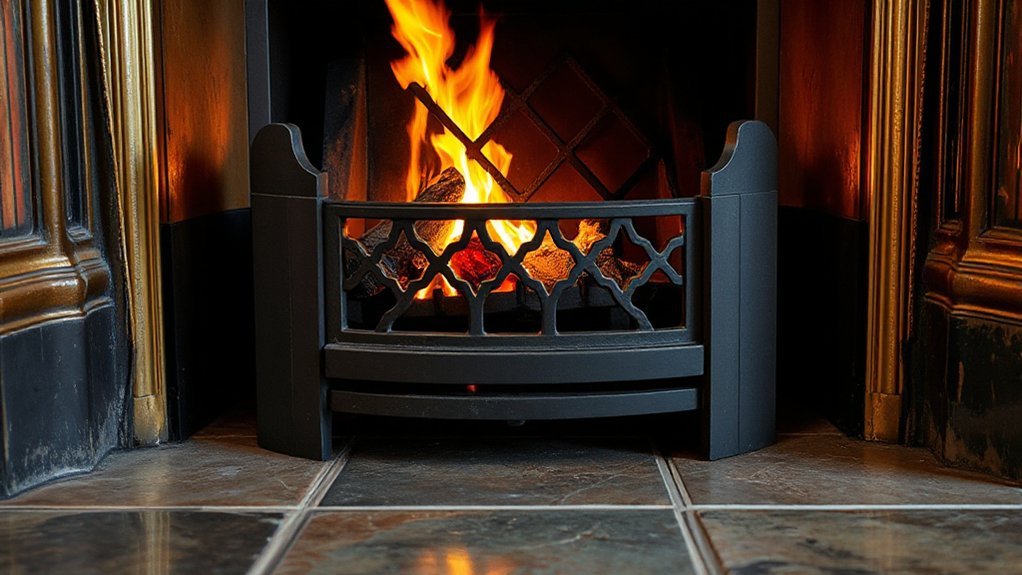
If you’re not one to rush into changes, you’ll find that upgrading a Victorian fireplace basket from wood to multi-fuel can be a measured, practical process. You’ll assess the existing setup, verify the flue supports alternatives, and plan a safe conversion with the right grate, air controls, and possible insert. The path balances preserving charm with modern efficiency, but it isn’t a trivial swap—there are important steps and potential pitfalls to weigh before you commit.
Victorian Fireplace Baskets: What They Are and Why Upgrade
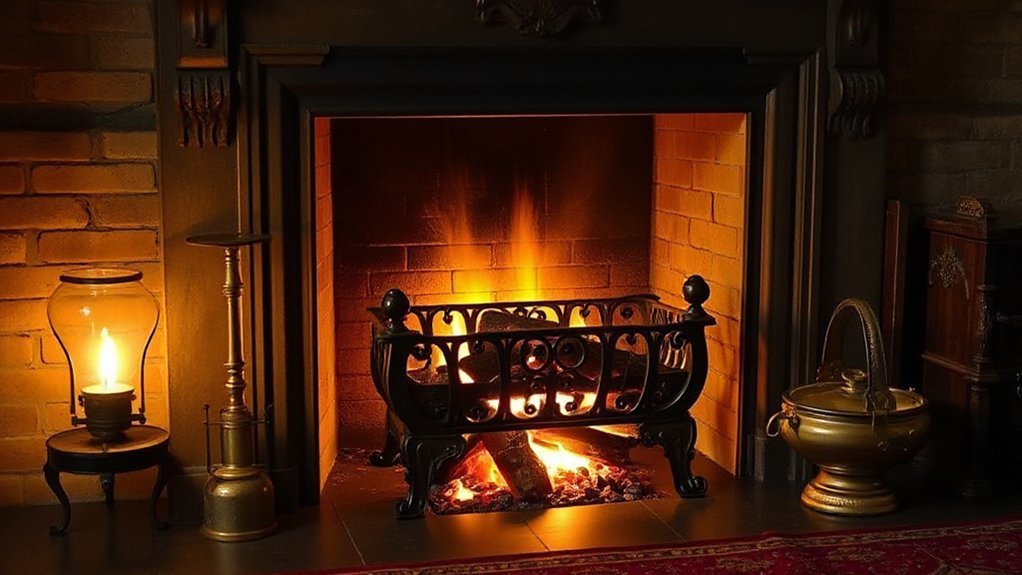
Victorian fireplace baskets are decorative and functional metal grills that sit across the fireplace opening, typically with a curved, basket-like silhouette. You’ll understand their purpose by examining construction, fit, and airflow. These baskets shield the hearth from embers while supporting logs or coal, and they help direct heat outward. Upgrading isn’t just ornament; a tighter weave, reinforced joints, and proper grate height improve draft control and burn efficiency. When selecting a unit, assess material thickness, corrosion resistance, and mounting options to preserve structural integrity. In terms of Victorian aesthetics, consider finishes and patinas that align with original installations without compromising safety. For historical authenticity, verify dimensions and styling cues match period precedents, ensuring the upgrade looks natural. The result is safer operation with preserved architectural character.
Wood-Burning Limits and the Case for Multi-Fuel
Wood-burning has practical limits that affect efficiency and safety, especially in older or restored Victorian setups. You’ll encounter temperature control, draft variability, and liner wear that cap performance. To justify a multi-fuel shift, consider these constraints and benefits:
1) Fuel versatility: you gain steadier heat with coal or pellets when wood underperforms.
2) Emissions and efficiency: modern multi-fuel designs optimize burn cycles, reducing smoke and creosote.
3) Maintenance and safety: adapted flues, seals, and grate protection minimize hotspots and creosote buildup.
Eco friendly alternatives can align with modern codes, while still honoring historical accuracy. The result is a practical balance: retain period aesthetics, improve controllability, and expand burn opportunities without sacrificing safety or reliability.
Plan Your Conversion: Choose the Right Stove Insert
Choosing the right stove insert starts with matching heat output, fuel type, and installation constraints to your existing fireplace flue. You’ll assess the flue size, masonry condition, and clearance requirements, since improper fit can waste heat and breach safety margins. Prioritize a unit that aligns with common Victorian-era aesthetics while meeting modern reliability, balancing historical accuracy with contemporary performance. Measure throat dimensions and chimney liner compatibility, because a snug, compliant fit minimizes heat loss and drafts. Consider airway routing, ash disposal access, and controls that won’t look obviously anachronistic inside your hearth. Plan for a seamless aesthetic integration: finish options, trim profiles, and ember bed styling should echo the original basket’s character without compromising protection or accessibility. Avoid overmatching novelty at the expense of safe installation.
Fuel Options, Heat Output, and Efficiency: What to Expect
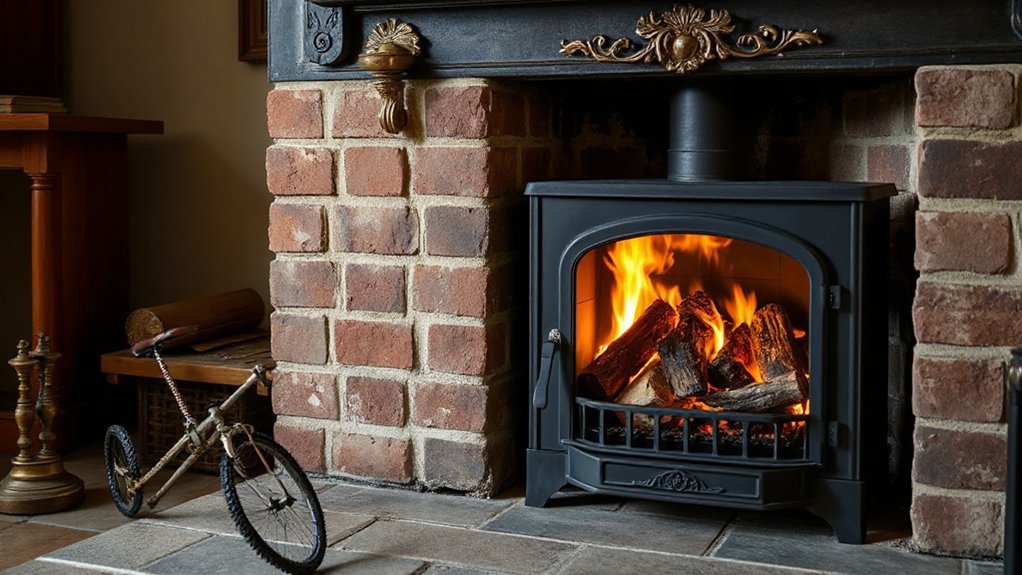
When selecting a stove insert for a Victorian fireplace, understand how fuel type drives heat output and overall efficiency. You’ll compare fuel options by energy density, availability, and ignition ease, then assess how each affects combustion efficiency and long-term costs. These factors determine real heat delivery and flue emissions.
- Fuel compatibility: match your insert to wood, pellets, or multi-fuel pellets to optimize performance and flow.
- Heat output: consider BTU range and thermostat control to fit room size without overheating.
- Efficiency gains: favor designs with insulated fireboxes and advanced air control for consistent burn quality.
Keep in mind that choosing the right fuel setup minimizes fuel waste and supports cleaner operation while maximizing combustion efficiency.
Step-By-Step: Safe, Compliant Conversion Process
If you’re converting a Victorian fireplace to accept an insert, start with a clear, code-compliant plan that covers inspection, ventilation, and clearances. Begin with a professional assessment of the chimney liner, flue integrity, and surrounding masonry, documenting any defects. Then specify a compliant insert size, fuel type, and the required clearance to combustibles, using manufacturer-approved components. Confirm proper ventilation by confirming makeup air, flue draft, and, if needed, an outside air kit. Develop a sequential installation checklist, including secure anchoring, sealant compatibility, and spark arrestor placement. Test for proper draft and heat transfer after installation. Maintain historical authenticity and aesthetic preservation by selecting trim kits and finishes that mirror the era, while meeting current safety standards. Schedule commissioning and provide user operation guidelines.
Preserving Victorian Charm With Modern Fuel
Preserving Victorian charm with modern fuel means balancing authenticity and performance without sacrificing safety. You integrate modern fuels while keeping visual cues intact, preserving Victorian aesthetics and historical accuracy. You’ll optimize heat delivery, flame patterns, and ember bed feel to resemble old wood fires without reclaiming outdated risks. Focus on coal-ember equivalents, clean burn tech, and vented design that honors period proportions. Employ controls that mimic old grate behavior while meeting current safety standards. In practice, prioritize finish, trim, and surround details that convey era-specific character.
- Match metalwork and surface patinas to original fire basket aesthetics
- Use fuel systems that reproduce period flame dynamics without smoke or glazing
- Audit clearances, hearth tools, and fuel storage for historical accuracy and safe operation
Troubleshooting, Maintenance, and Common Pitfalls
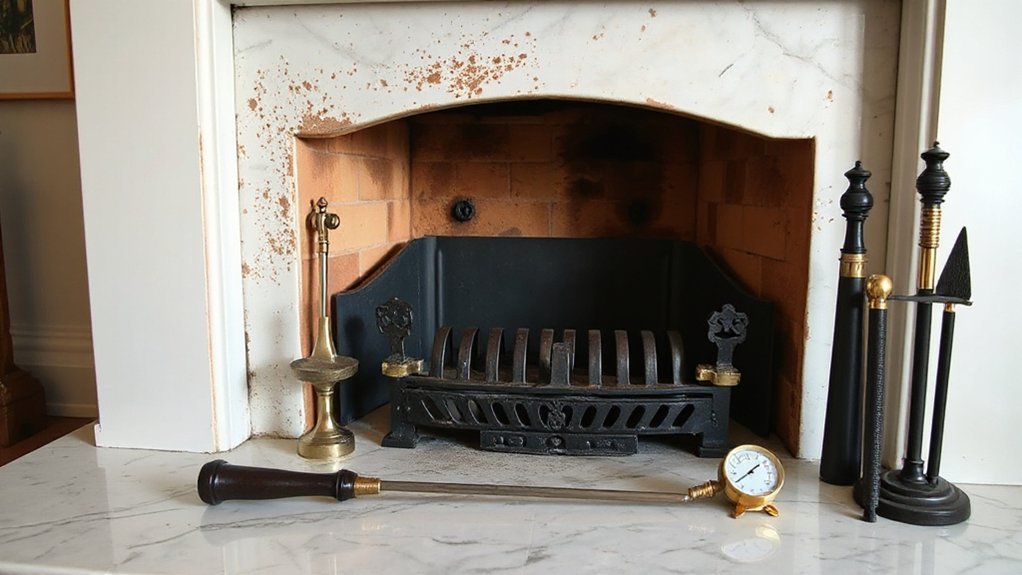
You’ll start by checking for proper draft, clean burning, and secure connections to spot common setup issues. Implement straightforward maintenance routines—regular chimney cleaning, seal checks, and component inspections—to prevent performance drops and safety risks. Be mindful of typical pitfalls like incorrect fuel choice, loose hardware, and ignored weathering that can undermine efficiency and safety.
Troubleshooting Techniques
To diagnose common issues with Victorian fireplace basket conversions, start by verifying fuel and airflow first: make certain the fire grate, ashes, and logs aren’t obstructing the grate, and that the chimney is adequately drafted. If trouble persists, switch to a methodical checklist and record results for future reference.
- Inspect alternative fuel compatibility and ignition paths; confirm ash buildup isn’t choking airflow.
- Check seals, gaskets, and door fit for draft integrity, adjusting as needed while prioritizing safety precautions.
- Test venting and heat output with a temporary fuel change, noting burner performance and soot levels for trend analysis.
Maintenance Best Practices
Maintenance best practices for Victorian fireplace basket conversions focus on reliable troubleshooting, routine upkeep, and avoiding common pitfalls. You’ll schedule seasonal inspections, checking for ash buildup, creosote, and loose joints that affect airflow. Clean the grate and flue, using proper tools to prevent damage to decorative aesthetics, while preserving Historical accuracy in the original design. When you test operation, verify draft, firebox seal, and damper responsiveness, documenting any changes. Use manufacturer-recommended fuels and maintain moisture control to prevent warping or corrosion. Replace worn gaskets and reseal masonry as needed, aiming for a tight fit without over-tightening. Keep clearances noted and respect vintage finishes; avoid overly aggressive cleaning that dulls patina. Record maintenance history, aligning upkeep with safety standards and long-term performance.
Frequently Asked Questions
Can I Retroactively Convert Any Victorian Fire Basket to Multi-Fuel?
You can often retrofit, but not universally; assessment is key. You’ll need a qualified install, proper chimney, and a compliant grate. Confirm fireplace aesthetic and historical accuracy aren’t compromised, and follow safety codes for multi-fuel use.
Do Multi-Fuel Inserts Affect Original Firebox Dimensions?
Yes, multi-fuel inserts can affect firebox size and installation complexity. You’ll likely need precise measurements, possible liner modifications, and professional snug fitting; otherwise, clearances, venting, and airflow get compromised by changing the firebox dimensions.
Are There UK Energy Grants for Victorian Multi-Fuel Conversions?
You’ll find UK energy grants for Victorian multi-fuel conversions exist, though eligibility varies; check energy efficiency schemes and local incentives. You’ll improve energy efficiency and reduce environmental impact by upgrading systems, while grants help offset installation costs and compliance requirements.
How Do Emissions Standards Apply to Historic Fireplace Restorations?
Emissions standards are your compass: you must balance Environmental impact with historical accuracy, verifying that restorations meet current limits while preserving era authenticity; you’ll install compliant, efficient fuels and monitor performance, guiding your project with practical, technical rigor.
Will a Multi-Fuel Insert Require Structural Alterations or Flue Relining?
Yes, a multi-fuel insert may require structural alterations and flue relining depending on your chimney. Confirm chimney stability meets safety regulations, and consult a qualified installer to assess flue integrity, clearances, and potential liner upgrades before proceeding.
Conclusion
You thought your Victorian basket’s age alone would save it? Think again. Upgrading to multi-fuel is the pragmatic rebellion your drawing room needs: safer drafts, fewer creosote headaches, and the glorious flexibility to burn coal, smokeless fuels, or wood. Yes, it’s technical, yes, it’s measured, and yes, it preserves charm while dodging smoky stereotypes. Do the math, hire a pro, and enjoy a hearth that behaves like a modern appliance with period-appropriate flair. satire wink.
About the Author