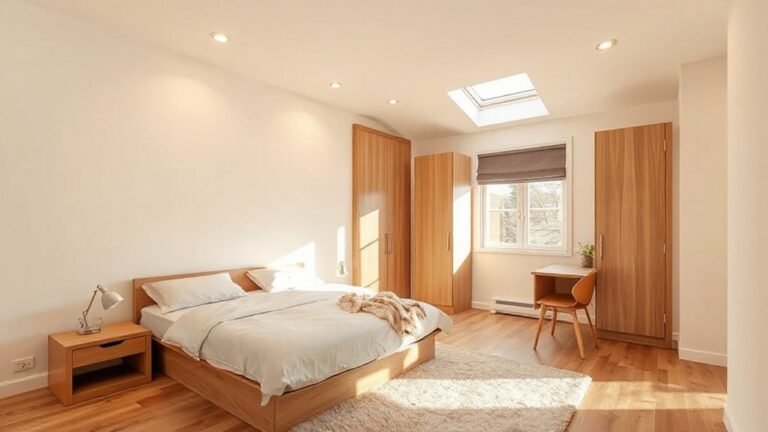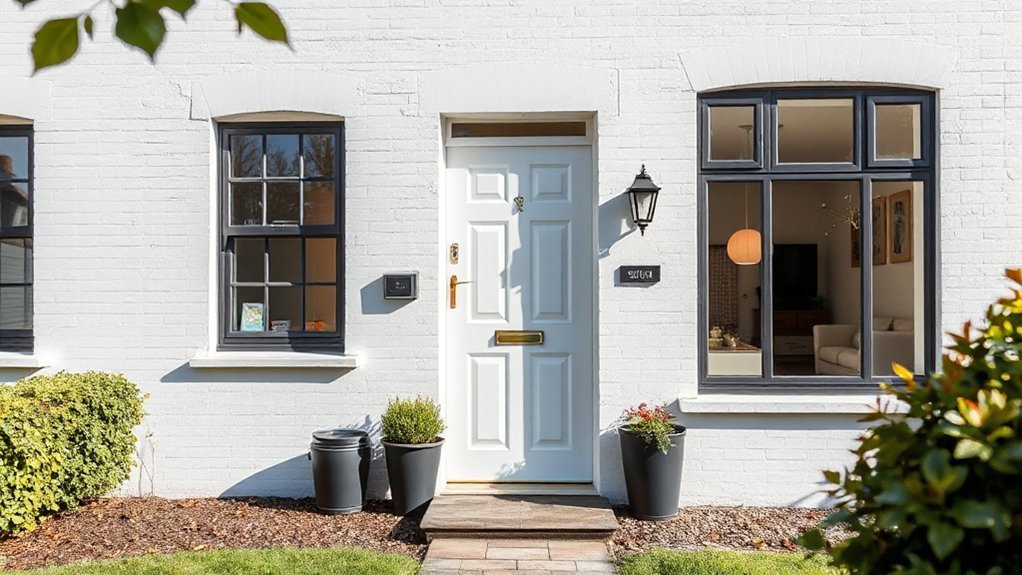
You can refresh a semi-detached home with smart, budget-friendly moves that don’t require major renovations. Start with small, practical tweaks—paint in washable neutrals, swap out the front door color, and tidy the exterior—before you touch interiors shared with a neighbor. Rework the layout by reconfiguring furniture and sealing gaps for better efficiency. Quick exterior updates and a clear maintenance plan keep distractions low, and a simple timeline helps you stay on track as you improve curb appeal and comfort.
Start Here: The Essential Fixes Before a Semi‑Detached Refresh
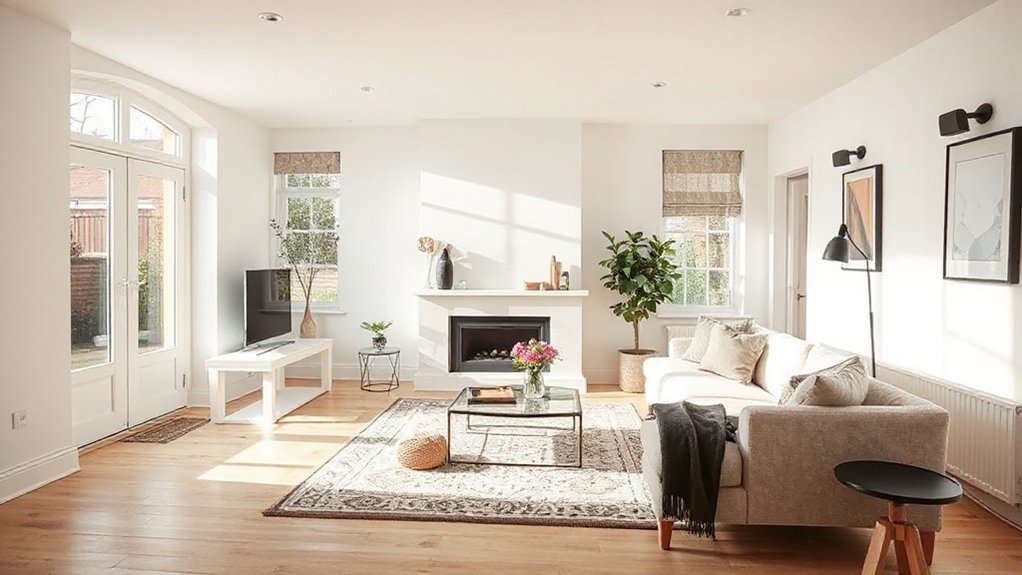
Before you start invigorating a semi-detached home, tackle the basics that impact every other upgrade: moisture, structure, and safety.
You’ll first address shared wall insulation to minimize drafts and sound transfer, then inspect for water intrusion around the common boundary.
Check foundations, stair treads, and ceilings for cracks or movement, and resolve any issues before cosmetic tweaks.
Prioritize safety by confirming electrical panels and smoke alarms are proper and up to date.
Create a simple maintenance plan: fix leaks, seal gaps, and ensure proper ventilation in attics and crawl spaces.
Neighbor communication matters—brief your adjacent homeowner about plans that affect party walls, schedules, and joint access.
Document fixes, keep receipts, and set expectations to prevent disputes as you refresh.
Budget-Smart Color and Finish Choices for Shared Walls
Choosing budget-smart color and finish options for shared walls means balancing aesthetics with practicality and cost. You’ll lean toward neutral bases that brighten spaces while hiding minor marks. Pick washable paints in matte or eggshell for easy touch-ups, avoiding high-gloss that highlights flaws.
If you want texture without a full remodel, consider wallpaper patterns with subtle repeats or vinyl options that wipe clean. Finish textures can add depth: a soft stucco look or light faux plaster can elevate walls without expensive labor.
Use lighter shades on smaller rooms to expand feel, and reserve darker accents for focal corners. Test samples under natural light, then commit to one main wall color plus a coordinating trim.
Batch purchases to minimize waste and keep the project budget tight.
Layout Tweaks That Improve Flow Without Ruffling Neighbors
Small layout tweaks can boost flow without stoking neighborly tensions. You’ll prioritize sightlines and doorway placement to ease movement between rooms, avoiding long corridors that feel cut off.
Open the path from kitchen to living area with a clear line of sight and minimal edges people must step around. Consider shifting a doorway or resizing a partial wall to reduce travel distance and visual clutter, while preserving privacy.
Use furniture placement to reinforce defined zones without blocking natural light or airflow. For shared walls, apply smart options like shared wall insulation and shelving that doubles as a soft barrier, reducing sound transfer.
Pair these with practical noise reduction techniques—door sweeps, door seals, and heavier curtains—to keep conversations private and neighbors comfortable.
Quick Exterior Updates to Boost Curb Appeal Today
Spruce up your curb appeal in minutes with quick, practical exterior tweaks. You’ll make a noticeable impact without a wrench-wielding marathon.
Begin with tidy landscaping edges and a fresh layer of mulch to instantly soften sightlines. Add potted plants or a small container garden to introduce color and texture; rotate seasonal blooms for continuity.
Focus on exterior lighting: install solar pathway lights or a warm porch light to extend evening curb presence. Replace or clean house numbers for legibility and an upgraded look.
Refresh the front door with a washable, neutral-tone paint or a bold accent if your porch already has character. Repair any obvious surface flaws—cracks, chipped paint, or loose trim—before considering larger investments.
Keep it simple, fast, and repeatable.
Smart Purchasing and Timeline Guidelines to Stay on Track
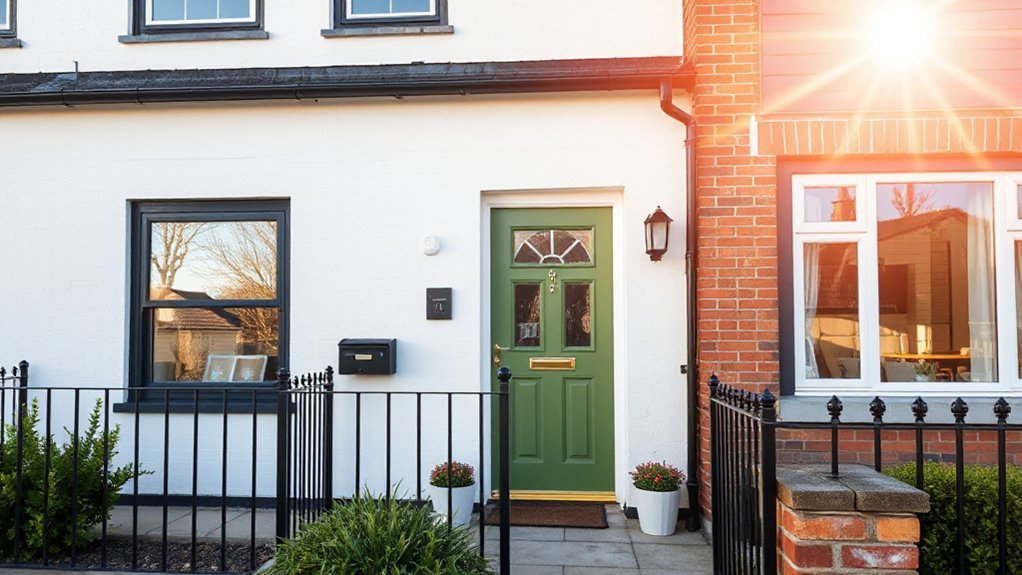
To keep momentum from quick exterior updates, you’ll want smart purchasing habits and a realistic timeline mapped out before you buy. Begin with a clear list of priorities—cost, impact, and energy efficiency—so you don’t chase fads.
Set a budget ceiling and build in a 10–15% contingency for delays or hidden fixes. Compare products by performance, not just price, prioritizing energy efficiency and quiet operation to support long-term comfort.
Schedule purchases to avoid overlapping deliveries; stagger items to minimize on-site clutter and downtime. Create a timeline with milestones for decorating, minor fixes, and installation windows, then track progress weekly.
Reserve time for noise reduction upgrades, like weather stripping or insulated doors, to maximize comfort without major renovations. Stay flexible, document decisions, and reevaluate as needed.
Frequently Asked Questions
How to Protect Shared Structural Elements During Cosmetic Updates?
You protect the shared foundation by avoiding heavy loads near walls, using noninvasive methods, and reinforcing with temporary braces if needed. Inspect for cracks, monitor movement, and preserve structural integrity while you plan cosmetic updates.
What Are Low-Cost Soundproofing Options for Shared Walls?
“Break a leg” about noise if you want budget-friendly soundproofing: you can install acoustic panels and use soundproof curtains on shared walls, pairing them for mid-range impact reduction; you’ll notice quieter rooms without major renovations.
How Can Lighting Changes Affect Perceived Room Size in Semi-Detached Homes?
Natural light makes rooms feel larger; add mirrors and light, reflective surfaces, and keep window treatments airy. Artificial illumination layered with task, ambient, and accent lighting enhances depth, color, and perceived height, boosting overall space perception in semi-detached homes.
Are There Quick Magnetic or Peel-And-Stick Solutions for Wallpaper on Shared Walls?
Yes—magnetic wallpaper and peel-and-stick solutions work on shared walls. You can test a small area first, then apply magnetic strips behind the wallpaper for easy removal. Choose lightweight, repositionable patterns to minimize noise and maintain balance.
How to Schedule Neighbor Communications for Minimal Disruption?
You schedule neighbor communications with courtesy and clear timing. Prioritize neighbor etiquette, announce planned contact during reasonable hours, and confirm preferred methods. Keep messages brief, set expectations, and respect responses to guarantee smooth, respectful communication timing and cooperation.
Conclusion
You can refresh your semi‑detached home without big upheaval by smartly combining curb appeal, tidy interiors, and practical tweaks. Did you know that homes with cohesive color schemes and fresh front doors sell up to 7% faster in some markets? Start with a simple washable paint refresh, seal gaps, and reposition furniture for better flow. Tackle exterior touches first, then layer in soft soundproofing and updated lighting. Small, consistent updates keep momentum—and value—growing.
About the Author