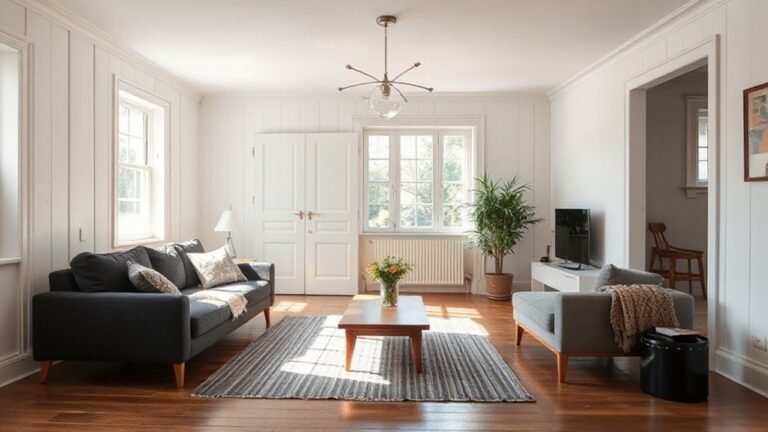
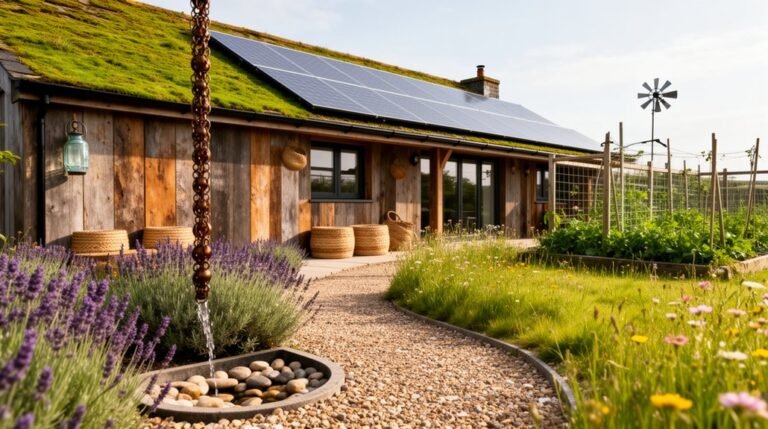
In Cornwall, your eco-friendly cottage renovation should start with climate-smart design and durable, low-impact materials. Prioritize airtight, breathable walls, choose lime plaster or reclaimed timber, and use natural insulation like mineral wool or sheep’s wool. Embrace passive cooling with cross-ventilation, shading, and high ceilings, then couple it with renewable heating options. Manage moisture from the coast with proper drainage and damp protection, and integrate water harvesting. Local sourcing supports resilience, while thoughtful landscaping creates micro-climates that cut energy use—you’ll discover practical steps ahead.
Assess Cornwall’s Climate for an Eco Cottage Renovation
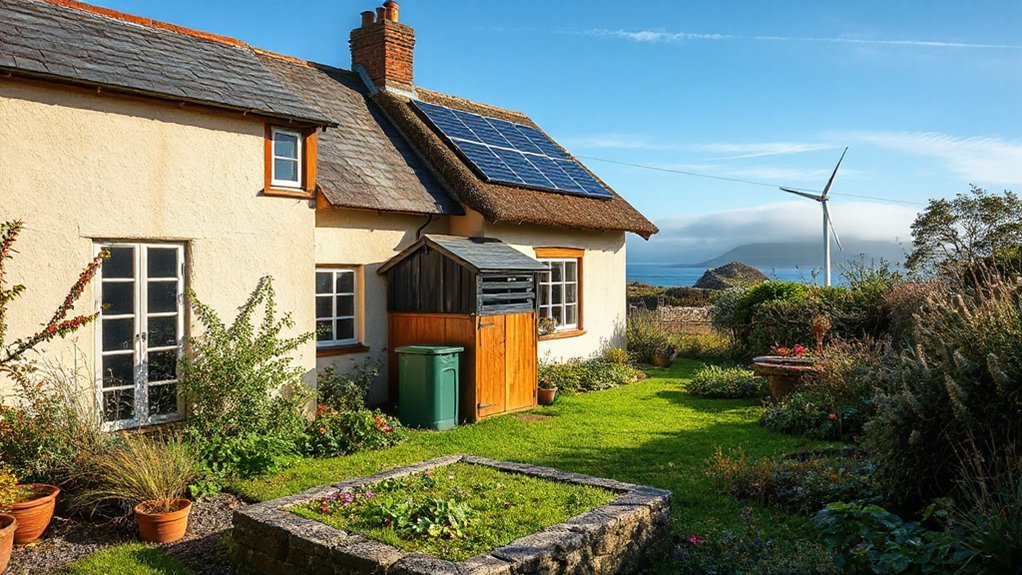
Cornwall’s mild, maritime climate shapes every eco-renovation decision. You assess how gentle winters, cool summers, and steady humidity affect materials, insulation, and moisture control in your cottage.
You’ll prioritize thermal performance without sacrificing character, selecting breathable, low-emission systems that suit coastal exposure. Seasonal wind patterns inform ventilation strategies, while the Atlantic’s salt air guides corrosion resistance and durable finishes.
You balance energy efficiency with Historical preservation and Cultural significance, ensuring updates honor local heritage.
Roof and wall assemblies should resist damp while enabling passive solar gains, and glazing choices optimize daylight without overstretching heating loads.
Ground and retrofit plans must consider long-term climate variability, leveraging adaptive, low-impact solutions that maintain comfort, reduce bills, and respect Cornwall’s distinctive architectural language.
Define Goals and Criteria for a Sustainable Cornwall Cottage
Start by setting clear sustainability goals for your Cornwall cottage, so every choice supports long‑term efficiency and comfort.
Then define evaluation criteria that measure energy use, materials, and local impact, ensuring you can compare options objectively.
Finally, prioritize local resources to reduce transport emissions and support community resilience, guiding every decision from design to finish.
Set Clear Sustainability Goals
To set a clear sustainability course for your Cornwall cottage, begin by defining precise goals and criteria that reflect your priorities—energy efficiency, embodied carbon, water use, materials, and indoor air quality.
You’ll translate these into measurable targets, like a specific heat-loss percentage, a embodied carbon cap per retrofit, and a water-use budget aligned with local rainfall.
Prioritize actions that balance performance with cost and practicality, then map them to a realistic timeline and budget.
Consider how gardening techniques support risk reduction and biodiversity within the plot, and how wildlife habitats can be integrated without compromising efficiency.
Revisit these goals seasonally, updating metrics as needed, so your renovation stays focused, transparent, and aligned with Cornwall’s climate realities.
Define Evaluation Criteria
Define clear evaluation criteria by linking goals to measurable performance indicators. You’ll set parallel measures for energy, comfort, and durability, ensuring each goal maps to specific metrics like energy use per square meter, indoor air quality, and maintenance intervals.
Tie sustainability aims to historical preservation and cultural significance, so that renovations respect fabric, motifs, and local crafts while improving efficiency.
Use baseline data from your cottage’s current performance and establish targets with realistic timelines.
Prioritize transparency by selecting verifiable indicators, such as certified insulation ratings, solar readiness, water-use reductions, and lifecycle costs.
Document assumptions and methods, then review outcomes quarterly to adjust actions without sacrificing authenticity.
This framework keeps your project accountable, credible, and aligned with Cornwall’s heritage context.
Prioritize Local Resources
Prioritizing local resources starts with anchoring your goals in Cornwall’s supply chains, communities, and tradeways. When you define criteria, you balance environmental benefit with practicality, ensuring materials travel short distances and support regional economies. You’ll weigh durability, recyclability, and seasonal availability, while embracing wildlife corridors and minimizing disruption to ecosystems.
This approach invites community involvement, aligns with local skilled trades, and reinforces authenticity in design. Set measurable targets for energy performance, embodied carbon, and long-term maintenance. Build in flexibility to adapt to coastal weather, planning permissions, and supplier reliability.
Your criteria should reflect both immediate comfort and lasting resilience, so that renovations protect heritage and enhance natural beauty.
- Wildlife corridors
- Community involvement
- Local sourcing standards
Prioritizing Airtightness and Thermal Performance in Seaside Walls
Seaside walls face unique challenges, so you should focus on airtightness and thermal performance from the start. You’re aiming to minimize drafts, reduce heat loss, and prevent condensation that can creep into coastal structures.
Begin with a robust air barrier strategy that links roof, wall, and foundation assemblies. Then plan for continuous, well-sealed joints and penetrations. Prioritize airtightness testing to verify performance early in the build and after any alterations.
Address thermal bridging where studs, joists, or openings create easier paths for heat to escape; detailing around bays, corners, and masonry joints matters. Select wind-resistant, breathable membranes that still prevent moisture ingress.
Finally, align materials and detailing with local regulations, ensuring long-term energy efficiency without compromising character or coastal durability.
Choosing Eco‑Friendly Insulation for Old Walls
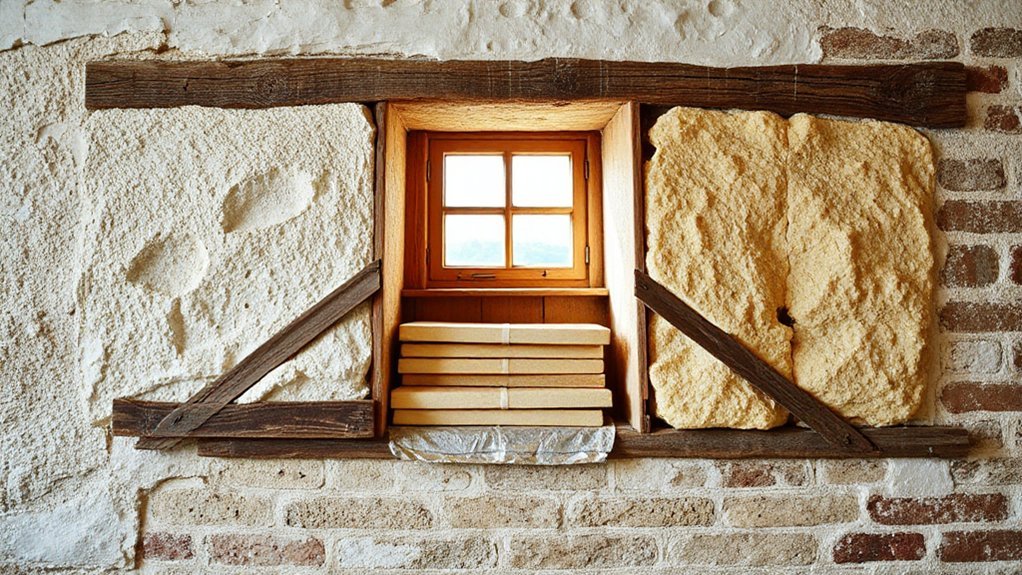
- Prioritize breathable yet insulating options like natural fiber batts or wood fiber boards, ensuring vapor diffusion is unmanaged by moisture.
- Match insulation to wall type and historic finishes, avoiding rigid foams that trap moisture and risk decay.
- Plan for airtight detailing and controlled ventilation, pairing insulation with strategies for eco-friendly lighting and sustainable landscaping around the cottage.
This approach preserves heritage charm while boosting comfort, durability, and energy efficiency in Cornwall’s damp climate.
Heating Smarter in Cornwall: Renewable Options That Fit the Coast
If you’re heating a coastal Cornwall cottage, renewables can cut both bills and carbon while standing up to damp sea air. You’ll find that solar thermal, heat pumps, and biomass offer reliable warmth without heavy maintenance, especially when paired with a well‑insulated shell.
A ground‑ or air‑source heat pump can deliver steady comfort at modest running costs, while solar gain supports hot water year‑round. Combine these with smart thermostats and zoning to avoid waste, and you’ll keep rooms comfortable even on windy days.
Consider coastal wildlife and garden microclimates when siting outdoor units. Cottage gardening principles help shelter equipment, and thoughtful planting reduces noise and glare.
This approach keeps your home efficient, resilient, and characterful by the sea.
Designing for Passive Cooling and Natural Ventilation
You’ll start with core Passive Cooling Principles to reduce reliance on mechanical systems while keeping comfort year‑round.
Consider Natural Ventilation Strategies that exploit prevailing winds and microclimates around your Cornwall cottage, pairing operable windows with strategic openings for cross‑ventilation.
Weigh Material and Form Considerations that support thermal mass, low heat gain, and discreet integration with the cottage’s character to optimize comfort naturally.
Passive Cooling Principles
What makes a cottage feel cool without air conditioning? It hinges on passive cooling principles that reduce heat gain and maximize heat rejection.
You design for thermal comfort by aligning sun exposure, thermal mass, shading, and airflow paths to keep indoor temperatures steady. Use deep overhangs, reflective roofing, and light-colored walls to minimize heat absorption.
While high ceilings and cross-ventilated layouts encourage natural cooling cycles. Strategically placed doors and operable windows create chimney and stack effects, enhancing ventilation without mechanical systems.
Ground-coupled or masonry materials store daytime heat and release it at night, stabilizing indoor temperatures.
- Prioritize shading and heat reflection to limit solar gains
- Align room layouts for uninterrupted cross-ventilation
- Employ thermal mass to dampen temperature swings
Natural Ventilation Strategies
Natural ventilation is the backbone of passive cooling, letting cool outdoor air enter and stale air exit through deliberate openings and airflow paths. You design with cross-ventilation in mind, aligning windows and doors to capture prevailing Cornwall breezes.
Place operable clerestory or attic vents high to exhaust warm air, while lower openings invite cooler air to flow through living spaces. Shutters, louvers, and adjustable dampers give you control over draft intensity, improving comfort without energy use.
Use indoor plants strategically near evapotranspiring zones to subtly modulate humidity and air quality, without blocking airflow.
Pair openings with shading that reduces heat gain while preserving daylight, benefiting natural lighting.
Regularly inspect seals and screens to maintain efficient, predictable ventilation throughout the seasons.
Material and Form Considerations
In Cornwall’s cottage context, select materials and structural forms that favor heat storage, release, and airflow. You’ll optimize passive cooling by pairing mass with ventilation-friendly layouts, using masonry or lime plaster to store warmth while moderating swings.
Align forms to prevailing winds and create shaded microclimates through eaves and cedar screens. Consider interior aesthetics that expose timber or brick to celebrate texture while supporting heat retention.
Integrate landscaping strategies that channel breezes toward living spaces and reduce heat gain on sunny days. Prioritize airtight yet breathable construction, with thoughtful flue paths for cross-ventilation.
Use operable vents and lightweight partitions to adapt to seasons. This approach blends comfort with craft, enhancing interior aesthetics and outdoor cohesion.
- Moisture-conscious masonry and timber details
- Strategic shading and wind capture
- Flexible layouts for daily use
Low‑Impact Floors and Walls That Preserve Character
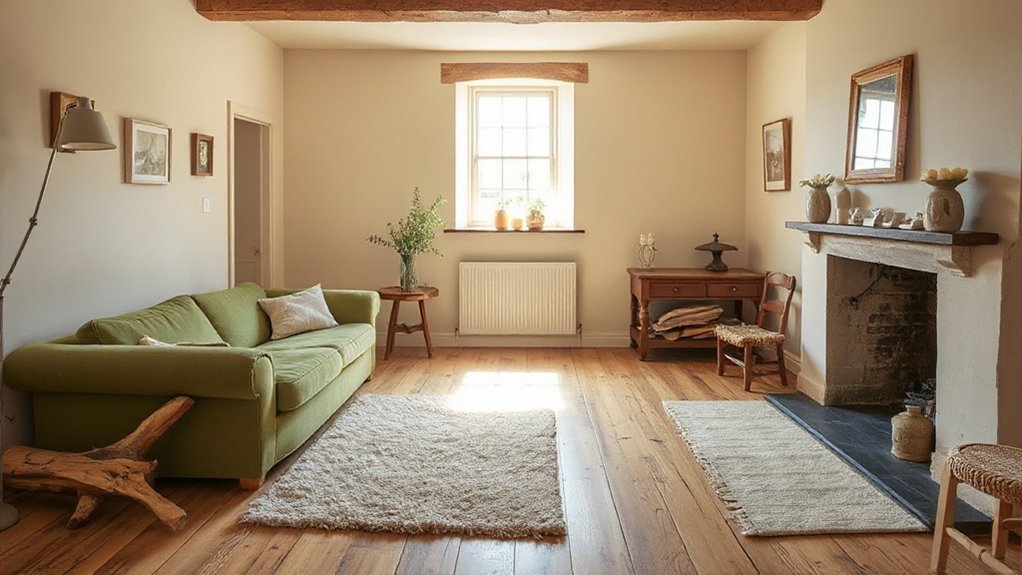
Low-impact floors and walls keep the cottage’s character intact while minimizing environmental footprints. You’ll choose materials and methods that honor traditional craftsmanship while delivering durable performance.
Start with reclaimed timber for floors, finished with low-VOC coatings to preserve warmth and scent. For walls, consider lime plaster or clay finishes that breathe, regulate humidity, and age gracefully, aligning with cottage aesthetics.
If you prefer timber paneling, select untreated or naturally sealed boards to reduce chemical impact.
Ground-level floors can use cork or compressed limecrete for comfort underfoot and easy repair.
Insulation should be discreet yet effective, using mineral wool or sheep’s wool behind walls without compromising charm.
Finally, guarantee details like moldings and built-ins reflect period accuracy, so modern sustainability reinforces traditional style rather than dulling it.
Sustainable Roofing Options That Endure Cornwall Weather
Choosing roofing that endures Cornwall’s wet, windy climate while staying true to a cottage’s character involves balancing centuries‑old craft with modern performance. You’ll want materials that resist moisture, resist wind uplift, and weather gracefully.
Consider slate or clay tiles for durability and a traditional silhouette, plus metal roofs treated to blend with hedgerows and thatch alternatives.
Insulation and ventilation remain key to energy efficiency, reducing long‑term costs.
A well‑chosen roof protects Wildlife habitats nearby and supports Cultural preservation by honoring historic skylines.
Pair with local craftsmanship to sustain regional skills and minimize transport emissions.
- Slate or clay tile options aligned with historic aesthetics
- Metal roofs with discrete profiles for longevity and low maintenance
- Reputable, locally sourced installation that respects heritage and ecology
Reclaimed and Salvaged Features That Preserve Charm
Reclaimed and salvaged features can instantly infuse a cottage with character while keeping renovation footprint small. You’ll preserve charm by prioritizing period details, sturdy timber, and original masonry when feasible.
Look for salvage yards and local builders’ remnants to source vintage furniture and architectural accents that breathe history into modern living. Mix oak beams with restored door hardware, or repurposed kitchen cabinets that reveal patina rather than perfect gloss.
When cleaning, choose eco-friendly cleaning products to protect surfaces and your air quality, avoiding harsh chemicals that strip finishes.
Careful restoration honors craftsmanship without overhauling the space. Document provenance, maintain frequent dusting, and seal reclaimed pieces to extend life.
This approach minimizes waste while delivering authentic, timeless appeal.
Eco‑Friendly Windows and Doors That Preserve Views
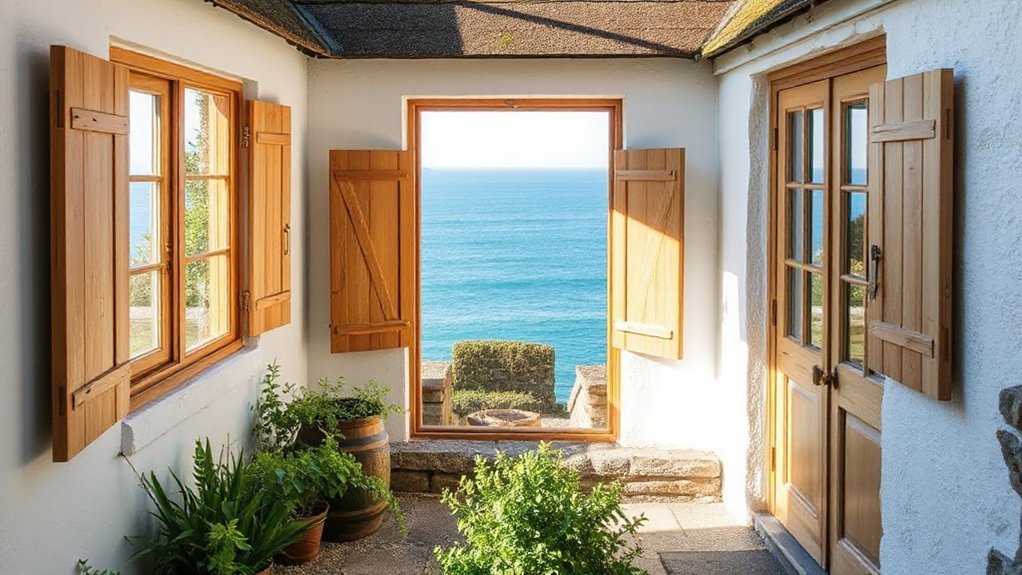
You’ll explore energy-efficient frames that keep views crystal-clear while reducing heat loss.
Combine these with scenic glass solutions to maximize daylight without compromising insulation.
This approach balances performance with the cottage’s character, so you can enjoy the landscape and cut energy use at the same time.
Energy-Efficient Frames
- Insulation-first framing with authentic aesthetics
- Low-impact materials that endure seasonal exposure
- Sealed assemblies protecting wildlife habitat and interior comfort
Scenic Glass Solutions
If you’re aiming to maximize daylight and preserve Cornwall’s coastal views, Scenic Glass Solutions offer eco-friendly windows and doors that blend seamlessly with the landscape while minimizing environmental impact. You’ll upgrade with high‑performance glazing, low‑VOC sealants, and framing that reduces thermal bridging, maintaining comfort year‑round.
Choose solutions that prioritize natural light without glare, and opt for recyclable materials where possible. Consider solar gardens, integrated shading, and operable vents to optimize energy use while preserving views.
For biodiversity, we recommend designs that support wildlife corridors, such as wildlife‑friendly frames and careful placement to avoid disrupting nesting species.
Regular maintenance tips, like gasket inspection and coating reapplication, extend life and efficiency. With Scenic Glass Solutions, you gain durable, aesthetically consistent features that respect Cornwall’s scenery and sustainability goals.
Water Efficiency and Rainwater Harvesting for Cottages
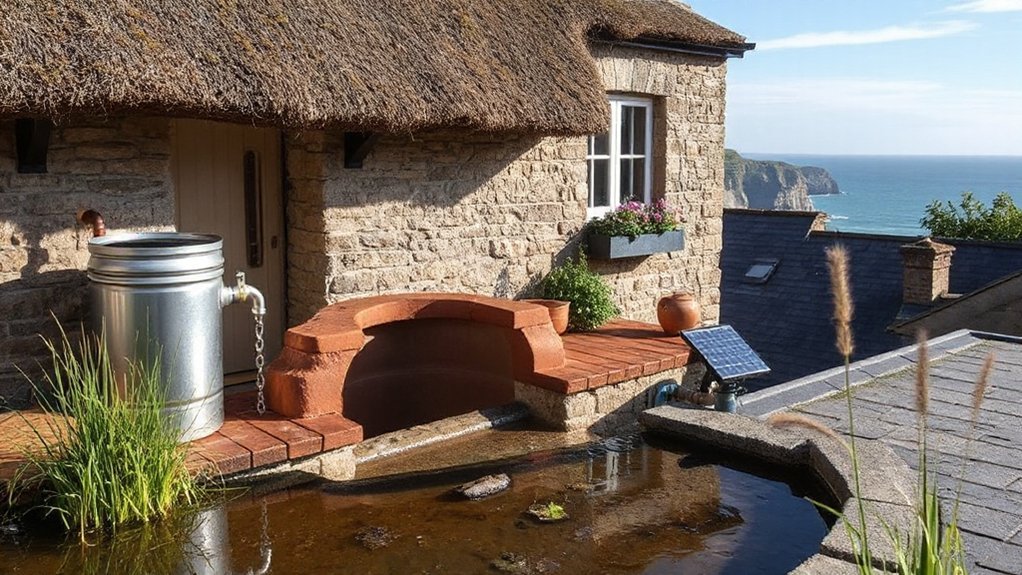
Water efficiency and rainwater harvesting are practical, cost‑saving priorities for a Cornwall cottage. You’ll reduce demand on mains water by collecting rain and treating it for household use, while safeguarding the environment.
Start with a rainwater harvesting system that’s properly sized for your needs and roof catchment area, then install a filtration step to guarantee safety for non‑drinking uses.
Consider a greywater system for between‑bath and sink applications to minimize waste without compromising hygiene.
Integrate smart controls to match usage with rainfall patterns and seasonal storage.
Drainage and overflow must be engineered to prevent contamination or flooding.
Regular maintenance keeps performance high and costs low, reinforcing sustainable charm throughout your home.
- Rainwater recycling for toilets, laundry, and irrigation
- Greywater systems with proper filtration and zoning
- Smart controls and routine maintenance for reliability
Ground and Soil Considerations for Coastal Plots
Coastal soil poses unique challenges, from salt spray effects to the mineral makeup that shapes drainage and plant choices. You’ll want to assess soil composition, monitor salinity levels, and choose erosion controls that suit your plot’s coastal dynamics.
We’ll explore practical tactics for erosion mitigation, plant selection tolerant of salty air, and how these factors inform sustainable foundation and garden decisions.
Coastal Soil Composition
Coastal soil often varies dramatically over short distances, so you’ll want to identify the specific ground you’re working with before planning any renovation. You’ll assess composition—sand, silt, clay—plus organic content and drainage, as these factors guide foundations, decking, and plant choices.
The aim is stability and sustainability, so you’ll favor materials and designs that work with existing soil structure instead of fighting it. Consider drainage patterns to prevent pooling near foundations and to support healthy root systems for Seaside flora.
Also, plan for shoreline dynamics like coastal erosion, which can reshuffle topsoil and affect moisture.
- Soil texture and drainage assessment for site-specific planning
- Organic matter and rooting depth considerations for landscape choices
- Erosion-aware stabilization strategies that protect both garden and cottage
Salt Spray Impacts
Salt spray can damage soil and plant life on coastal plots, so you must assess and mitigate its effects before you renovate.
In coastal environments, salty particles settle on surfaces and soil, altering chemistry and threatening sensitive species. You’ll want to prioritize salt-tolerant planting, mulch to conserve moisture, and barrier strategies that reduce salt splash onto foundations.
Test soil salinity and pH to guide amendments, and select substrates that resist saline intrusion. Consider drainage improvements to prevent salt accumulation around roots, and install protective windbreaks or low-vegetative barriers to disrupt salt spray trajectories.
When you plan materials, favor corrosion-resistant metals and treated timbers suited for coastal conditions. Remember, coastal erosion interacts with salt exposure, so design choices should reinforce stability while supporting healthy soil structure.
Erosion Mitigation Tactics
Erosion control on coastal plots starts with understanding how wind, water, and soil interact to shape the ground beneath your cottage. By anticipating seaside erosion patterns, you can implement targeted measures that protect foundations while maintaining natural aesthetics.
Coastal landscaping choices should prioritize stability, drainage, and minimal disturbance, reducing waterlogged soils and sediment loss. Select native grasses and shrubs with strong root systems to bind soil, and use permeable hardscape where possible to manage runoff.
Consider terracing on slopes and installing geotextiles under paths to prevent undercutting. Regular inspections after storms help you spot early signs of erosion and adapt tactics promptly.
- Use native groundcovers with deep roots to stabilize banks
- Employ terracing and permeable surfaces for controlled drainage
- Install simple monitoring and maintenance routines after high tides
Non‑Toxic Paints and Finishes That Keep Interiors Vibrant
Choosing non-toxic paints and finishes can preserve indoor air quality while delivering vibrant, durable color for your cottage. You’ll pick low-VOC or zero-VOC formulations to minimize odors and off-gassing, while still achieving rich, lasting hues.
Look for water-based acrylics and plant-based oils that resist fading in Cornwall’s light. When selecting finishes, choose sealers and topcoats labeled non-toxic to protect surfaces without harmful fumes.
Apply primers that promote adhesion and reduce the number of coats, saving time and material.
Color psychology can guide your choices: cooler tones for calming rooms, warmer shades to enhance cozier nooks, and accents that energize gatherings.
Plan furniture placement to maximize light and color impact, avoiding heavy blocks that dull vibrancy.
Soundproofing and Comfort Without Heavy Renovation
If you want better soundproofing and comfort without a heavy renovation, start by sealing gaps around doors, windows, and floors to stop drafts and muffled sounds. Then layer your approach with simple, proven soundproofing techniques that don’t require major work, such as adding soft furnishings, rugs, and heavy drapes to absorb impact noise and echo.
Choose door sweeps and weatherstripping to reduce transmission through frames, and place furniture to disrupt sound paths. Small upgrades, like underlay for floorboards, can noticeably boost quietness and cottage comfort.
- Add thick curtains and area rugs to dampen reflections and footfall
- Install door sweeps and weatherstripping for tighter seals
- Use soft furnishings and strategic bookcases to interrupt sound paths
Managing Moisture and Damp in Coastal Conditions
Coastal moisture poses unique challenges, but with practical steps you can keep walls dry, mold at bay, and woodwork resilient. You’ll prioritize vapor barriers, breathable insulation, and crawl-space drainage to manage humidity without trapping moisture. Use waterproof membranes on basements or ground floors, and guarantee proper flashing around windows and doors to prevent leaks.
Regularly inspect for condensation hotspots, vent kitchens and bathrooms adequately, and run dehumidifiers during damp seasons. Choose low-odor, moisture-resistant finishes and timber treatments that resist rot, while allowing walls to breathe.
Maintain airflow with trickle vents and ceiling fans, and seal exterior gaps to reduce damp ingress. In this approach, you protect Wildlife habitats and respect cultural preservation by sustaining the cottage’s materials and historic character.
Outdoor Spaces: Hedges, Hedgerows, and Micro‑Climates
Outdoor spaces around a Cornwall cottage benefit from thoughtful hedges, hedgerows, and micro-climates that boost privacy, wind protection, and biodiversity. You’ll create wildlife habitats with layered planting, selecting native plantings that suit exposed coastal soils while attracting pollinators.
By mixing evergreen and deciduous species, you gain year‑round shelter and seasonal interest, plus micro‑climate shading for sunny spots and frost pockets. Plan hedges for boundary screening and hedgerows for biodiversity corridors, linking garden to countryside.
Include simple water features or damp-friendly margins to support amphibians and insects, enhancing resilience to coastal winds. Prioritize local provenance, soil tests, and maintenance schedules to sustain long‑term health and structure.
- Wildlife habitats and native plantings support a thriving, balanced ecosystem
- Strategic hedges create privacy, windbreaks, and seasonal beauty
- Micro‑climates guide plant choices and garden usability
A Step‑by‑Step Eco Renovation Plan for a Cornwall Cottage
Begin with a thorough site survey, mapping thermal performance, moisture risk, and structural integrity. Then set clear priorities aligned to your budget.
Prioritize historical preservation outcomes—preserving character while upgrading insulation, windows, and ventilation—so your renovation respects the past.
Choose interior decor that complements the era, using sustainable finishes, responsibly sourced timber, and low‑VOC paints.
Develop a phased schedule: retrofit envelope first, then systems, finally aesthetics.
Opt for energy‑efficient heating, passive design tweaks, and on‑site generation where feasible.
Document decisions for future stewardship, ensuring repairs mirror original techniques but leverage modern efficiency.
Conclude with ongoing monitoring to sustain comfort and value.
Frequently Asked Questions
How Much Upfront Cost for Eco Upgrades in Cornwall Cottages?
You’ll typically need £5,000–£15,000 upfront for eco upgrades in Cornwall cottages, depending on scope; solar panels and rainwater harvesting can offset costs, with grants and incentives helping. You’ll recoup through energy savings and increased property value.
Which Eco Materials Suit Crowded Seaside Clay Soils?
Yes—for crowded seaside clay soils, choose eco materials with proven soil stability and robust material compatibility, like stabilized hemp-lime, responsibly sourced timber, and lime-putty systems; make sure you assess drainage, shrink-swell behavior, and moisture management throughout your project.
What Grants Exist for Sustainable Cottage Renovations?
Grants exist through Government incentives, Funding opportunities, and regional schemes; you can access subsidies for energy efficiency, insulation, and renewables. You’ll apply via local authorities or LCN/GB-wide programs, receiving guidance and faster approvals to finance sustainable cottage renovations.
How to Balance Charm With Modern Energy Targets?
To balance charm with modern energy targets, you blend traditional aesthetics with modern technologies, prioritizing efficient insulation, airtight joints, and discreet solar or heat pumps, ensuring comfortable spaces that respect character while cutting emissions and boosting performance.
Can a Small Cottage Meet Passivhaus in Cornwall Climate?
Like a compact fortress, yes—you can meet Passive House standards in a small Cornwall cottage. You’ll prioritize Passive design and Thermal insulation, ensuring airtightness, balanced ventilation, and solar gains align with local climate constraints.
Conclusion
You’ve got a clear path to an eco-friendly Cornwall cottage: assess climate, set precise goals, and boost airtightness with careful insulation, then heat efficiently using renewables. Prioritize moisture control, sound comfort, and smart outdoor micro-climates with hedges and hedgerows. Draft a practical step-by-step plan, then execute in manageable stages. Remember, a well‑insulated seaside home saves energy, minimizes damp, and elevates everyday living. Embrace a future‑proof approach—think of a solar‑powered, low‑impact bungalow, circa 1800s whim, with modern efficiency.
About the Author