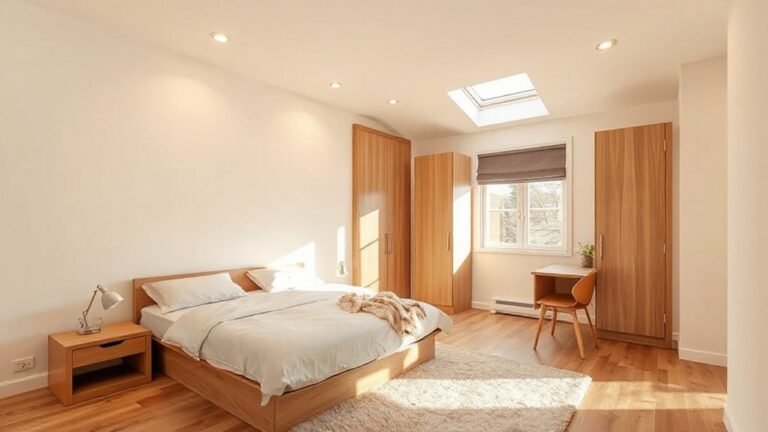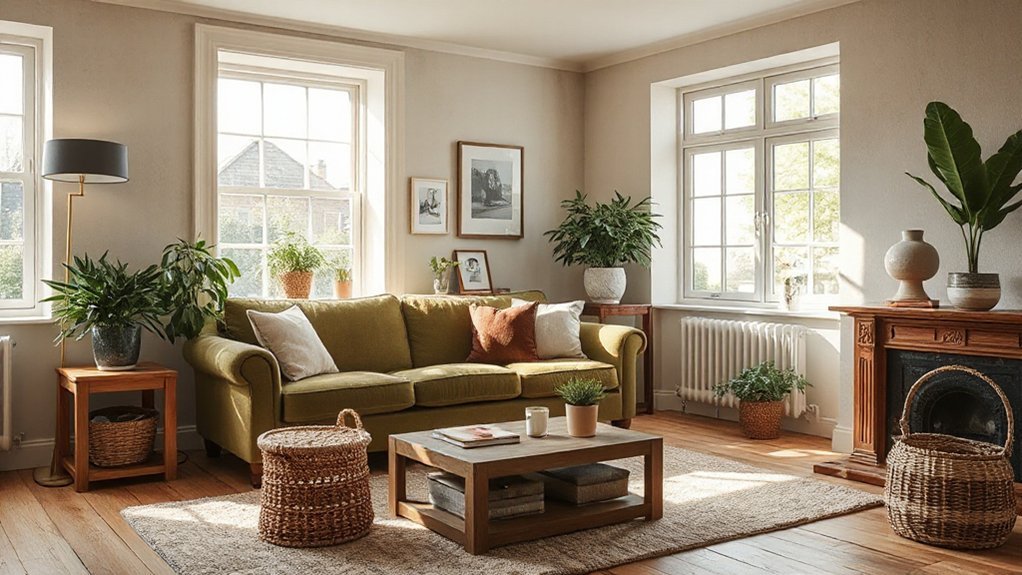
You might worry trends are fleeting, but these UK-focused moves lean into lasting warmth and craft. You’ll blend warm neutrals with tactile textures, plan for multi-use spaces, and layer lighting to flex with mood. Think durable, eco-friendly materials that age gracefully and silhouettes that endure. Start with smart storage and compact-logic layouts, then add bold pops that spark personality. Curious how to balance restraint with impact as you refresh your home this year? Let’s explore.
What UK Homes Want This Year: Guiding Your Design Choices
From the latest design mood boards to real-world builds, UK homes are signaling a clear shift toward practicality, sustainability, and warmth. You’re prioritising spaces that perform, not just look good so you blend durable materials with timeless appeal.
Expect elements that nod to Art deco for structured glamour—chromed accents, geometric motifs, and bold contrast—paired with a vintage revival mindset that brings Patina and story into everyday use. Your choices favour craft, longevity, and airiness: timber tones, recycled metals, and thoughtful insulation.
Function informs form, so hidden storage, multi-purpose zones, and adaptable lighting guide decisions. You’ll curate textures and silhouettes that feel refined yet approachable, creating rooms that age gracefully while staying relevant.
This year, character-understated, quality-forward design wins.
Warm Neutrals and Tactile Textures for Year‑Round Coziness
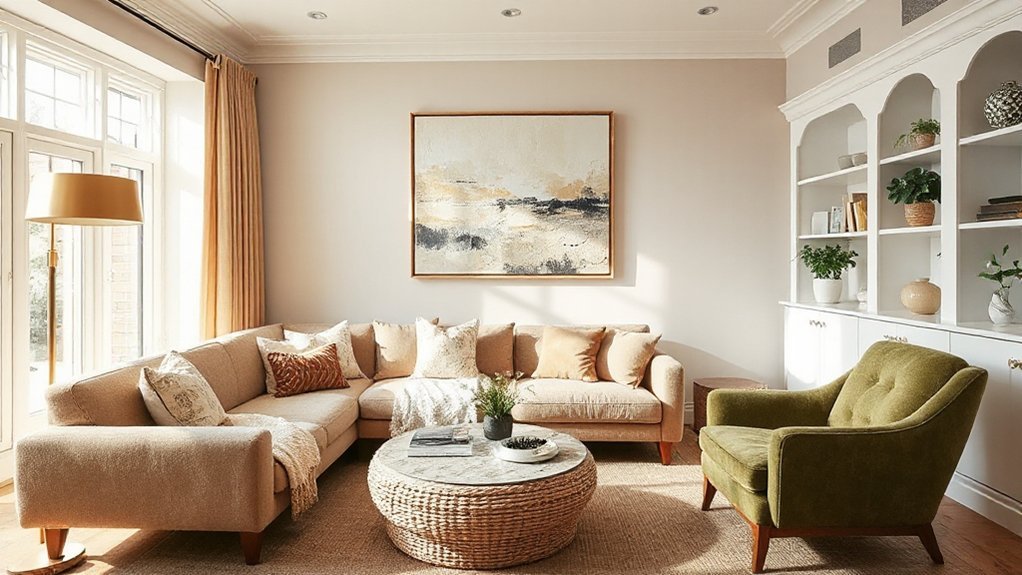
Warm neutrals anchor the year-round coziness trend, pairing soft beiges, warm greys, and creamy whites with tactile textures that excite the senses. You’ll notice textured accents—fabric, weave, and natural fibers—that deepen warmth without shouting.
Build cozy color palettes by layering matte finishes with subtle gloss, letting light bounce softly across surfaces. Think clay-tinged tones, oat and cream, and a touch of taupe to ground rooms that feel both easy and refined.
You’ll want tactile furniture—linen upholstery, boucle, wool—paired with plush throws and knitted cushions. Keep patterns minimal; texture carries the story.
This approach invites calm, tactile immersion while staying adaptable to seasonal shifts. The result is approachable, modern comfort you can live in year after year.
Choosing Durable, Sustainable Materials That Age Well
Choosing durable, sustainable materials that age well means prioritizing longevity without sacrificing style. You’ll seek surfaces that resist daily wear, yet develop character over time, so your spaces feel timeless rather than trendy.
Prioritize responsibly sourced timber, low-VOC finishes, and durable composites that stand up to UK weather. Eco friendly finishes aren’t just a trend; they’re a practical choice that reduces maintenance and keeps interiors vibrant.
Look for weather resistant surfaces in kitchens, bathrooms, and flooring, ensuring protection from humidity, spills, and temperature swings. Favor neutral palettes that patina gracefully, and pair them with durable textiles and metals that age well with you.
This approach blends sustainability with lasting appeal, guiding you toward thoughtful, future-proof design decisions.
Flexible Layouts: Multipurpose Rooms and Smart Storage
Flexible layouts empower UK homes to adapt as needs shift, pairing multipurpose rooms with smart storage to keep spaces calm and organized. You’ll segment areas with movable screens, modular furniture, or foldaway desks that vanish when not in use, creating instant quiet zones for work, exercise, or relaxation.
Implement built-in storage nooks and wall-mounted cabinets to maintain clean lines and visual calm, even in compact spaces. Prioritize sightlines and natural light, using artificial lighting to sculpt mood without clutter.
Integrate home automation for climate, lighting, and appliance controls, so conversions happen with a tap or voice command. The result is a flexible, efficient footprint that supports evolving routines while preserving style, balance, and everyday usability.
Bold Color Pops and Kinetic Lighting to Set the Mood
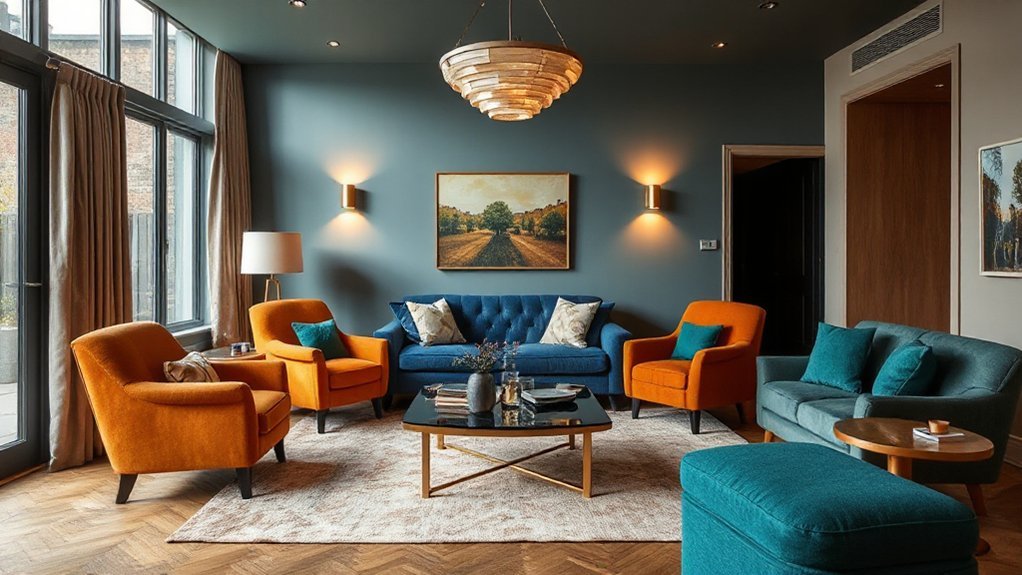
Bold color pops and kinetic lighting redefine mood by turning small accents into high-impact design moves. You’ll create rhythm with bold hues in cushions, vases, and art, then balance them with kinetic fixtures that guide the eye as you move through a space.
This approach leverages color psychology to influence emotions—think energizing reds in social zones or calming blues for retreats—without overhauling your entire palette. Pair vivid accents with adjustable, statement lighting to craft varied lighting ambiance for different moments, from bright mornings to cozy evenings.
Keep bases neutral to let pops land with precision, and let motion—rotating pendants, responsive dimmers, color-changing LEDs—add depth. The result is a curated, adaptable mood that remains distinctly, unapologetically UK.
Sustainable Choices That Don’T Compromise Style
Smart sustainability isn’t about sacrifices—it’s about smarter choices that elevate your style. You’ll notice eco friendly materials influencing textures, finishes, and sustainability claims without compromising look or feel.
Prioritize products with transparent sourcing and durable design, so every purchase earns longevity as a visual statement. Pair this with clean lines and restrained palettes to keep rooms feeling timeless rather than gimmicky.
Renewable energy isn’t a renovation trend; it’s a practical backbone—solar panels, heat pumps, and efficient systems reduce bills while shrinking your footprint.
Embrace multi-functional pieces that reduce clutter and materials usage, like modular storage or lightweight seating.
Finally, celebrate daylight and shading strategies to lower energy needs, proving sustainable choices can be chic, accessible, and inherently modern.
Timeless Silhouettes: Furniture That Stays Relevant
Timeless silhouettes endure by design, not by luck, so furniture that stays relevant feels effortless and intentional. You’ll notice pieces built to endure changing fads, prioritising clean lines and balanced proportions that pair with varied palettes.
Seek Vintage revival elements that nod to history without looking dated, ensuring your room remains fresh across seasons. Look for sculptural forms that add character without dominating the space, letting light and flow breathe through the layout.
Neutral grounds—creamy beiges, soft greys, warm woods—anchor bold accents rather than compete with them. Invest in versatile foundations: sofa frames with generous scale, low-profile legs, and timeless hardware.
When you swap textiles or art, the core silhouette carries the room, translating easily from living to dining zones. Your space stays relevant, cohesive, and quietly confident.
Small‑Space Strategies: Maximizing Impact in Compact Homes
Smart storage, clever in-folding solutions, and smart layouts help you maximize every square foot without sacrificing style.
Choose multi-functional furniture that performs like storage, seating, and work zones all in one, so small spaces feel expansive.
Light and color techniques set the mood, widening the perception of depth and creating a calm, cohesive backdrop for the ideas above.
Clever Storage Solutions
When space is at a premium, clever storage isn’t a nicety—it’s a necessity, turning every square foot into usable room. You’ll prioritize hidden compartments and modular shelving to create a calm, clutter-free backdrop. Look for recessed lids and under‑bed drawers that conceal daily detritus without visual distraction.
Modular shelving adapts to evolving needs, letting you reconfigure as rooms change use or size. In kitchens and living zones, wall-mounted systems free floor space while keeping essentials accessible.
Use vertical channels for tools, books, or plants, maximizing height without widening footprints. Choose integrated organizers with consistent finishes to maintain a streamlined look.
Finally, plan zones with clearly defined storage that doubles as decor, proving restraint yields efficiency and a sharper, more lived‑in atmosphere.
Multi-Functional Furniture Picks
Multi-functional furniture is the smart anchor for small spaces, letting you do more with less without sacrificing style. You’ll optimize footprints with pieces that morph from workstations to dining nooks, desk to console, and bed to storage.
Look for modular sofas that convert into guest beds, coffee tables with hidden drawers, and ottomans that hollow out for clutter-free living. Prioritize adaptable furniture that scales with your needs, so a compact living room can breathe as a home office or film-night retreat.
Choose clean lines and subtle hardware to avoid visual clutter, keeping spaces feeling larger. Favor lightweight, stackable options you can rearrange in minutes. These space-saving solutions ensure function stays fluid, with form that stays unmistakably on-trend.
Light & Color Techniques
Lots of small-space strategy hinges on light and color. You’ll maximize impact by layering three elements: natural daylight, reflective surfaces, and targeted lighting.
Use vertical lines and large mirrors to bounce light into corners, expanding the perceived space without adding bulk. For color, lean into color psychology: soft neutrals with warm undertones feel airy, while cool accents create depth.
Introduce Lighting harmonies by mixing ambient, task, and accent sources to avoid flatness and to sculpt mood. In a compact room, choose a single, statement hue to unify walls and storage, then keep furniture silhouettes light and streamlined.
Don’t over-saturate a small area—balance brightness with contrast, and let texture (wood, linen, metal) give tactile interest without visual clutter.
Layered Textiles and Pattern Logic for Depth
Layered textiles create instant depth by mixing textures and weights—think knits next to smooth satins and natural linens. Use pattern logic to guide contrast and cohesion, balancing scale, color, and rhythm across your spaces.
You’ll notice pattern-driven layering adds warmth and nuance without clutter when each element serves a clear purpose.
Layered Textile Depth
Layered textile depth adds tactile drama to rooms by combining textures, weights, and patterns in a deliberate hierarchy. You create dimension by alternating plush weaves with smooth surfaces, letting heavier fabrics ground spaces while lighter textiles float above.
This approach relies on thoughtful rhythm: anchor with a substantial throw, layer midweights at seating, and finish with tactile accents at eye level. In practice, textile layering translates into a curated mix of boucle, velvet, linen, and cotton, each selected for contrast in sheen, density, and resilience.
Balance matters: keep patterns restrained and scale varied to avoid visual clutter. This depth isn’t about overload; it’s about intentional texture choreography that invites touch and enhances acoustics, making rooms feel more curated, intimate, and quietly cinematic. fabric textures, textile layering.
Pattern Logic Balance
Pattern Logic Balance ties Layered Textiles to depth by aligning textiles with a governing grid of scale, sheen, and weight. You gain cohesion by treating each piece as a note within a broader composition, not a standalone accent.
Use textile mixing to blend textures and finishes—matte silks with brushed wool, silk blends with linen—for subtle tension rather than competition. Pair patterns thoughtfully through a shared scale ladder: large motifs anchored by smaller repeats, then balanced with solid blocks to ground the room.
Pattern pairing becomes deliberate rhythm, guiding eye movement and space perception. Maintain restraint in color and sheen to preserve harmony as layers accumulate.
This approach yields rooms that feel curated, cohesive, and quietly forward-facing without shouting trends.
Sourcing and Budgeting for a Trend-Forward Refresh
Sourcing and budgeting for a trend-forward refresh starts with a clear plan: define the look you want, estimate costs early, and lock in reliable suppliers before the season shifts. You’ll prioritize adaptable pieces that mix well with existing elements, then allocate funds by room and function to avoid overspending.
Budget allocation should reflect core investments first—statement pieces, durable fabrics, and quality finishes—while keeping room for small, high-impact updates like hardware, textiles, and color accents. Do a supplier comparison across materials, lead times, and return policies, noting any bulk-order discounts.
Track costs in a simple spreadsheet and set a contingency—about 10%—for surprises. By aligning mood boards with real quotes, you’ll streamline purchases and prevent impulse buys that derail progress.
Frequently Asked Questions
How to Balance Trends With Resale Value?
To balance trends with resale value, you mix timeless basics with vintage accents and bold patterns; you keep core neutrals, rotate standout pieces seasonally, and prioritize quality over flash to preserve appeal for future buyers.
Which UK Regions Influence Interior Color Palettes Most?
You’ll notice regional color influences shift with coastal palettes and urban grit, guiding you. In practice, cultural design preferences steer choices, so you tailor schemes to your locale, balancing depth and brightness for authentic Regional color influences.
Can Sustainable Materials Meet Budget Constraints?
Yes, sustainable materials can meet budget constraints if you choose eco friendly options and cost effective solutions, prioritizing durability, local sourcing, and simple, scalable designs that reduce waste while delivering stylish, trend-driven interiors you’ll love.
How Often Should You Refresh Small-Space Styling?
Refresh small-space styling every few months, you’ll notice subtle magic. Euphemistically, keep things feeling fresh without overhauls. Try wallpaper alternatives and smart furniture arrangement to maintain trendiness and maximize flow, while you stay comfortably budget-conscious.
What Are Low-Maintenance Interior Upgrades for Renters?
You can opt for DIY decor that’s rental friendly upgrades, like removable wallpaper and modular shelving. You’ll add character without penalties, making spaces feel intentional, affordable, and on-trend, while staying reversible and practical for future moves.
Conclusion
You’ve got the blueprint to elevate your space with ease. Embrace warm neutrals, tactile textures, and sustainable basics that age gracefully, then layer in multipurpose layouts and smart storage to keep things flexible. Add bold pops and kinetic lighting to spark mood, while timeless silhouettes keep it relevant year after year. In compact rooms or sprawling spaces, thoughtful layering ties it all together. It’s a slow bake, not a quick fix—get comfortable, and watch your home come alive. You’re in good company.
About the Author