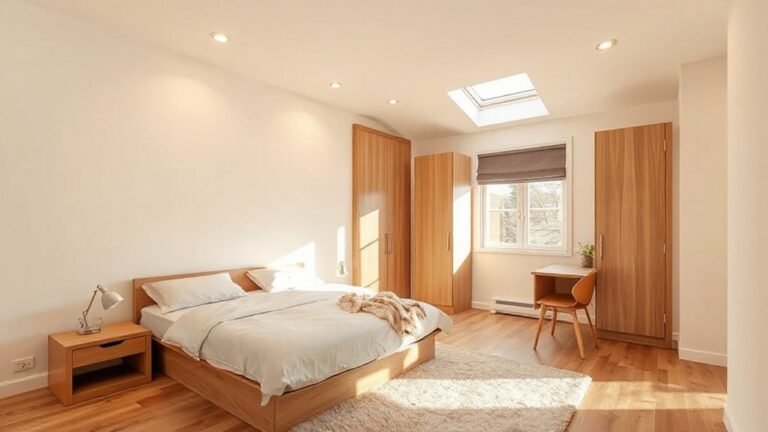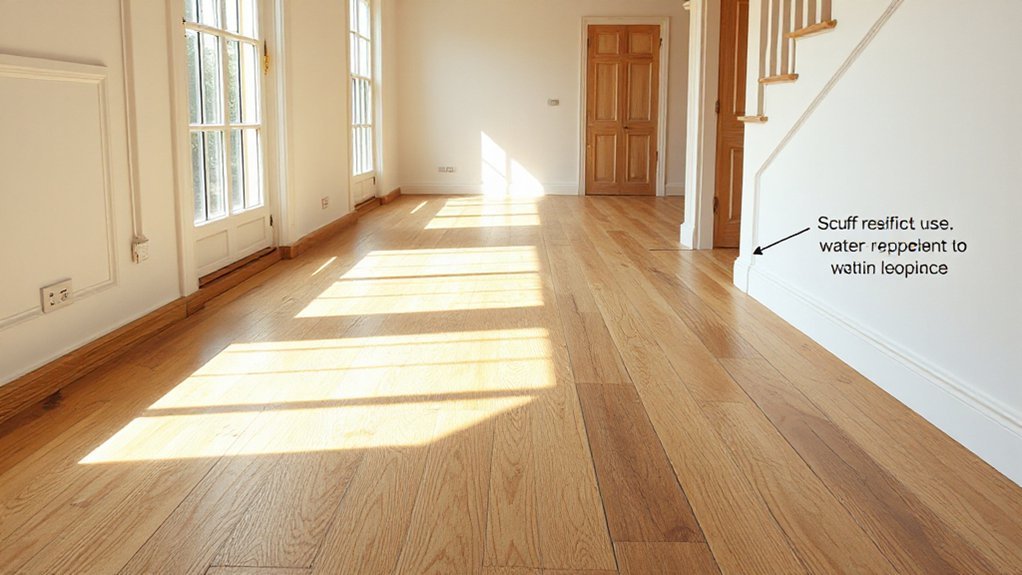
Did you know the right flooring can cut maintenance time by half in a busy UK home? For high-traffic areas, you’ll want durability, moisture resistance, and easy care, not just looks. Engineered wood, luxury vinyl, ceramic tiles, and stain-resistant carpets each bring different strengths for kitchens, hallways, and living spaces. Consider climate, underlayment, and long‑term value as you weigh options, then decide what fits your routine and budget without compromising style.
What Makes Flooring High-Traffic Ready in the UK
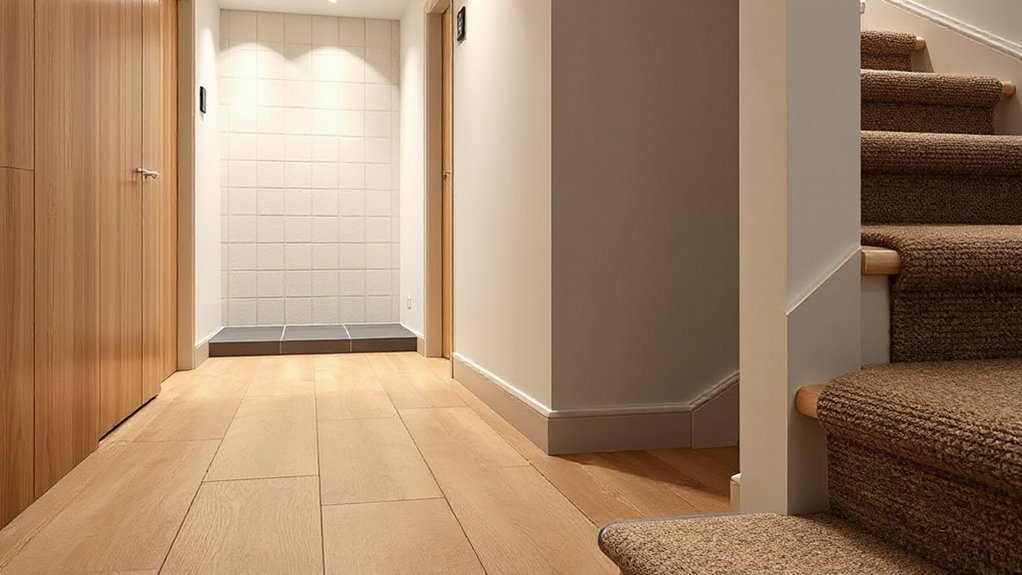
High-traffic-ready flooring in the UK must withstand frequent foot traffic, heavy furniture, and everyday spills without showing wear. You want surfaces that stay confident and inviting, not scuffed or dull. Choose durable core materials and resilient finishes that resist dents, scratches, and moisture.
Flooring aesthetics matter here: the look should align with your home’s style while surviving constant use. Eco-friendly materials can meet this brief without compromising performance, so prioritise renewables, low VOCs, and responsibly sourced components.
Prioritise installation methods that minimize gaps and movement, ensuring long-term stability. Maintenance should be practical and straightforward, with simple routines that extend life.
How to Compare Hardwood, Engineered Wood, and Alternatives
When weighing hardwood, engineered wood, and alternatives, start by matching each option’s core strengths to your priorities: durability, moisture resistance, ease of installation, and long-term maintenance.
You’ll compare structural stability: engineered wood often handles moisture better than solid hardwood, while hardwood delivers timeless appeal if you’re willing to invest in refinishing.
Consider installation: engineered boards can be quicker and DIY-friendly, with minimal acclimation.
For eco-friendly options, look at sourcing, finishes, and lifecycle impact; some brands emphasize sustainability without sacrificing look.
Aesthetic versatility matters, too—engineered plank can mimic real wood closely, while premium laminates and bamboo offer distinct textures.
Balance cost against longevity, maintenance, and your home’s traffic to choose confidently, knowing you’ll belong to a space that ages gracefully.
Luxury Vinyl and Ceramic Tiles for Spills, Wear, and Comfort
Luxury vinyl and ceramic tiles handle spills with confidence and stay comfortable underfoot, even in busy households.
They pair spill-resistance with durability, so high-traffic zones stay smart-looking longer.
You get practical, cleanability-focused options that keep wear and comfort in balance.
Spill-Resistant Comfort
Spill-resistance matters as much as durability, and luxury vinyl plank (LVP) and ceramic tiles deliver it in spades: they shrug off moisture, resist scuffs, and feel comfortable underfoot. When a spill happens, you can wipe it away quickly, keeping floors looking fresh and feeling solid underfoot.
LVP offers tight seams, realistic textures, and a soft yet resilient step, while ceramic tiles provide hard-wearing, moisture resistant flooring that’s easy to clean. This combination gives you practical peace of mind in busy spaces, from kitchens to entryways.
You’ll appreciate how these materials balance comfort with performance, reducing maintenance while maintaining style. For spill proof surfaces, choose trusted installations and simple cleaning routines that protect long-term appearance and value.
Durability For Traffic
Durability is the backbone of high-traffic UK homes, and luxury vinyl (LVP) and ceramic tiles rise to the challenge with standout wear resistance and easy upkeep. You’ll benefit from reinforced surfaces that shrug off spills, abrasions, and heavy footfall, while staying comfortable underfoot.
LVP offers resilient cores and protective layers that absorb impact and resist dents, yet remains warm and quiet.
Ceramic tiles deliver hardness, scratch resistance, and durability for busy entryways and kitchens, with long-lasting color and simple cleaning.
Eco-friendly materials can be chosen without compromising strength, supporting responsible choices.
Aesthetic versatility lets you pair durable surfaces with various patterns and trims, so your space feels cohesive and welcoming.
You’ll enjoy dependable performance that strengthens your sense of belonging in a busy home.
Laminate vs Ceramic: Performance for UK Footfall
Laminate and ceramic both handle UK foot traffic well, but their performance differs in key ways. You’ll notice durability under daily use: laminate resists scuffs and dents with a quick, practical care routine, while ceramic tiles shrug off deeper impacts but can feel harder underfoot.
Comfort matters, so consider underfoot warmth and sound; laminate often feels softer and quieter, ceramic can be cooler and noisier unless you add underlayment or rugs.
Maintenance leans toward simplicity with laminate, which cleans easily, yet grout lines in ceramic require periodic sealing and attention.
In terms of indoor air, laminate won’t release VOCs after installation, while a well-sealed ceramic floor keeps dust low for sensitive households.
Aesthetic appeal is strong in both; choose based on your space’s feel and long‑term plans.
Carpets in Busy Homes: Fibers, Pile, and Maintenance
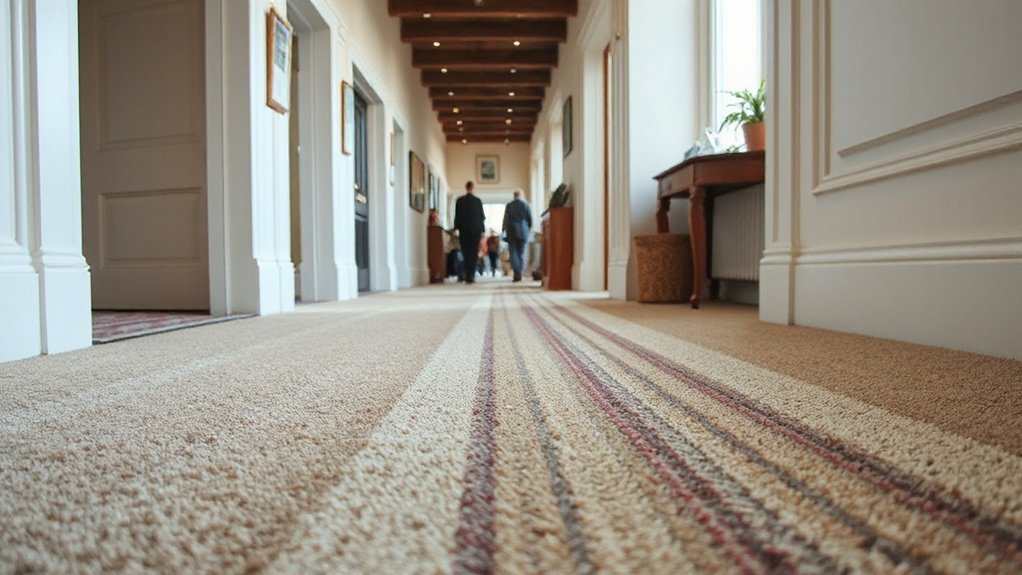
Carpets in busy homes hinge on choosing the right fibers and pile, then pairing them with a maintenance plan that fits daily life. You’ll prioritize fiber durability, selecting blends or synthetics that resist wear and staining while staying comfortable.
Consider pile height for footfall: low to medium piles hide footprints and vacuum efficiently, while high piles feel lush but require more upkeep. For busy households, choose tight loops or cut-pile constructions with stain-resistant finishes.
Establish a practical routine: daily quick vacuum, spot-clean spills immediately, and a quarterly deep clean. Use doormats and entry-zone mats to reduce dirt intrusion.
Rotate furniture if possible to even wear. With intentional fiber, pile choice, and simple maintenance, your carpets stay durable and inviting.
Underlayment, Installation Methods, and UK Climate Compatibility
Choosing the right underlayment and installation method is essential for comfort, noise control, and climate resilience in UK homes. With the right approach, your floor will perform well across seasons.
You’ll benefit from selecting underlayment options that suit traffic, moisture, and insulation needs, ensuring stability and reduced creakiness in busy hallways and kitchens.
For high-traffic areas, opt for moisture barriers paired with a rigid or floating installation that suits your subfloor.
Installation techniques matter: clean, level subfloors, proper expansion gaps, and consistent fastener use prevent gaps and squeaks.
In UK climates, choose breathable assemblies when needed and avoid trapping humidity.
This approach supports durability, quiet operation, and a comfortable, cohesive home feel you can trust day after day.
Budget, Warranties, and Long-Term Value
When budgeting for flooring in high-traffic UK homes, you should weigh upfront costs against long-term value, balancing price, durability, and return on investment. You’ll look for a sensible mix of affordability and resilience, so you don’t compromise on daily use or aesthetics.
Warranties matter: choose products with solid coverage and clear terms, and verify installers meet recognised standards.
Consider lifecycle costs, not just initial purchase price, including maintenance, refits, and potential replacements. For lasting appeal, pick options that align with your interior design goals while withstanding wear.
In home renovation planning, ask about transferability of warranties and service support. This practical approach reinforces belonging—you’ll feel confident recommending trusted choices in conversations about interior design and family-friendly spaces.
Frequently Asked Questions
How Do I Calculate Total Cost of Ownership for Busy Households?
To calculate total cost of ownership, you consider Flooring installation costs, ongoing maintenance, and replacement intervals, then compare Flooring material durability and lifespan. Include wear, cleaning, and repair times; budgeting for energy and resale; use trusted, durable options.
Which Flooring Reduces Allergy Symptoms in High-Traffic Areas?
You should choose allergy friendly materials and dust resistant flooring, which reduce allergen exposure in busy areas. These options help you breathe easier, stay practical, and feel part of a healthy, inclusive home you proudly share with others.
Do UK Climate Changes Affect Wear Rate of Floors?
Climate impact does matter: yes, UK climate shifts can accelerate wear resistance changes, affecting your floors’ lifespan. You’ll notice faster wear in damp, temperature swings, so choose materials with proven wear resistance and proactive maintenance.
How Often Should High-Traffic Floors Be Professionally Inspected?
You should inspect high-traffic floors every 12–24 months, adjusting for wear. Flooring material durability guides your schedule; follow inspection frequency guidelines, and address issues promptly so you feel confident, supported, and part of a well-maintained home community.
What Maintenance Schedule Extends Lifespan for Busy Homes?
A maintenance schedule that extends lifespan for busy homes is: perform regular floor cleaning, seal high-traffic zones quarterly, and inspect for wear monthly; rotate furniture, address spills instantly, and choose flooring with material durability suited to busy lives.
Conclusion
In a high-traffic UK home, this isn’t just flooring choosing—it’s a defense against chaos. You’ll sprout superpowers: spill-proof practicality, ultra-durable wear, and a stylish finish that forgives your busiest days. With engineered wood, luxury vinyl, ceramic tiles, or stain-resistant carpet, you’ll outlast muddy paws, runaway wheels, and traffic jams of daily life. Choose smart, install right, and enjoy floors that stay flawless while you conquer everything else. Your home deserves nothing less than legendary durability.
About the Author