A studio flat can feel surprisingly expansive when you carve out zones that flow into each other rather than stack compartments. You’ll feel the difference as you pick anchor pieces, layer warm light, and introduce textures that invite touch. There’s a quiet rationale to every placement and detail that signals belonging, even in a compact space. Curious what small shifts could make the space truly yours without losing it to clutter?
Zone the Studio: Create Room-Like Areas in One Open Plan

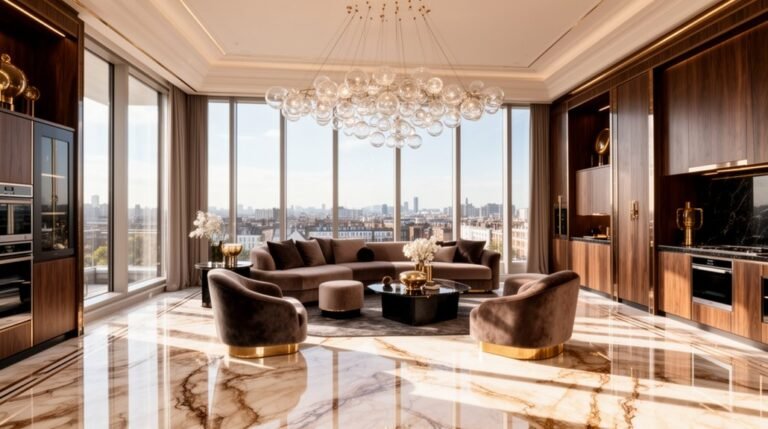
Want to define distinct zones in your open plan without walls? You can carve space with thoughtful placement and light, turning a single area into multiple, usable spaces. Start by imagining you’re outlining spatial zones, not walls, so flows stay seamless. Use a rug to anchor a dining nook, a sofa arrangement to cue a living area, and a low bookcase to create a visual divider without closing off. Vary heights and textures—hanging pendant lights over the kitchen, a tall plant near the seating—to signal different zones while keeping sightlines open. Opt for furniture that’s scalable and dual-purpose, so you retain flexibility as needs shift. This approach preserves openness while delivering defined, cozy corners in your Open plan.
Pick Anchor Furniture: 3 Multifunction Pieces for Small Spaces
You’ll start with anchor furniture that does double duty, keeping sightlines clear while tucking in everyday essentials. Think pieces that flex from seating to storage, so you gain space-smart storage without clutter. With the right trio, each square foot earns purpose and a homey feel.
Anchor FurnitureFlexibility
Anchor furniture is the backbone of a small-space layout, so choose three multifunction pieces that work hard and stay flexible. You want forms that adapt, not clutter. A sofa bed with hidden storage becomes a daytime lounge and a guestroom at night, preserving flow without sacrificing function. Pair it with a compact dining table that folds flat or expands to seat neighbors, keeping circulation clear while inviting meals or work sessions. Finish with a modular media console that doubles as a desk or bar, its components rearranging to suit mood or guests. In flexibility design, you gain room to breathe and to rewire routines—daily rituals, storage habits, and social moments. Anchor furniture supports continous shifts, keeping the space coherent and intimate.
Space-Smart Storage Solutions
Living in a compact studio demands clever storage that disappears into the design. You’ll find three multifunction pieces from Anchor Furniture ideal for small spaces, each engineered to maximize every inch. Start with a coffee table that lifts into a compact workstation, revealing Hidden compartments for chargers, remotes, and notepads without crowding the surface. Next, a sofa that converts into a guest slept with built-in storage under the cushions, keeping extra blankets and pillows out of sight. Finally, a minimalist media console stacks vertical shelves, using Vertical shelving to display books and essentials while maintaining clean lines. These pieces optimize function and flow, creating calm, uncluttered zones where you can live, work, and unwind without feeling boxed in.
Light to Feel Warm: Layered Lighting for a Cozy Studio
Soft, warm lighting turns a studio from slick to inviting the moment you switch it on. You’ll layer light so the space feels cozy without glare. Start with ambient glow from a dimmed ceiling or wall fixture to set a welcoming mood without drawing attention to fixtures. Add task lighting where you need focus—a desk lamp for work, under-shelf LEDs for kitchen prep, a reading wall light by your bed. Use dimmers to shift intensity as your day unwinds. Choose warm color temperatures to enhance softness and avoid blue casts. Keep cords managed and fixtures close to surfaces to minimize shadows. Balance brightness across zones so every corner feels usable, not fleeting, ensuring the studio reads as home, not showroom.
Color and Texture That Hug You: How to Layer for Warmth
Color and texture wrap you in warmth the moment you step in, so start layering with soft textiles, tactile surfaces, and inviting hues that echo your daily rhythms. Think plush throws, woven cushions, and a curated mix of matt and velvety finishes to create pockets of coziness you can actually feel. With deliberate pairings from the Layered Warmth Techniques and Textures for Cozy Rooms, you’ll coax a studio to read as home, not just a space.
Layered Warmth Techniques
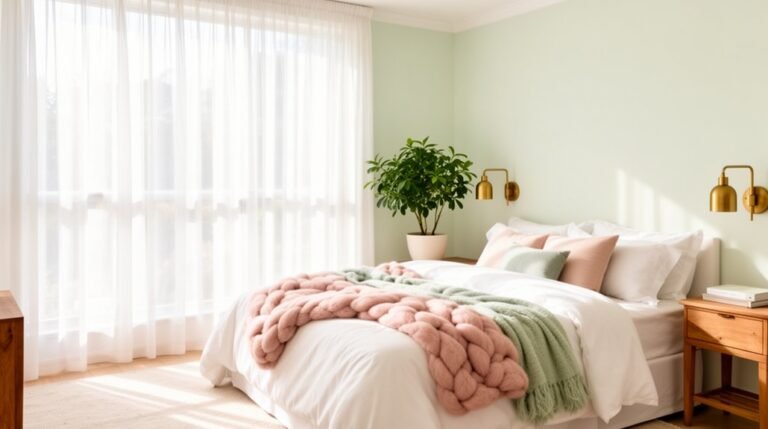
Layered warmth comes from combining color, texture, and light in deliberate, everyday choices. You’ll create depth by pairing warm neutrals with richer accents, then repeating those tones across surfaces and textiles. Layered textiles bring comfort: a soft throw, a woven rug, and cushy cushions in varying textures to cue tactile coziness without clutter. Keep patterns restrained and scales mixed to avoid visual noise. Introduce ambient fragrances near seating and entry points to cue memory and mood, but avoid overpowering the room. Use lamps and warm bulbs to cast a forgiving glow that unifies colors. Balance is essential: light wood or aged metal grounds the space, while subtle metallic hints reflect warmth. Finish with a small, scented focal point that’s easily refreshed.
Textures for Cozy Rooms
Textures are the texture you reach for when you want warmth to feel immediate and intimate. You blend different surfaces to create a cocoon: a chunky-knit throw, a velvety pillow, and a smooth wool rug underfoot. This is texture layering with purpose. Seek textural contrast: pair a glossy tabletop with matte ceramics, or a leather chair next to a soft fabric ottoman. Fabric choices matter most, guiding feel and durability. Choose natural fibers—cotton, linen, wool—for breathability and softness; mix them with a durable cotton blend for everyday use. Keep color cohesive, letting hints of warmer tones tie elements together. Elevate lighting to cast gentle shadows on textured surfaces, so warmth feels tangible, inviting, and consistently cozy throughout the room.
Personalize With Purpose: Display Photos and Plants Without Clutter
In a studio flat, you can personalize with purpose by curating photos and plants that feel intentional rather than cluttered. Choose a few art displays that echo your taste, then rotate seasonal favorites to keep energy fresh. Let personal routines guide placement: a daily plant check-in and a weekly frame swap keep the space alive without overwhelming it.
- A slim gallery rail with a changing set of photos and small prints
- A single, statement plant on a dedicated stand near your work nook
- A soft, cohesive color palette that ties frames, pots, and textiles together
This approach makes the space intimate and functional, turning display into a gentle mood setter rather than a distraction.
Storage That Expands, Not Shrinks: Smart Solutions for Tiny Footprints

You’ve set up a personal, purposeful space; now it’s time to make storage grow with you. In a studio, every inch counts, so choose furniture that serves multiple roles: a bed that folds into a sofa, ottomans with hidden compartments, wall-mounted shelves that float without visual bulk. Embrace minimalist decor to keep lines clean and calm, reducing clutter’s perceived footprint. Use vertical storage to free floor space, and tuck seasonal items in labeled bins under the bed or in narrow cabinets. Color psychology matters too: cool tones recede, warm accents create coziness, guiding how you place containers and what you notice first. Rotate objects seasonally, keeping only what you genuinely use or love, letting smart solutions breathe. Your space stays open, adaptable, and inviting.
Scent and Atmosphere: Small Details That Signal Home
Scent and atmosphere are the quiet signals that say home before you even speak. You don’t need grand gestures—just small, intentional cues that ground you the moment you step through the door. Scent layering creates a nuanced mood: a vanilla glow near the kitchen, citrus at the living area, a hint of cedar by the entrance. Pair this with ambient sounds that feel lived-in—soft rain on a window, distant city hum, a clock’s steady tick. These details stitch the space together, turning it from a place to live into a place to belong.
- Scent layering with distinct zones
- Ambient sounds that soothe, not overwhelm
- Subtle, natural textures and light cues
Daily Rhythm: Establishing Flow and Routines in a Compact Studio
Your day can thread itself neatly through a small space when you anchor it with simple routines that feel natural in a studio. You design a flow that saves steps and preserves calm. Start with Morning routines: lay out a single, repeatable sequence—opening blinds, a quick drink, a 10-minute tidy, and a focused work block. Let sound and light cue progressions so tasks feel purposeful, not scattered. For progressions, use defined spaces: sleeping corner, living nook, and a compact desk. In the evening, Evening rituals signal the close of work and the start of rest: dim lights, a dish rinse, a bedside tray, and a short wrap-up jot. Consistency carves order, and order makes your studio feel like home.
Frequently Asked Questions
How Can I Create Distinct Zones in a Studio Without Walls?
You can create distinct zones by using room dividers and color blocking, defining areas with textiles, furniture placement, and lighting. Choose a lightweight screen or curtain, paint walls in complementary hues, and add rugs to anchor each zone.
What Are the Best Multifunction Furniture Pieces for Small Spaces?
Convertible furniture shines, letting you switch roles fast, while multi purpose storage keeps clutter invisible. You choose compact, chic pieces, then use clever knobs and hidden compartments to create generous space—practical, evocative, and beautifully adaptable for small spaces.
How Can Lighting Influence Warmth and Coziness in a Studio?
Ambient lighting shapes warmth, creating a cozy atmosphere you’ll feel instantly. You’ll layer lamps and warm bulbs, bounce light off walls, and use dimmers, so every corner glows invitingly, enhancing textures and making your studio feel homier.
Which Textures Feel Inviting Without Clutter or Heaviness?
Textural contrast keeps things lively yet light, so you’ll notice cozy fabrics without clutter. You’re drawn in by softbritches? No—soft textures, velvet, wool, and linen deliver inviting warmth you can actually live with, minus heaviness, minus chaos. Ironically practical.
How Do I Display Photos and Plants Without Making It Crowded?
You display photos and plants by using wall art sparingly and rotating pieces. Group a few frames with decorative accents on a slim shelf, keep spacing generous, and choose lightweight pots to avoid crowding; balance height, texture, and color.
Conclusion
You’ve got this: turn a single room into a home by carving cozy zones, choosing three multifunctional anchor pieces, and layering light, color, and texture until it feels hugged by you. Smart storage shrinks clutter while expanding possibilities, and small details—plants, photos, scent—signal you’ve arrived. Fun fact: studies show restful spaces can boost mood by up to 20%. So let your routine and textures weave a daily sense of calm, comfort, and personal charm. Enjoy your studio sanctuary.
About the Author