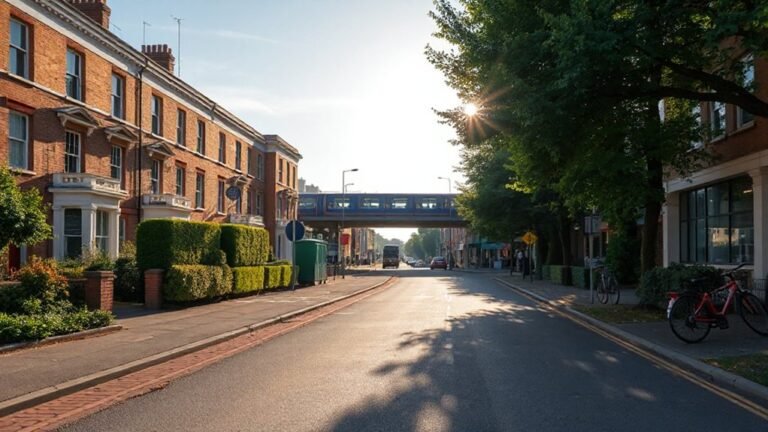
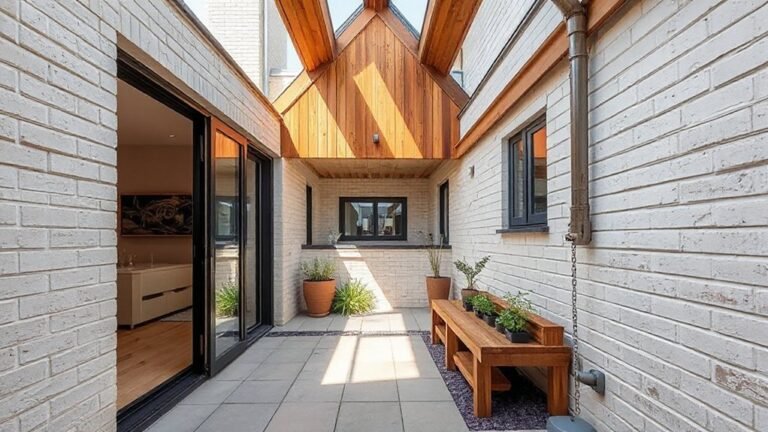
In 2026, you should consider Newcastle areas with strong demand and ongoing upgrades—Jesmond and Gateshead for rental yields, plus Quayside-facing and green-space pockets to boost appeal. Look also at Benwell and Byker for entry value, then weigh regeneration, transport links, and stock character to gauge long-term growth. Want a practical shortlist and a scoring method to slice through options? It’s time to map your criteria against current projects and market signals.
Why Newcastle’s Property Market Stays Resilient in 2026

Newcastle’s property market stays resilient in 2026 thanks to a steady mix of supply, demand, and infrastructure momentum. You can see this in ongoing housing starts, with a balanced portfolio of new apartments and family homes that mitigates price swings.
Demand remains supported by jobs growth, university activity, and a steady population inflow from nearby cities, sustaining occupancy in core assets. Transactions show selective strength in higher-margin segments, particularly Luxury apartments, where premium amenity streams align with investor appetite and renter willingness to pay.
Supply discipline keeps days-on-market concise, while continued infrastructure investment—from transport upgrades to digital Connectivity—improves neighborhood desirability.
Historic landmarks and reclaimed spaces contribute to character, attracting both residents and lenders seeking stability in a diversified Newcastle portfolio.
Core Neighborhoods to Watch: Jesmond, Gateshead, and Beyond
Jesmond shows steady investment demand with strong rent coverage and premium yields, signaling durable upside in a walkable core.
In Gateshead, growth signals point to improving infrastructure and affordable entry points that could widen your financial margin.
Beyond these hubs, the data suggests a wider Newcastle micro-market is heating up, offering selective opportunities for value-added buyers.
Jesmond Investment Outlook
Jesmond remains a standout target within Newcastle’s property market, balancing strong rental demand with resilient price growth. You’ll see steady returns driven by a mix of students, young professionals, and long-term tenants seeking a high-quality lifestyle.
Historically, demand persists from tenants drawn to walkable streets, timeless historical architecture, and proximity to city amenities, even as broader markets soften. The investment narrative favors occupancy stability and superior rent growth relative to peers, supported by supply constraints and campus spillover.
- Track occupancy trends and yield dispersion by street to identify pockets with premium demand.
- Compare renovation costs against rent uplift to gauge value-add opportunities in period homes.
- Monitor cultural festivals and seasonal events that lift short-term occupancy and peak-season rents.
This outlook assumes steady supply control, with ongoing diversification into the surrounding districts.
Gateshead Growth Signals
Gateshead is fast becoming a data-driven focal point in the Newcastle property picture, with growth signals coalescing around mixed-use development, improved transport links, and a diversified tenant base.
You’ll see steady demand across office, retail, and residential segments as new projects open walkable clusters and a refreshed night economy.
Rental yields remain resilient, supported by student-linked demand and commuter flows to central Newcastle.
Historical architecture adds character to new-build schemes, attracting anchor tenants and discerning residents seeking authenticity.
Local cuisine remains a differentiator, driving daytime footfall and weekend leisure spend that support ancillary services and amenities.
Market signals point to steady price normalization after recent dips, with Gateshead intensifying as a value-add corridor when aligned with nearby Jesmond and core transit upgrades.
Quayside Riverfront Developments You Should Know
Newcastle’s Quayside riverfront is rapidly evolving, and several high-profile developments are reshaping the market you should know about. You’ll notice a tighter focus on luxury apartments and enhanced public spaces, with price momentum driven by amenity-rich projects and river views.
Data indicates strong demand for premium units near waterfront parks, supported by ongoing infrastructure upgrades and investor confidence. Market-cycle timing suggests solid rental yields for high-spec units, even as delivery schedules fluctuate.
1) Luxury apartments with concierge services and high-end finishes drive premium pricing.
2) Waterfront parks integration boosts walkability, attracting both residents and employers.
3) Pedestrian-focused public domain improvements correlate with higher occupancy rates and resale interest.
Regeneration and Price Dynamics: What’s Changing in Newcastle
Regeneration in Newcastle is reshaping price dynamics as new infrastructure, mixed-use schemes, and improved public domain unlock higher floor plate values and faster absorption.
You’ll see price momentum concentrate near upgraded transport hubs and core city-center corridors, with luxury apartments driving higher per-square-foot yields in select districts.
Data show transactional volume upticks in mixed-use envelopes, supported by phased completions and targeted incentive programs.
Historic districts maintain premium pricing due to conservation value and amenity clustering, yet rising build costs temper speculative ceilings.
Absorption rates improve as occupier demand shifts toward amenity-rich, walkable neighborhoods.
Market dispersion narrows in areas with clear master plans, while safeguarded assets in historic districts offer resilience.
West of the Tyne: Benwell, Byker, and Leafy Pockets With Value

You’ll see notable West of Tyne value in Benwell, Byker, and nearby leafy pockets, driven by affordable entry points and improving amenities.
Growth hotspots point to Benwell and adjacent corridors as key indicators for price resilience and rental demand.
This sets up a data-driven look at how these areas compare on yields, vacancy rates, and long-term capital appreciation.
West of Tyne Value
West of the Tyne offers affordable entry points with improving fundamentals, including ongoing infrastructure upgrades and steady rental demand in Benwell, Byker, and adjacent leafy pockets. You’ll see steady yields amid price resilience, with transport links and local amenities supporting value retention.
The mix of historic landmarks and evolving developments keeps the area attractive for long-term investors, especially where demand from first-time buyers meets rental spillover.
1) Benchmark submarkets show affordable entry points relative to central Newcastle, with visible upside from planned upgrades.
2) Rental occupancy remains solid, driven by steady demand from tenants seeking affordable living with access to city amenities.
3) Strength comes from a balanced supply of traditional terraces and modern units, including Luxury apartments, in proximity to historic landmarks.
Benwell Growth Areas
Benwell, Byker, and nearby leafy pockets west of the Tyne offer measurable growth opportunities driven by ongoing infrastructure upgrades, steady rental demand, and improving fundamentals.
You’ll see value emerge where affordable suburbs meet improving wage growth and project-backed turnover. The areas benefit from targeted regeneration, safer street-scapes, and better transport links, boosting occupancy rates and rent stability.
Annualized yields remain competitive for city fringe, with pockets delivering consistent performance even when macro cycles soften.
You should monitor unit mix shifts: a mix of affordable suburbs and emerging luxury apartments coexists, signaling diversification in buyers’ and renters’ appetites.
For investors, focus on sites near transit hubs and amenity clusters, where rental demand aligns with gradual price appreciation and lower downside risk.
Leafy Pockets Potential
Leafy pockets west of the Tyne—namely Benwell, Byker, and adjacent green-tinged corridors—offer solid value with improving fundamentals. You’ll find measurable price stability, steady rental demand, and renewed investment in parks, schools, and amenities.
This zone blends historic architecture with evolving local infrastructure, supporting both owner-occupiers and yield-focused buyers. Market signals point to gradual price convergence toward city averages, benefiting longer holding horizons.
Local cuisine and cultural anchors attract a diverse tenant pool, supporting occupancy. If you’re weighing options, consider how new transport links and redevelopment plans may lift desirability and liquidity over the next 12–24 months.
- Price resilience aligned with neighborhood upgrades
- Rental demand driven by affordable entry points and amenities
- Heritage assets integrating with modernized services
2026 Price Trends and Yields by Newcastle Area
Prices in Newcastle show distinct area-by-area dynamics, with some neighborhoods delivering steady rent growth and stronger yields while others lag behind due to supply shifts and demand patterns.
In 2026, you’ll notice higher gross yields in outer ring areas with improving transport links, while central micro-areas see compression from new supply.
Luxury apartments in city fringe pockets offer premium rents but tighter vacancies, balancing affordability with aspiration.
Historic estates on the periphery command niche premiums where long-term tenancy stability prevails.
Rent growth remains uneven: some districts post mid-single-digit annual gains, others plateau as stock improves or student demand shifts.
Data points, including cap rates and time-on-market, point to selective opportunities—focus on areas with controlled planning, favorable transport, and resilient demand.
What’s Driving Rental Demand: Students, Professionals, and Families
Student demand is shifting with year-on-year rental intake patterns and campus enrollment signals shaping price-to-rent ratios.
Professionals increasingly prioritize near-city anchors and transport links, driving higher occupancy in mid-to-upper market segments.
Families respond to affordable family-friendly amenities and school catchment access, influencing unit mix and vacancy resilience in core suburbs.
Student Demand Trends
Student demand in Newcastle is propelled by a steady influx of university students, growing professional work-from-home options, and stable family relocation, collectively shaping rental turnover and pricing dynamics. You’ll see tighter pre-terms, with peak February renewals and September starts driving occupancy.
The data shows a steady tilt toward compact, high-spec units in city-center locales, especially Luxury apartments, that command premium rents but sustain quick turnover in term cycles. Historic districts attract long-term student residents seeking character and convenience, supporting stable gross yields.
- Growth in near-campus clusters boosts occupancy rates year-round
- Premium units in city core outperform modest-stock blocks on cap rate
- Rent growth correlates with university intake forecasts and housing policy
Target these segments for resilient returns.
Professional Housing Needs
Professional housing demand in Newcastle is shaped by a steady influx of remote workers, expanding families, and ongoing student flows, with each group exerting distinct pressures on unit mix and turnover.
You’ll see rising demand for flexible layouts and high-quality finishes, especially among professionals seeking reliability and style in midsize developments.
Luxury apartments command premiums in prime urban cores, driving rental dispersion toward mixed-use districts with transit access and amenity clusters.
Historic architecture draws investors targeting character-rich stock, often renovated for modern standards, yet requires careful upkeep and compliant upgrades to sustain value.
Volume of relocations from outside the region stabilizes occupancy rates, while short-term lets compress recoveries post-semester peaks.
Family Market Dynamics
Family households drive a steady segment of Newcastle’s rental demand, fueled by rising local incomes, improving school catchments, and growing interest in healthier, more spacious living arrangements.
You’ll see families favor areas with strong transport links, good schools, and safer neighborhoods, shifting demand toward purpose-built rentals and larger units.
Market signals show steady turnover in mid-sized, well-managed properties, with premium rents for perks like extra storage and private outdoor space.
Luxury apartments near urban centers compete with historic architecture districts, appealing to families seeking character alongside modern amenities.
Expect a balanced mix of rentals across city fringes and walkable cores, supporting stable yields and lower vacancy rates.
- Demand drivers by household type
- Unit size and amenity premium
- Location-based value tied to schools and history
Transport Links That Boost Value: Rail, Roads, and Connectivity

Newcastle’s transport links directly lift property value by improving accessibility and reducing commutes; rail, road, and connectivity improvements translate into faster market absorption, higher rental yields, and stronger capital growth.
You’ll see pronounced price resilience near major stations and key road corridors, where demand concentrations concentrate into stakeable, held assets.
Rail upgrades, including periphery to city-center links, shorten journey times and expand catchment areas for luxury apartments and mixed-use schemes.
Road network enhancements reduce congestion, boosting turnarounds for buy-to-let portfolios and institutional acquisitions alike.
Connectivity to Historic landmarks and high-end amenities supports premium pricing and faster lease-up.
Overall, data points show disciplined yield compression and value lift where transport access aligns with growth corridors and redevelopment plans.
Prioritize properties with multi-modal access and proven occupancy metrics.
Green Spaces and Quality of Life: Why They Matter to Buyers
Access to green space is a measurable driver of demand, with higher-quality environments correlating to faster resale times and premium pricing.
Proximity to parks and the ability to jog, stroll, or bike within minutes can boost daily activity and appeal to health-conscious buyers.
In Newcastle’s market, these factors translate into tangible value signals when comparing neighborhoods and pricing fixtures.
Green Space Access
- Compare parcels near green corridors and urban farming pockets for price momentum.
- Track amenity budgets tied to parkland maintenance and accessibility improvements.
- Prioritize districts blending historic character with modern green upgrades to sustain value.
Proximity To Parks
Are parks a real selling point for Newcastle buyers in 2026? You’ll find proximity to parks correlates with faster sales and higher asking-to-sale price ratios, especially in newer listings and family-oriented neighborhoods.
Data shows nearby green spaces boost perceived quality of life, supporting longer hold periods during market fluctuations, even as overall volumes shift.
You should weigh access to large municipal parks versus smaller pocket green spaces, since each affects walkability scores and daily convenience differently.
Property taxes can be influenced by locale park management and associated amenities, so expect marginal variance across postcodes.
In markets with seasonal volatility, buyers value stable, low-variance access to outdoor recreation.
Prioritize listings with clear park access, documented paths, and safe, well-maintained environments to strengthen appeal.
Healthier Living Environments
Green spaces aren’t just a lifestyle perk—they’re a measurable driver of buyer demand in Newcastle markets. You’ll notice higher valuations and faster sales when properties sit near parks, trails, or waterfronts, reinforcing a premium for healthier living environments.
Urban agriculture and dynamic green infrastructure correlate with longer-term value, especially in tiers of suburb and city-center shifts. Buyers increasingly reward walkability, air quality, and community space, translating to stronger rentability and lower vacancy.
Historic architecture adds character-driven appeal, yet must be balanced with access to modern amenities and green options. This data-informed lens helps you compare neighborhoods by quality of life scores, green cover, and resilience to climate risks.
- Proximity to urban agriculture sites and community gardens
- Integration of green spaces with historic architecture and streetscape
- Access to parks, blue spaces, and pedestrian-friendly streets
Planning Checks Before You Buy: A Practical Newcastle Checklist
Planning checks before you buy are non-negotiable in Newcastle’s 2026 market: they reveal planning constraints, imminent developments, and potential value shifts that can affect resale and rentability. You should start with local authority constraints, conservation area protections, and CIL/Section 106 implications that alter project viability.
Track approved schemes near your shortlist; a single tall block or redevelopment of historic sites can shift demand and pricing. Use up-to-date planning portals, consult mid-cycle amendments, and overlay maps for transport or flood risk changes.
Evaluate how Luxury apartments performance tracks with yield pressure and revocation risk. Consider Historic landmarks surroundings—heritage status can impact approvals and long-term appreciation.
Document findings, quantify risk-adjusted returns, and keep decisions aligned with current market data rather than intuition.
Entry Points for First-Time Buyers in 2026 Newcastle

First-Time buyers in Newcastle in 2026 should start with price-sensitive entry points, highlighting affordable neighborhoods, newly launched schemes, and lender-friendly loan products. You’ll see a mix of lower-entry areas, supportive government schemes, and banks offering flexible deposits, mortgages, and phased affordability.
Data signals ongoing demand in core districts, while growth pockets remain constrained by affordability metrics. Historic architecture adds value to restored properties, and proximity to local cuisine strengthens lifestyle appeal, supporting resale prospects.
Market-entry timing matters; align with schemes that minimize upfront costs and monthly outgoings without compromising long-term equity.
- Target affordable districts adjacent to regeneration zones with updated amenities.
- Leverage first-time buyer schemes and lender-friendly products with low deposits.
- Prioritize homes with scalable spaces near transport links and popular culinary hubs.
Newcastle Buy-To-Let: Yields, Rules, and Strategy
Newcastle buy-to-let boils down to yields, rules, and a practical strategy. You’ll see income solidify where rents rise faster than costs, with highest returns in well-located assets and stable occupancies.
Target gross yields around mid-teens for renovated properties in growth corridors, yet watch financing, taxes, and management fees to preserve net margins.
Rules tighten with licensing, deposits, and tenant protections; guarantee compliance upfront to avoid penalties and vacancy shocks.
Strategy should balance capital growth and cash flow: diversify across steady stock and niche segments like Luxury apartments and historical conversions to hedge cycles.
Favor properties near transport, universities, and employment hubs, but beware overpaying in competitive micro-markets.
Use data: rent benchmarks, vacancy rates, and cap rates to time acquisitions and refinances.
Lifestyle and Amenities That Influence Property Value
Lifestyle and amenities shape property value more than you might think: proximity to parks, dining, and nightlife can lift rents and reduce vacancy.
While quality schools, healthcare, and transit access anchor long-term demand.
You’ll see impact across Newcastle’s submarkets as buyers chase higher-yield assets and stronger resale prospects.
Luxury apartments near cultural hubs attract premium rents, while historic architecture adds character-driven upside in value, especially for long-term hold strategies.
Market data show occupancy and rental growth correlate with amenity variety and accessibility, not just price per square foot.
- Proximity to parks, dining, and nightlife drives rent premium and lowers vacancy
- Quality schools, healthcare, and transit access stabilize demand and pricing
- Luxury apartments and Historic architecture yield durable, value-added appeal
How Regeneration Affects Newcastle Property Values

Regeneration projects reshape Newcastle’s property trajectory by opening new demand pools and accelerating development timelines. You’ll see the impact most where new infrastructure, mixed-use spaces, and improved public domain converge with housing supply.
In market terms, regeneration lifts values through upgraded transport access, civic assets, and transit-oriented development, driving higher cap rates for newly built units and stabilizing occupancy in surrounding stock.
Luxury apartments tend to outperform during periods of visible renewal, as amenities, services, and prestige clusters attract both owner-occupiers and investors.
Historic districts often gain premium due to branding and conservation-driven demand, though price growth can be uneven near planning pauses.
Building a Shortlist: A Scoring Framework for Newcastle Properties
To build a robust shortlist for Newcastle properties, you’ll deploy a transparent scoring framework that weighs location, prospects, and risk in real-time. You’ll quantify market signals, price trends, and supply dynamics to rank opportunities with precision.
Priorities include Luxury apartments and historic conversions, where demand patterns vary by submarket and condition. The framework outcomes guide initial filtering, then deeper due diligence, aligning with your risk tolerance and investment horizon.
- Score location metrics (walkability, transport links, amenity access) against future value potential.
- Assess prospects (regeneration momentum, rental demand, yield volatility) to predict long-term performance.
- Normalize risk (valuation gaps, legal constraints on historic conversions, tenant risk) to guarantee actionable clarity.
Financing Newcastle Purchases in 2026: Strategies That Work
Financing Newcastle purchases in 2026 hinges on a mix of favorable rates, disciplined leverage, and market-resilient structures. You’ll optimize debt service by aligning loan tenures with cash-flow horizons from luxury apartments and commercial investments.
Mortgage rates remain critical: lock in fixed or diversified rate ladders to hedge rising costs, then stress-test scenarios for rent declines and vacancy risk.
Cash buffers matter: maintain 6–12 months of operating reserves and pre-fund capex cycles to withstand regulatory or market shifts.
Leverage strategies work when you match loan-to-value to asset type, using higher LTV for high-performing commercial investments and tighter ratios for speculative luxury units.
Data shows demand recoveries in Newcastle cluster around amenity-rich districts and transit access, supporting prudent, outcome-driven financing decisions.
From Shortlist to Offer: A Buyer’s Practical, Step-By-Step Checklist
With your shortlist in hand, you’re ready to move from planning to making an offer, using a disciplined, data-informed process. You’ll translate numbers into action by validating price trends, codifying your budget, and aligning risk with your target outcomes.
Focus on properties that match your benchmark for Luxury apartments and proximity to Historic landmarks, then test offers against recent comps and time-on-market data.
- Compare price per square foot and recent sale velocity to refine your bid.
- Verify condition and required repairs with a professional inspection, budgeting for contingencies.
- Confirm seller motivation, strict closing timelines, and financing readiness before submitting your offer.
Frequently Asked Questions
Which Overlooked Areas Offer Value Growth in 2026 Newcastle?
You should target affordable neighborhoods and investment hotspots that show rising rents and improving transport links. In 2026, overlooked areas with solid data on yields, growth forecasts, and regeneration plans could deliver sustainable value growth for you.
How Do Market Cycles Affect Rental Yields Locally?
Markets move in cycles like tides shaping shores; you’ll see rental yields swing with shifting demand. Market timing matters, but you ride volatility by tracking rental demand, occupancy, and seasonality to stabilize cash flow and optimize returns.
What Are Hidden Cost Pitfalls in Newcastle Purchases?
Property tax and legal fees bite, so you’ll want thorough budgeting; in Newcastle, expect hidden costs from conveyancing, stamp duty nuances, survey requirements, and local council charges, plus VAT on professional services affecting your net yields.
Which Schools and Amenities Most Influence Property Values?
School proximity and local amenities most influence property values. You’ll see higher premiums near top-rated schools and vibrant hubs, while consistent access to parks, transit, shops, and cafes strengthens demand, supporting pricing trends in Newcastle’s strongest neighborhoods.
How Soon Will Major Regeneration Impact Prices in Specific Wards?
Regeneration accelerates soonest in wards linked to urban transportation; prices rise as commuters gain access, while a quieter surge around historical landmarks holds steady. You’ll see data-driven gains, but timing hinges on infrastructure delivery and demand shifts.
Conclusion
You’ll want to lean into the same signals guiding Newcastle’s 2026 market: solid rental demand, ongoing regeneration, and transport upgrades. Think Jesmond and Gateshead for premium yields, Quayside for growth potential, and Benwell/Byker for value. As data shows price resilience amid supply shifts, build a tight shortlist and score properties against amenities, transport, and regeneration momentum. Like a steady tide shaping the shore, informed buyers ride the cycles, leveraging volatility into stable, long‑term gains.
About the Author