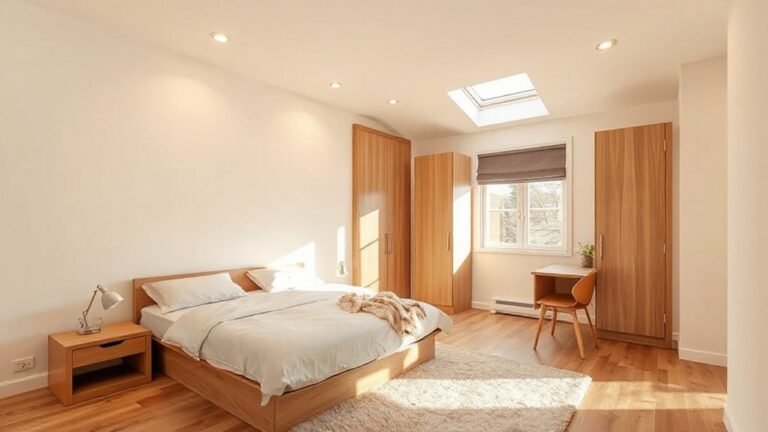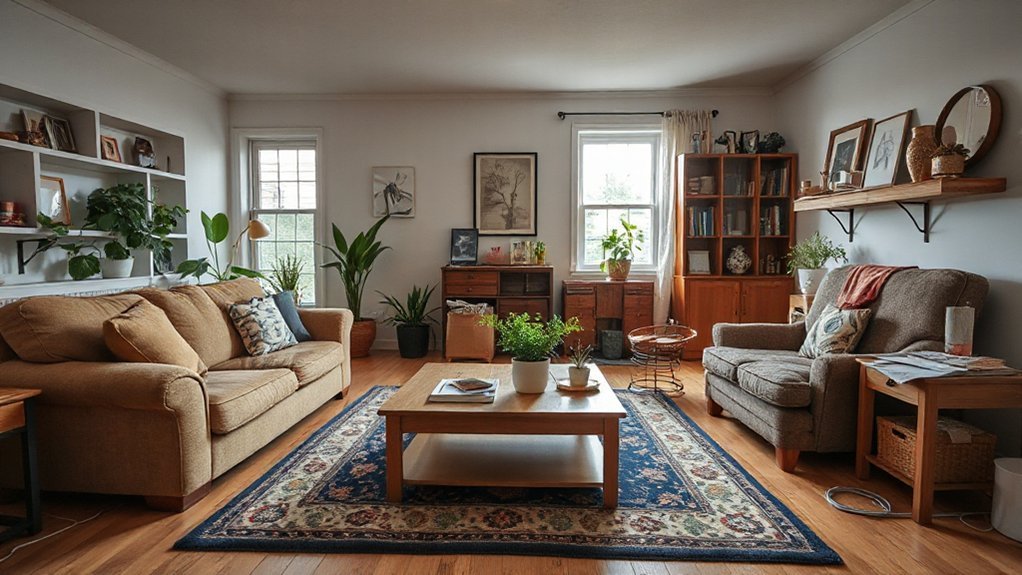
You’ll save time, money, and headaches by avoiding common interior design missteps, like cramming too much furniture, ignoring doorways, or mismatching colors and textures. If you don’t measure first, you’ll box yourself into awkward layouts and failed flow. Plan around scale, lighting, and a cohesive focal point, then curate with intention. Get the layout, finishes, and budget aligned, and you’ll open a space that feels effortless yet deliberate—and that’s exactly what keeps a room looking purposeful.
Identify Common Design Mistakes and Their Costs
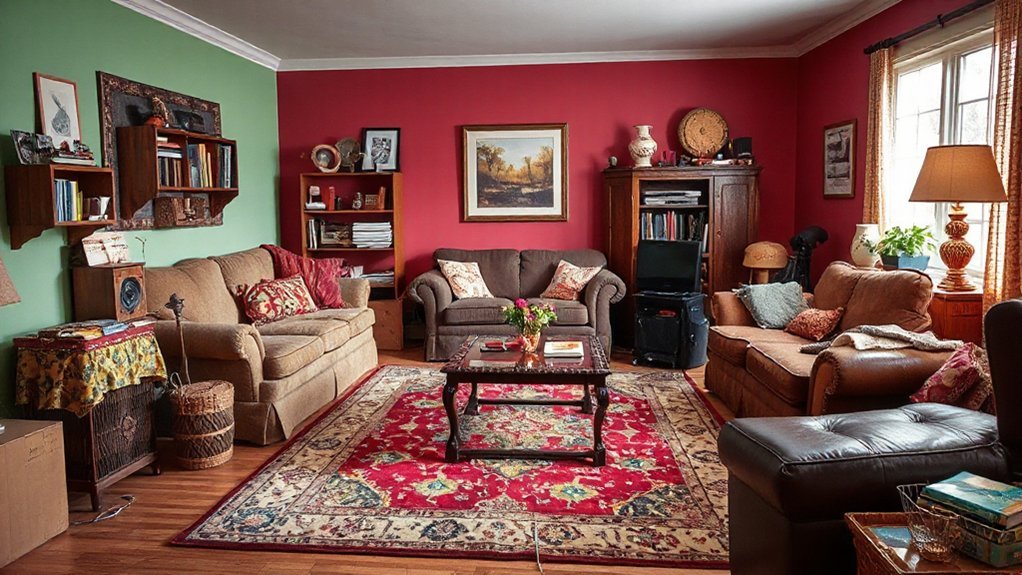
Common design mistakes often sneak in because homeowners overthink trends or misjudge space. You’ll notice costly missteps when you chase novelty instead of function, but you can course-correct fast. First, measure rooms and doors before buying bulky furniture, or you’ll deal with cramped flow and irritation. Budget for fabrics, finishes, and delivery—surprises add up quickly. Prioritize lighting and scale so focal points don’t clash; a room can feel right without every new trend. Consider Innovative storage solutions that hide clutter while keeping essentials accessible, and avoid overstuffed shelves that look chaotic. Embrace Smart technology thoughtfully to boost convenience without creating a dated look or compatibility headaches. Aim for cohesive color, texture, and proportion so results feel intentional, not accidental.
Get the Scale Right: Size, Proportion, and Space
Size and proportion set the tone, so start by matching furniture scale to your space and flow. Think balance, from room to room, using the Proportion Basics and Scale With Space rules to avoid crowding or emptiness. With smart furniture fit and simple rules, you’ll create rooms that feel cohesive and comfortable.
Proportion Balance Basics
Getting proportions right means thinking regarding scale, not just size. When you pick furniture, you balance height, width, and depth so pieces relate to one another and the room’s overall footprint. Prioritize proportion awareness by comparing objects to the space they occupy, not just to your eye. Use balance techniques like a grounded anchor piece—sofa or rug—as a visual weight anchor, then distribute lighter elements around it. Leave room to breathe; negative space matters as much as filled space. Consider rhythm through repeating shapes, lines, and materials at a similar scale. Aim for cohesive groupings rather than matching everything. Your goal: a harmonious backdrop for daily life, where every item feels intentionally placed and visually calm.
Scale With Space
Your room’s scale should feel native to its space, not crowded or sprawling. To nail scale, start with the floor plan: measure activates, then pair tall pieces with lower ones to create a balanced rhythm. Prioritize proportion by matching furniture heights to ceiling height and window sizes, avoiding extremes that feel off. Consider visual weight—solid, dark pieces read heavier; lighter, glass or slim profiles feel lighter—and aim for scale balance across zones. Use negative space to breathe between objects; this space acts like a design element itself. For space optimization, group related items into functional vignettes, not rows. Remember that scale is about harmony, not uniformity, so mix textures and silhouettes thoughtfully while preserving a cohesive, comfortable atmosphere.
Furniture Fit Rules
Ever wonder how to nail scale without sacrificing comfort? Furniture fit rules center on size, proportion, and space planning. You’ll balance sofa length with wall width, ensuring at least 18 inches clearance for traffic. Choose chairs that don’t crowd a table, and keep rug dimensions in check so furniture feet stay planted, not floating. Consider height differences—low-profile pieces can brighten compact rooms, while tall accents suit open layouts. Always measure doorways and clear pathways before buying, so delivery and use stay seamless. Prioritize cohesive proportions: mix chunky with slender, but align legs and finishes for unity. Keep sightlines open from door to window, avoiding blocking light. With mindful furniture fit, you optimize space planning and elevate everyday living.
Avoid Decor Overload Without Losing Your Style
Even clean, well-placed decor can feel stale if you pack too much into a space; the trick is to curate, not clutter. You preserve style by prioritizing a few standout pieces and letting negative space breathe. Start with a quiet anchor—a sofa, rug, or art that sets the tone—and build around it with intentional accents. Limit color to a cohesive palette; too many hues fracture the room’s rhythm. When you add decor, ask: does it serve function or mood? If it’s only decorative, it risks decor clutter. Rotate pieces seasonally to keep things fresh without full overhaul. Maintain balance by pairing bold items with simple silhouettes. This approach supports style preservation while avoiding overload, so your rooms feel polished, personal, and effortless.
Layer Lighting for a Cohesive, Liveable Room
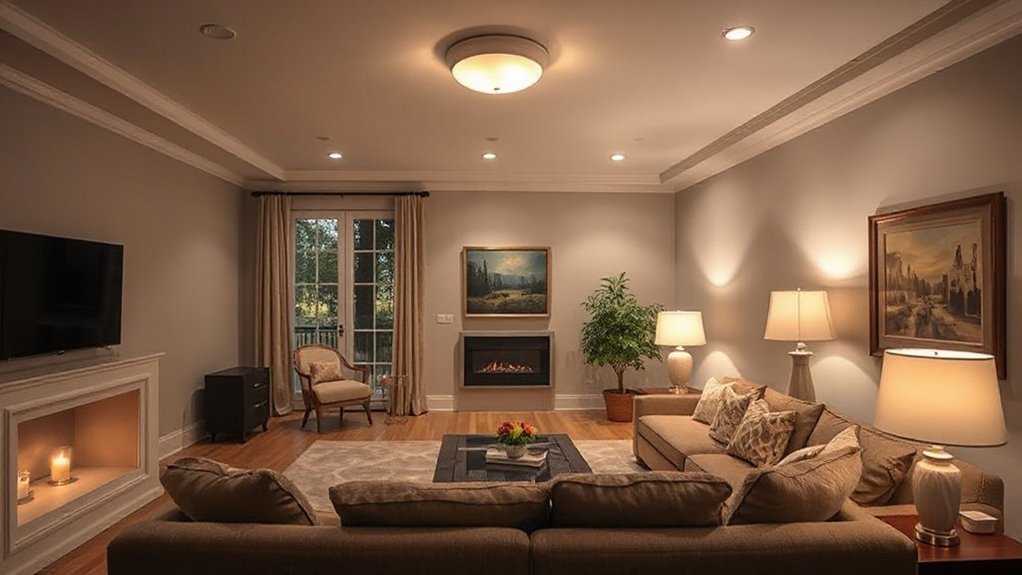
You’ll layer lighting to create depth and function, so the room feels cohesive at every level. Start with a primary, ambient source and add task and accent lights to emphasize zones and textures. This balanced approach keeps levels consistent, practical, and inviting.
Layered Lighting Strategy
Layered lighting ties a room together by balancing function and mood, so start with a bright, general layer and then add task and ambient options to suit each zone. In practice, map zones like seating, cooking, and work areas, then layer accordingly. Use a dimmable ceiling light for broad coverage, so you can adjust energy and mood without changing fixtures. Add task illumination at desks, countertops, and reading nooks to boost focus with precise, glare-free light. Include ambient ambiance with wall sconces or soft under-cabinet lighting to create warm context and depth. Keep color temperature cohesive across layers to avoid jarring shifts. Finally, test real-world needs, fine-tune brightness, and store settings to maintain a cohesive, liveable room.
Cohesive Light Levels
A cohesive lighting plan keeps rooms inviting and functional by aligning levels of brightness across zones. You’ll blend ambient, task, and accent lights so progressions feel smooth, not jarring, from living to dining to workspace. Prioritize a consistent base level—soft, even illumination that doesn’t compete with natural light—then layer in targeted sources. Use dimmers to fine‑tune brightness through the day, supporting Lighting ambiance without glare. Keep color temperatures cohesive—soft whites for most rooms with slightly warmer tones in lounging areas for mood enhancement. Avoid overlighting or underlighting by mapping zones and their primary tasks. Choose fixtures with complementary finishes and scale to maintain a unified look. With thoughtful layering, your space stays practical, stylish, and comfortable around the clock.
Pick Furniture That Fits Your Floorplan and Flow
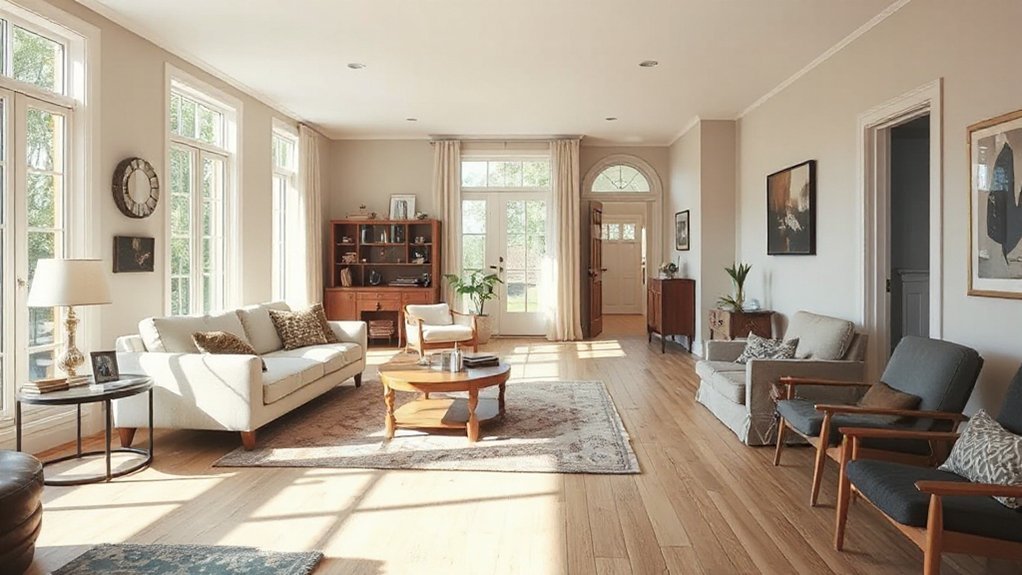
Choosing furniture that fits your floorplan and flow sets the stage for comfortable, effortless living. Start with the basics: measure doorways, hallways, and room widths to guarantee pieces actually fit the space. Prioritize furniture placement that guides traffic and creates clear focal points, like a sofa facing a fireplace or TV without crowding pathways. Opt for scale that matches the room; oversized items crowd, tiny ones feel insubstantial. Use multi-functional pieces to maximize space optimization without sacrificing style. Leave open gaps for movement and natural light to bounce around. Arranging seating in clusters promotes conversation and cozy zones, rather than a single long line. Choose pieces that complement your layout, so every square foot serves a purpose.
Build Color Cohesion Without Monotony
You build color cohesion by picking a core palette and letting accents support it, not clash it. Use a few harmonious neutrals with 1–2 pop colors to avoid monotone temptations. Keep contrast intentional, so every room feels linked yet fresh.
Cohesive Color Palette
Color cohesion keeps a space feeling intentional, but it’s not about monotony; it’s about smart contrasts, balanced tones, and purposeful repetition that ties rooms together. You create a cohesive palette by choosing a core color and two supporting hues, then reuse them in varying intensities across textiles, furniture, and decor. Prioritize color harmony by pairing warm with cool tones and avoiding clashes at the same surface. Use palette contrast sparingly to highlight architectural features or focal points without overwhelming the eye. Limit you to three to four core colors for balance, then introduce texture and pattern to add depth. Keep finishes consistent for a polished look, and test lighting at different times of day. With intention, color becomes a subtle, powerful connector.
Avoid Monotone Temptations
Avoid monotone temptations by embracing subtle variation within your core palette. You don’t have to overhaul colors to keep things lively; small shifts create depth while staying cohesive. Introduce color variation through undertones in textiles, hardware, and wall accents rather than dramatic swaps. Pair a base with two or three harmonious hues, then use tinted whites or softer grays to soften gradations. Emphasize variation in texture—matte walls with satin trim, woven fabrics with subtle sheen—to add visual interest without shouting. Keep lighting consistent so your palette reads cleanly, not flat. Use purposeful contrast, like warm wood against cool plaster, to wake spaces without breaking harmony. The result? A refined, stylish environment that feels curated, not repetitive.
Create Texture Harmony With Sustainable Finishes
Texture is the quiet architect of a sustainable interior, balancing tactile interest with eco-friendly finishes. You’ll create a cohesive feel by layering varied textures, so each surface speaks without shouting. Begin with neutral grounds and build depth through texture layering, then temper bold patterns with calm materials. Prioritize Sustainable materials that perform well over time, resisting wear while staying kind to the planet. Choose natural fibers, recycled metals, and low-VOC finishes, avoiding slick, high-gloss choices that amplify glare. Pair matte woods with soft textiles to invite touch, then introduce subtle sheen through thoughtfully chosen ceramics or slate. Maintain balance by repeating textures across rooms, so no single element dominates. Finally, document maintenance needs, ensuring finishes age gracefully and remain environmentally responsible.
Curate Artwork and Accessories With Intent
Artful placement of artwork and accessories can reinforce the calm, textured foundation you’ve built and prevent clutter from stealing the scene.
When you curate, choose pieces that relate to your space in tone, scale, and purpose. Aim for intentional art placement and purposeful accessory grouping that guide the eye without overcrowding surfaces. Start with a focal piece, then balance with supporting items at varying heights. Group smaller objects in odd-numbered clusters to feel deliberate, not random. Rotate accents seasonally to keep the story fresh without overloading walls or shelves.
- Use art placement to anchor focal walls and create rhythm
- Build accessory grouping around function, not filler
- Limit total pieces per surface to preserve calmness and cohesion
Plan Layout for Easy Navigation and Welcoming Flow
A well-planned layout guides traffic, creates inviting first impressions, and makes daily living effortless. You’ll prioritize clear sightlines and logical pathways, so people move naturally from room to room. Use open floorplans to centralize activities without sacrificing coziness—define zones with furniture placement, rugs, and lighting rather than walls. Plan traffic flow by keeping primary circulation paths free of clutter, especially near entryways and between high-traffic areas like the kitchen and living room. Allow adequate space for door swings, seating, and foot traffic, so gatherings don’t feel crowded. Consider focal points, like a view or fireplace, to anchor the flow and guide movement. Test layouts with furniture templates or tape, adjusting for scale, accessibility, and ease of navigation.
Budget, Timeline, and Quick Fixes to Prevent Re-Dos
To prevent re-dos, set a firm budget, a realistic timeline, and a few quick fixes you can deploy if things slip. You’ll use budget planning to allocate every dollar and prioritize essential upgrades over vanity add-ons, reducing surprises later. Timeline management keeps milestones visible, so you stay on track and slower tasks don’t derail the whole project. When a snag appears, deploy a quick fix list to minimize downtime and keep momentum.
- Define non-negotiables and swapables within your budget planning to prevent scope creep
- Create a milestone calendar with deadlines and buffer days for unexpected delays
- Keep a mini toolkit of fixes for common hiccups, from paint touch-ups to hardware swaps
Frequently Asked Questions
How Do I Prioritize Design Fixes Within a Tight Budget?
Prioritize fixes by budget impact: allocate funds first to high-visibility items, like seating and lighting, then allocate for foundations. Use prioritization strategies: list essentials, compare returns, and adjust as you refine your Budget allocation and design flow.
What’s the Easiest Way to Assess Room Scale Quickly?
Smarter rooms feel bigger: 2.5% taller ceilings can boost perceived space. To assess room scale quickly, note room dimensions and visualize scale with furniture templates, then compare against a simple grid. This helps you refine Scale visualization confidently.
How Can I Avoid Decorating Too Late at Night?
To avoid decorating too late at night, plan ahead and set a timer, you’ll avoid fatigue. Prioritize nighttime lighting, use warm bulbs, and establish an evening mood with dimmers, soft textiles, and simple, practical accents.
Which Sustainable Finishes Offer the Best Durability?
Eco friendly materials deliver unbelievable durability; you’ll marvel at long lasting surfaces that endure daily use, spills, and wear. You’ll choose sustainable finishes confidently, because they’re practical, stylish, and built to stay pristine as you live boldly.
How Do I Maintain Flow While Adding Bold Accents?
To maintain flow while adding bold accents, focus on color coordination and measured accent placement. Choose a dominant palette, repeat a bold hue in textiles, art, and hardware, then sprinkle contrasts sparingly for cohesive, stylish highlights.
Conclusion
As you design, coincidence nods at you: a sofa fits just as your doorway clears, a rug lands beneath the coffee table you’d already planned. When your space breathes—measured rooms, cohesive color, thoughtful lighting—people notice the flow, not the flaws. You’ll notice how budget-friendly tweaks become lasting style. The room reveals its story, not its shock. Stay practical, stay curious, and let intention turn every corner into welcoming, livable harmony.
About the Author